


Antique Glass Shop Front
An antique glass shop front brings the rich materiality of historic commerce directly into a modern interior.
Antique Glass Shop Front
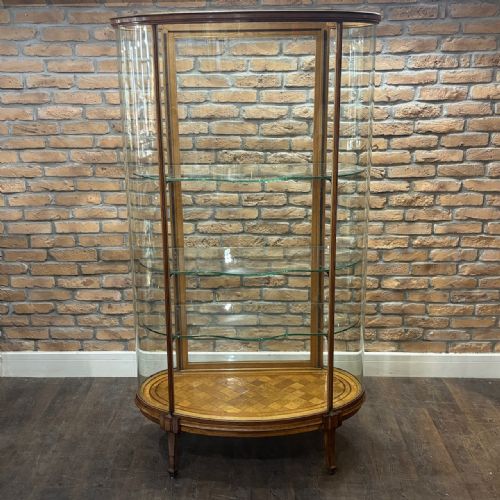
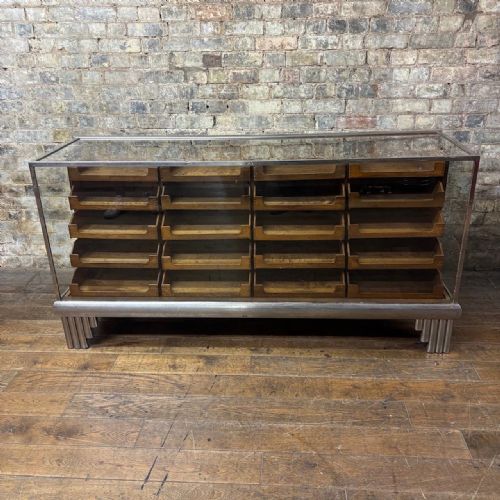
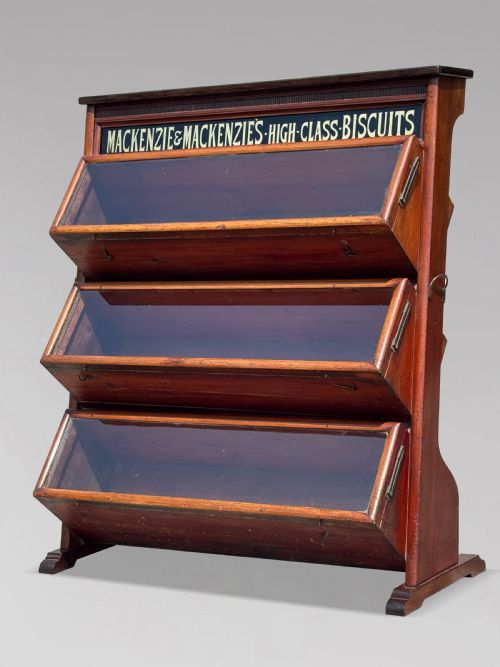
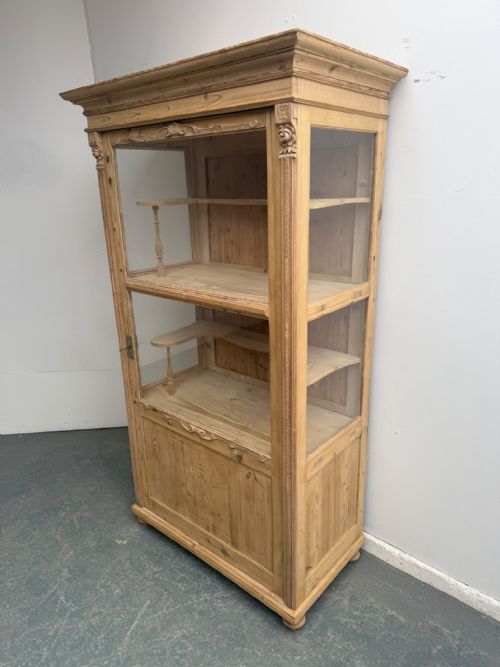
The objects span from the mid-nineteenth century through the 1930s, encompassing styles such as Victorian commercial, Edwardian, and 1920s commercial. Pieces range from large oak and mahogany counter units to wall-hanging display cases and painted glass window panels. Each form reflects the specific mercantile needs of past retail environments, utilising extensive glazing to maximise visibility.
How They Were Made
Construction relies on sturdy timbers like oak, mahogany, and pine, frequently paired with brass and chrome hardware for structural integrity and visual contrast. Ebonised wood and fabric also appear as supporting materials in select cabinets and display cases. Glazing is central to the fabrication, providing clear panels to protect merchandise while maintaining complete visibility.
Joinery methods reflect commercial durability, designed to withstand daily retail use over decades. Trade signs and window panels incorporate cut and painted glass techniques within original wooden frames. The integration of metal fittings and timber framing defines the structural approach of these historic shop fixtures.
Listings feature items spanning the 1850s to the 1930s, incorporating glass, brass, mahogany, oak, chrome, ebonised wood, pine, and fabric.
What Varies in Quality
Quality rests upon the integrity of the original timber framing and the clarity of the glass panes. Pieces retaining their original brass or chrome hardware and uncompromised structural joinery stand apart from heavily altered examples. The sophistication of the timber, whether figured mahogany or quarter-sawn oak, dictates the grade of the piece.
Maker attribution elevates certain units, with documented workshop production adding distinct provenance. The condition of painted glass elements, trade lettering, and original mirrors also influences the standing of an item within its period category.
F. Sage & Co·Dudley & Co·Ermen & Roby
The Antique Glass Shop Front Glossary
- Architectural salvage
- Building elements and fixtures rescued from structures destined for demolition or alteration. These components retain historic fabric for reuse in new contexts.
- Haberdashery counter
- A retail shop counter specifically built with drawers and glazed sections to sort and display small sewing goods, textiles, and notions.
- Ebonised wood
- Timber treated with a chemical stain or finish to imitate the dark, dense appearance of ebony. This technique was popular in nineteenth-century cabinetmaking.
- Trade sign
- A board or glass panel created to advertise a specific merchant, brand, or service outside or inside a shop. They utilise painted lettering and graphics.
Antique Glass Shop Front: Frequently Asked Questions
How were glass shop front elements used originally?
These components functioned as physical boundaries, window advertisements, and interior display fixtures for nineteenth and early twentieth-century merchants. They protected merchandise from dust while allowing passers-by and customers a clear view of the goods.
Cabinets and counters organised small items like sewing cottons and perfumes within the retail space, while glass panels and mirrors served as prominent trade advertisements.
How do I style an antique shop display cabinet at home?
Display cabinets and haberdashery units work effectively in domestic settings to organise and exhibit collections behind glass protection. Their timber frames and glazed doors introduce distinct architectural character and period texture to a room.
Positioning a counter or wall-hanging case allows for the curation of smaller objects, echoing their original commercial purpose in a residential interior.
How do I identify Victorian commercial furniture?
Victorian commercial furniture spans the nineteenth century, utilising solid timbers like mahogany and pine with robust construction methods. They reflect the expansion of retail trade through practical forms such as multi-drawer haberdashery counters and deep display cases.
Detailing on these pieces typically aligns with nineteenth-century cabinetmaking traditions, prioritising durability alongside clear glazed presentation.