



Antique Glass Print
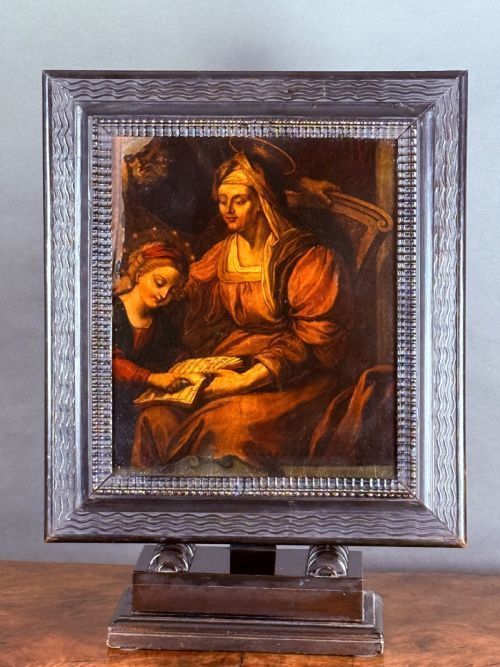
An antique glass print brings depth and luminosity to a wall through an image applied directly to the rear of the pane.
Antique Glass Print
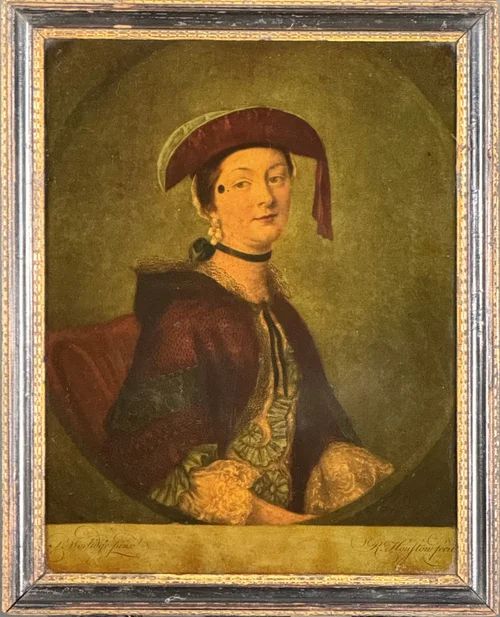
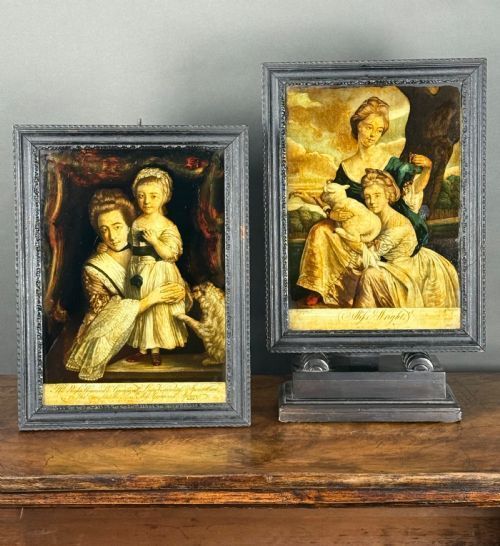
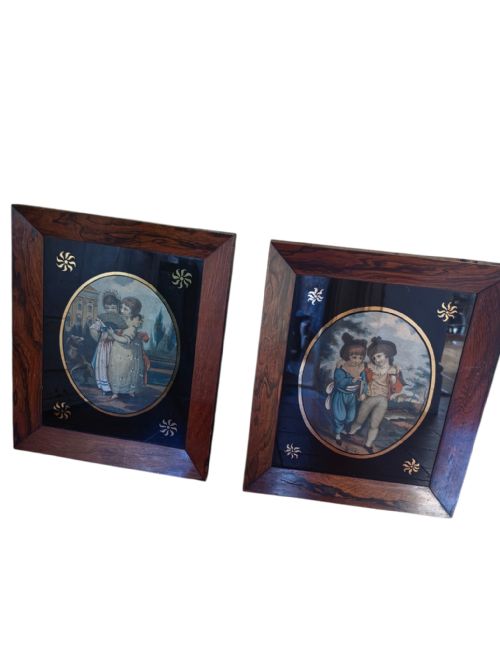
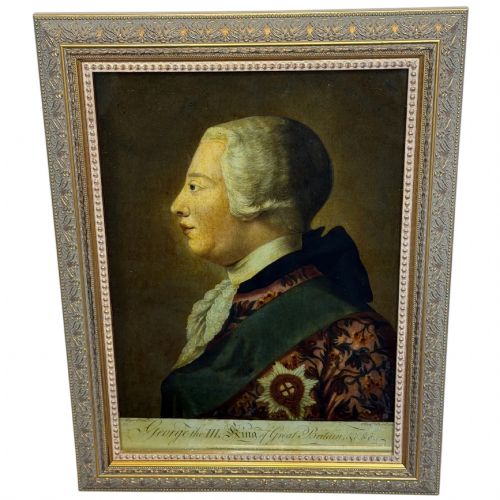
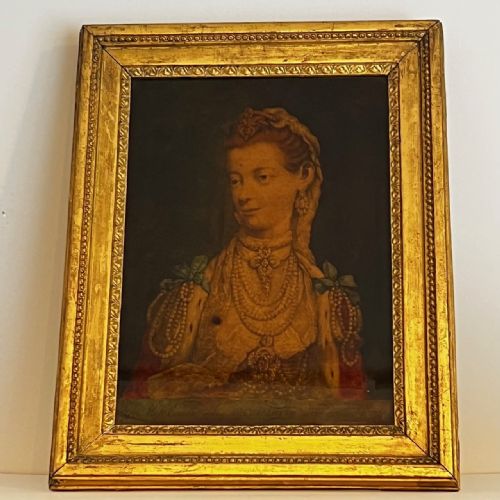
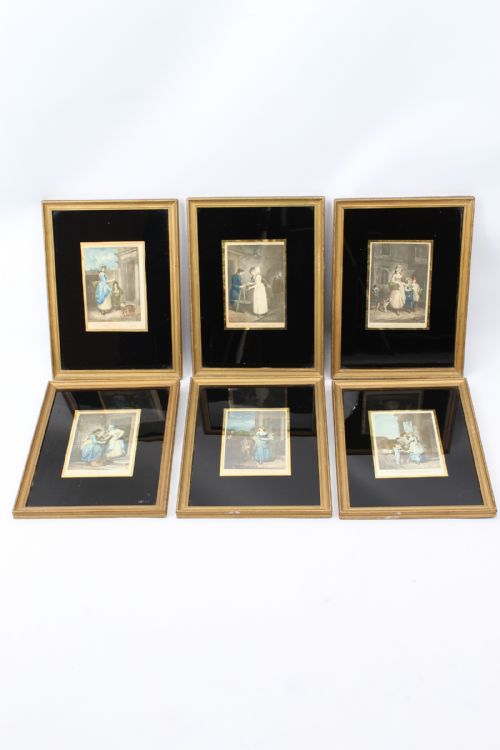
An antique glass print uses a delicate transfer technique where an engraved image is fixed to the back of a glass sheet and hand-coloured with pigment or oil paint. The pieces on this page span the eighteenth and nineteenth centuries, taking the form of reverse glass paintings, mezzotints, and framed portraits.
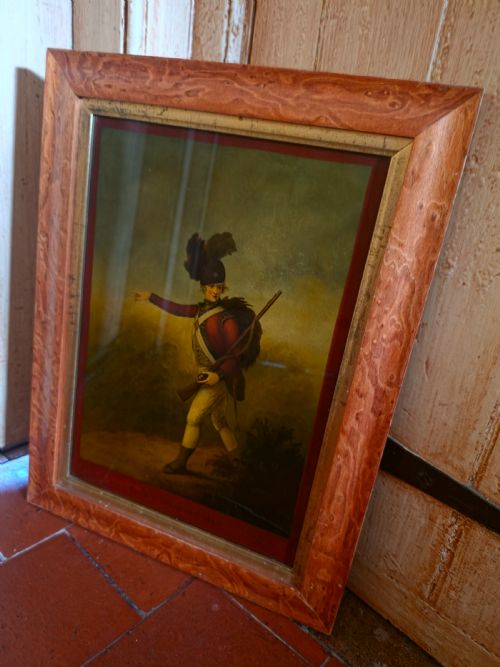
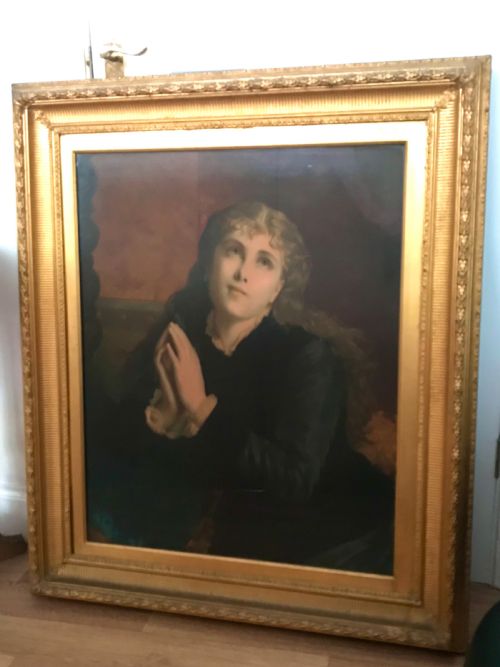
Subjects range from classical religious scenes and seasonal allegories to royal portraits and military engagements. The Georgian period supplies many of the finest portrait and allegorical examples, while later nineteenth-century items introduce religious oleographs and crystoleoms.
Buyers encounter these works housed in period wooden frames, occasionally accompanied by maple or rosewood surrounds. The surface reflects light in a distinct manner that sets it apart from standard paper engravings.
Materials and construction
Makers applied a printed paper engraving face down onto a clear glass sheet using an adhesive substance before rubbing away the paper pulp to leave only the inked lines adhered to the glass. Artisans then hand-painted the reverse side using oil paint or pigment, layering colours so the finished picture displayed correctly when viewed through the front of the glass.
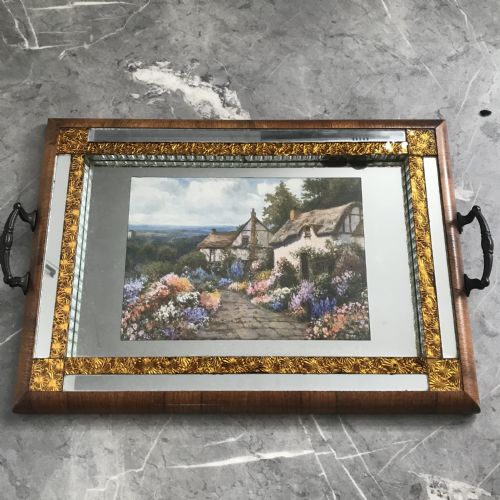
Frames rely on timber such as rosewood, maple, walnut veneer, and giltwood, often fitted with gold leaf detailing. Some compositions incorporate mirrored glass or serve as decorative trays rather than wall hangings.
Object forms include wall art, serving trays, mirrored trays, and divided mirror sections.
Assessing visual merit
The precision of the initial mezzotint transfer and the skill of the hand-applied pigment determine the visual strength of the piece. Finer examples retain vibrant colour depth within the painted layers and crisp definition along the engraved outlines.
The preservation of the glass plate and the integrity of the original timber frame heavily influence the character of the work. Early framing contributes significantly to the contextual authenticity of the item.
Sebastiaan Vrancx·Charles Spooner·Richard Purcell·Robert Sayer·Abraham Cooper
The Antique Glass Print Glossary
- Reverse glass painting
- A technique where the artist paints directly onto the rear of a glass sheet so the image appears correctly oriented from the front. This method creates a glossy surface sheen.
- Mezzotint
- A printmaking process of the intaglio family where tones are created by roughening the copper plate with thousands of tiny dots. It yields rich gradations of light and shade.
- Crystoleum
- A Victorian method of applying a coloured photograph or print to convex glass and hand-painting it from behind. The finished work gains a three-dimensional depth.
- Eglomise
- A process of applying cold gilding and painting on the rear of glass panels. It produces a reflective, metallic background for portraits or decorative designs.
Antique Glass Print: Frequently Asked Questions
Why are some prints mounted in pairs?
Publishers frequently created seasonal allegories, such as Spring and Summer or the four quarters of the year, designed to hang symmetrically on a wall. Portraits of related historical figures were also paired for display in parlours.
Keeping pairs together preserves the original decorative intent of the Georgian and Regency periods when matching wall art was fashionable.
How do I date an antique glass print?
Examine the framing materials, the thickness of the glass, and the style of the costume worn by the subject. Eighteenth-century examples often feature fine mezzotint line work, while Victorian pieces include crystoleoms and oleographs.
The backing boards and holding pins also offer clues to the age of the assembly.
Can these prints be hung in direct sunlight?
Sunlight causes the hand-applied pigments and oil paints on the reverse of the glass to fade permanently. Wall placement should avoid bright windows and heat sources to protect the colours.
Stable indoor conditions prevent the old timber frames from warping and keep the glass securely seated.