


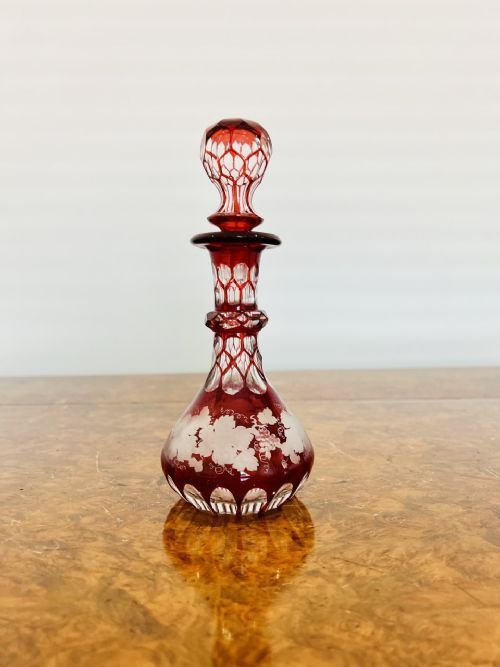


Antique Glass Perfume Jar
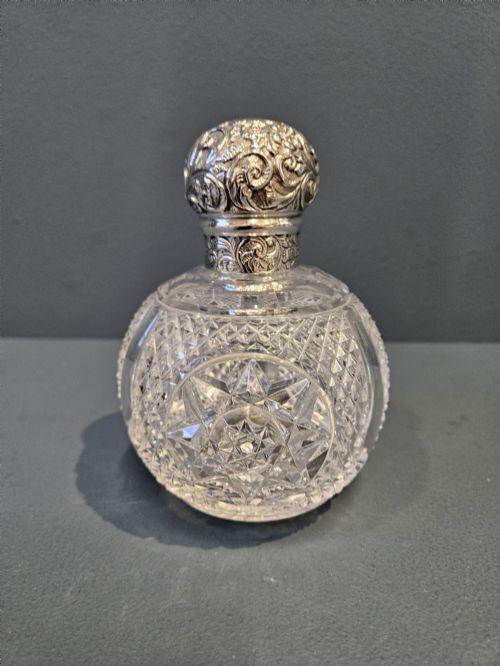
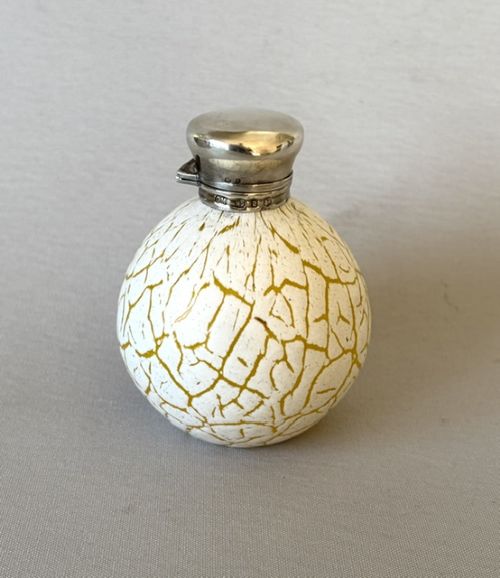
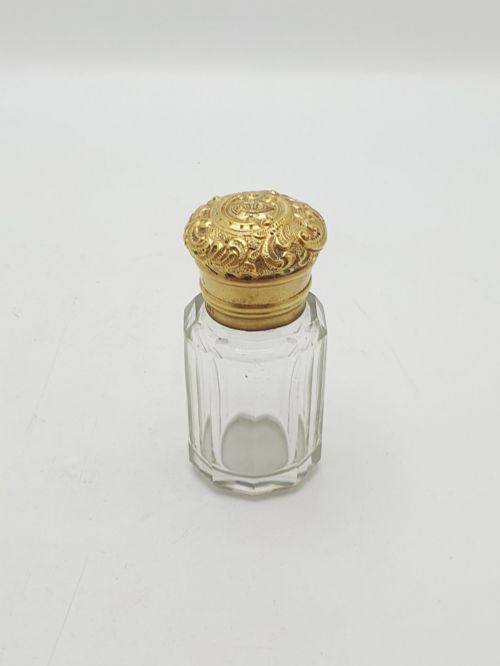
An antique glass perfume jar holds volatile essences behind cut facets, silver mounts, and hinged lids, combining utility with dressing table display.
Antique Glass Perfume Jar
When you search for an antique glass perfume jar, you encounter vessels designed to hold volatile scents on a dressing table or inside a travelling vanity case. The form ranges from globular scent bottles to taller cologne jars intended for personal grooming.
The pieces on this page span several eras, with Victorian and Edwardian examples featuring heavily alongside early twentieth-century designs. You will also find rarer survivals such as ancient Roman glass unguentaria and Regency dressing table boxes.
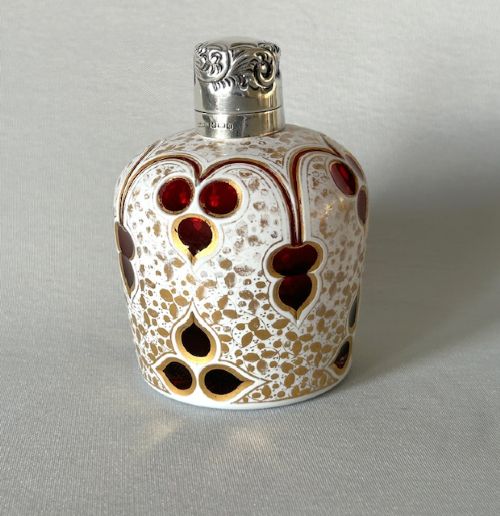
Most items combine glass bodies with metalwork, frequently employing sterling silver lids, collars, or mounts. These vessels served both practical storage and decorative display functions in domestic interiors.
What varies in quality
The crispness of the glass cutting and the weight of the metal components establish the primary division in quality. Heavy cut crystal and thick sterling silver mounts indicate superior manufacture compared to thin pressed glass and light metal plating.
Artistic execution also separates standard production items from finer work, particularly where enamel or tortoiseshell adorns the lid. Intricate guilloche patterns and secure, well-fitted hinges demonstrate skilled craftsmanship from established silversmiths.
Antique Glass Perfume Jar Retail Price Guide 2026
Typical asking prices for glass perfume jar among the pieces listed under this phrase on Sellingantiques today, from the lower quarter to the upper quarter. They describe what is for sale here now, not the wider market.
Some Victorian gentlemen required lockable silver collar bottles to keep their best cologne safe from thieving valets.
Henry Perkins·Barnsley & Co·Adie Brothers Ltd·Goldsmith's and Silversmith's Co.
The Antique Glass Perfume Jar Glossary
- Guilloche enamel
- A decorative technique involving precise mechanical engraving beneath translucent enamel layers. It creates repeating geometric patterns across silver lid surfaces.
- Unguentaria
- Small ancient glass vessels used for holding oils, perfumes, or unguents. Roman examples typically display iridescent patination from centuries of burial.
- Sterling silver
- An alloy consisting of silver and other metals, predominantly copper, to increase durability. British pieces usually feature standard lion passants and assay office marks.
- Cranberry glass
- A rich red glass coloured through the addition of gold chloride to the molten batch. It appears frequently in nineteenth-century dressing table wares.
- Tortoiseshell
- The mottled brown and amber keratin shell of certain sea turtles, used historically to inlay silver brush sets and perfume jar lids.
Antique Glass Perfume Jar: Frequently Asked Questions
How do I date an antique scent bottle?
You date these items by examining the silver hallmarks stamped on the metal mounts, which reveal the assay office and exact year of manufacture.
Stylistic indicators such as Art Deco geometric enamel or heavy Victorian cutting also help narrow down the production era.
Were these bottles meant for travel?
Many examples were manufactured as components of larger gentleman's or ladies' travelling vanity cases and dressing table boxes.
Secure screw caps or lockable silver collars prevented accidental leakage during transit.
How do I clean silver mounts safely?
You should use a soft cloth and specialised silver polish, taking care to keep abrasive substances away from the glass body and enamel.
Apply polish sparingly around the hinges and hallmarks to preserve the stamped details.
What is the difference between a scent bottle and a cologne jar?
Scent bottles generally feature narrow necks and stoppers designed for highly concentrated perfumes applied sparingly.
Cologne jars and globular bottles possess wider openings suited for refreshing splashes of Eau de Cologne.