


Antique Glass Lusters
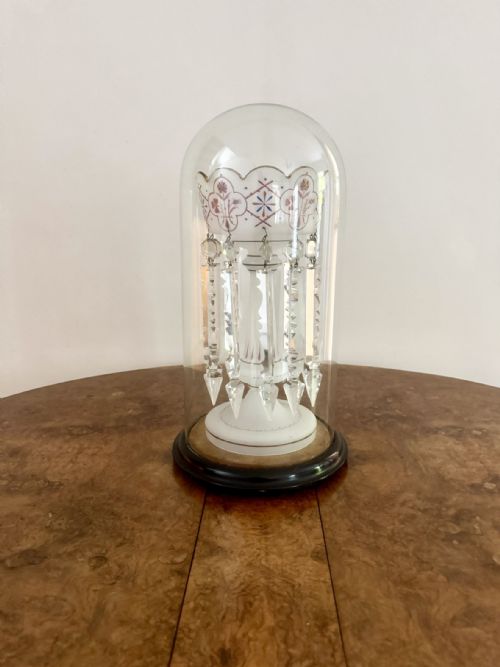
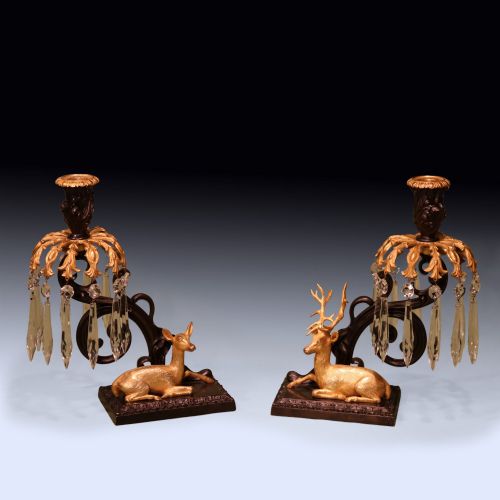
Antique glass lustres provide brilliant sparkle to a mantelpiece through hanging crystal drops and coloured glass bodies.
Antique Glass Lusters
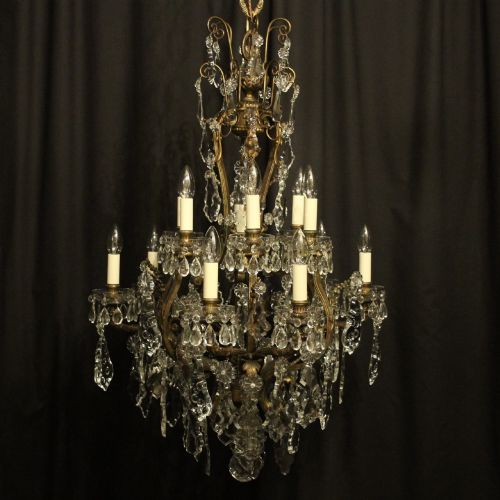
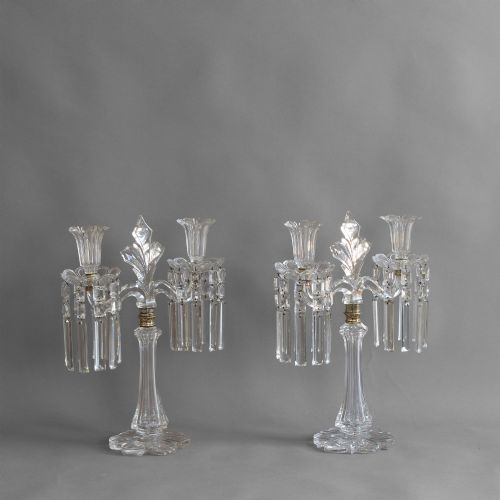
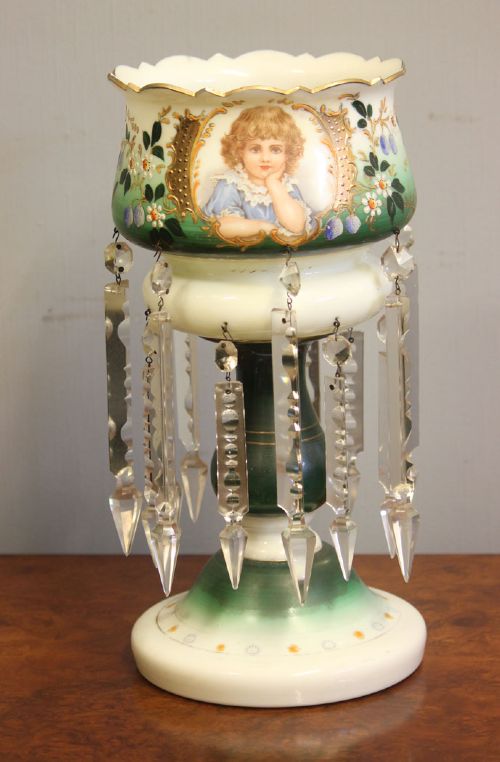
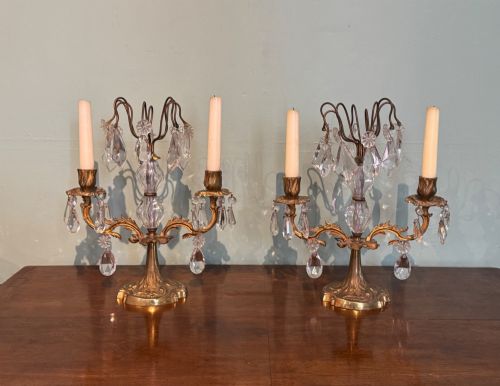
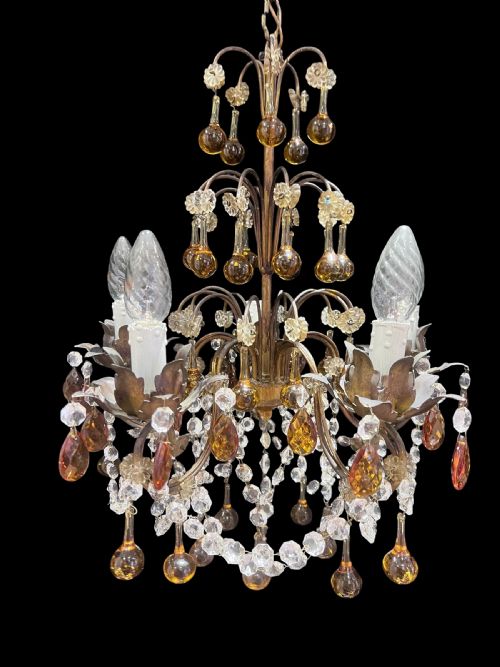
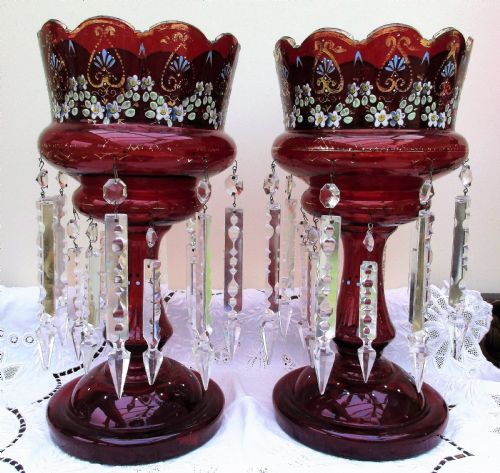
When searching for antique glass lustres, collectors encounter decorative mantel ornaments and candle holders designed to catch and refract light. These decorative objects take the form of table lustres, mantle lustres, and candelabra fitted with dangling glass drops.
The pieces appearing here stem largely from the nineteenth century and the Victorian era, alongside examples from the Regency period and the early twentieth century. English and continental workshops produced these items in pairs for placement on mantelpieces and tables.
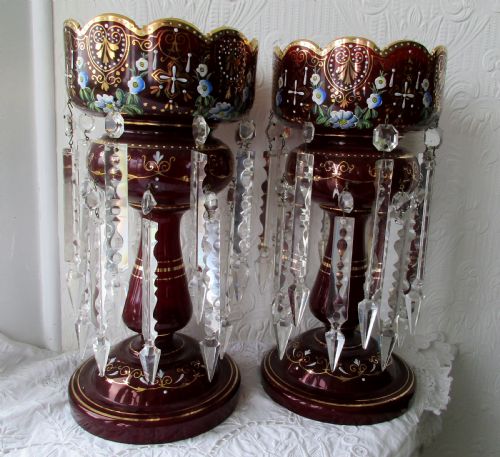
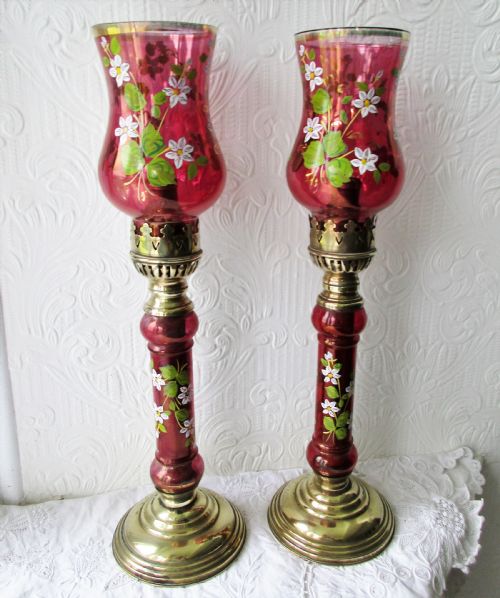
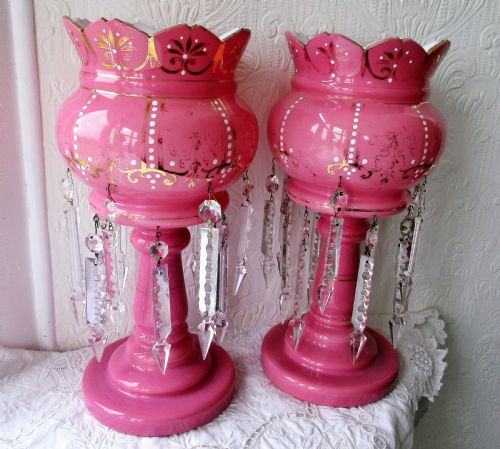
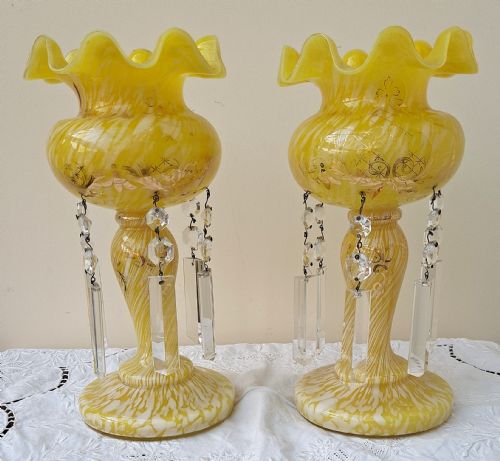
Victorian ruby glass and Bohemian overlay glass examples represent the most common variations found on this page. Makers also utilised green glass, pink glass, yellow glass, and opaline glass alongside cut crystal components.
How they were made
Glassmakers shaped these objects using blown and cased glass techniques, frequently employing flash glass methods to create ruby and coloured overlay effects. Artisans then cut facets into the crystal or glass body and applied hand-painted enamel and gold leaf detailing to the capitals and rims.
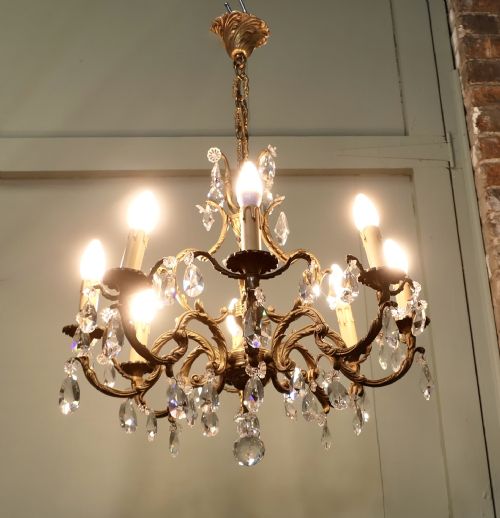
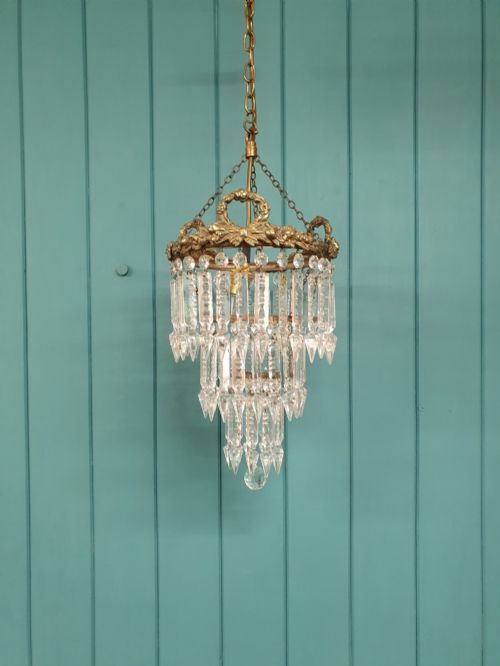
Metal mounts in brass, bronze, gilt-bronze, ormolu, and gilt metal form the structural bases and candle sockets on many pieces. Cut glass drops and crystal prisms hang from these metal frameworks using wire loops or pinned connections, allowing the pendants to move and chime slightly in a draft.
The selection includes French chateau and Regency styles alongside standard Victorian mantel garnitures.
What varies in quality
The standard of cutting on the crystal drops and the depth of colour in the glass body distinguish finer examples from standard work. Superior pieces display crisp facets that scatter light cleanly, whilst lesser items feature softer moulding and simpler surface polish.
The richness of the gilding and the precision of hand-applied enamel decoration mark the tier of craftsmanship. Complete sets of matching pendants untouched by replacement remain significant indicators of an original, well-preserved state.
Makeig-Jones Wedgwood
The Antique Glass Lusters Glossary
- Lustre
- A decorative mantel vase or candlestick hung with cut glass pendants designed to reflect candlelight.
- Overlay glass
- Glass created by casing one coloured layer over a clear or contrasting layer before cutting through the top stratum to reveal the colour beneath.
- Opaline glass
- An opaque, pale glass with a milky appearance that imitates natural opal.
- Prism
- A cut crystal pendant hung from the rim of a lustre to refract light.
- Ormolu
- Gilded bronze used for mounts and decorative trim on nineteenth-century decorative objects.
Antique Glass Lusters: Frequently Asked Questions
What are antique glass lusters?
These decorative glass objects combine a central vase or candlestick shaft with suspended crystal pendants. They sat on mantelpieces to catch the light of candles or oil lamps.
Victorian parlours utilised them primarily for ornamentation during evening gatherings when candlelight highlighted their cut crystal facets.
How do you clean glass lusters?
Cleaning requires removing the hanging crystal drops individually and washing them in warm soapy water. A soft cloth prevents scratching the gilded or enamelled surfaces on the glass body.
Harsh chemical cleaners damage the delicate gold leaf and enamel decoration found on nineteenth-century pieces.
Were lustres used for lighting?
Many examples function as candlestick holders with sockets designed to hold wax tapers securely. The hanging drops served to amplify the flickering illumination of the flame.
Other variations acted purely as ornamental mantel garnitures without provision for holding candles.
How do you spot replacement crystal drops?
Replacement drops often display slight variations in glass tint, cutting style, or wire attachment methods compared to the original pendants. Examining the wear around the suspension holes reveals age consistency across the set.
Matching the exact shape and bevel of every prism helps confirm that the hanging elements belong together.