




Antique Glass Liqueur Glasses
These antique glass liqueur glasses span the Victorian era to Art Deco, offering small vessels designed for after-dinner cordials and spirits.
Antique Glass Liqueur Glasses
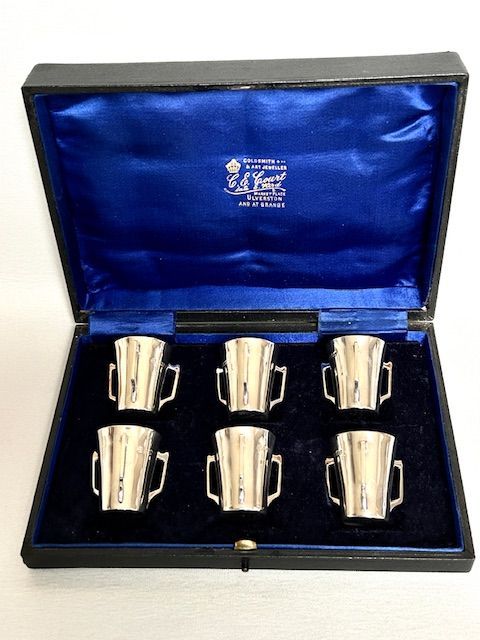
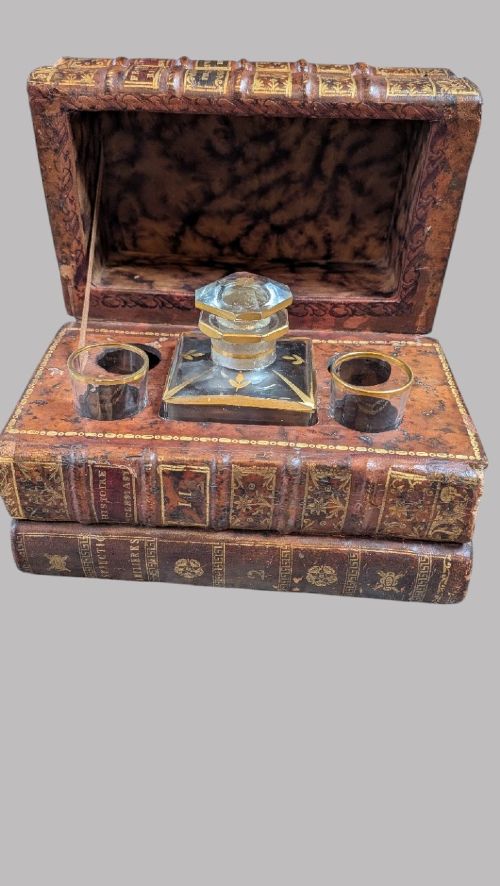
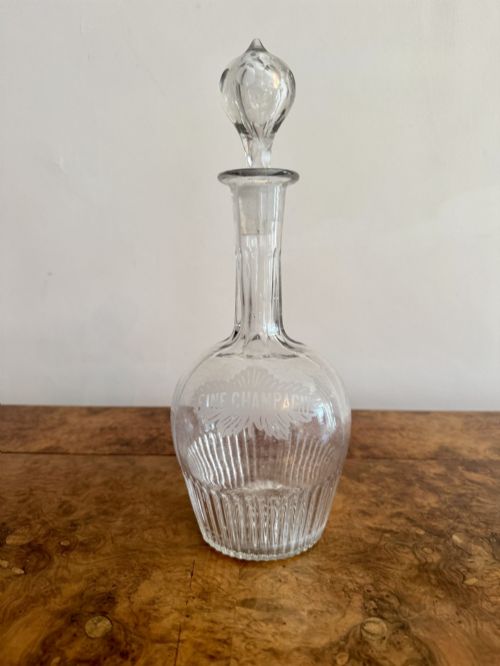
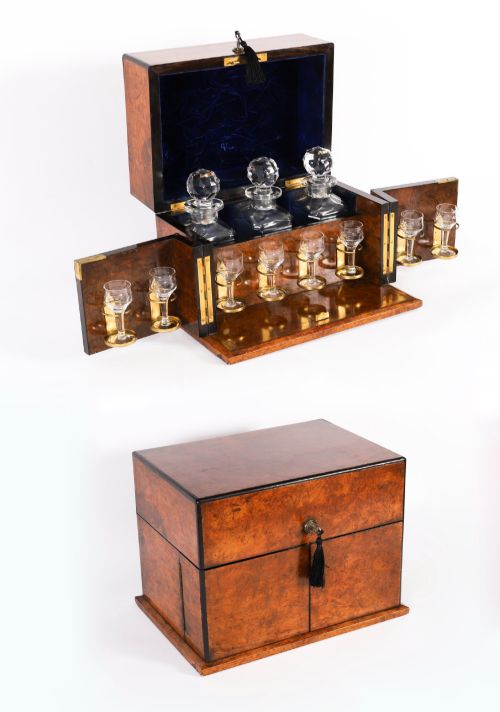
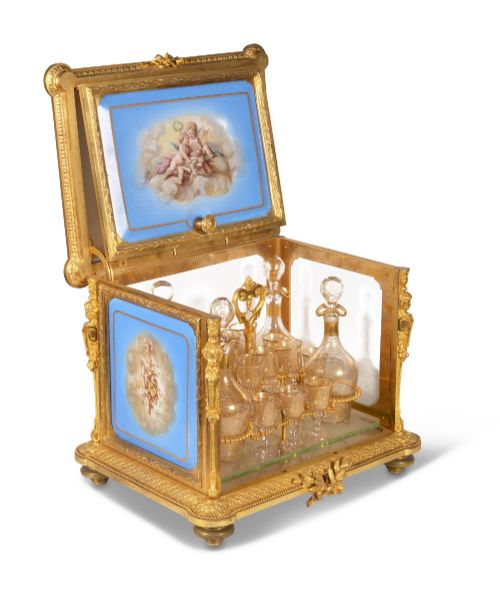
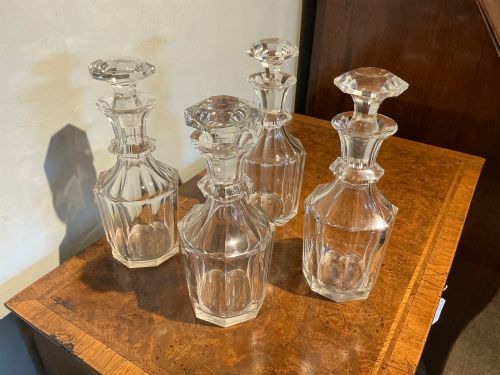
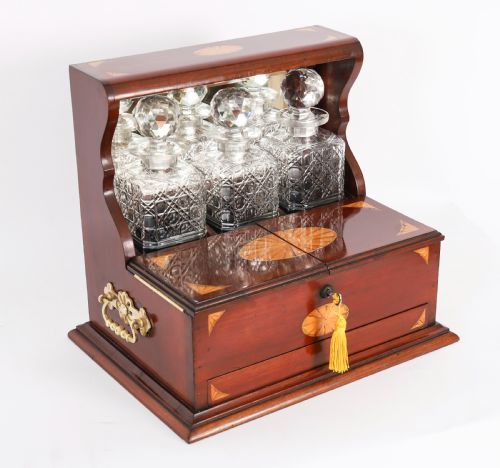
When you search for antique glass liqueur glasses, you find small cordial vessels, shot glasses, and dram glasses often housed in fitted tantalus sets or liquor boxes. These pieces emerge from the nineteenth and early twentieth centuries, spanning periods from Victorian excess through Edwardian refinement to geometric Art Deco designs.
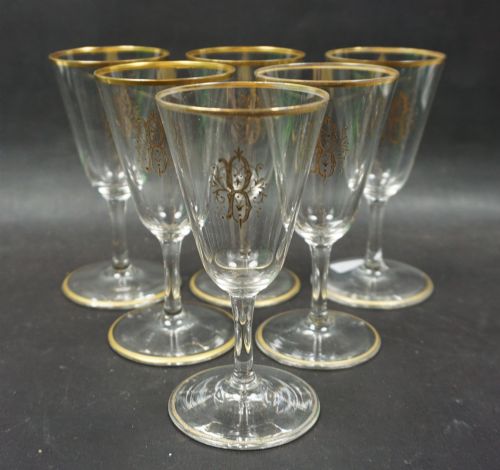
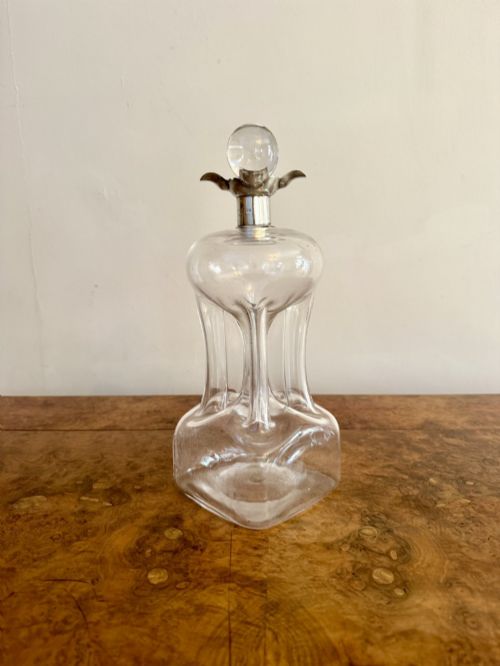
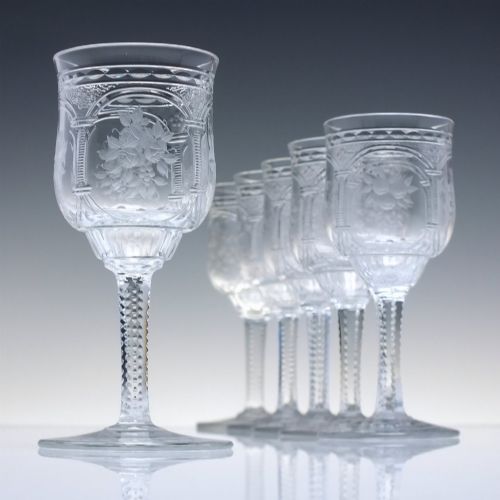
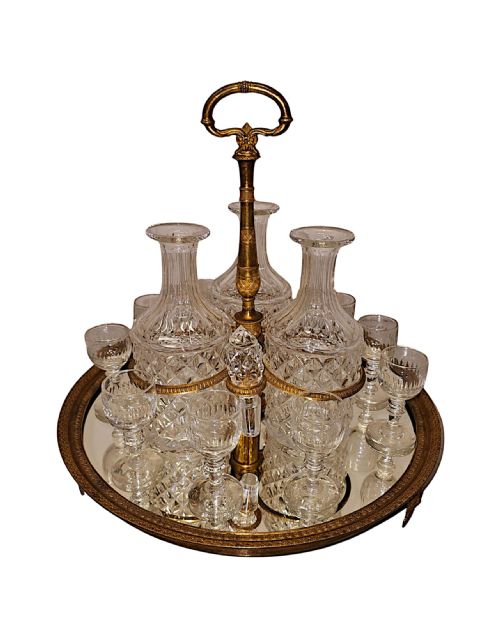
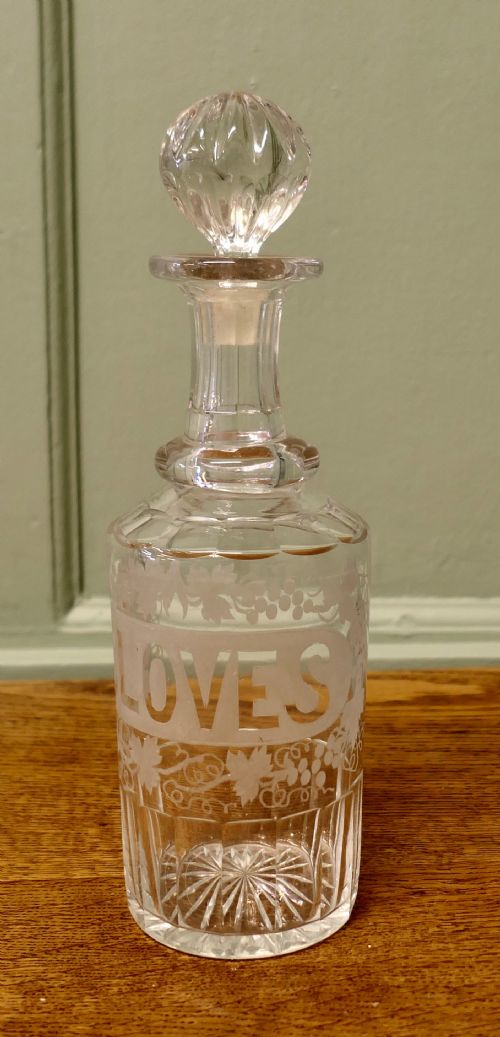
The versions most commonly met on this page include matching sets of six small vessels paired with decanters on trays, or individual cordial glasses featuring etched patterns and enamelling. They reflect European makers from Britain, France, and Bohemia who produced specialised glassware for digestifs.
Earlier Georgian examples with balustroid stems appear alongside twentieth-century Czech and continental productions. Each set illustrates how dining habits required specific small-capacity glassware for serving potent liqueurs after formal meals.
Materials and techniques
Makers shaped these vessels using lead crystal, clear glass, and coloured glass, frequently applying enamel paints and metallic mountings in brass, ormolu, or silver. Cut glass techniques created sharp facets that caught candle or gas light during evening gatherings.
Houses like Baccarat and Moser utilised hand-enamelling and deep wheel-cutting on heavy crystal blanks. Metal components such as silver collars, ormolu stands, and locking tantalus frames required precision metalworking to secure fragile glass vessels within wooden cases of burr walnut or satinwood.
Antique Glass Liqueur Glasses Retail Price Guide 2026
Typical asking prices for glass liqueur glasses among the pieces listed under this phrase on Sellingantiques today, from the lower quarter to the upper quarter. They describe what is for sale here now, not the wider market.
Some nineteenth-century tantalus sets required locking mechanisms to protect the brandy from thirsty but dishonest household staff.
Judging execution
Quality rests in the crispness of the glass cutting, the weight of the crystal, and the precision of any hand-applied enamel work or precious metal mounts. Finer examples exhibit perfectly balanced stems, clear ringing tones, and unclouded glass free from heavy mould seams.
The distinction between standard production and exceptional work lies in the artistry of the decorative surface and the integrity of accompanying trays, boxes, and complete matching sets. Maker attribution to notable workshops often elevates the standing of a service.
Baccarat·Rene Lalique·Elkington·Theresienthal·Moser·Salviati·Karl Palda·Aleksandr Timofeyevich Shevyakov
The Antique Glass Liqueur Glasses Glossary
- Tantalus
- A locked wooden frame holding decanters that displays the contents while preventing unauthorized access without a key.
- Cave a Liqueur
- A portable French fitted box containing a set of liqueur glasses and matching decanters, often lined with velvet or satin.
- Lead crystal
- Glass containing heavy metal oxide that increases weight, refractive index, and clarity.
- Balustroid
- A stem form derived from architectural balusters, typical on eighteenth-century drinking vessels.
- Enamel
- Opaque vitreous material fused to the glass surface through firing for decoration.
Antique Glass Liqueur Glasses: Frequently Asked Questions
What are liqueur glasses used for?
These small vessels were designed for serving concentrated after-dinner spirits and cordials in modest quantities.
Their restricted capacity matched the strong alcoholic content of digestifs served at the conclusion of a formal meal.
How do you store antique glassware sets?
Keeping complete sets secure often involves dedicated wooden tantalus boxes or fitted presentation cases originally made for the glassware.
Displaying them away from direct sunlight and edge-to-edge crowding protects delicate rims and enamel decorations from accidental impact.
How can I tell Victorian glasses apart from Art Deco ones?
Victorian examples tend to feature ornate etching, heavy cutting, cranberry or coloured glass, and botanical motifs.
Art Deco pieces from the nineteen-thirties favour geometric lines, stylised figures, and Czech or continental modernist colour palettes.
Are these glasses safe to use today?
Hand washing in warm water preserves the fragile lead crystal, enamel work, and silver mountings found on antique specimens.
Avoiding dishwashers and sudden temperature changes ensures the historical glass remains stable for occasional modern use.