
Antique Glass Door Cupboard
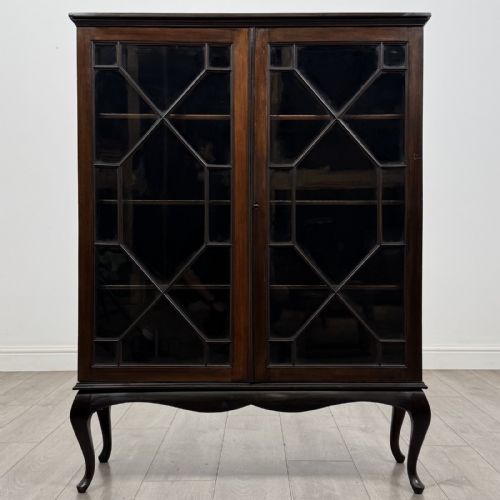
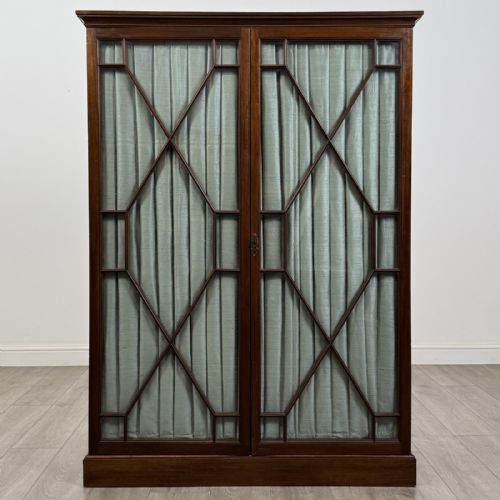
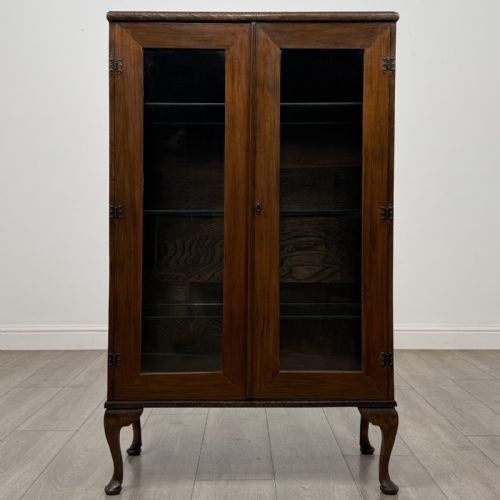
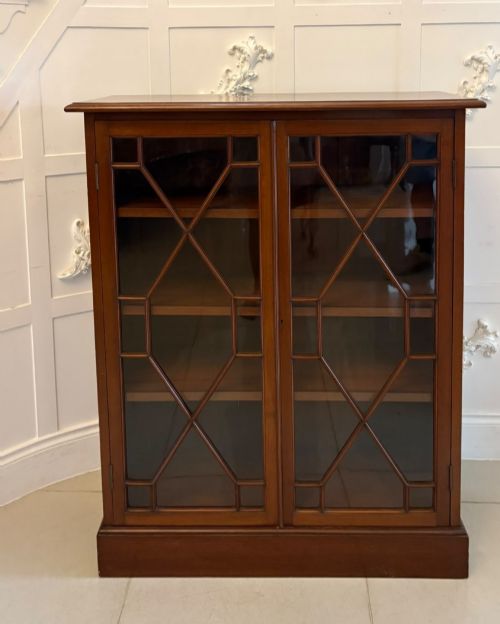
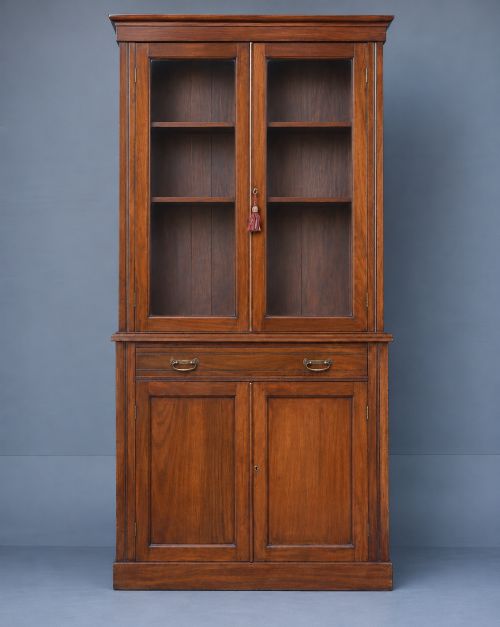
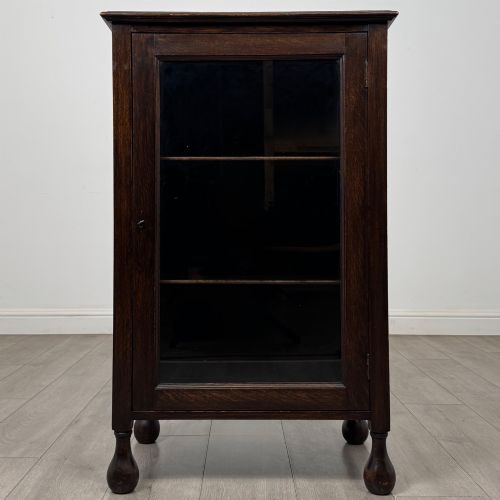
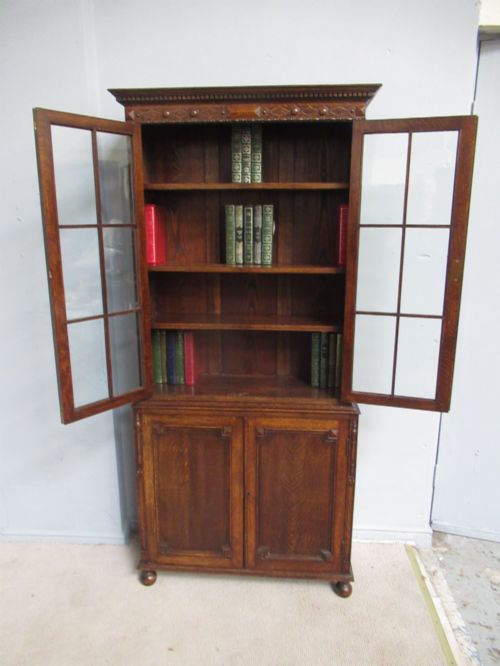
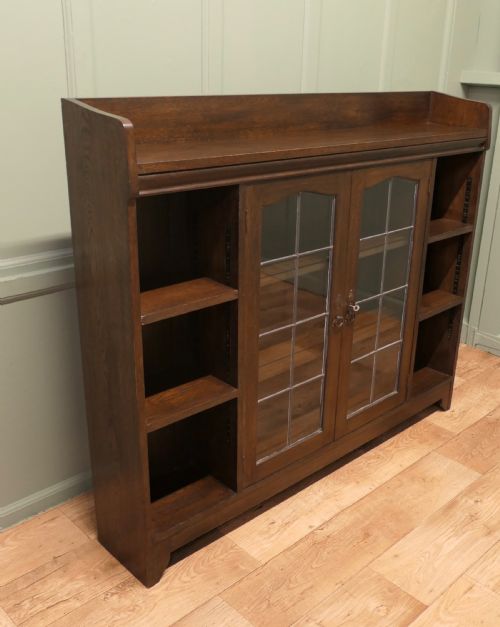
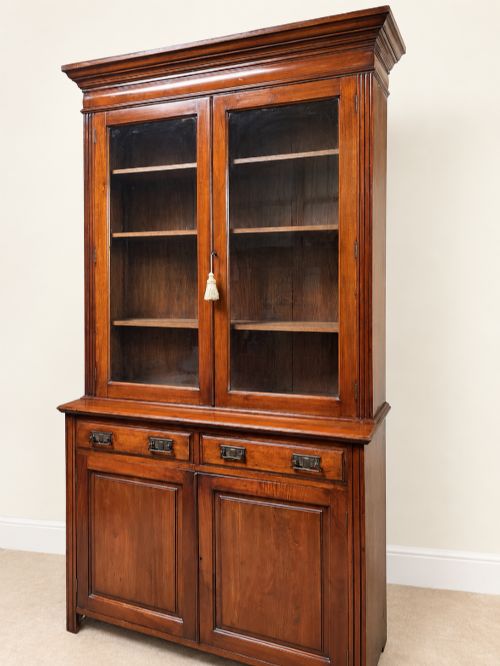
An antique glass door cupboard holds books and display items behind timber and glass, bringing period storage into a room.
Antique Glass Door Cupboard
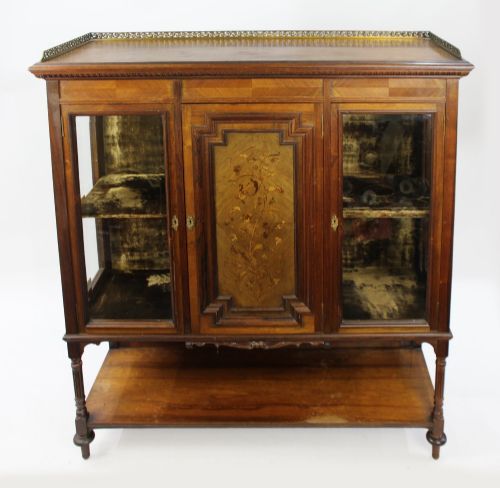
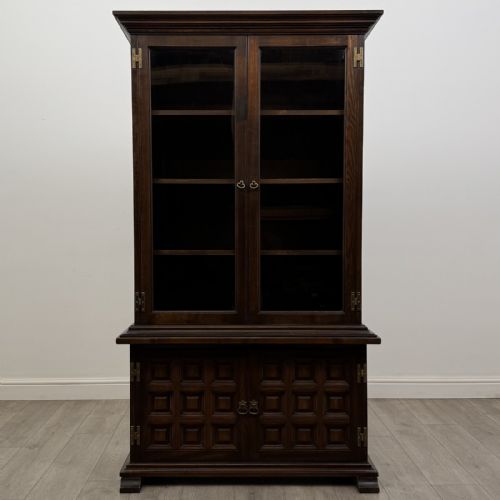
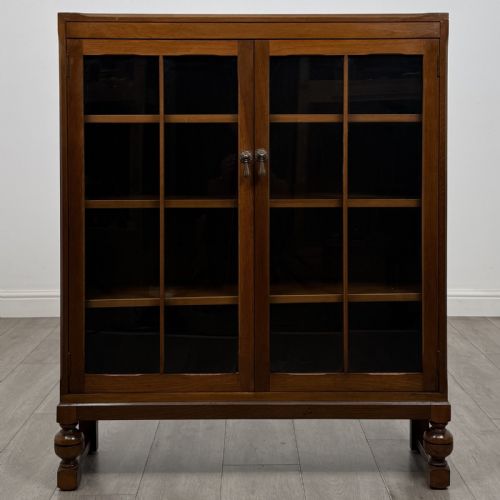
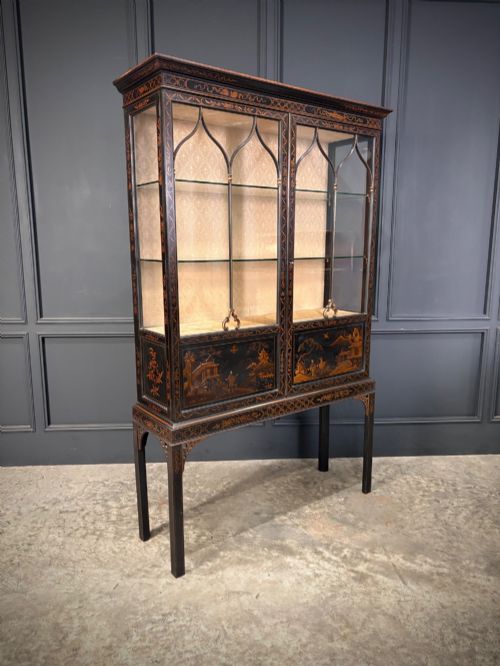
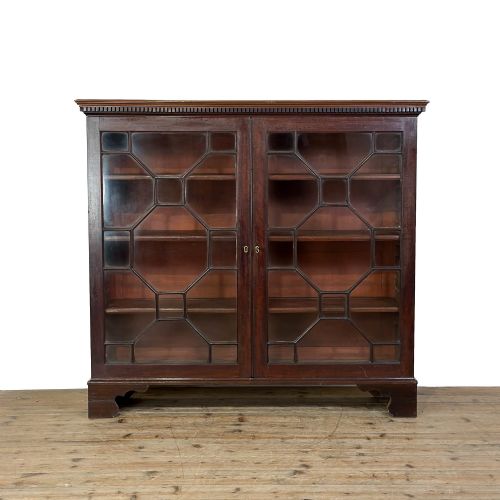
An antique glass door cupboard combines timber construction with glazed panels to protect and display contents, ranging from compact pier cabinets to large library bookcases and dressers. These pieces frequently appear in nineteenth century and Edwardian forms, spanning styles from Victorian mahogany and walnut to Scottish and English country pine and oak.
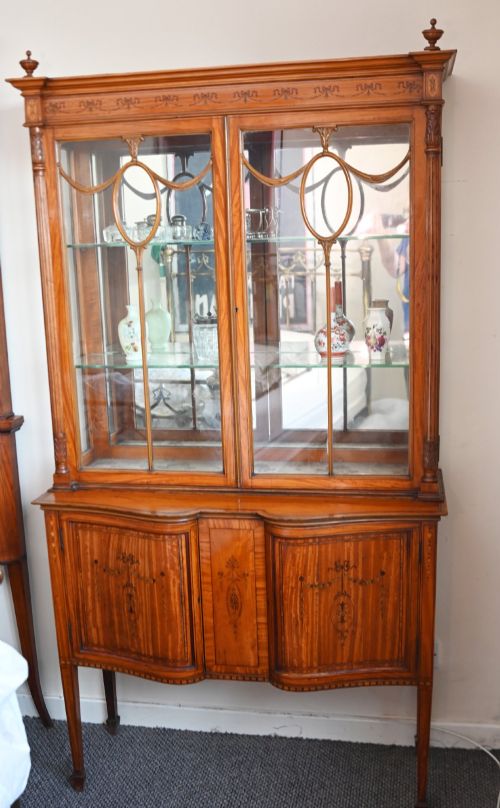
The layout typically pairs glazed upper doors or front panels with lower wooden cupboards or drawers, though slim corner cupboards and single-door pier cabinets also feature in the listings. Walnut, mahogany, oak and pine provide the primary structural carcasses, complemented by satinwood and brass details.
How they were made
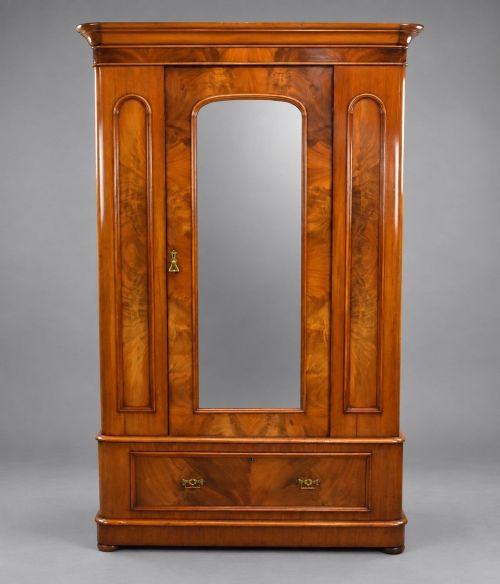
Makers constructed these cupboards using solid timbers and decorative veneers such as figured mahogany, burr walnut and satinwood over sturdy carcases of oak or pine. Glass panels were glazed into wooden frames to form doors for display cabinets, bookcases and kitchen dressers.
Joinery techniques included mortise and tenon framing for doors and shelving, alongside brass hardware fittings for hinges and locks. Surfaces received polished finishes, wax treatments or paint depending on whether the piece originated as a formal parlour cabinet or a country kitchen storage unit.
Some pine cupboards arrive ready for a fresh coat of paint, inviting a custom colour scheme in the kitchen.
What varies in quality
The grade of timber and veneer selection sets pieces apart, with highly figured burr walnut, matched mahogany grains and delicate satinwood inlay representing finer cabinet-making. Simpler pine and oak examples rely on honest vernacular proportions and practical utility rather than ornate decorative veneers.
Construction detail determines structural integrity, visible in the precision of the glazed door frames, the quality of brass mounts and the integration of fitted interior shelving. Retaining original glass panes and functioning brass locks distinguishes well-preserved examples from altered pieces.
Edwards and Roberts·Wylie and Lochhead
The Antique Glass Door Cupboard Glossary
- Pier cabinet
- A low freestanding display cabinet designed to fit against the narrow wall space between windows.
- Vitrine
- A glass-fronted display cabinet used specifically for showcasing delicate objects and porcelain.
- Glazed
- Fitted with glass panels within the doors or sides to allow visibility of the interior contents.
- Inlay
- A decorative technique inserting contrasting woods or materials into the primary timber surface.
- Cornice
- The moulded horizontal projection crowning the top of a tall bookcase or cupboard.
Antique Glass Door Cupboard: Frequently Asked Questions
What rooms suit an antique glass door cupboard?
These cupboards suit living rooms, studies and dining spaces where books or decorative collections benefit from dust-protected display.
Smaller pier cabinets and corner cupboards fit narrow walls or corners, while larger bookcases and dressers anchor principal rooms.
How do I tell Victorian from Edwardian pieces?
Victorian examples often employ rich mahogany and figured walnut with deeper tones and substantial classical mouldings.
Edwardian pieces frequently utilise satinwood inlay, lighter timbers and airier proportions drawing on Sheraton or Jacobean revival styles.
Were these cupboards used only for books?
Bookcases served libraries and studies, but many glazed cabinets housed porcelain, silver and glassware in formal parlours.
Kitchen dressers combined glazed upper shelving with lower cupboards for everyday tableware and provisions.
How do pine cupboards differ from walnut ones?
Pine cupboards usually reflect English or Scottish country vernacular traditions, often finished with wax or paint for domestic utility.
Walnut and mahogany versions represent formal urban cabinet-making featuring refined veneers and decorative brass mounts.