




Antique Glass Castor
These antique glass castor items encompass table wares and fitted vessels from the Georgian, Regency, and Victorian periods.
Antique Glass Castor
When you search for an antique glass castor, you are looking at utilitarian table vessels designed for dispensing sugar or spices onto food. The selection spans George III, Regency, Edwardian, and Victorian eras, alongside related cruet sets and preserve dishes.
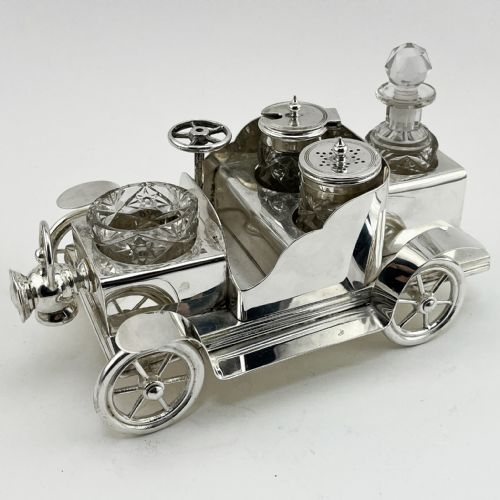
You are most likely to meet silver-plated and glass cruet set components on this page rather than standalone individual castors. The forms range from simple glass containers to multi-bottle silver-plated frames holding fitted glass vessels.
How they were made
The pieces combine moulded or cut glass containers with fitted silver-plated mounts, brass hardware, and occasional pewter or mahogany elements. Glass portions display period cutting techniques to catch the light on the dining table.
Metal frames incorporate silver plating over base metal, utilising traditional workshop methods from the nineteenth and early twentieth centuries to secure the glass bottles.
Antique Glass Castor Retail Price Guide 2026
Typical asking prices for glass castor among the pieces listed under this phrase on Sellingantiques today, from the lower quarter to the upper quarter. They describe what is for sale here now, not the wider market.
The listings on this site span periods from the Georgian era through to the Edwardian period, utilising glass, silver plate, and mahogany.
What varies in quality
Quality rests in the weight of the glass, the crispness of the cutting, and the heft of the metal framework. Superior examples display thicker, heavier metal plating and well-balanced frames that hold their glass vessels securely without wobble.
The finesse of the pierced metalwork on the lids and the clarity of the glass separate utilitarian daily wares from more decorative dining table accessories.
The Antique Glass Castor Glossary
- Castor
- A small perforated jar used for sprinkling sugar or spices over food. These vessels typically feature pierced metal tops.
- Cruet set
- A fitted frame holding multiple bottles or jars for condiments such as oil, vinegar, pepper, and mustard. They sit at the centre of the dining table.
- Silver plate
- A thin layer of silver fused to a base metal such as copper or Britannia metal. This technique provided the appearance of solid silver at a lower cost.
- Cranberry glass
- A type of transparent pinkish-red glass coloured by the addition of gold chloride. It gained popularity during the Victorian period for tableware and decorative items.
Antique Glass Castor: Frequently Asked Questions
What is an antique glass castor used for?
These vessels served at the dining table for dispensing fine sugar, salt, or dried spices onto food.
They stood alongside cruet frames and pepper pots during formal meals in the Georgian and Victorian periods.
How do I clean antique silver plate?
Use a soft cloth and a gentle silver polish specifically formulated for plated items.
Avoid harsh abrasive cleaners that can wear away the thin layer of silver exposing the base metal underneath.
How can I tell the period of a glass castor?
Examine the style of the metal mounts, the weight of the glass, and the manufacturing marks.
Georgian and Regency items tend to feature hand-cut crystal and heavier frames, while Edwardian pieces often utilise lighter stamped silver plate.
Can I use these items daily?
Many of these pieces remain robust enough for gentle everyday use on the modern dining table.
Hand washing is essential to preserve the delicate silver plating and older glass components.