
Antique Glass Burner Lamp
An antique glass burner lamp brings steady illumination and tactile weight to a room, drawing the eye with tinted fonts and polished metal columns.
Antique Glass Burner Lamp
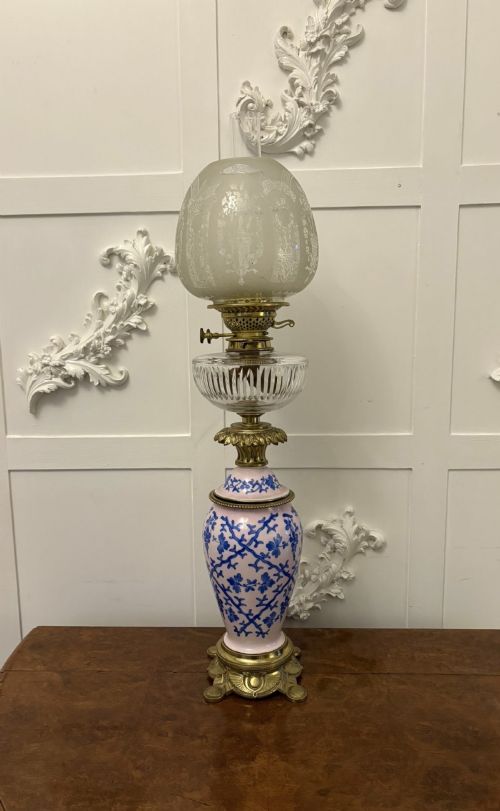
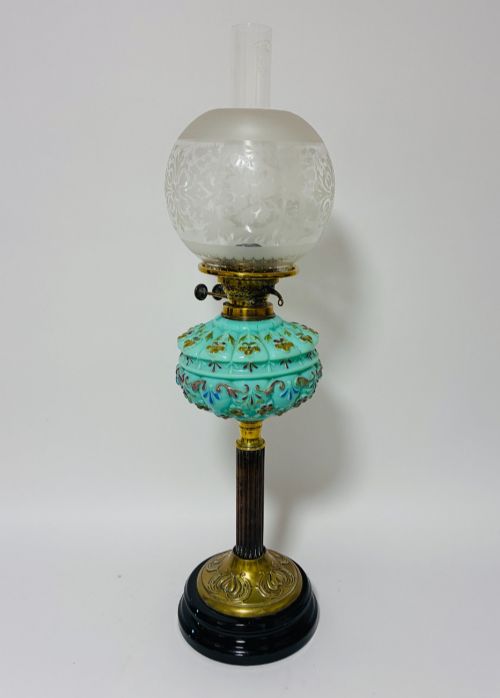
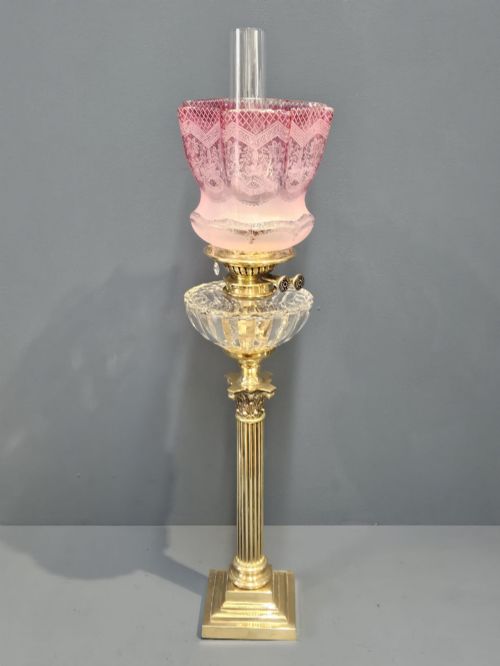
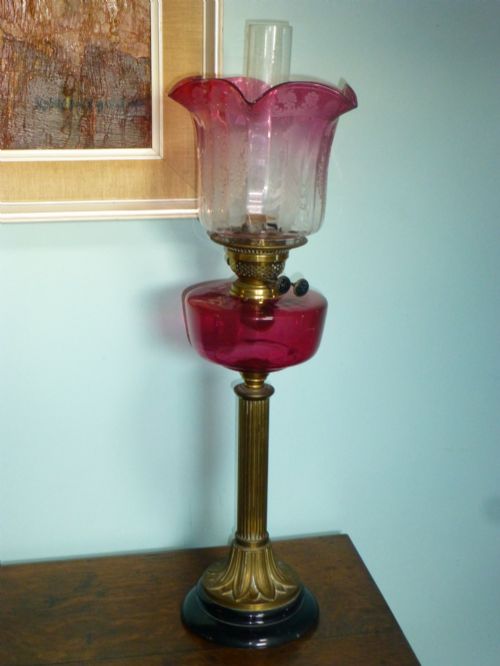
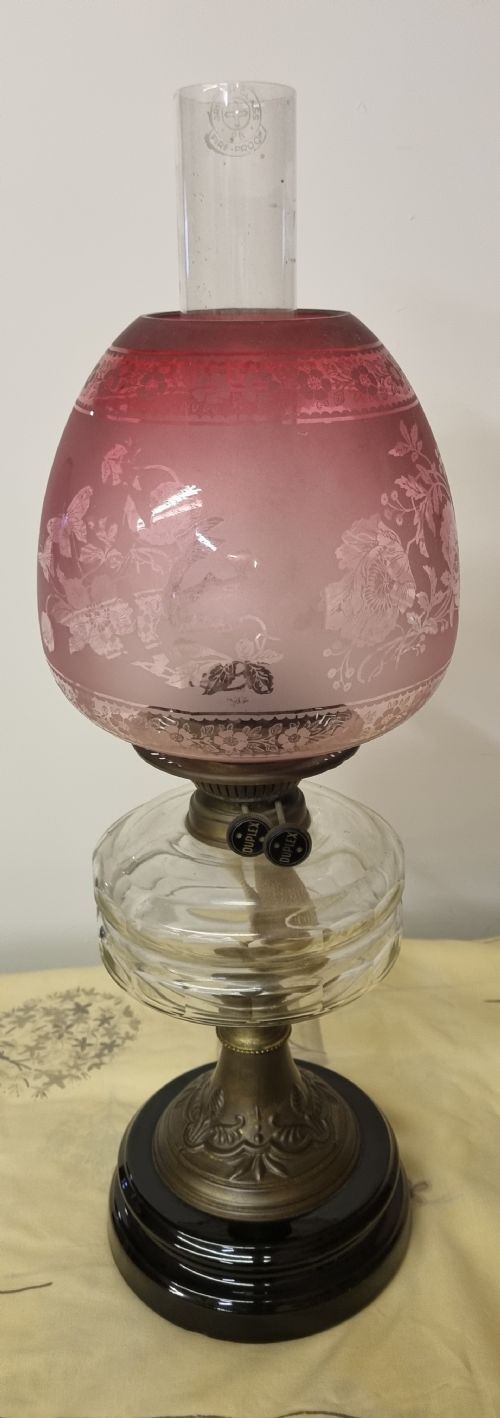
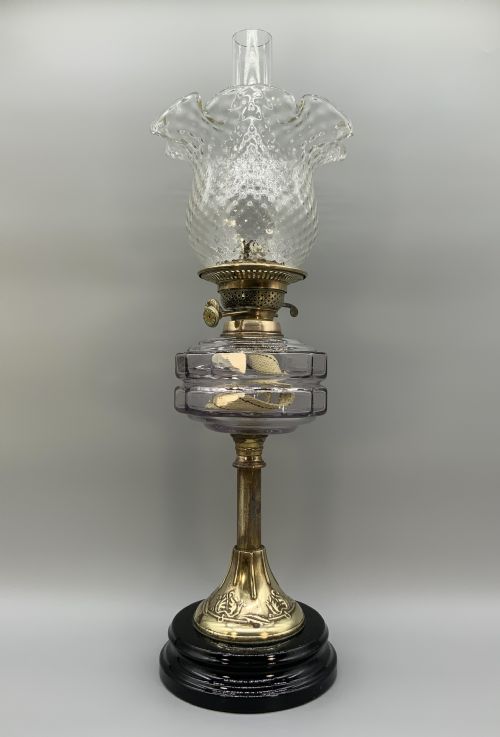
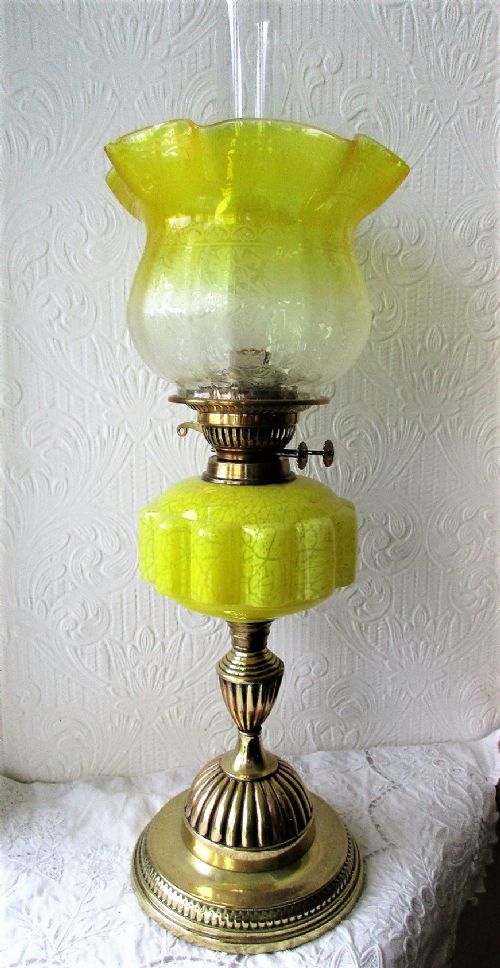
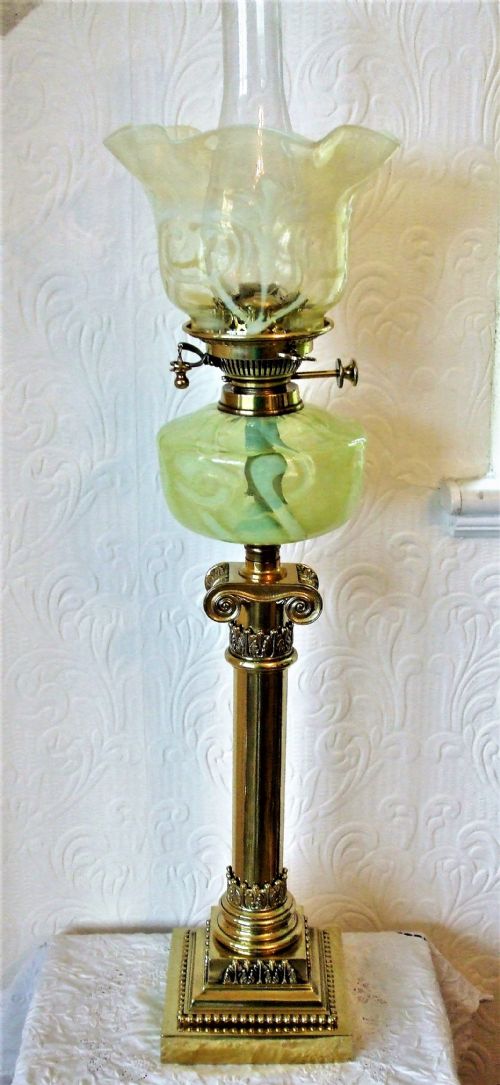
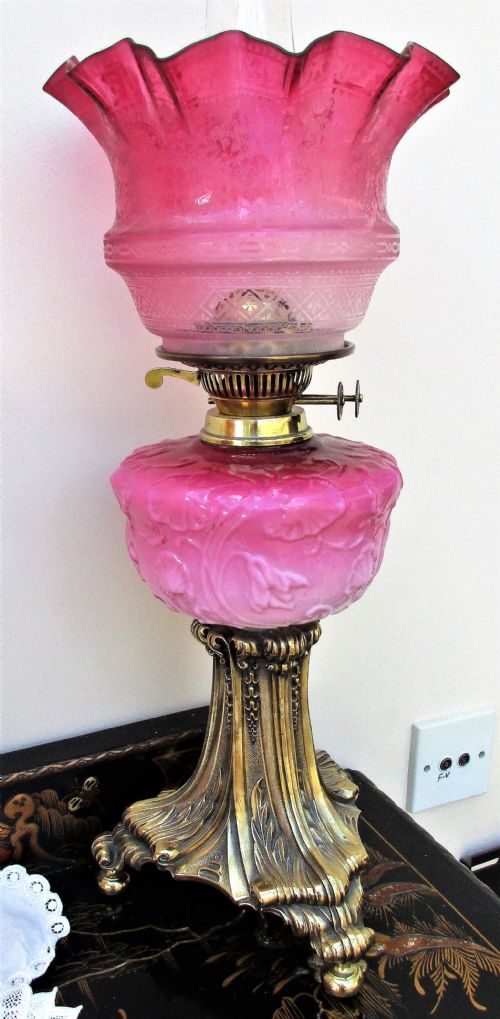
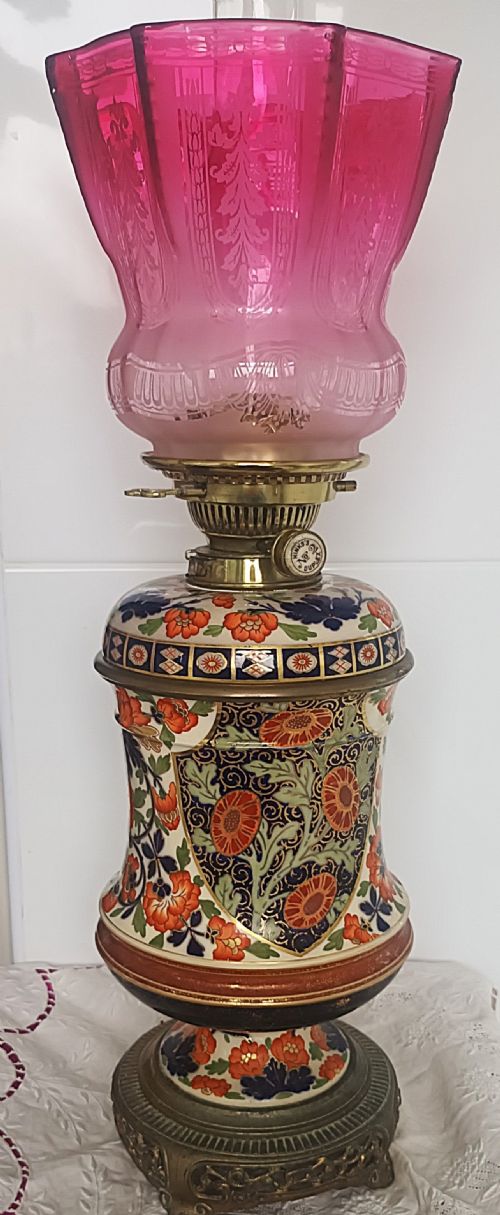
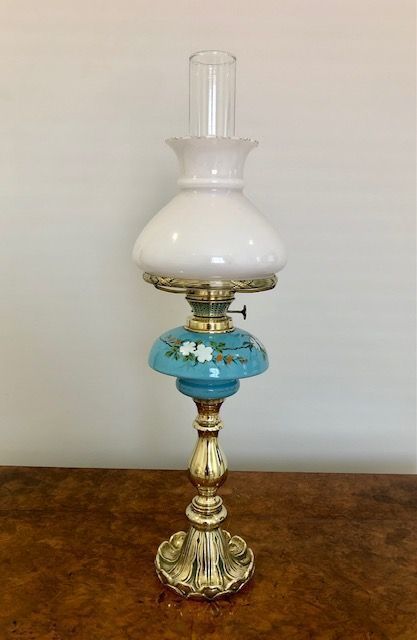
These items are period domestic lighting instruments designed to burn paraffin or oil, combining a fuel reservoir with a functional metal mechanism and a decorative shade. You are most likely to encounter Victorian and Edwardian examples featuring brass or ceramic bases paired with clear, cranberry, or opaline glass fonts.
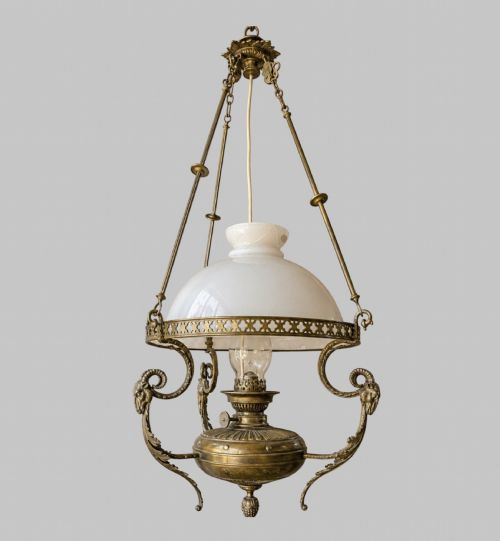
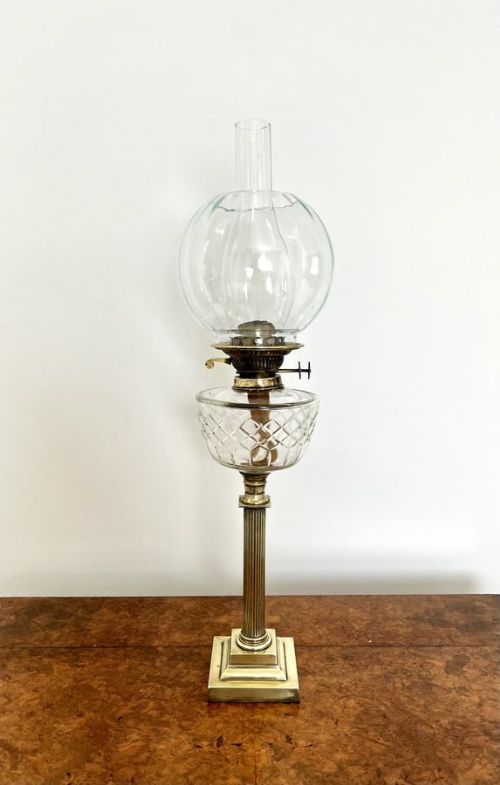
The surviving selection spans simple table models to grand Corinthian column standards and hanging paraffin lamps. Production stretches from the eighteenth century through the nineteenth century and into the early twentieth century, showing shifts from plain utilitarian forms to elaborate coloured glass designs.
Materials and construction
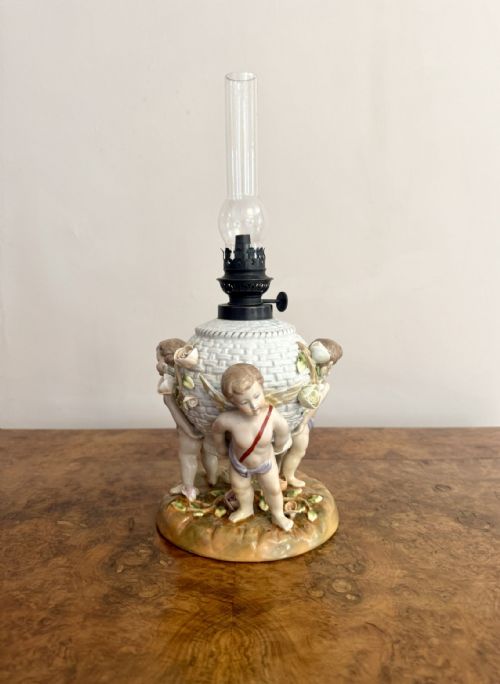
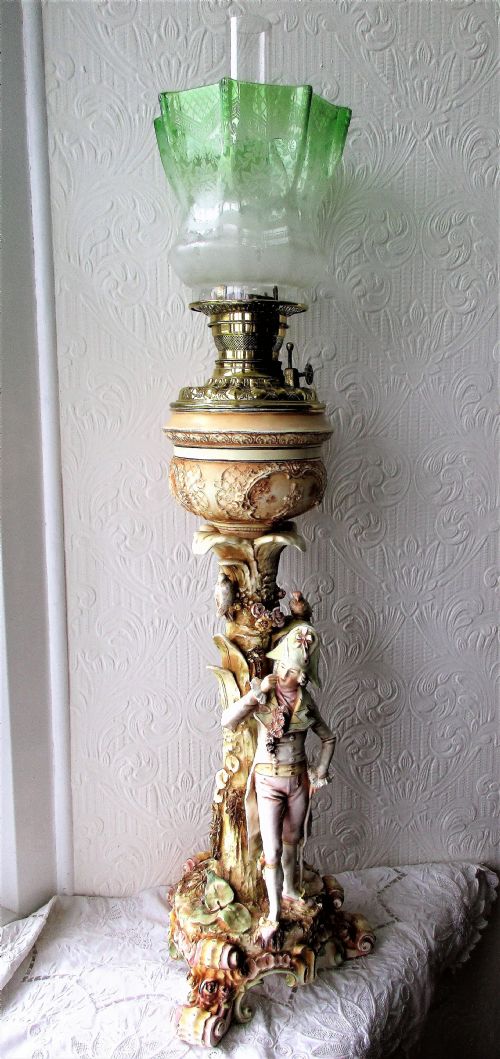
Makers combined heavy cast brass, copper, or silver plating for the structural columns and bases with blown, moulded, or cut glass for the fuel reservoirs and shades. Many lamps also incorporate ceramic or porcelain sections, sometimes decorated with hand-painted botanical motifs or gilt details.
Specialised burner assemblies, notably those by Hinks, were fitted to the metal collars to regulate the flame efficiently. Hand-blown glass shades, including frosted, etched, and layered cranberry or satin glass varieties, completed the upper structure.
Some nineteenth-century models doubled as pulpit heaters, keeping sermons warm and congregants awake.
Judging the range
Merit rests upon the substance of the materials and the crispness of the casting in the metal columns and burner components. Finer examples display heavy lead crystal or rich cranberry glass fonts coupled with substantial brass or porcelain pedestals rather than thin press-moulded substitutes.
Proportion and decorative ambition separate standard items from superior pieces, such as telescopic stands, figural porcelain bases, or finely etched and hand-blown shades. The integration of named burner mechanisms alongside undamaged coloured glass elevates a piece.
Hinks·Taylor Tunnicliff·Sitzendorf
The Antique Glass Burner Lamp Glossary
- Font
- The oil or paraffin reservoir of the lamp, typically formed from coloured, cut, or clear glass.
- Corinthian column
- A classical architectural column style frequently utilised for the tall brass stems of Victorian table lamps.
- Duplex burner
- A double-wick burner mechanism designed to produce a brighter, wider flame than single-wick variants.
- Opaline glass
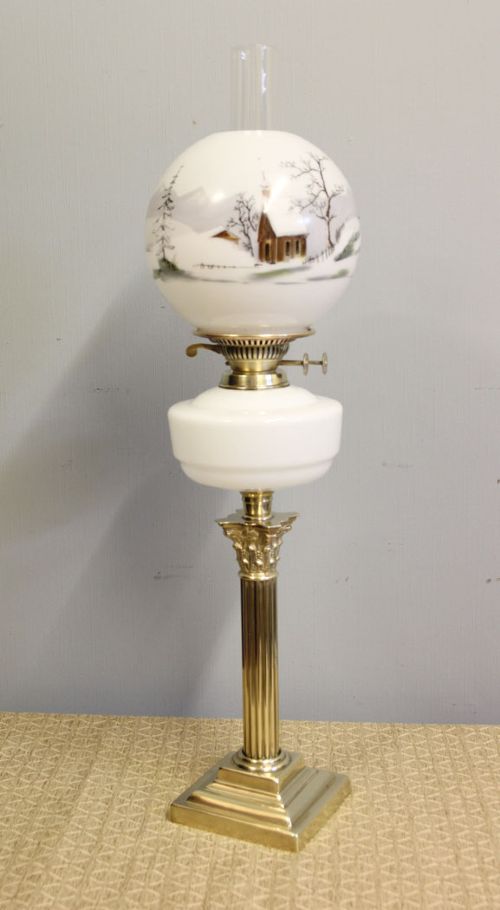
- An opaque, milky-white glass popular for Victorian and Edwardian lamp shades and vases.
Antique Glass Burner Lamp: Frequently Asked Questions
How do these lamps work?
They draw paraffin or lamp oil up through a fabric wick via a metal burner assembly, where the flame is controlled by an exterior thumbwheel. A glass chimney sits over the flame to steady the draft and protect the surrounding air.
Above the chimney, a larger decorative shade diffuses the light outward into the room. Extinguishing the flame involves turning the wheel down until the wick drops below the metal gallery.
Can I convert one for electricity?
Many people choose to wire these lamps for modern electric lighting to use them safely as everyday table lamps. This conversion usually routes the electrical cord discreetly through the central column without altering the exterior period appearance.
Retaining the original burner parts alongside the wired fitting preserves the historical integrity of the metalwork. Professional rewiring ensures the older brass or ceramic components remain secure.
How do I date an oil lamp?
Dating relies on examining the combination of materials, burner patents, and stylistic influences present in the base and shade. Victorian examples often feature heavy brass Corinthian columns or rich cranberry glass, whereas Edwardian pieces lean toward softer opaline shades.
Markings stamped onto the metal burner knobs or collars frequently reveal patent dates or manufacturer names. Structural clues like hand-blown glass irregularities also point toward earlier nineteenth-century production.
Where should I place a glass burner lamp?
These lamps suit heavy wooden sideboards, entrance consoles, or reading tables where their height and coloured glass can catch ambient daylight. Placing them away from active traffic areas protects delicate glass shades and tall chimneys from accidental knocks.
They function effectively as focal points in period-styled rooms, adding warmth through brass reflections and tinted glass. The substantial weight of the metal and glass bases provides steady placement on flat surfaces.