






Antique Glass Bucket
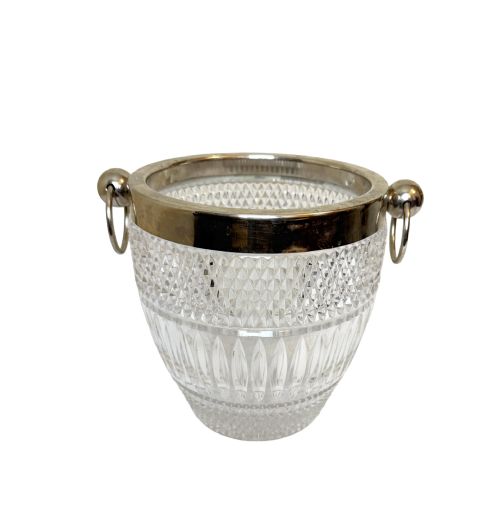
An antique glass bucket is a heavy-duty vessel designed for chilling wine, champagne or serving ice, combining utility with decorative presence.
Antique Glass Bucket
When people search for an antique glass bucket, they encounter vessels spanning from the eighteenth century through the mid-twentieth century, including Georgian rummers, Regency coolers, and Art Deco champagne buckets.
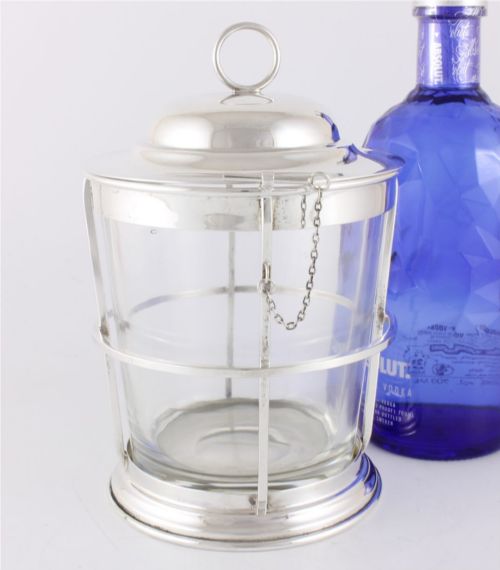
The most common examples on this page pair thick lead glass or cut crystal bodies with silver-plated mounts, swing handles, or brass fittings.
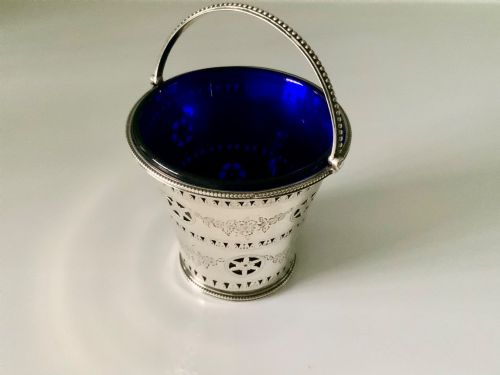
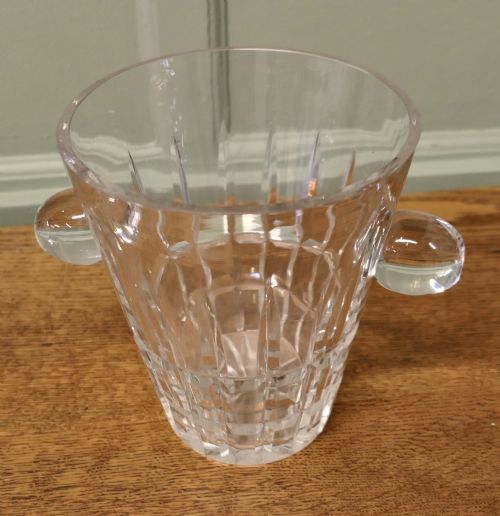
Forms range from personal champagne coolers and ice pails to table vessels with cobalt liners and cut crystal bodies intended for domestic hospitality.
Materials and construction
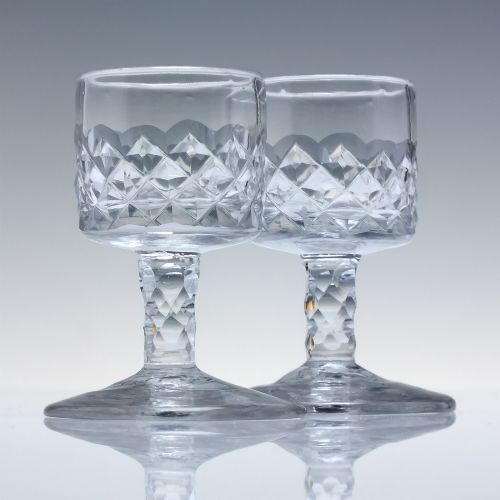
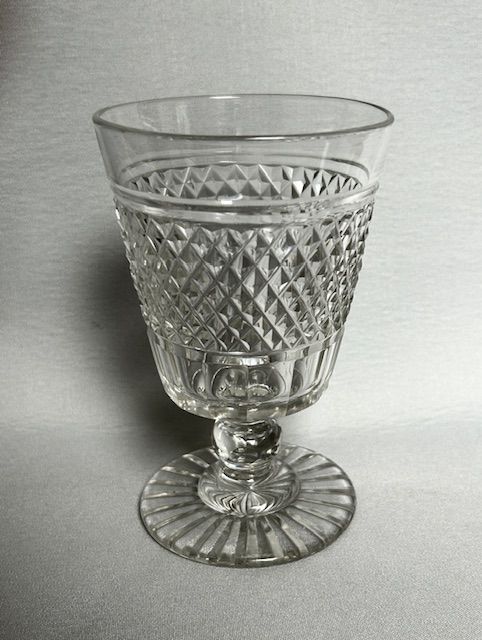
Makers utilised heavy lead crystal and glass, often shaping them through hand blowing and deep wheel cutting to create hobnail patterns, flutes, and geometric facets that catch the light.
Metalwork components such as silver plate, brass, and gilt bronze provide structural mounts, rims, handles, and accompanying hardware that secure the glass bodies.
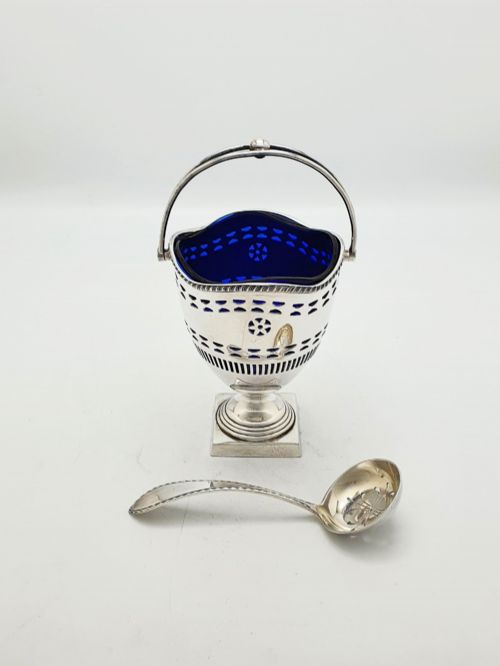
Combinations of cobalt glass liners paired with pierced silver-plated baskets demonstrate specialised assembly techniques used during the nineteenth and early twentieth centuries.
Antique Glass Bucket Retail Price Guide 2026
Typical asking prices for glass bucket among the pieces listed under this phrase on Sellingantiques today, from the lower quarter to the upper quarter. They describe what is for sale here now, not the wider market.
The listings on this page span several periods, featuring materials such as cut crystal, silver plate, brass, and cobalt glass in forms ranging from ice buckets to sugar baskets.
Judgments of quality
The calibre of a piece rests upon the crispness of the glass cutting and the weight of the metal mounts, where deep wheel work and heavy lead crystal indicate superior fabrication.
Proportion and clarity dictate distinction, as clear metal-free glass and balanced silver-plate mounts elevate certain vessels above standard production items.
PH Vogel·Aldridge and Green
The Antique Glass Bucket Glossary
- Lead crystal
- Glass containing metal oxides that increase brilliance and weight, allowing for deep, sharp facets.
- Silver plate
- A layer of silver fused to a base metal, frequently utilised for handles, rims, and mounting hardware.
- Cobalt glass
- Deep blue glass often used for liners inside pierced sugar baskets or condiment holders.
- Hobnail cut
- A raised, faceted pattern cut into the surface of glassware, common on Regency and Georgian rummers.
- Monteith
- A traditional vessel with a scalloped rim, historically used for chilling glassware.
Antique Glass Bucket: Frequently Asked Questions
What were antique glass buckets used for?
These vessels were employed primarily for chilling wine and champagne at the dining table or holding ice for spirits and domestic service.
Secondary uses included serving sugar, biscuits, or caviar depending on the specific scale and fitted liners of the object.
How do I date an antique glass bucket?
Dating relies on stylistic markers such as Regency hobnail cutting, Art Deco geometric proportions, or Edwardian silver mounts combined with the weight of the glass.
Factory marks, engraved signatures, and the thickness of the silver plating also provide chronological evidence for specific pieces.
Are these buckets suitable for regular use?
Sturdy lead crystal and heavy silver plate allow these vessels to function for serving ice or chilling bottles during modern entertaining.
Careful handling protects delicate cut facets and preserves nineteenth-century silver-plated surfaces from unnecessary wear.
What is the difference between an ice pail and a champagne cooler?
Champagne coolers generally feature larger capacities and wider proportions designed to accommodate wine bottles submerged in ice and water.
Ice pails tend to be more compact, often including swing handles and matching tongs for transferring ice cubes to glasses.