

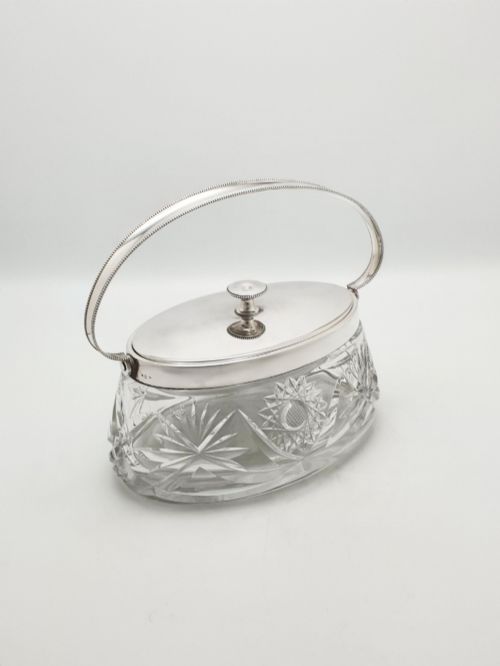


Antique Glass Barrel
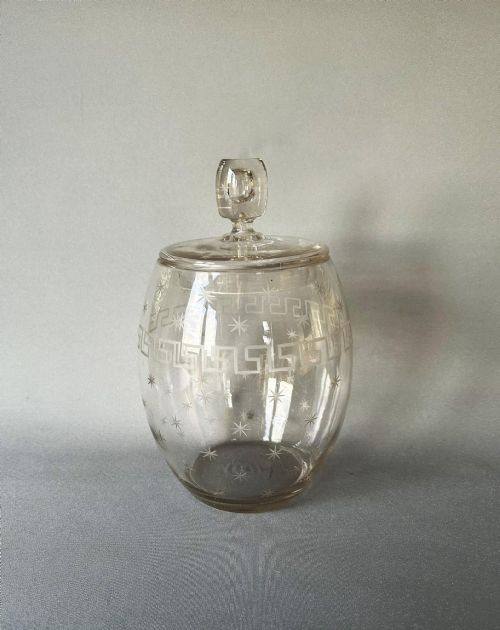
An antique glass barrel serves as a practical centrepiece on the dining table, holding biscuits or spirits while catching the light.
Antique Glass Barrel
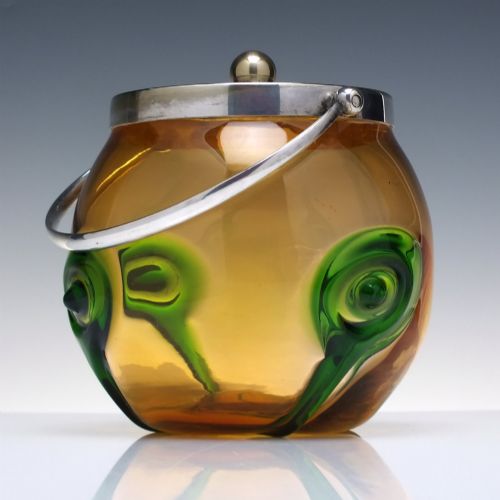
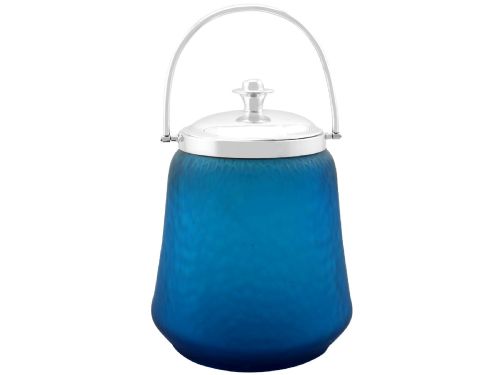
When you search for an antique glass barrel, you encounter vessels primarily designed as biscuit jars, spirit dispensers or table lamps originating from the Victorian and Edwardian eras. These domestic pieces combine cylindrical or rounded glass bodies with metal fittings, often resting on matching stands or featuring hinged lids.
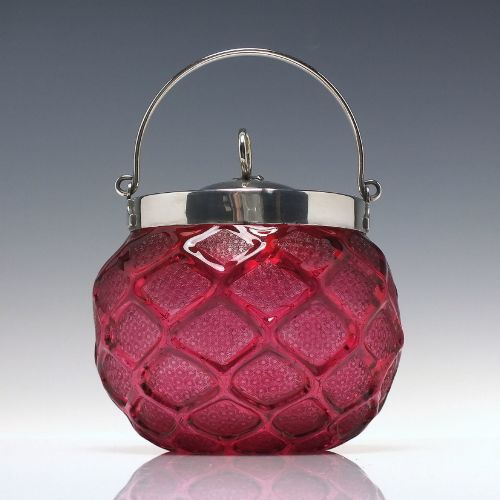
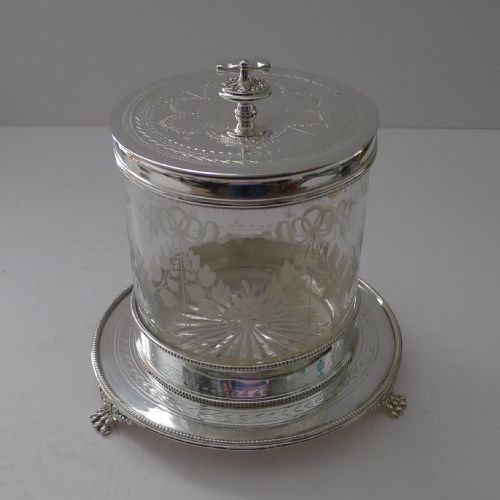
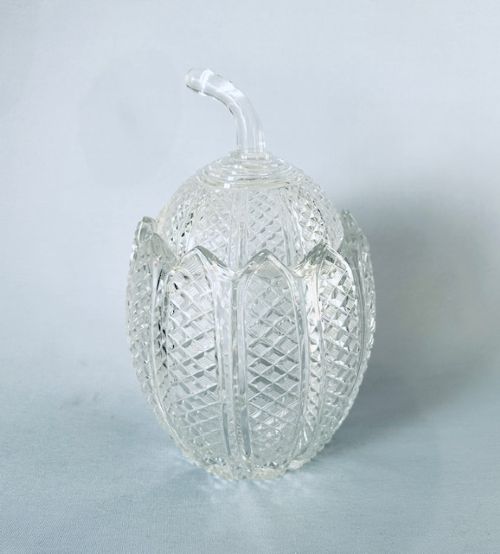
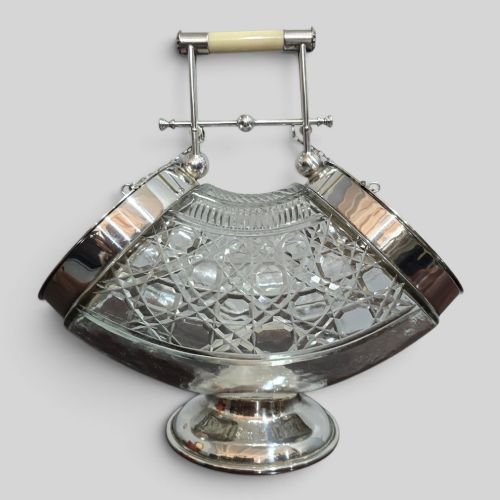
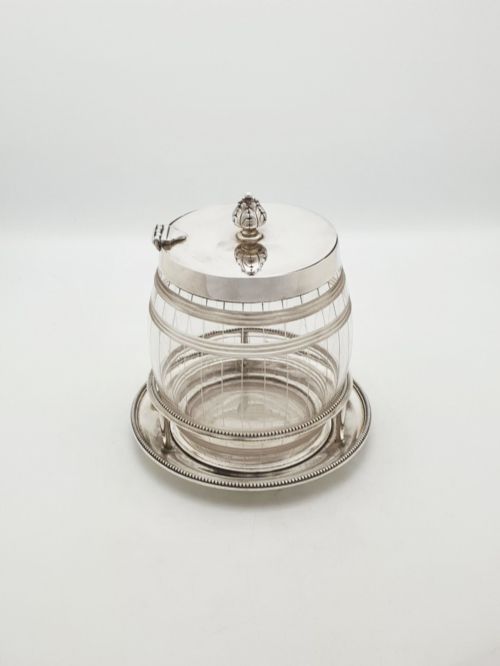
The most frequent form on this page is the biscuit barrel, rendered in clear cut glass or rich cranberry glass and paired with silver-plated mounts. Alongside these sit spirit dispensers and occasional novelty shapes, reflecting the heavy hospitality demands of nineteenth and early twentieth-century dining.
Materials and construction
Makers shaped the heavy glass bodies using mould-blowing and hand-cutting techniques, producing deep hobnail patterns, prism facets and threaded surfaces that refract light. Enamel decoration and applied gold leaf frequently adorn the exterior glass walls of Victorian and Edwardian examples.
Metal components utilise silver plate, sterling silver, brass and gilt bronze to form swing handles, rims, lids and stands. Elkington, Walker and Hall, and James Dixon and Sons applied these mounts securely to glass bodies, sometimes incorporating locking mechanisms or heraldic finials.
Antique Glass Barrel Retail Price Guide 2026
Typical asking prices for glass barrel among the pieces listed under this phrase on Sellingantiques today, from the lower quarter to the upper quarter. They describe what is for sale here now, not the wider market.
Heraldic dragons peer from silver-plated lids, guarding tea-time biscuits with fierce Victorian theatricality.
Distinctions in craftsmanship
Quality rests heavily on the depth and crispness of the glass cutting, where sharp, clean facets demonstrate superior hand-polishing compared to softer, mould-rounded impressions. The weight of the lead crystal and the clarity of the glass also separate standard domestic wares from exceptional commissions.
The gauge and execution of the metal mounts dictate the overall standard, distinguishing sturdy silver-plated or sterling silver hardware from thin, utilitarian plating. Original stands, functioning hinged lids, and intact enamel or gilt details elevate the integrity of the piece.
Elkington·Walker and Hall·James Dixon and Sons·WMF
The Antique Glass Barrel Glossary
- Biscuit barrel
- A covered ceramic or glass container used for storing dry biscuits on the dining table or sideboard. These jars typically feature a metal swing handle and a fitted lid.
- Cranberry glass
- A transparent pinkish-red glass coloured by the addition of gold chloride during manufacture. Popular in Victorian households, it frequently appears on decorative tablewares.
- Hobnail cut
- A raised, faceted surface pattern resembling the iron-headed nails once used on heavy boots. This technique maximises the refractive quality of thick glass.
- Silver plate
- A layer of silver fused to a base metal such as copper or Britannia metal. Many nineteenth-century domestic containers utilised this method to achieve the look of solid silver affordably.
- Spirit dispenser
- A glass vessel equipped with a tap or spigot for serving alcohol directly at the table or bar. They often sit on elevated stands to accommodate glasses underneath.
Antique Glass Barrel: Frequently Asked Questions
What were glass barrels used for?
Victorian households utilised these vessels primarily to serve biscuits and dry snacks during afternoon tea or formal dinners. Larger versions also functioned as spirit dispensers for gin, whisky and brandy on sideboards.
Beyond dining rooms, certain glass barrels served as table lamps or counter dispensers in commercial settings like public houses. Their robust construction suited daily handling by family members and domestic staff alike.
How do I date a glass barrel?
Examine the style of the metal mounts, the depth of the glass cutting, and any engraved hallmarks or maker stamps on the silver or plate. Victorian pieces often display heavier cast mounts and rich cranberry or deep cut glass.
Edwardian and early twentieth-century examples tend toward lighter silver-plated frameworks, simpler geometric cutting, or art deco influences. Registry marks or maker names stamped on the rim provide exact manufacturing years.
Can I use these for food today?
Glass and silver-plated barrels remain entirely functional for storing dry items like biscuits, provided the interior is washed clean. The inert nature of glass ensures food safety for modern use.
Avoid storing liquids in barrels with vintage metal spigots unless the internal seals and taps have been professionally checked for hygiene and leaks. Most owners today prefer using them as decorative display items or dry storage.