


Antique Glass Ball
These antique glass ball pieces, spanning from silver salts to large witches balls, bring distinctive spherical forms and reflective charm to any interior.
Antique Glass Ball
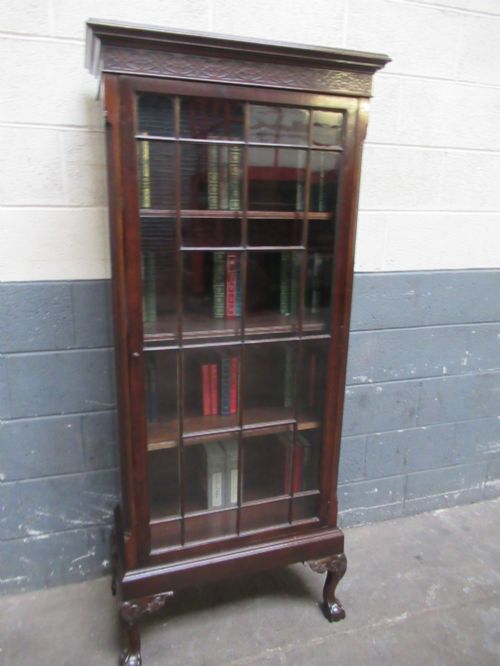
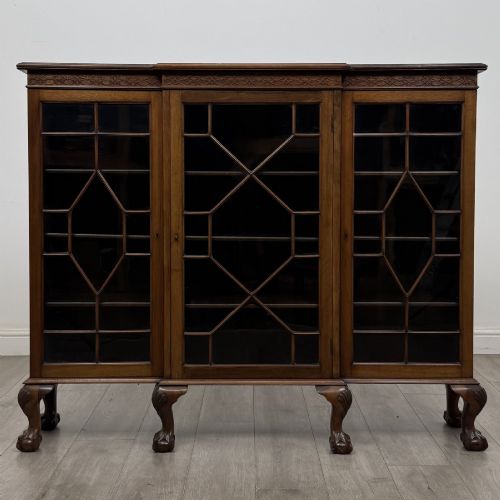
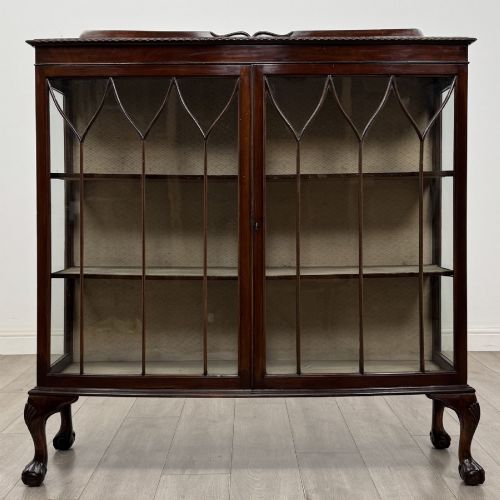
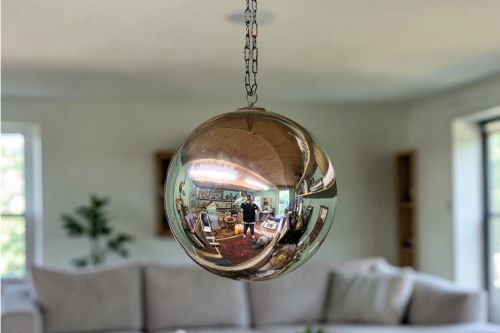
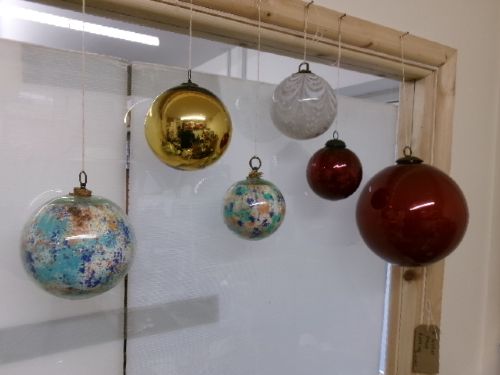
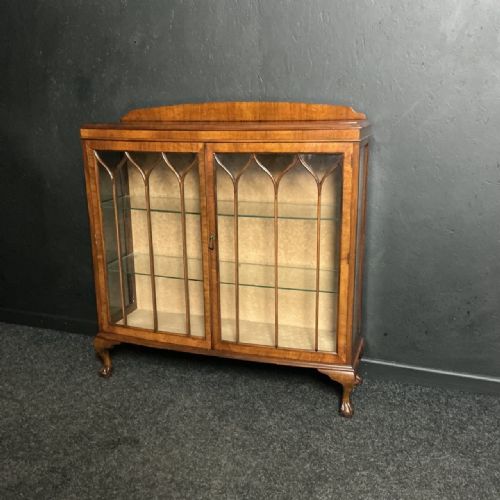
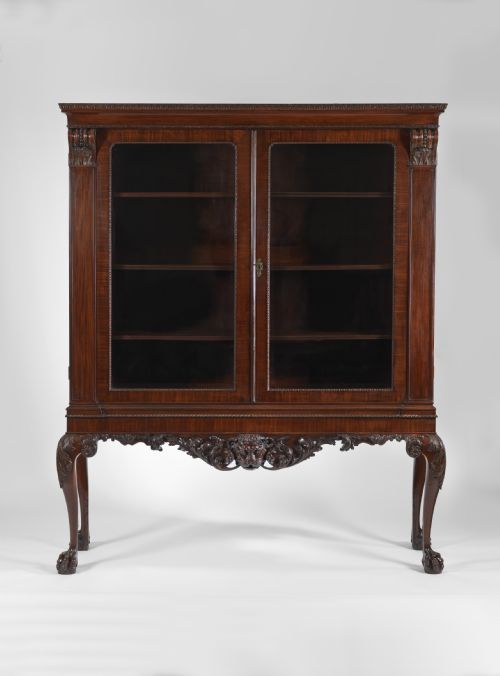
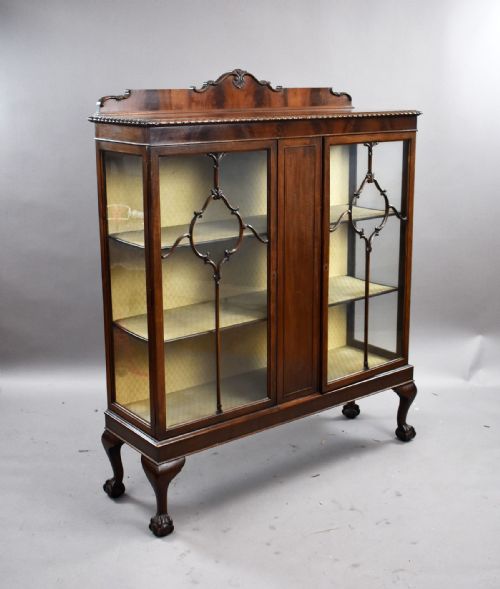
When you search for antique glass ball, you encounter spherical items and furniture details originating across the eighteenth, nineteenth, and early twentieth centuries. The selection ranges from mercury glass kugels and decorative witches balls to furnishings supported by carved claw and ball feet.
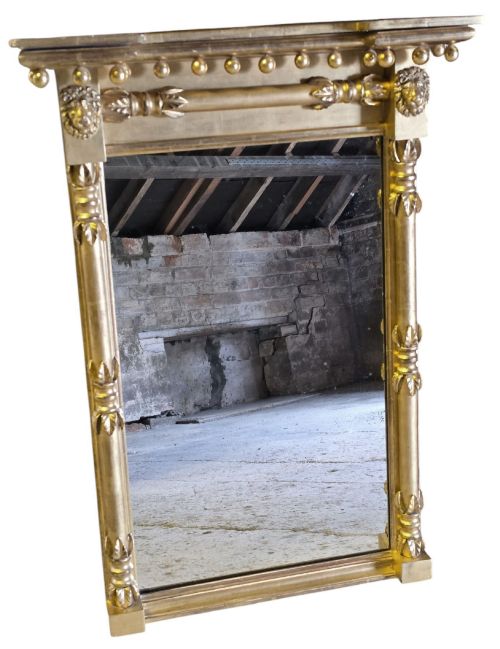
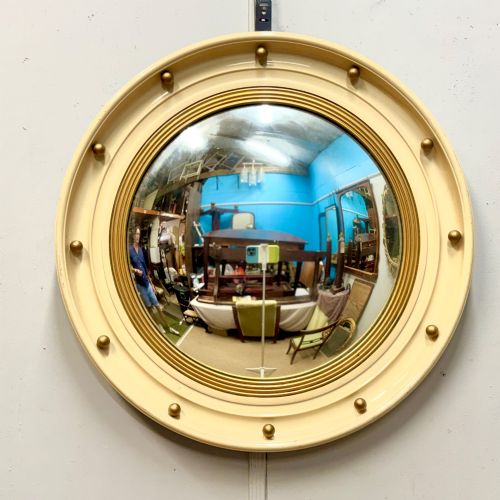
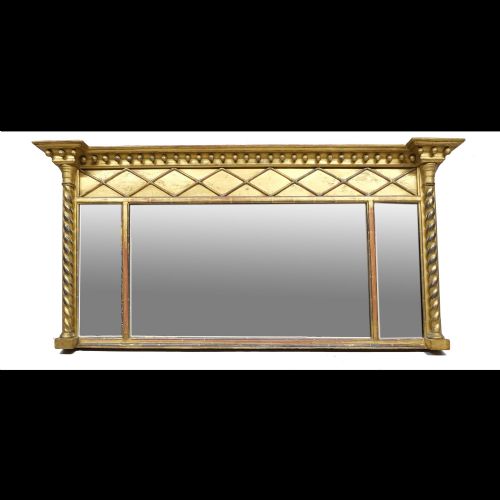
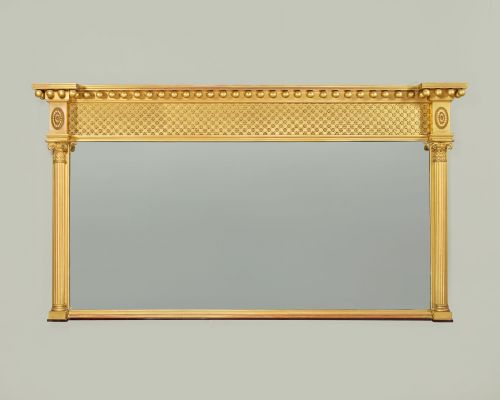
Mirrors also feature prominently in this category, specifically convex and butler's mirrors that incorporate spherical glass plates to reflect wide interior spaces. Alongside these, you find functional objects such as glass bowls raised on ball feet from the Edwardian and later periods.
How they were made
The objects combine blown or moulded glass with supporting frames in timber, giltwood, brass, and ebonised wood. Glass elements frequently utilise mercury silvering or potichomania techniques to achieve their reflective or decorative finishes.
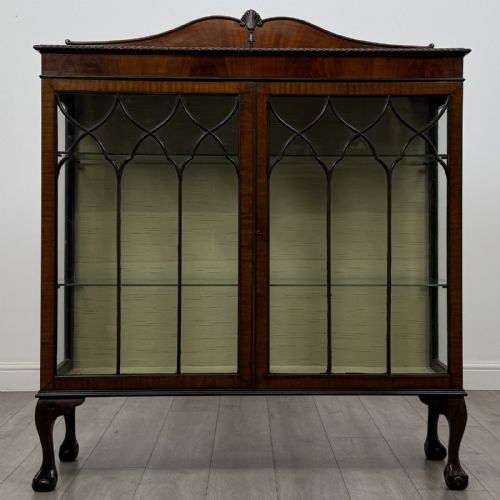
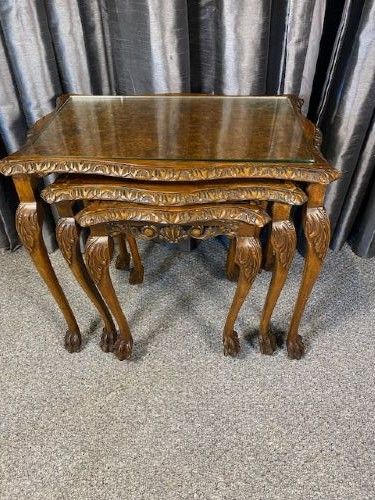
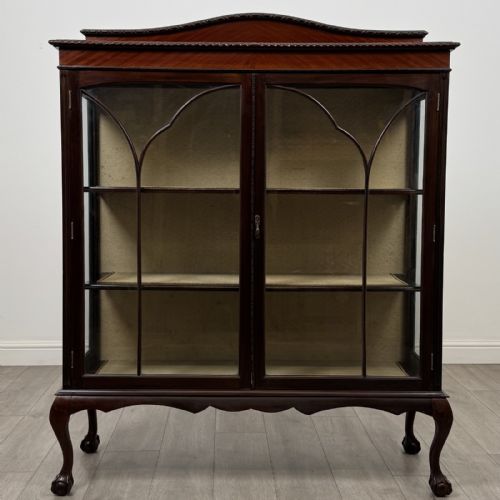
Woodwork components display traditional joinery and carving methods, particularly in the mahogany and walnut display cabinets and tables that incorporate ball supports into their structural design.
Antique Glass Ball Retail Price Guide 2026
Typical asking prices for glass ball among the pieces listed under this phrase on Sellingantiques today, from the lower quarter to the upper quarter. They describe what is for sale here now, not the wider market.
Some nineteenth-century glass balls contain tiny bells inside to frighten away lingering household goblins along with evil spirits.
What varies in quality
Quality reveals itself in the clarity of the glass, the depth of the silvering, and the crispness of any applied mouldings or hand-carved details. Pieces with intact original mirror plates, uniform spheres, and well-preserved gilt or timber surfaces stand apart.
The integrity of the construction in associated furniture elements, such as firmly joined claw and ball feet and stable cabinet frames, dictates the overall standard of the surviving piece.
Loetz
The Antique Glass Ball Glossary
- Witches ball
- A hollow glass sphere traditionally hung in windows to ward off evil spirits and bad luck. These items frequently display vibrant mercury glass finishes or intricate interior patterns.
- Convex mirror
- A round mirror featuring a curved glass surface that provides a wide-angle reflection of the room. This form was especially popular during the Regency period.
- Claw and ball foot
- A furniture foot design depicting a bird's talon gripping a spherical ball. This motif appears frequently on eighteenth-century and revival mahogany cabinetry.
- Mercury glass
- Double-walled glass blown with a silvering solution inserted between the layers to create a reflective mirror-like appearance. It gained widespread popularity during the nineteenth century.
- Potichomania
- An interior craft technique involving the application of coloured paper cutouts to the inside of glass vessels to imitate oriental porcelain. Victorian makers utilised this method to decorate ornamental balls.
Antique Glass Ball: Frequently Asked Questions
What is an antique witches ball used for?
These glass spheres were historically hung in windows or placed on pedestals to catch evil spirits and protect households from misfortune. Today, collectors display them on stands or group them together as decorative objects.
Their reflective surfaces and distinct coloured glass finishes also catch natural light effectively, adding visual interest to interior spaces.
How can you tell an old mercury glass ball from a reproduction?
Original nineteenth-century mercury glass typically shows small manufacturing flaws, minor losses to the internal silvering, and characteristic patination on the surface. Modern reproductions often appear overly uniform and lack the distinctive depth found in older pieces.
Inspecting the pontil mark on the base also helps determine the age and hand-blown nature of the glass.
Where should I place a glass ball mirror in a room?
Convex mirrors work best opposite a window or in a narrow hallway where they can capture and distribute ambient light across the entire space. Their wide-angle reflection creates the illusion of a larger room.
Position them at eye level to make the most of their unique optical qualities and decorative frames.