
Antique Giltwood Overmantel
An antique giltwood overmantel brings dramatic scale and golden warmth to a room, hung traditionally above a fireplace or mounted low as a grand wall mirror.
Antique Giltwood Overmantel
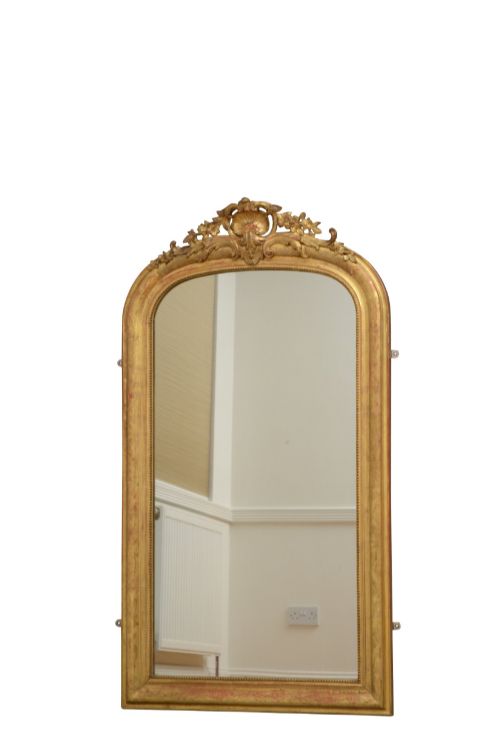
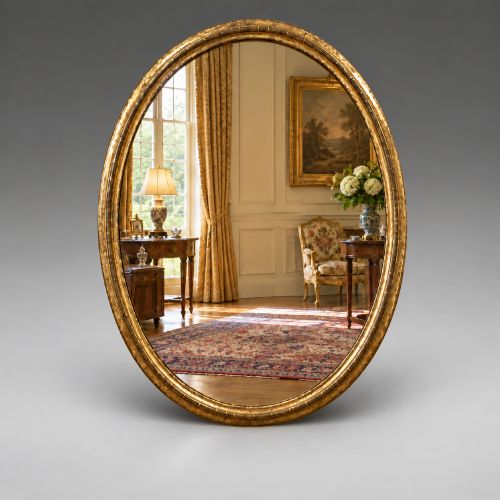
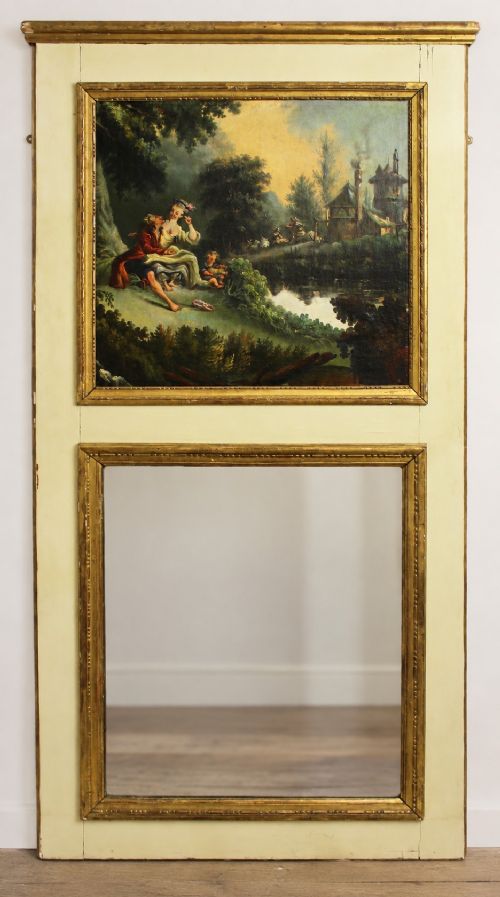
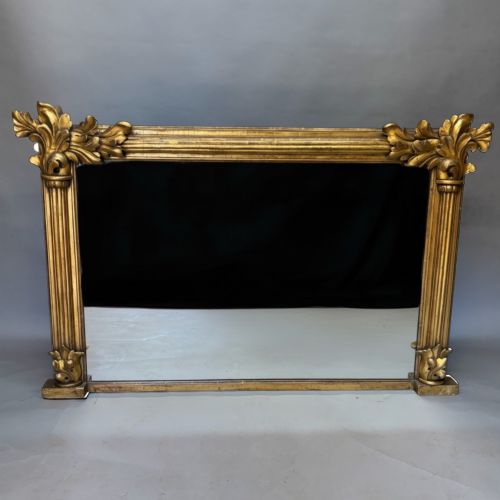
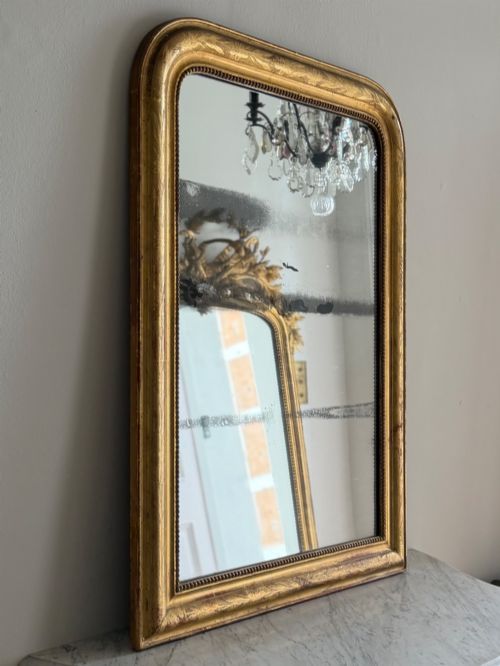
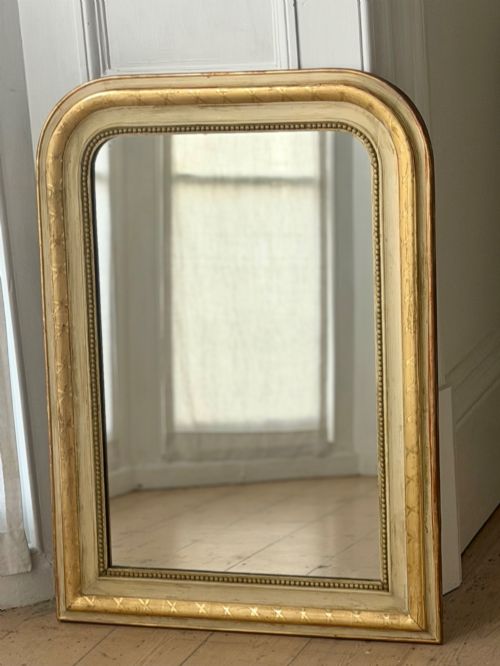
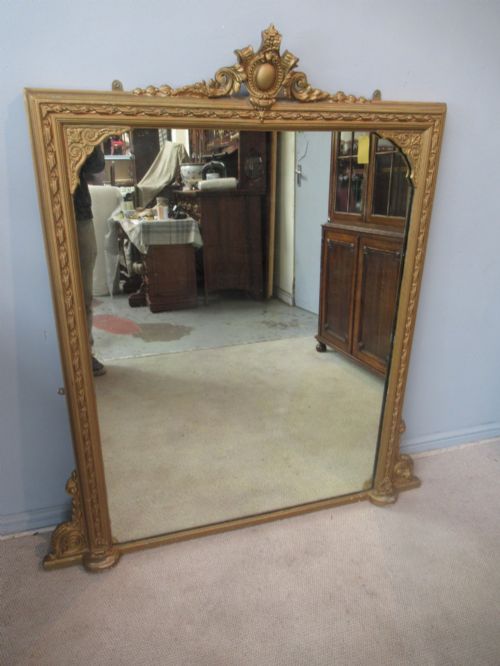
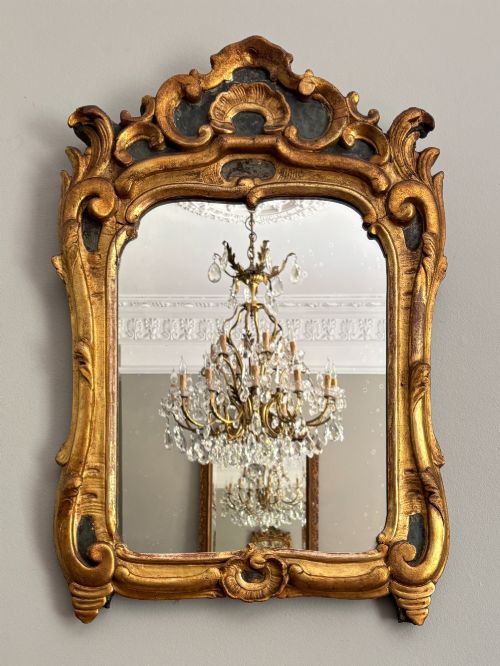
An antique giltwood overmantel is a large, statement wall mirror designed historically to sit above a mantelpiece, reflecting light and amplifying the proportions of reception rooms. These pieces originate primarily from the eighteenth and nineteenth centuries, taking forms that range from restrained Regency rectangles to exuberant Rococo Revival and French Second Empire designs.
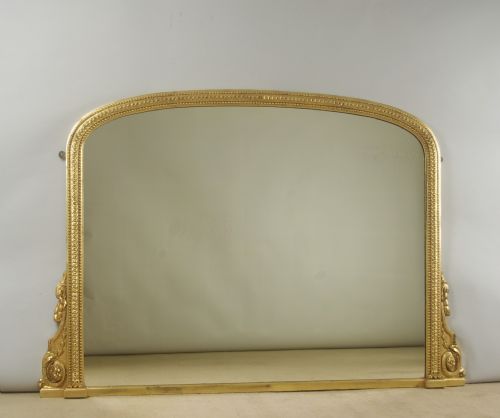
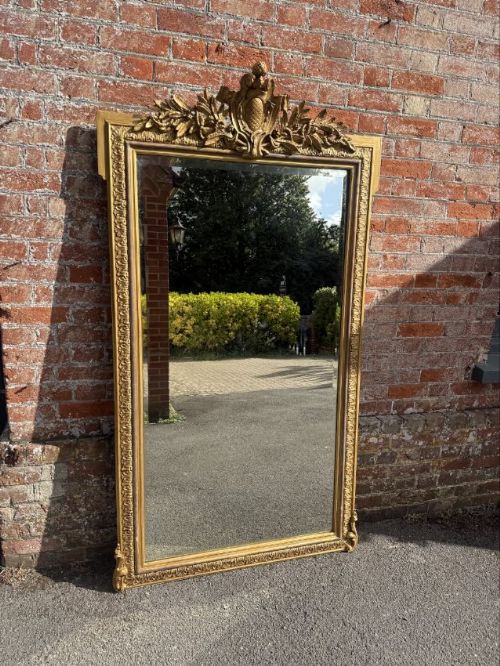
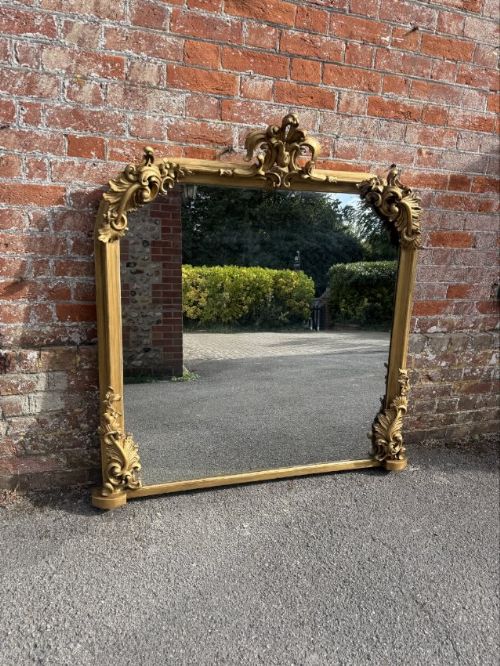
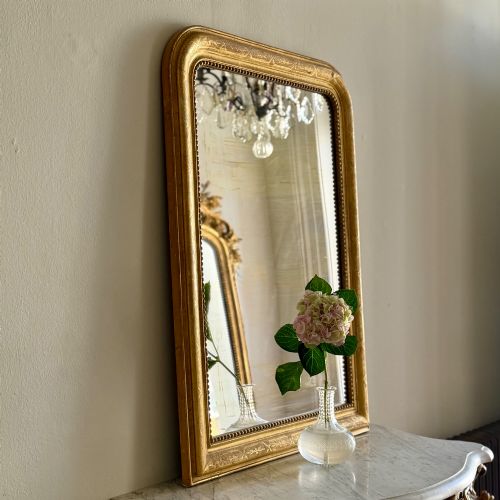
The most common versions encountered on this page belong to the Victorian era and the broader nineteenth century, frequently displaying architectural frames, arched tops, or elaborate carved motifs. English and French workshops dominate these offerings, producing both expansive landscape formats and tall pier mirrors intended for narrow wall spaces between windows.
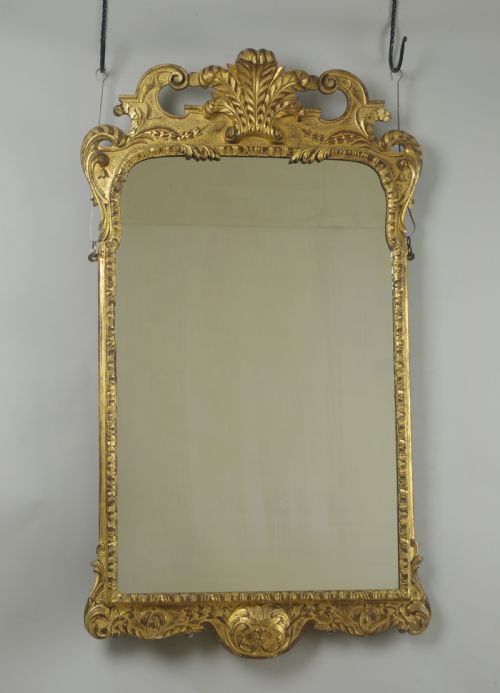
Buyers also encounter earlier eighteenth-century examples featuring mercury glass plates and deep gesso mouldings, alongside later revival pieces from the early twentieth century that emulate Louis style and Florentine carving traditions.
How They Were Made
The foundation of these frames typically combines carved timber, such as pine or hardwood, coated in layers of gesso to build up high-relief ornamentation like acanthus leaves and rope twists. Artisans then applied thin sheets of gold leaf or painted gold finishes over the prepared surface, sometimes burnishing specific areas to create contrasting matte and glossy sheens.
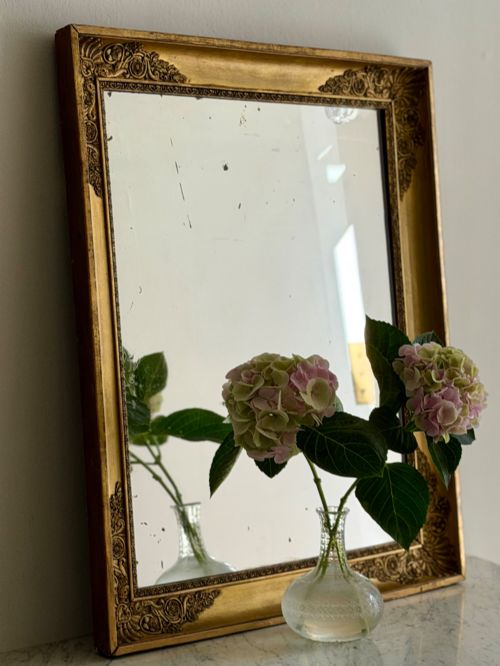
Mirror plates in older examples were silvered using mercury processes, resulting in distinctive foxed spots and mottled ageing, whereas later nineteenth-century pieces utilise standard mirror glass, occasionally bevelled at the edges to catch the light from different angles.
Listings feature items spanning the 18th century, Regency, Victorian era, and 1870, constructed from giltwood, gesso, composition, and mirror glass.
What Varies in Quality
The depth and crispness of the hand-carved gesso ornamentation separate standard decorative frames from exceptional artistic achievements, with superior pieces showing sharp undercut details rather than soft, moulded relief. The integrity of the original gilding also dictates worth, as uncleaned gold leaf with natural patination holds greater visual depth than heavy, modern overpainting.
Structural joinery in the underlying wooden carcass determines durability, particularly given the immense weight of large mirror plates. Higher-quality examples retain original mirror plates with authentic foxing and heavy timber backing boards that have remained stable through centuries of environmental changes.
The Antique Giltwood Overmantel Glossary
- Giltwood
- Timber coated with gold leaf or gold paint. This finish gives the frame its characteristic metallic glow and protects the wood underneath.
- Gesso
- A plaster-like mixture applied to wood frames and carved before gilding. It provides a smooth, receptive base for intricate surface decoration.
- Mercury glass
- An early type of mirror plate made by applying a silver-mercury amalgam behind the glass. It produces a dark, atmospheric reflection often speckled with foxing.
- Overmantel
- A large mirror specifically proportioned to hang above a fireplace mantel. These pieces anchor the hearth visually within the room.
- Pier mirror
- A tall, narrow mirror designed to hang on the wall space between two windows. They maximise available daylight in nineteenth-century interiors.
- Foxing
- Small dark spots and patches that develop in older mirror plates as the silvering degrades. Collectors prize this organic ageing for its authentic character.
Antique Giltwood Overmantel: Frequently Asked Questions
How do I hang a heavy overmantel safely?
These mirrors carry substantial weight due to their dense timber frames and thick glass plates. Professional wall fixings secured directly into structural studs or masonry are essential for safe support.
Weight distribution brackets or a heavy-duty mirror cleat system should be utilised rather than standard picture wire. Ensuring the hanging hardware engages with the internal wooden frame structure prevents separation over time.
Can I lean these mirrors instead of hanging them?
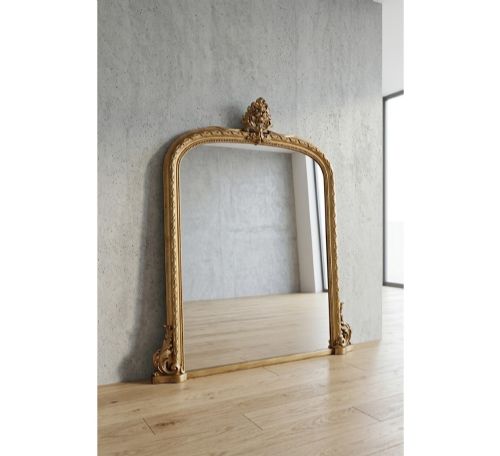
Leaning an overmantel against a wall is a traditional placement method that creates a relaxed, architectural feel within a contemporary or period interior. Many nineteenth-century examples functioned specifically as leaner mirrors.
When resting a heavy mirror on the floor, wall anchors at the top frame corners remain necessary to prevent tipping. Felt pads beneath the base protect both the flooring and the bottom moulding.
What is the difference between Regency and Victorian styles?
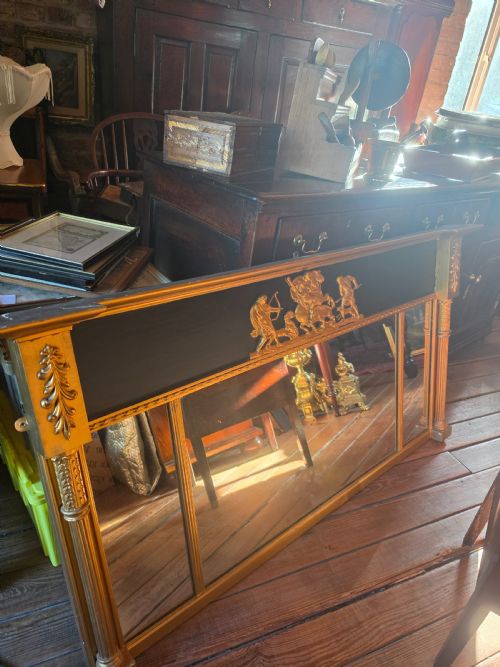
Regency frames, produced in the early nineteenth century, tend to favour classical restraint, architectural symmetry, and neo-classical motifs such as reeding and ball accents. Proportions remain balanced and elegant.
Victorian pieces embrace heavier ornamentation, deep relief carving, naturalistic acanthus foliage, and exuberant arched or shaped tops. These later mirrors prioritise visual dominance and grand scale within reception rooms.