

Antique Gilt Light Fixtures
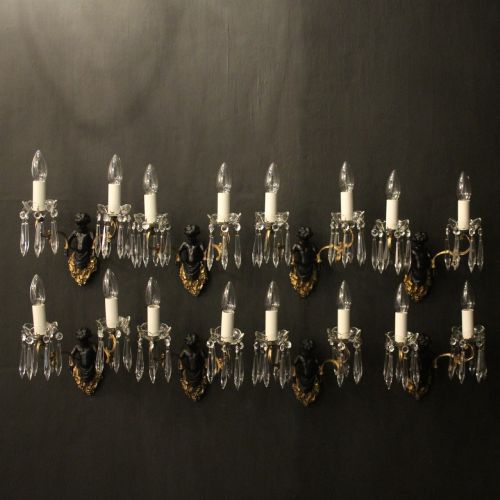
Antique gilt light fixtures bring warmth and reflective brilliance to a room, ranging from grand multi-tiered chandeliers to delicate wall sconces.
Antique Gilt Light Fixtures
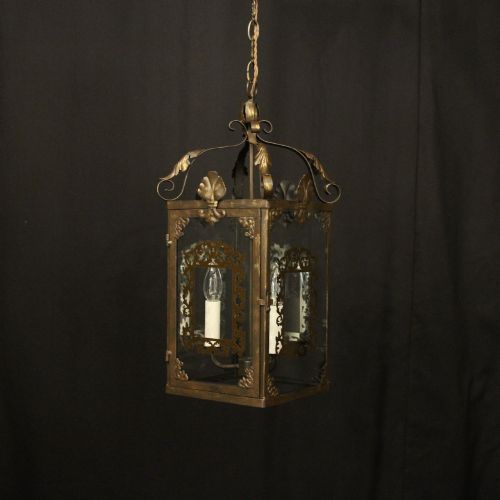
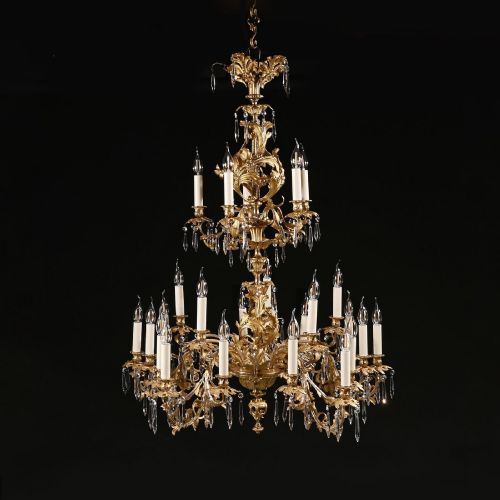
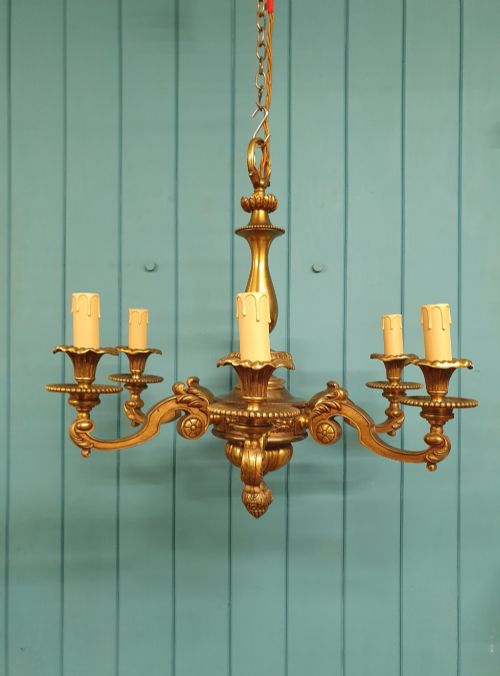
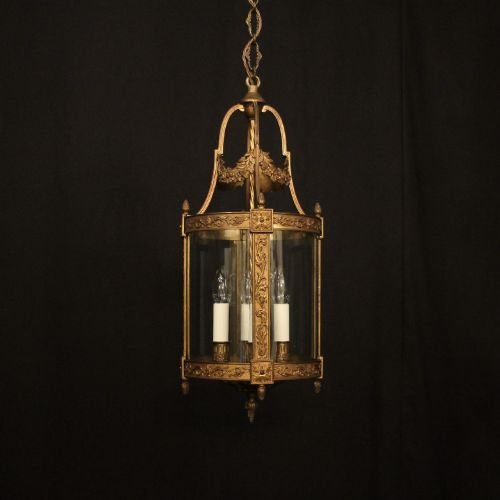
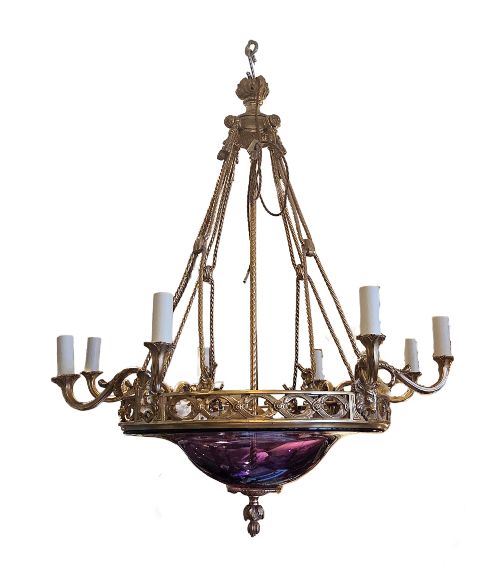
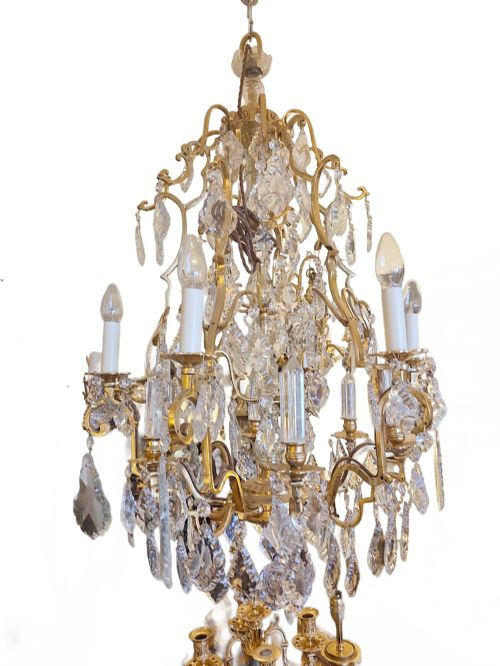
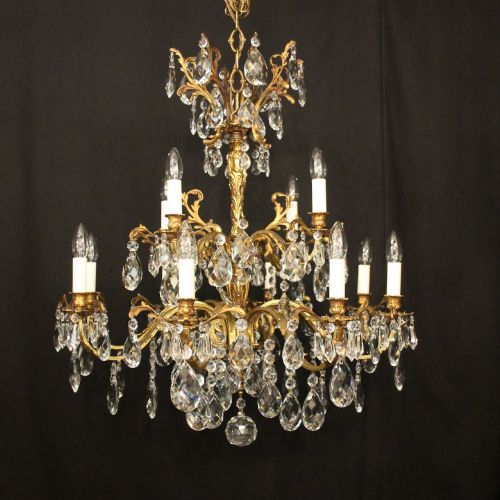
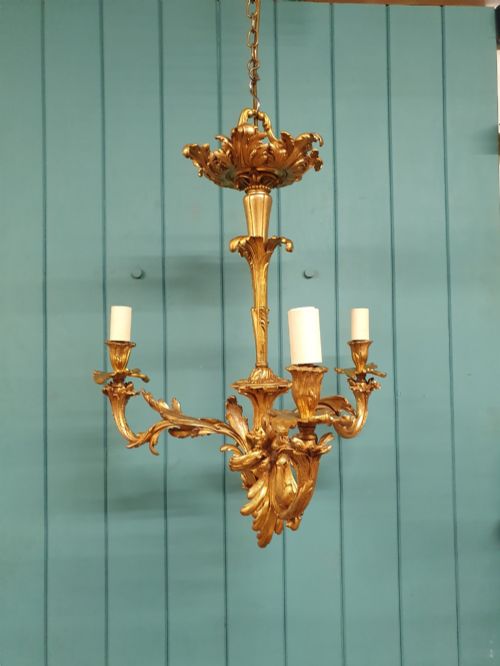
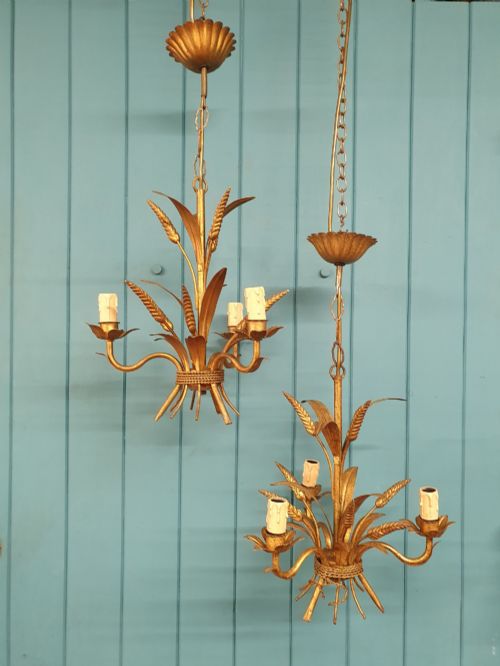
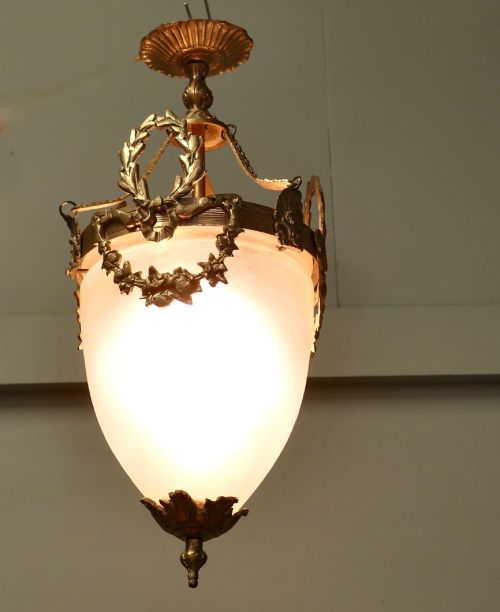
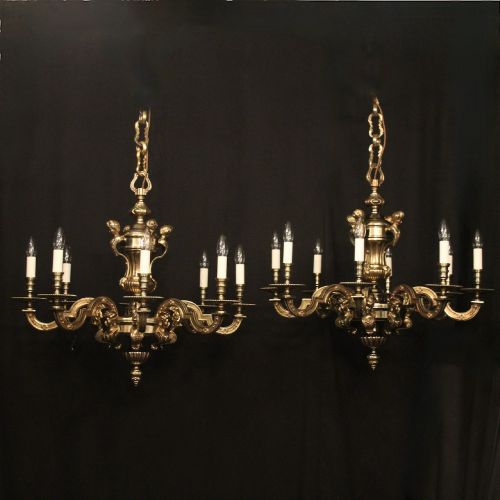
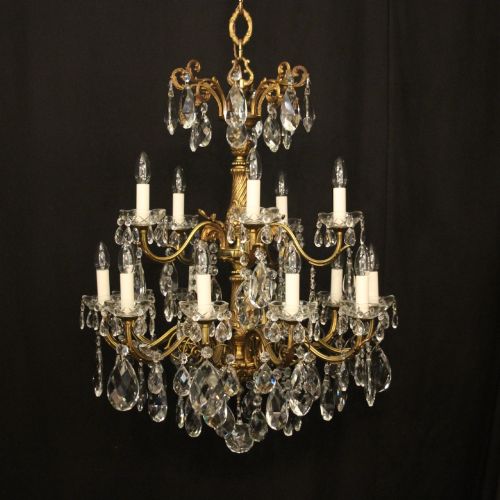
Antique gilt light fixtures encompass a variety of illumination forms, most notably grand chandeliers, wall sconces, girandoles, and ceiling lights designed to catch and multiply ambient light. When searching for antique gilt light fixtures, buyers frequently encounter French pieces spanning the nineteenth and early twentieth centuries, drawing upon regional styles such as the French Chateau, Rococo, Empire, and Neoclassical traditions.
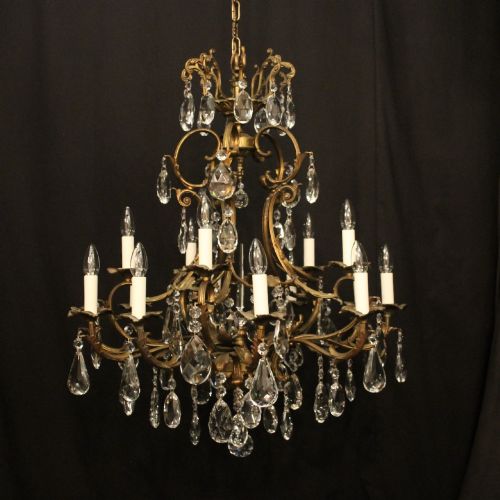
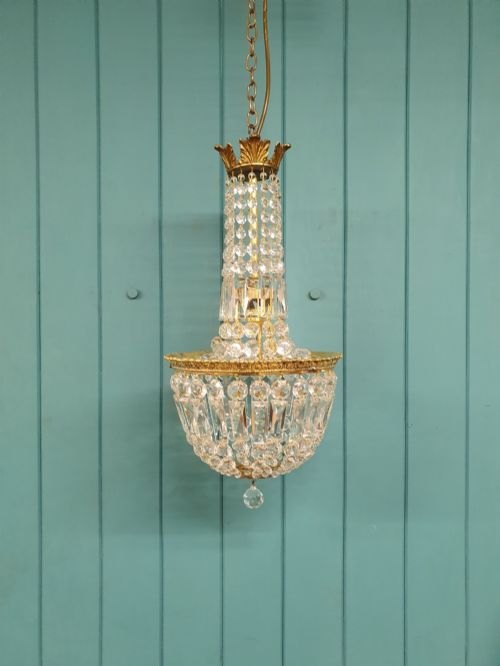
The objects take many structural formats, from multi-armed branch chandeliers and birdcage designs to flush-mounted ceiling plafonniers and tiered crystal arrangements. Alongside French examples, Italian pieces including Florentine giltwood and Genoa chandeliers appear across the selection.
Makers and workshops deployed these decorative fixtures to serve both functional illumination and high status interior ornamentation, often integrating branches for candles or wired for electricity during later adaptations.
Materials and construction
Makers utilised cast bronze, brass, ormolu, and gilt metal as the primary foundational armatures, applying gold leaf or chemical gilding to achieve the characteristic metallic sheen. Ormolu work involved mercury gilding cast bronze, producing a deep, enduring lustre that required considerable skill from founders and chasers.
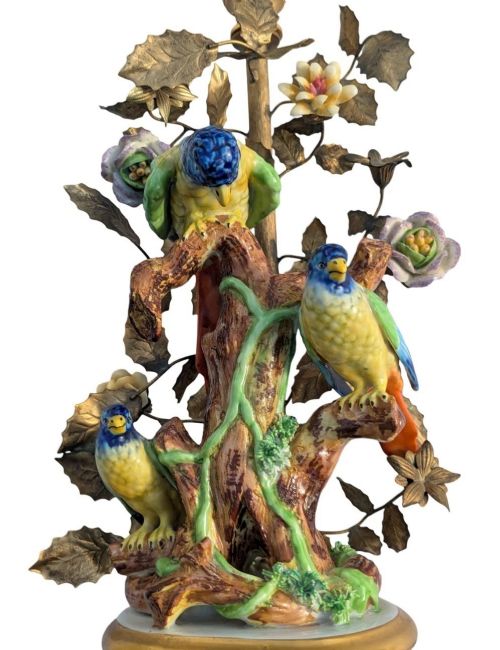
Glass and crystal elements, including cut glass drops, pendants, beads, and pink glass accents, were suspended from the metallic frames using wire loops or pins to maximise light refraction. Elements like Sevres porcelain and carved giltwood also appear in specific regional and period pieces, integrated directly into the bronze or brass mounts.
Antique Gilt Light Fixtures Retail Price Guide 2026
Typical asking prices for gilt light fixtures among the pieces listed under this phrase on Sellingantiques today, from the lower quarter to the upper quarter. They describe what is for sale here now, not the wider market.
Materials documented across the inventory include cut glass, crystal, ormolu, gilt bronze, gilt brass, and giltwood.
Assessing quality
Quality in these fixtures rests upon the crispness of the metal casting and the depth of the subsequent gilding or ormolu finish. Finer examples display sharp chasing work on bronze and brass acanthus leaves or figural motifs, whereas lesser pieces show softer, shallower surface details from worn moulds.
The integration and grade of the crystal components also divide the range, with precision-cut glass drops providing sharper light dispersion compared to plain moulded glass. Structural integrity, the thickness of the cast metal arms, and the harmonious balance of tiers and drops further distinguish standard production from exceptional examples.
Charles Schneider·Sevres
The Antique Gilt Light Fixtures Glossary
- Ormolu
- Gilt bronze produced by applying an amalgam of gold and mercury to a bronze object, then heating to vaporise the mercury. This technique creates a rich, matte gold surface characteristic of nineteenth-century French pieces.
- Plafonnier
- A ceiling light or bowl-shaped fixture mounted flush or close to the ceiling surface. These often feature decorative glass plates held by gilt metal mounts.
- Girandole
- A branched wall-mounted light fixture incorporating a mirror backplate to reflect and amplify the illumination. They combine gilt bronze or brass structures with crystal drops.
- Birdcage chandelier
- A chandelier style featuring a curved wire or metal skeleton resembling a birdcage, densely draped with crystal strings and waterfalls. This form became popular during the nineteenth and early twentieth centuries.
- Tent and waterfall
- A chandelier configuration where strings of crystal beads form an upper triangular tent shape dropping down to a wider circular band below. It creates a cascading visual effect of cut glass.
Antique Gilt Light Fixtures: Frequently Asked Questions
How do I clean an antique crystal chandelier?
Cleaning requires a gentle solution of warm water and mild soap applied by hand to each crystal drop and metal arm. Avoid harsh chemical sprays that can strip the gilt surface or damage the metal armature beneath.
It is best to clean the components in place using a cloth dampened in the solution, followed by drying with a soft lint-free towel to maintain the reflective clarity of the glass.
What distinguishes Rococo revival from Empire style?
Rococo revival pieces feature asymmetric scrolls, naturalistic floral motifs, C-scrolls, and exuberant curves inspired by mid-eighteenth-century French design. The metalwork is typically organic and flowing.
In contrast, Empire style draws on classical Roman and Greek motifs, displaying symmetry, laurel wreaths, strict geometric discipline, and formal architectural proportions.
How do I date a gilt brass chandelier?
Dating relies upon examining the casting methods, the mounting screws, the style of the glass drops, and the wiring channels if applicable. Nineteenth-century pieces often show hand-cut threading and heavy cast bronze components.
Early twentieth-century examples, such as those from the 1920s and 1930s, may incorporate lighter stamped brass elements, Art Deco geometric glass shades, or early factory electrical fittings.