

Antique Gilt Jug
These antique gilt jug pieces combine precious metal accents and ceramic or glass bodies, offering a striking display of historic craftsmanship for your collection.
Antique Gilt Jug
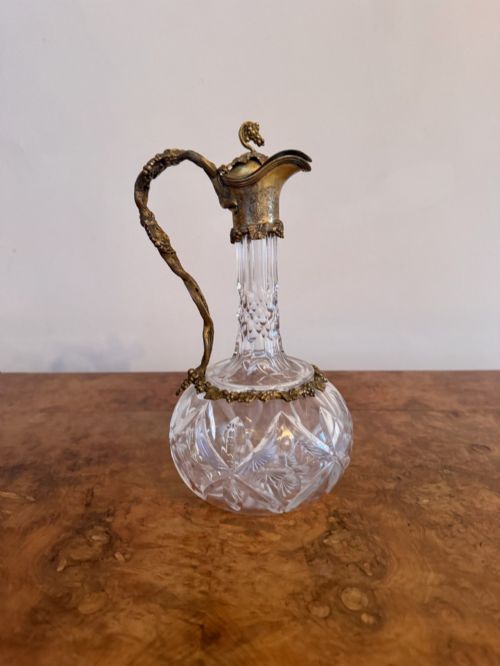
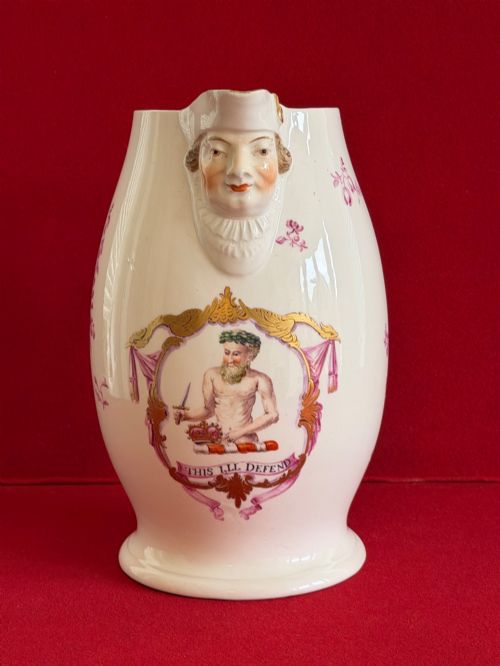
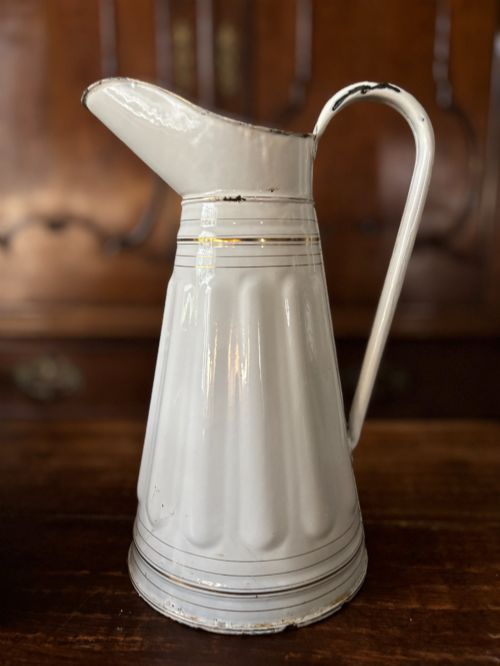
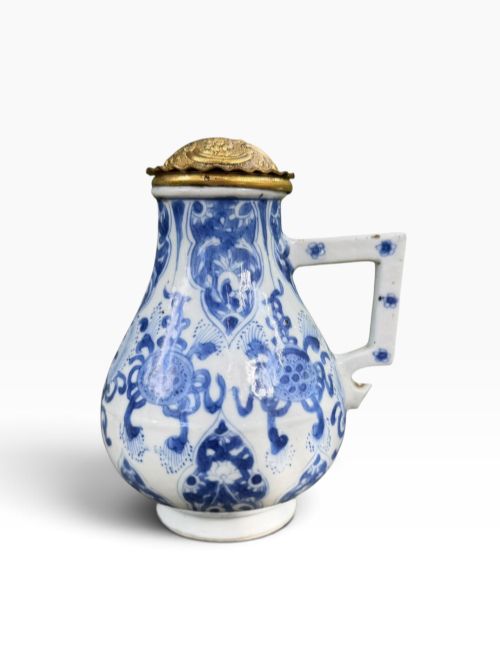
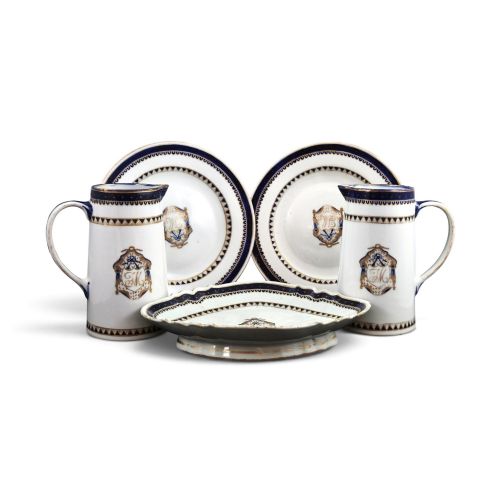
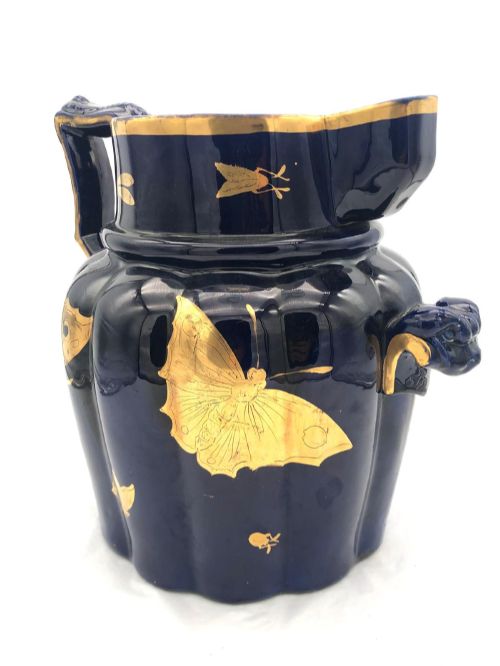
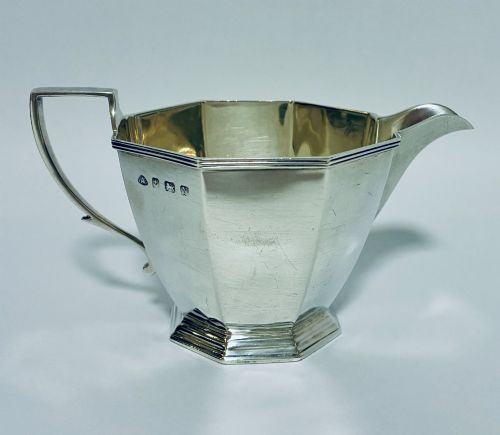
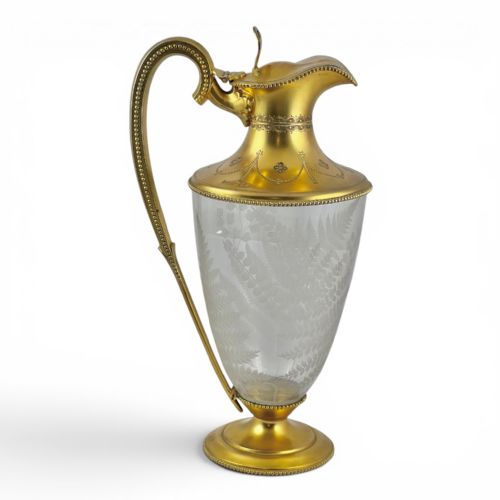
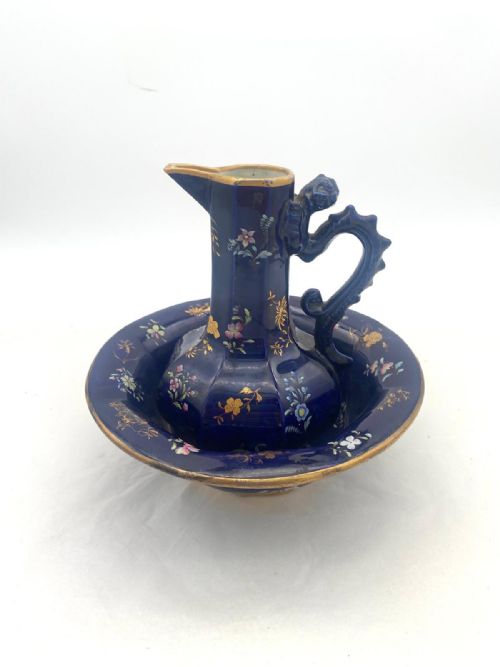
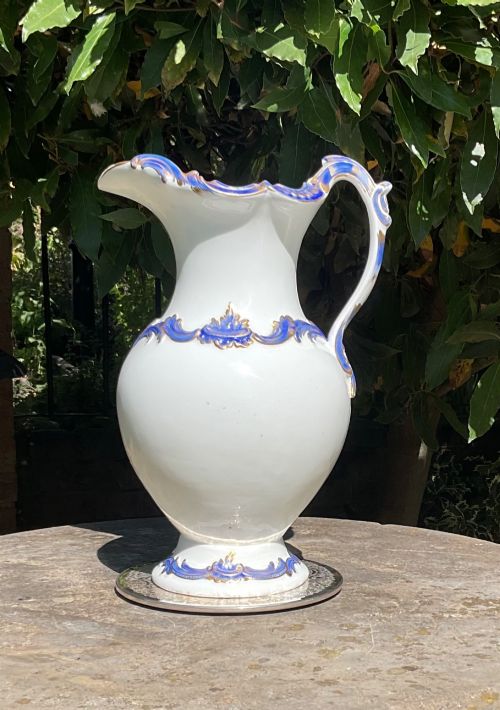
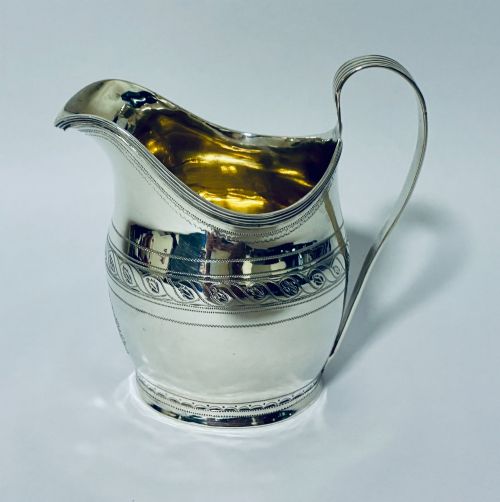
An antique gilt jug encompasses various forms, from Georgian silver cream jugs to Victorian porcelain water ewers enriched with gold leaf or gilding. You will frequently encounter domestic creamers, decorative ewers, and wine pitchers spanning the eighteenth, nineteenth, and early twentieth centuries.
The selection ranges from British ironstone and porcelain to continental European glassware and gilt bronze mounts. Makers across these periods utilised traditional ceramic bodies and blown glass, elevating utilitarian vessels into ornamental centrepieces.
Materials and construction methods
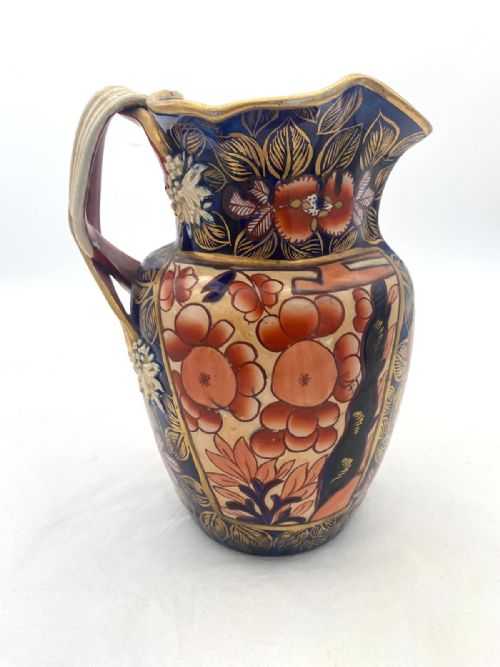
Makers shaped these vessels using porcelain, earthenware, blown glass, and sterling silver, frequently applying gold leaf or liquid gilt to highlight moulded reliefs and painted panels. Ceramic bodies underwent high-temperature kiln firing before artisans added hand-painted enamels and intricate gilt appliques.
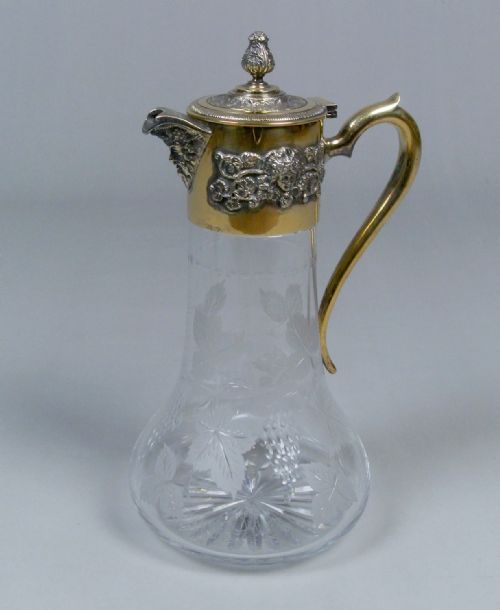
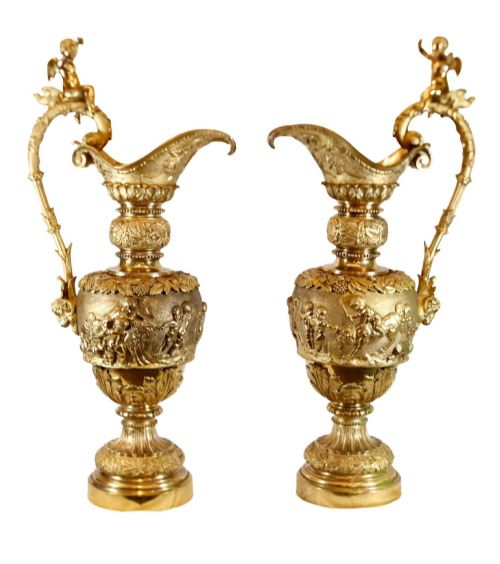
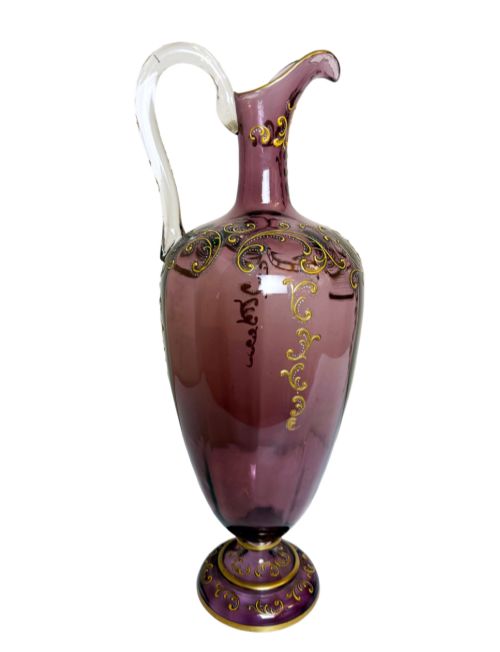
Metal components involved silver-smithing, electroplating, or gilt bronze casting, often featuring applied handles and chased ornamentation such as Bacchus masks or foliate scrolls. Glass pieces combined overlay techniques with hand-painted gilt details fixed through secondary firing.
Antique Gilt Jug Retail Price Guide 2026
Typical asking prices for gilt jug among the pieces listed under this phrase on Sellingantiques today, from the lower quarter to the upper quarter. They describe what is for sale here now, not the wider market.
The listings encompass porcelain, earthenware, glass, and sterling silver objects spanning the Georgian, Victorian, and mid-twentieth-century periods.
Assessing craftsmanship and execution
Quality rests in the crispness of the modelling and the purity of the gilding, where hand-chased metal mounts and finely hand-painted porcelain surpass mass-transferred decoration. Superior examples display balanced proportions, secure handle attachments, and well-preserved gold leaf without excessive rubbing.
The distinction between standard domestic creamers and exhibition-grade ewers lies in sculptural ambition, such as monumental French gilt bronze figures or intricate reticulated porcelain work. Master potteries and silversmiths achieved sharper definition in moulded details and superior clarity in glass overlays.
Asprey and Co. Ltd·Masons Ironstone·Royal Worcester·Chamberlain Worcester·Doulton Slaters Patent
The Antique Gilt Jug Glossary
- Gilt
- Covered thinly with gold leaf or gold paint. This technique adds metallic brilliance to ceramics, glass, and metalwork.
- Ewer
- A large jug with a wide spout and handle, used historically for pouring water or wine. Many Victorian and Georgian examples served purely decorative functions.
- Claret jug
- A specialised container designed for serving red wine, typically fashioned from cut glass with a silver or gilt metal mount and hinged lid.
- Ironstone
- A type of durable earthenware patented in the nineteenth century. It provided a robust alternative to porcelain for patterned domestic jugs.
- Reticulated
- Decorated with an openwork pattern resembling a net or lattice. This ceramic technique requires precise cutting before firing.
Antique Gilt Jug: Frequently Asked Questions
How were antique gilt jugs used?
These vessels served both practical domestic duties and formal display purposes. Ceramic creamers and milk jugs poured liquids at tea tables, while large ewers and claret jugs handled wine or water during dinner services.
Over time, many decorative ewers transitioned into purely ornamental objects. Their gilt surfaces and sculptural handles made them centrepieces on sideboards and mantlepieces.
How do I clean an antique gilt jug safely?
Gilt surfaces require gentle maintenance to preserve the delicate gold leaf or painted finish. Dust the piece with a soft, dry brush and avoid abrasive cloths or chemical cleaning agents that strip metal.
Submerging antique ceramics or glass in water can damage old glazes and adhesives. Wipe surfaces carefully with a damp cloth only when necessary, keeping moisture away from unglazed areas.
What periods do these jugs come from?
The available selection spans several centuries, starting from the Georgian era and extending through the Victorian period into the early twentieth century. Eighteenth-century pieces often feature Chinese export porcelain or early English porcelain bodies.
Nineteenth-century examples introduce robust ironstone pottery, blown glass with gilt appliques, and ornate gilt bronze mounts. Later nineteenth-century pieces showcase aesthetic movement designs and specialised patent wares.
How do I distinguish silver from silver gilt?
Standard silver displays a bright, metallic white finish that tarnishes to a dark grey or black over time. Silver gilt, also known as vermeil, consists of sterling silver coated with a thin layer of gold.
Examining the piece under magnification often reveals the warm golden hue beneath or within crevices. Hallmarks on the metal help confirm the underlying silver standard used by the maker.