




Antique Gilded Stool
An antique gilded stool brings a flash of architectural polish to a corner, combining carved wooden frames with a lustrous metallic finish.
Antique Gilded Stool
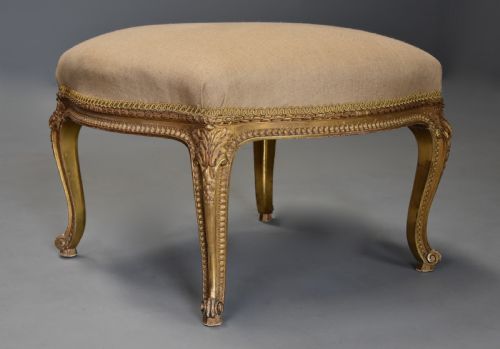
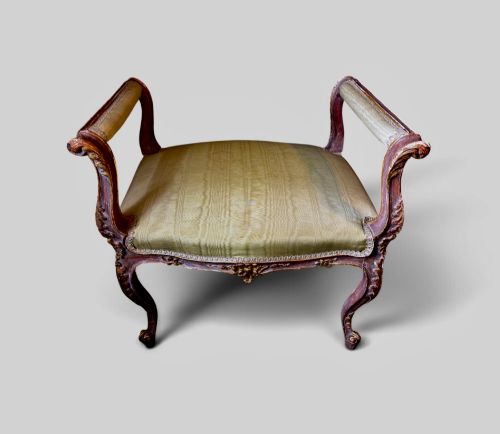
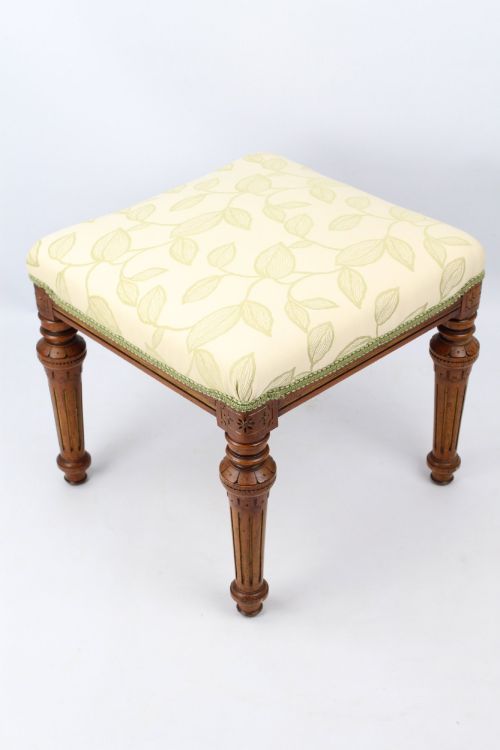
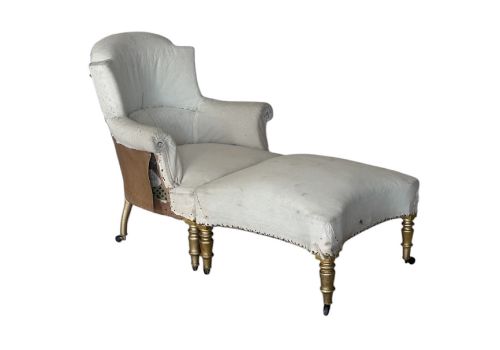
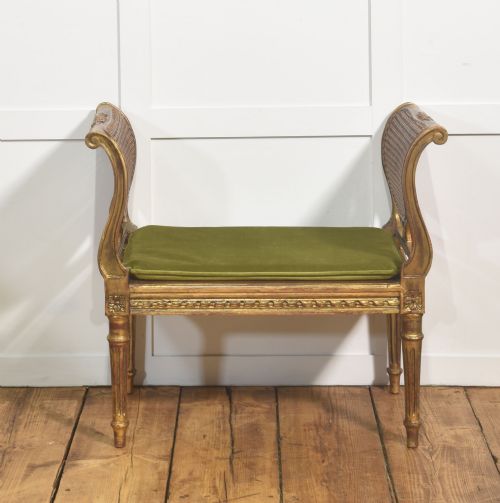
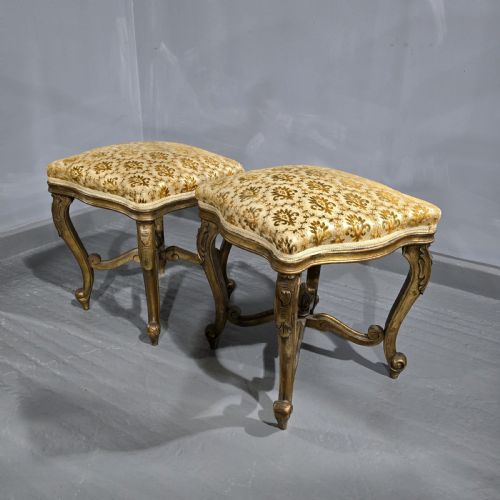
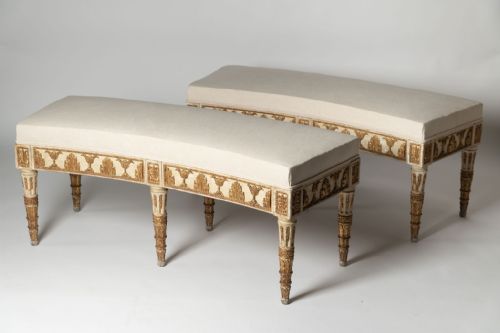
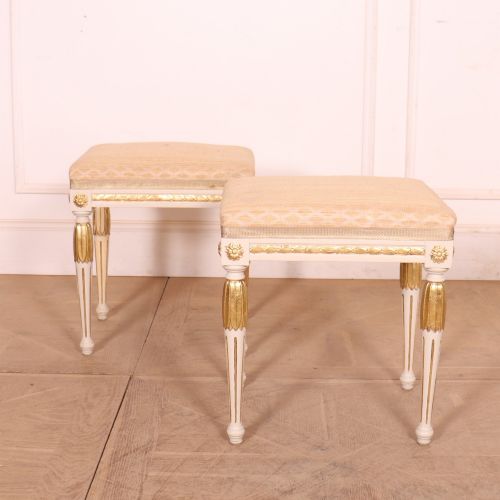
When you search for an antique gilded stool, you encounter low footstools, long window seats, and piano stools spanning the nineteenth century. The selection leans heavily towards nineteenth-century examples, incorporating Victorian, Regency, and Louis XVI styles.
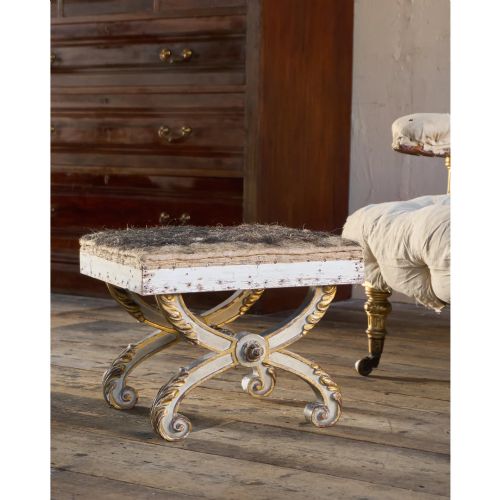
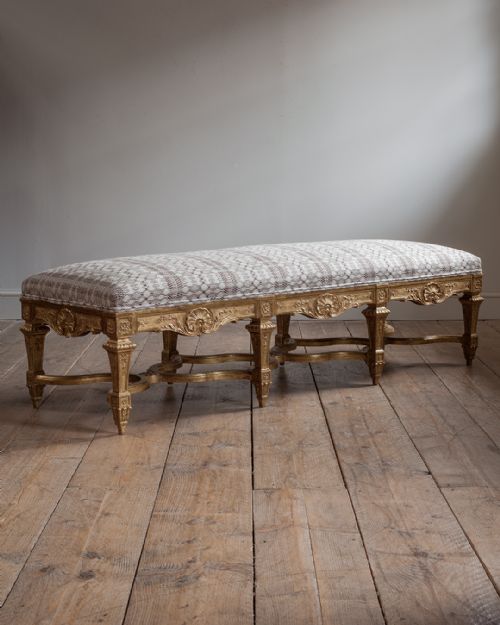
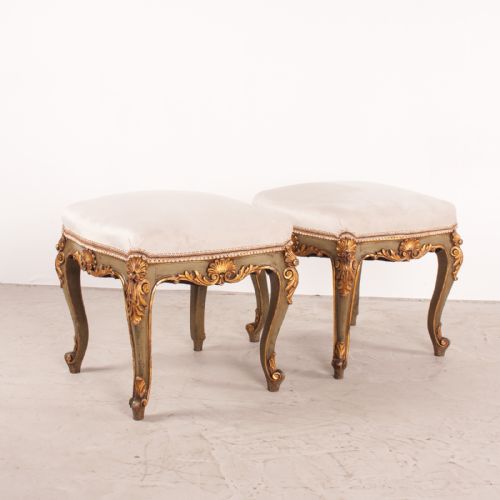
Makers and workshops produced these pieces in various configurations, from X-frame curule models to long benches. French and Italian influences dominate the aesthetic, frequently expressed through carved giltwood and gesso.
The assortment on this page ranges from compact footrests to substantial twin seats. Many pieces double as window seats or dressing table stools, reflecting the functional needs of period interiors.
Materials and construction methods
The structural framework relies predominantly on wood, including oak, mahogany, and painted timber, shaped into curved legs and scrolled supports. Artisans applied gesso as a smooth preparation layer before laying gold leaf or metallic gilt across the carved surfaces.
Upholstery forms an integral part of the construction, utilising traditional textiles such as velvet, fabric, and cane work. Brass accents occasionally appear on nineteenth-century frames, adding structural detail and decorative contrast.
Antique Gilded Stool Retail Price Guide 2026
Typical asking prices for gilded stool among the pieces listed under this phrase on Sellingantiques today, from the lower quarter to the upper quarter. They describe what is for sale here now, not the wider market.
Assessing craftsmanship and finish
The distinction between standard production and exceptional work rests on the depth and crispness of the hand-carved ornamentation. Superior examples display finely chased gesso and deeply articulated wooden scrollwork rather than shallow machine-moulded relief.
The integrity of the gilding and the stability of the underlying frame dictate the overall standard of the piece. Authentic nineteenth-century surfaces show natural wear patterns on the gold leaf that reveal the warm red bole beneath.
Miles And Edwards·Mathew Gregson·Loidrault Freres Paris·Holland And Son·A M E Fournier·John Tesch
The Antique Gilded Stool Glossary
- Giltwood
- Timber covered with a thin layer of gold leaf. This surface treatment was popular across Regency, Victorian, and continental seating.
- Gesso
- A plaster-like mixture applied to wood to create a smooth base for gilding. It allows craftsmen to carve intricate relief details before applying gold leaf.
- Curule stool
- An ancient Roman chair shape featuring intersecting X-shaped legs. Nineteenth-century makers revived this design for formal footstools and benches.
- Window seat
- A long, bench-like stool designed to sit beneath a window. These pieces often feature arms at one or both ends.
Antique Gilded Stool: Frequently Asked Questions
How do I use a gilded stool at home?
These pieces fit naturally at the foot of a bed, beside a fireplace, or beneath a window. Their compact proportions allow them to function as extra seating or decorative side accents.
Avoid placing them in areas of dampness or direct, harsh sunlight to protect the fragile gilded surfaces and historic textiles.
Are these stools comfortable to sit on?
Many nineteenth-century stools feature traditional horsehair and spring stuffing designed for firm support. Window seats and duet stools offer wider seating areas suited for longer periods.
Footstools and gout stools are engineered specifically for elevating the legs rather than bearing full body weight.
How do I identify a Regency stool?
Regency pieces often incorporate classical motifs, mahogany timbers, and scroll-top designs inspired by ancient Greek and Roman furniture. Look for clean architectural lines and X-frame configurations.
Maker attributions and design books from the early nineteenth century provide key reference points for authenticating these forms.
What is the difference between gesso and giltwood?
Giltwood refers to the final gilded appearance of the wooden frame, whereas gesso is the preparatory plaster ground applied directly to the raw timber. The gesso layer is carved and smoothed before the gold leaf is laid down.
Examining losses in the surface often reveals the white or red gesso beneath the metallic leaf layer.