



Antique Gilded China Service
An antique gilded china service brings table elegance from Georgian, Victorian, and later periods into daily dining.
Antique Gilded China Service
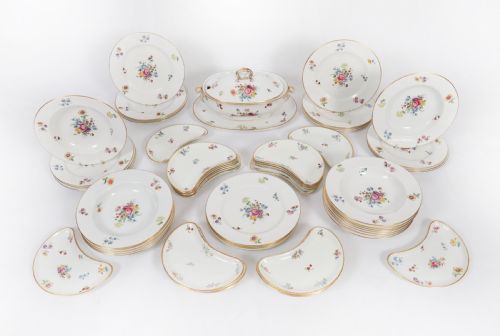
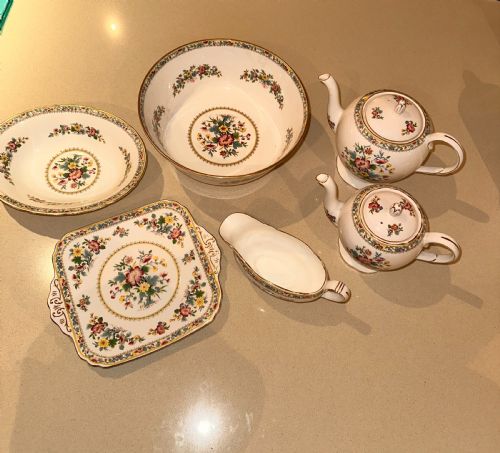
An antique gilded china service comprises matched sets of plates, teapots, cups, and bowls designed for formal dining or tea. These services range from compact breakfast and tea sets to extensive dinner and dessert services spanning the eighteenth, nineteenth, and early twentieth centuries.
Materials and methods
Potters utilised fine porcelain, bone china, ceramic, and ironstone as the primary bodies for these services. These ceramic bases provided a smooth, durable foundation suited for intricate hand-painting and structural moulding.
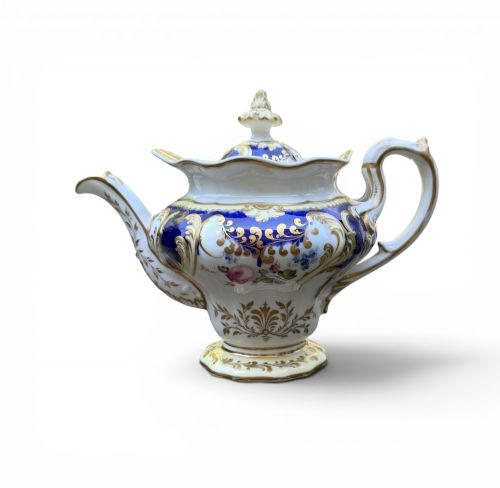
Artisans applied gold leaf, heavy gilding, and enamel work by hand to accentuate borders, handles, and painted motifs. Rococo revival moulding and traditional English potting techniques shaped the distinctive teapots, plates, and dishes.
The available inventory includes diverse forms ranging from miniature solitaire sets and child toy dinner services to extensive multi-piece settings.
Distinctions in quality
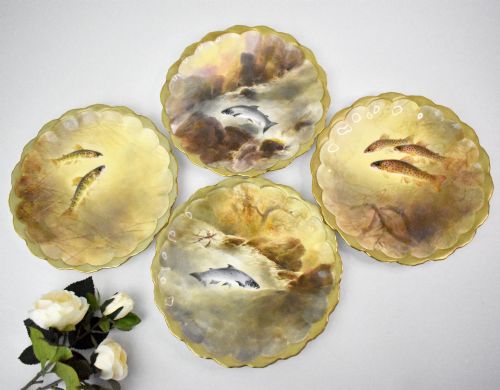
The standard of a service rests upon the precision of the hand-painted decoration and the crispness of the porcelain or ironstone moulding. Pieces painted by named artists or produced by premier factories display superior brushwork, refined gilding application, and balanced proportions.
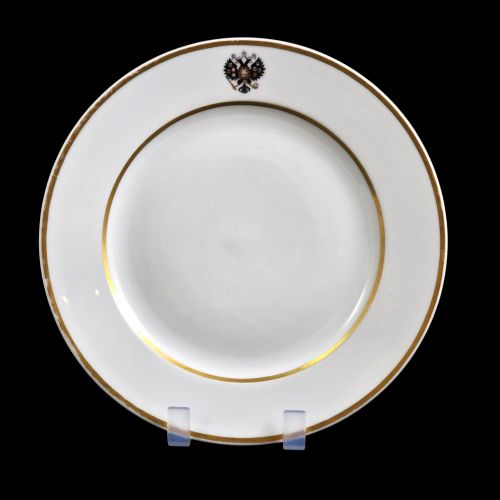
Completeness and historical provenance also elevate a service, as extensive sets with matching registry marks or armorial details retain greater integrity. The thickness of the gold leaf and the delicacy of the ceramic body distinguish ordinary production ware from exceptional cabinet pieces.
Royal Crown Derby·Spode·Copeland·Royal Doulton·Coalport·Minton·Ridgway·Worcester·Shelley·Chamberlains
The Antique Gilded China Service Glossary
- Bone china
- A type of soft-paste porcelain incorporating animal bone ash, providing a bright white body and durability. It became a standard material for English tea and dinner services.
- Sucrier
- A small sugar bowl or pot complete with a cover, commonly found in nineteenth-century tea sets. This vessel matches the cups and teapot in pattern and gilding.
- Comport
- A raised dish or stand used for serving fruit or dessert as part of a formal service. These elevated pieces sat centrally on dining tables during the Georgian and Victorian periods.
- Ironstone
- A heavy, durable type of earthenware patented in the nineteenth century to rival true porcelain. It offered a sturdy base for colourful enamel and gilded patterns.
- Imari
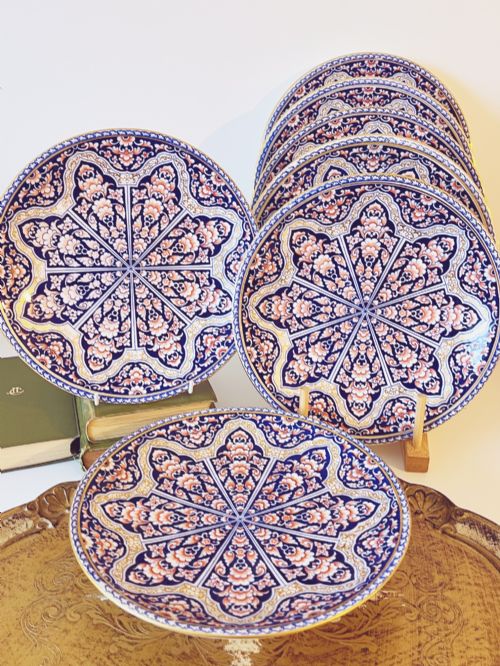
- A decorative style characterised by underglaze blue, iron red, and abundant gilding, adopted by various English porcelain manufacturers. This aesthetic originated in Japan before being emulated in Europe.
Antique Gilded China Service: Frequently Asked Questions
Can I use these antique services for daily meals?
Most antique tea and dinner services can handle careful, occasional use for special meals or afternoon tea. Modern handling requires mindfulness regarding the age of the ceramic body and the thinness of the handles.
Many collectors prefer to display their sets or reserve them for ceremonial dining to prevent accidental chipping of fragile nineteenth-century edges.
What is the difference between a tea service and a dessert service?
A tea service typically includes teapots, cups, saucers, milk jugs, and sugar bowls designed for serving tea and small refreshments. These sets focus on beverage vessels and matching small plates.
A dessert service centres on comports, fruit plates, and decorative dishes intended to serve the final course of a grand dinner. The plates in these services are often wider and feature more elaborate hand-painted botanical or scenic artwork.
How do I identify the date of a porcelain service?
Examine the base of the plates and vessels for factory backstamps, impressed ciphers, or registration marks. Manufacturers often used specific symbols or numbering systems that correspond to active production years.
Stylistic clues such as Regency shapes, Victorian floral motifs, or Edwardian borders also help narrow down the decade of manufacture when marks are absent or faded.