
Antique Gilded Brackets
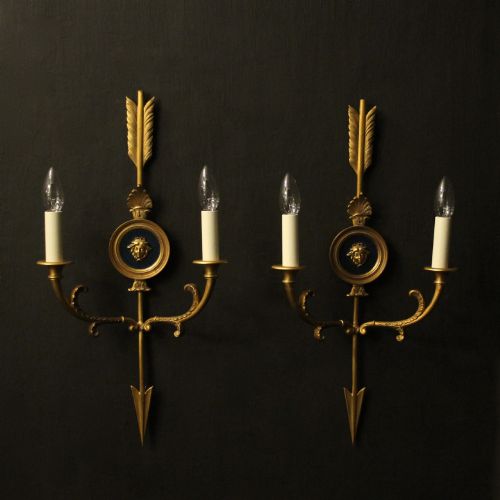
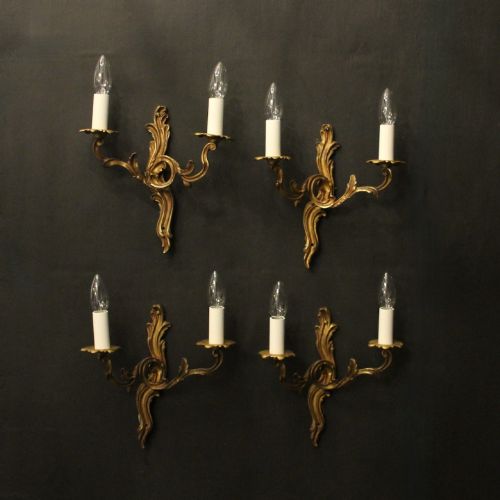
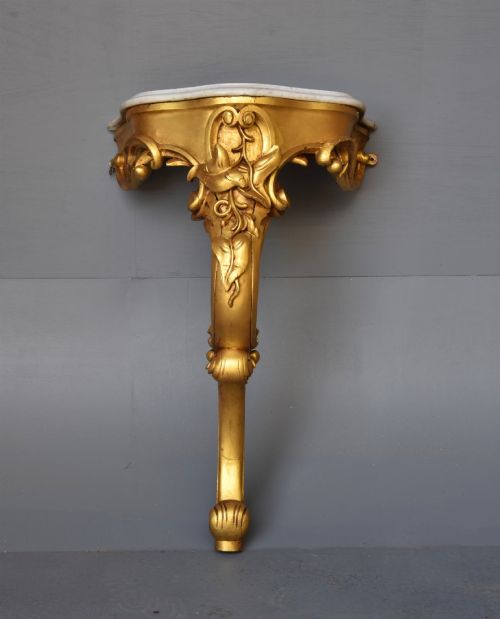
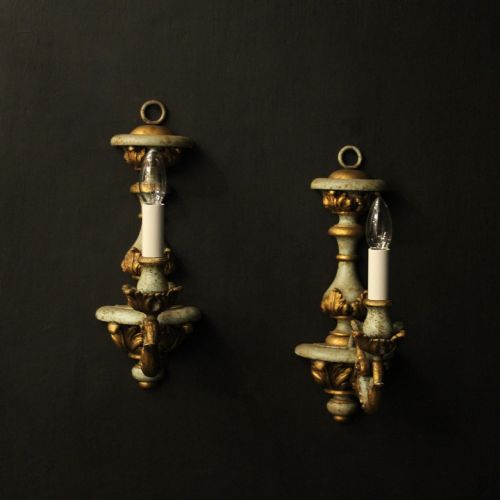
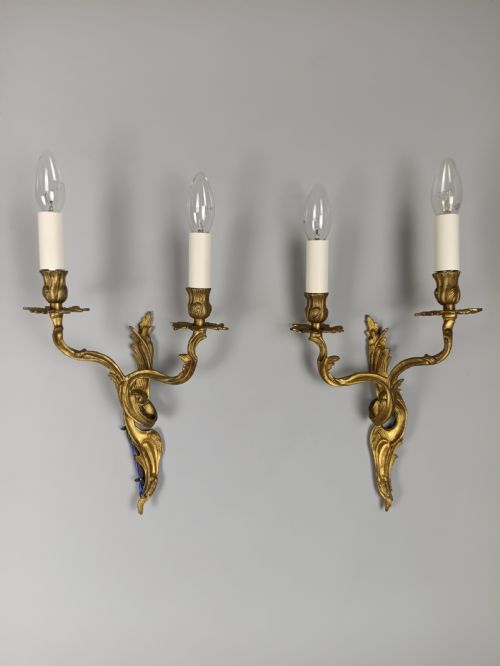
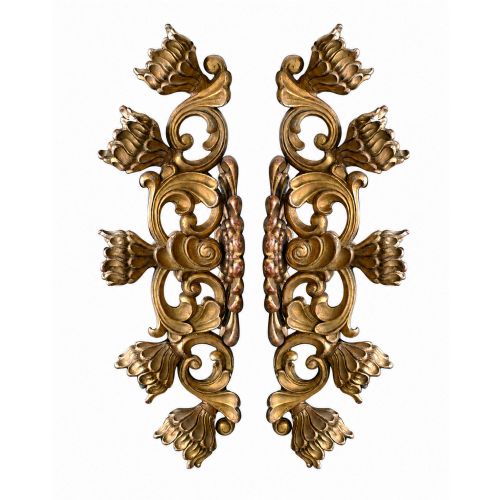
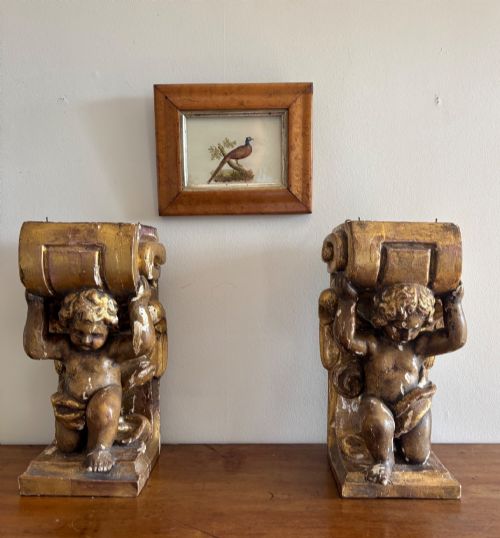
These antique gilded brackets bring architectural depth and reflective warmth to a room, ranging from carved wood supports to ornate metal sconces.
Antique Gilded Brackets
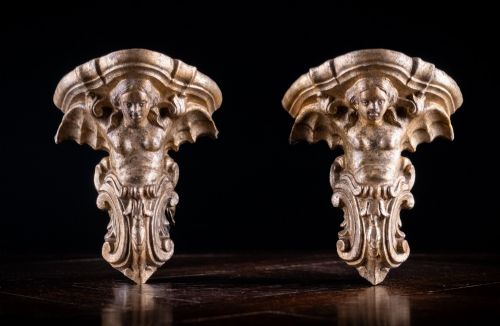
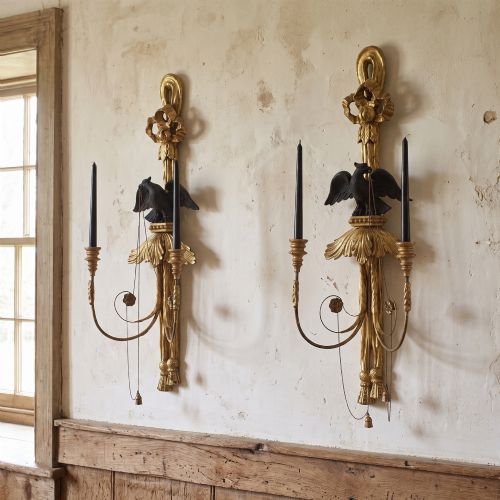
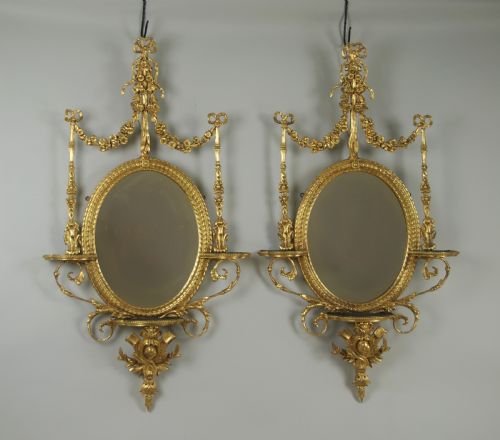
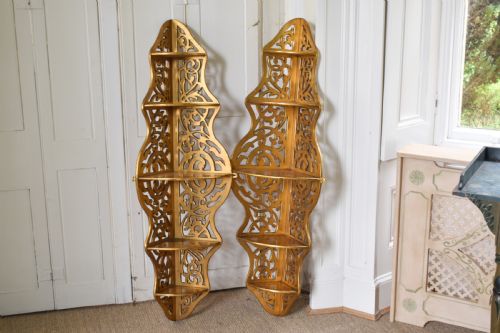
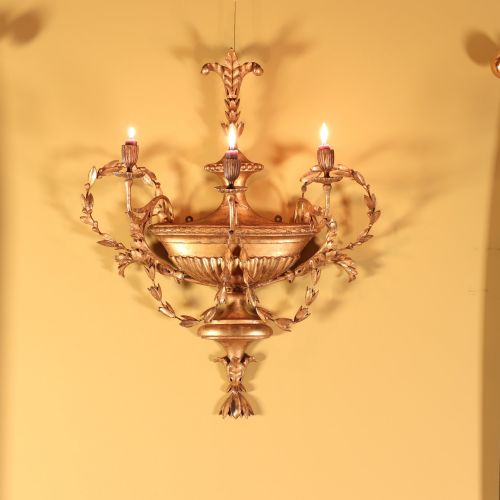
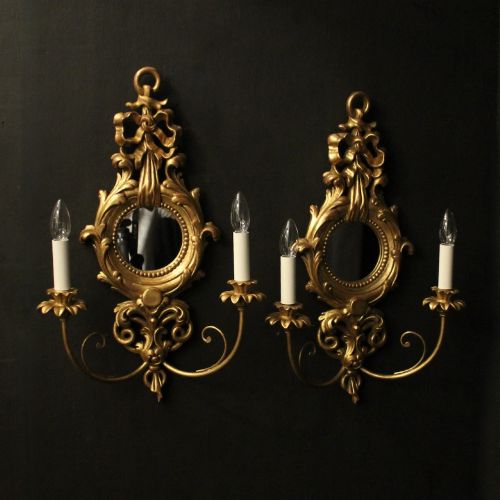
When you search for antique gilded brackets, you encounter items designed to project decorative objects or lighting outward from a wall. The selection spans the nineteenth century through the early twentieth century, taking forms such as carved wooden wall brackets, gilt bronze appliques, and porcelain corbels.
The objects derive largely from French and Italian workshops, channelling historical aesthetics like Rococo Revival and Louis XVI styles. Pairs dominate the listings, intended to flank mirrors, paintings, or mantelpieces with symmetrical impact.
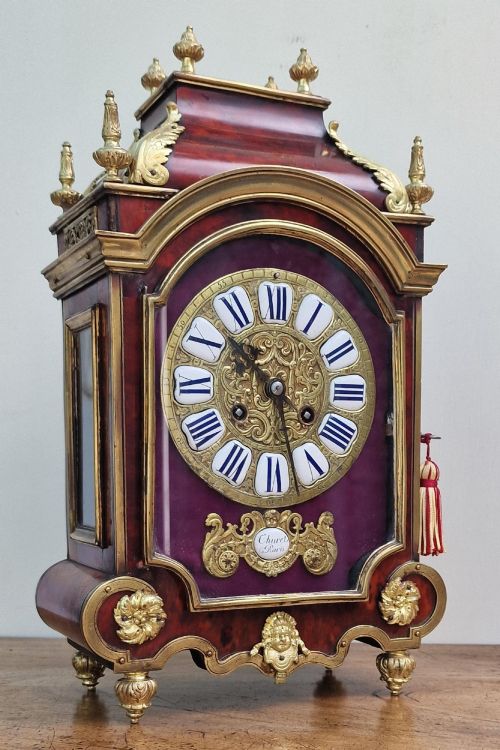
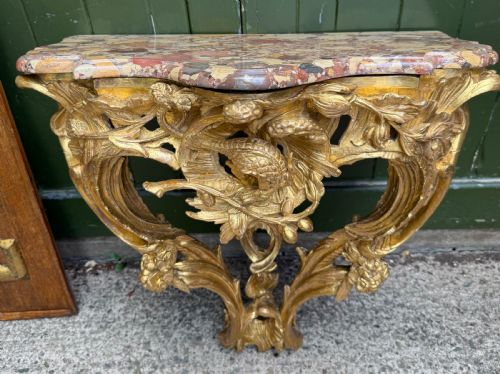
Alongside dedicated wall brackets, the material and decorative vocabulary extends to console tables, wall mirrors with display shelves, and mantel clocks incorporating gilt bronze and tortoiseshell.
How they were made
Carvers shaped wooden supports from timber using hand tools, applying layers of gesso to smooth the surface before laying down gold leaf or silver gilt. Metal components rely on cast bronze and brass, sometimes chased and gilded to create rich surface textures.
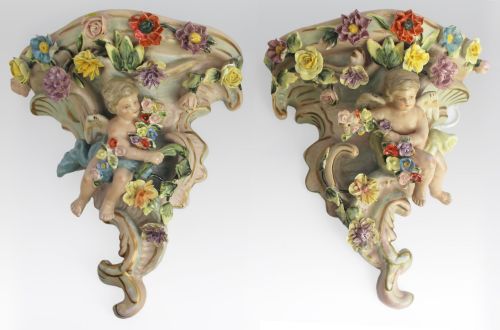
Terracotta and porcelain elements appear alongside wood and metal, finished with polychrome paint and gilding. Glass components such as bevel-cut mirror plates and enamel clock dials integrate into the multi-media construction of these architectural pieces.
Materials span traditional gesso and giltwood alongside terracotta, porcelain cherubs, and tortoiseshell clock cases.
What varies in quality
Quality rests upon the crispness of the carving and the depth of the gilding, where hand-tooled execution outshines mechanical production. The weight and rigidity of the brass or bronze castings separate substantial fixtures from lighter alternatives.
The integrity of the underlying material dictates longevity, with well-preserved gesso grounds holding gold leaf securely without excessive flaking. Original elements, such as matching sconce arms or undamaged carved acanthus leaves, elevate the integrity of a pair.
Thuret
The Antique Gilded Brackets Glossary
- Giltwood
- Wood that has been coated with a thin layer of gold leaf. This finish gives carved brackets and mirrors a warm, metallic radiance.
- Gesso
- A plaster mixture applied to wood surfaces as a preparation for gilding. It provides a smooth base for intricate carving details.
- Girandole
- A branched wall light or sconce fitted with a mirror to multiply the reflection of candlelight. These pieces combine illumination with decorative wall furniture.
- Corbel
- A structural piece of stone, wood, or porcelain projecting from a wall to carry a weight. In decorative contexts, it acts as an ornamental shelf bracket.
- Ormolu
- Gilded bronze used widely in French decorative arts. The technique involves applying a mercury and gold amalgam to cast bronze.
Antique Gilded Brackets: Frequently Asked Questions
How do I hang heavy wall brackets safely?
Secure the fixtures directly into wall studs or utilise appropriate masonry anchors suited to the weight of the timber or bronze.
Verify that the backplate and hanging loops are structurally sound before mounting items that support heavy ornaments or multiple candle arms.
Can these antique wall lights take modern wiring?
Many electric wall sconces and girandoles have been rewired or adapted for contemporary electrical standards during their lifespan.
Check the internal components and consult a qualified electrician to ensure compatibility with current safety regulations in your region.
How do I clean gilded surfaces without damage?
Dust the giltwood and bronze gently with a soft, dry brush to remove particles without disturbing the delicate gold leaf.
Avoid liquid cleaners, moisture, and chemical polishes, which can strip the thin metallic layers and underlying gesso.
How do I date an antique bracket?
Examine the construction marks, the composition of the gesso, and the style of the carving, such as Rococo Revival curves or Louis XVI symmetry.
Material choices like cast brass versus hand-carved wood help narrow the manufacturing period to the nineteenth or early twentieth century.