
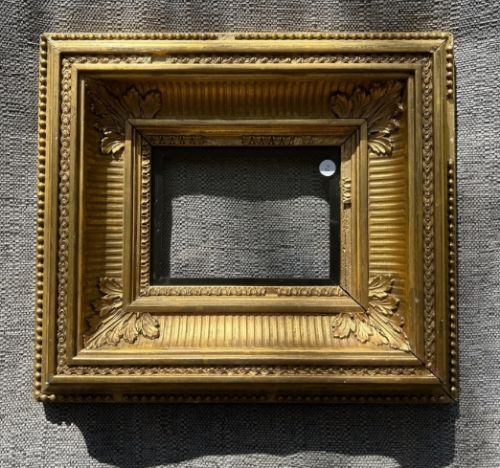
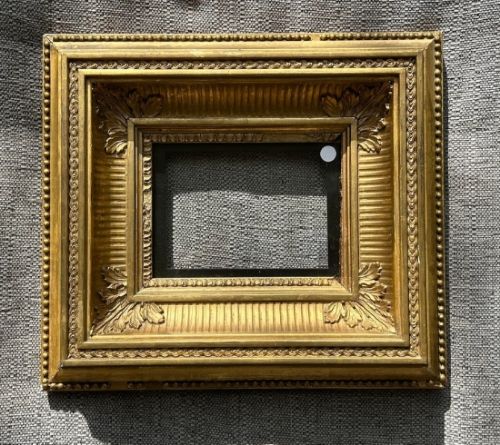
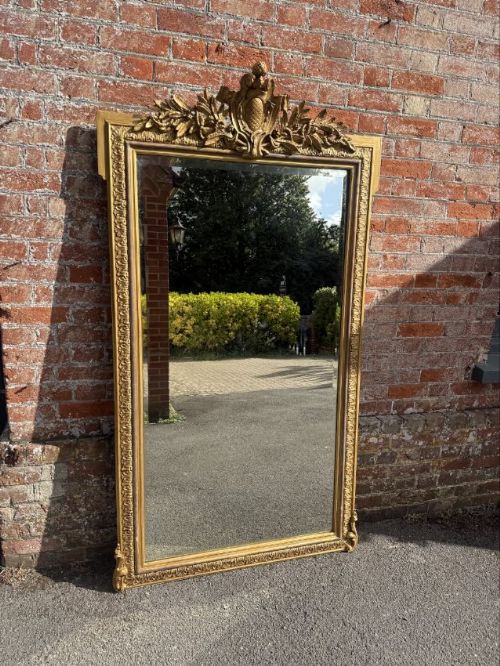
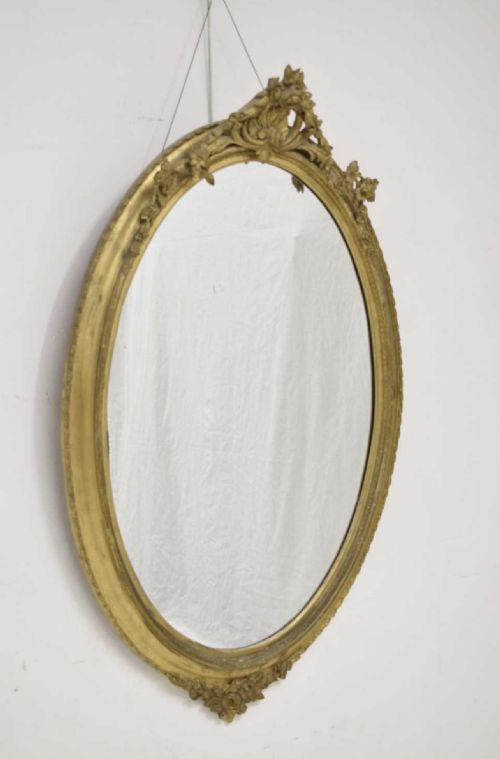
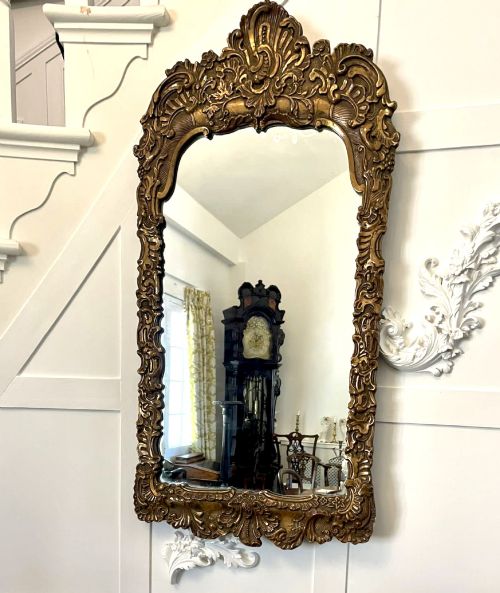
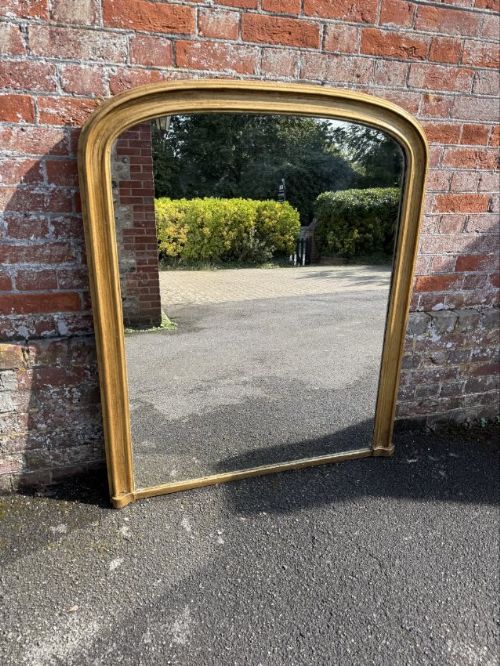
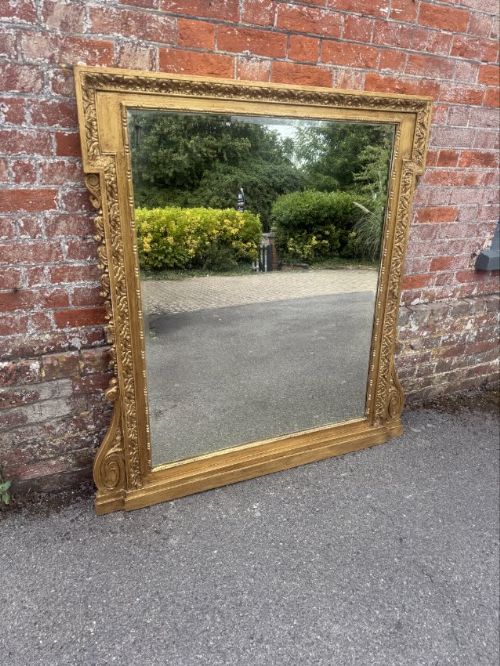
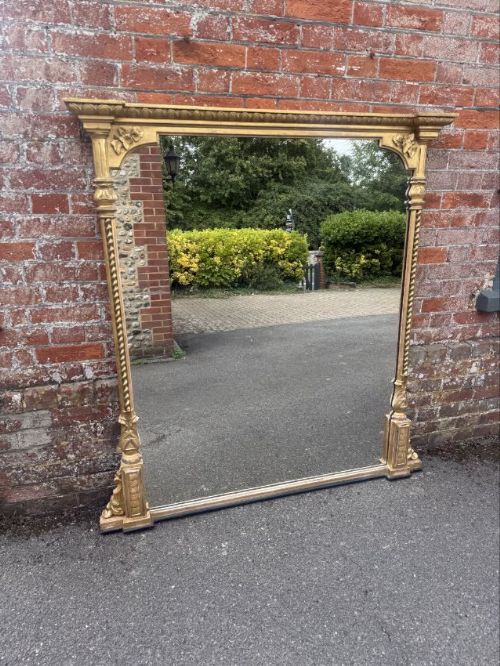
Antique Gesso Frame
When you search for an antique gesso frame, you enter a world of moulded ornament and gilded surfaces designed to hold paintings and mirrors.
Antique Gesso Frame
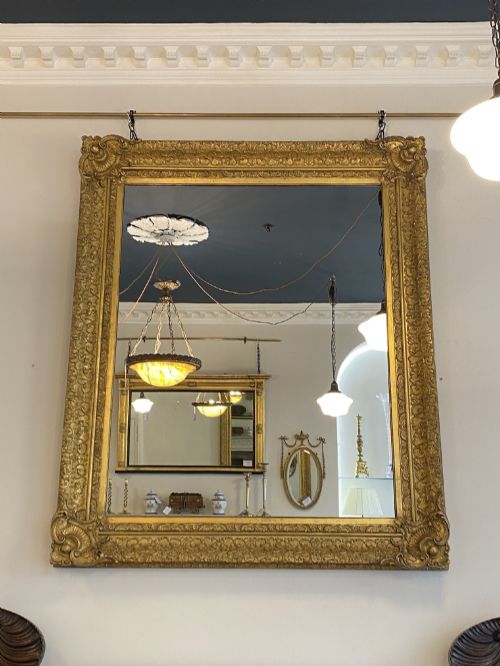
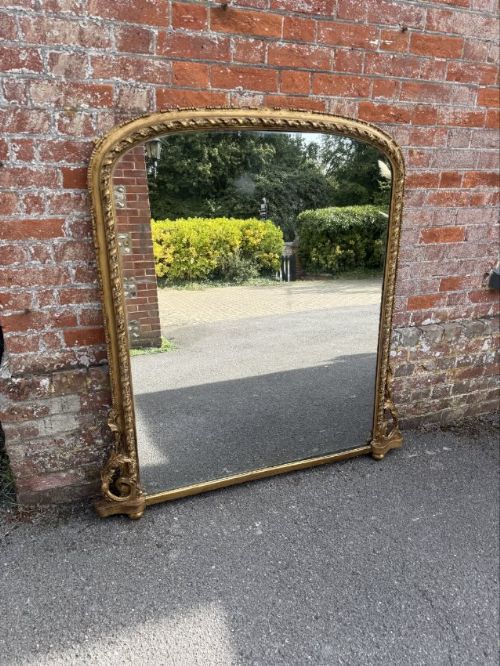
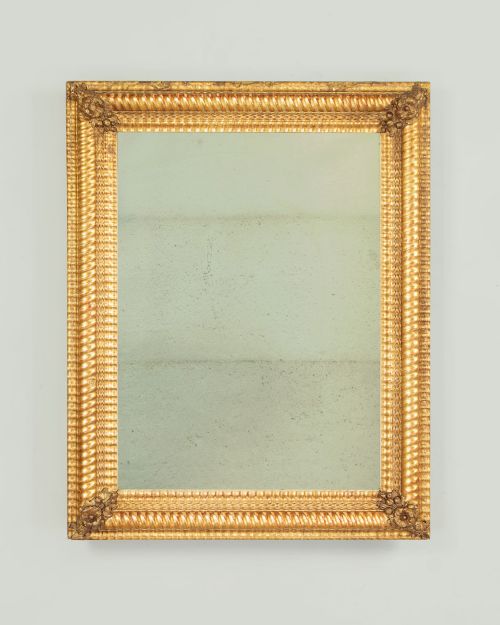
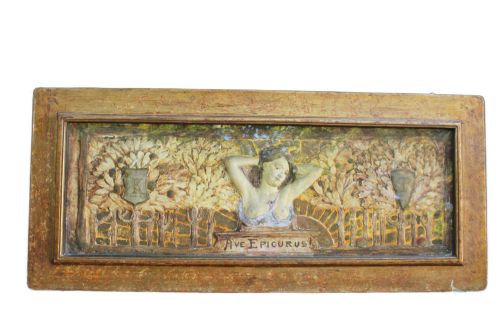
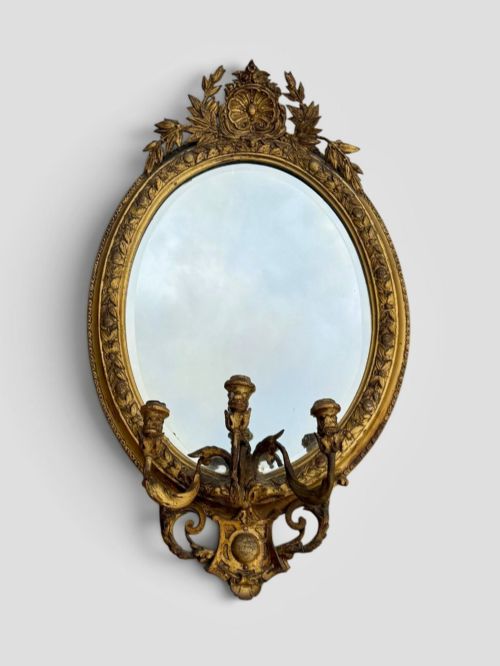
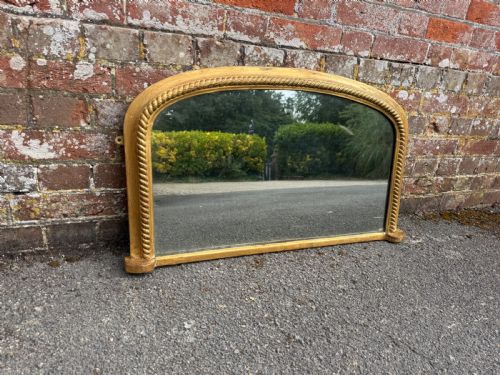
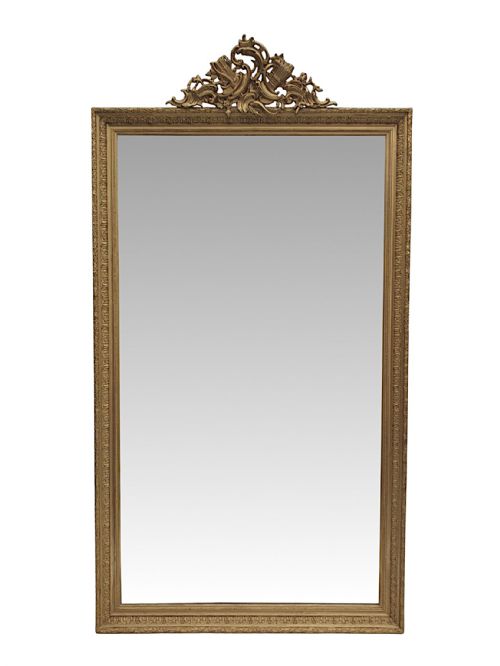
An antique gesso frame provides a decorative housing for mirrors, paintings, and wall relief panels across various periods. These objects combine wooden substrates with prepared surfaces, appearing in styles from French Rococo to Victorian revival.
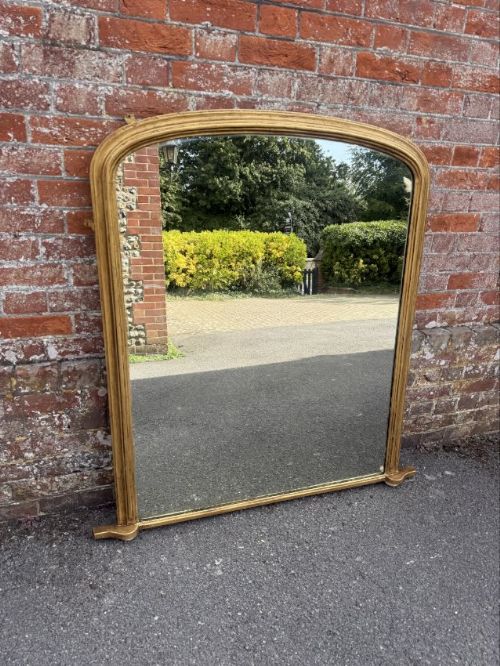
The pieces on this page span several centuries, including 18th century George I period designs, 19th century English and French examples, and early 20th century work. Overmantel mirrors and picture frames dominate the selections available to collectors.
Materials and construction
Craftsmen built these items using carved wood and applied gesso, a mixture of plaster or chalk bound with glue. This compound allowed artisans to model intricate reliefs, rope twists, fluted hollows, and floral motifs directly onto the wooden substrate.
Makers applied gold leaf, giltwood, or paint over the gesso layers to achieve reflective metallic finishes. Glass and mirror glass were then fitted into the finished mouldings for wall and overmantel pieces.
Some Victorian mirrors spent generations reflecting gloomy parlours before finally finding themselves lit by modern electric lamps.
Distinctions in quality
Depth of relief work and sharpness of the moulded ornament distinguish different examples. Hand-carved wooden foundations paired with carefully applied gesso create crisper details than simpler cast versions.
The integrity of the gilded surface and the preservation of the original underlying gesso layer mark the grade of a piece. Finer items retain their original surface texture without excessive modern intervention.
The Antique Gesso Frame Glossary
- Gesso
- A paint mixture consisting of a binder mixed with chalk, gypsum, or pigment used to prepare wood surfaces for gilding.
- Giltwood
- Wood that has been given a thin coating of gold leaf or gold paint.
- Overmantel Mirror
- A large looking glass designed to be hung specifically above a fireplace mantel.
- Pier Mirror
- A tall mirror intended to be placed on the wall between two windows, often above a small table.
- Rococo Revival
- A 19th century design style drawing on 18th century asymmetric scrollwork, shell motifs, and natural forms.
Antique Gesso Frame: Frequently Asked Questions
How do I hang a heavy overmantel mirror?
Heavy antique mirrors require secure wall fixings anchored directly into masonry or substantial timber studs. Professional framing installers utilise heavy-duty D-rings and wire rated well above the weight of the object.
Position the frame at a height that reflects the room correctly while distributing the weight evenly across multiple load-bearing points.
How should I clean a gilded gesso frame?
Dust the surface gently using a very soft, dry artist brush or ostrich feather duster. Avoid applying moisture, chemical cleaners, or modern polishes, as these can dissolve the water-soluble binder in historical gesso.
Consult a professional conservator if the gilding is flaking or if deeper cleaning is required to remove accumulated grime.
How can I tell the period of a frame?
Examine the timber substrate, the composition of the gesso, and the style of the carved ornament. Georgian pieces often feature distinct timber preparation and hand-carving techniques compared to later Victorian revival items.
Check the backboards, fixings, and mirror glass where present, as older silvering methods and handmade screws provide clues to the manufacturing date.
Can I replace the mirror glass?
Original mirror glass often exhibits foxing, dark spots, and distortion that collectors value as proof of age. Replacing the glass removes historical authenticity and changes the character of the piece entirely.
If the glass is broken beyond repair, source aged or salvaged antique mirror glass rather than modern float glass to maintain visual consistency.