





Antique German Shepherd
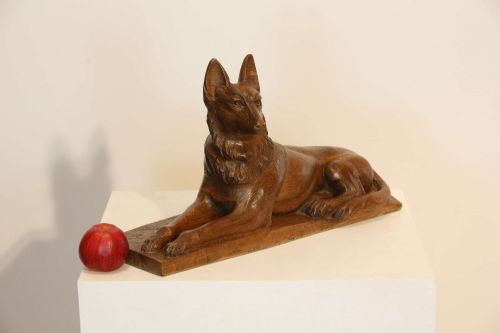
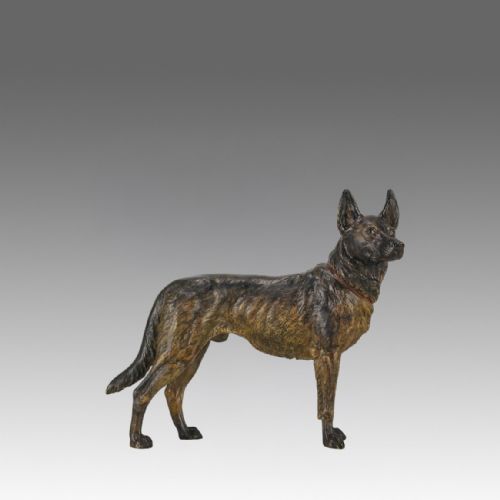
An antique german shepherd captures the alert intelligence of the breed in bronze, porcelain, and carved wood.
Antique German Shepherd
When you search for an antique german shepherd, you encounter figures and sculptures spanning the Victorian era through the Art Deco period. These pieces capture the canine form in media ranging from hard-paste porcelain to cold-painted bronze and carved hardwood.
The objects on this page include desk studies, figural candlesticks, walking cane handles, and night lights. European workshops, particularly in France, Germany, and the Black Forest, produced these works to celebrate the working dog and the companion animal.
You are most likely to meet animalier bronzes from the early twentieth century alongside nineteenth-century porcelain figurines. These representations reflect the rising popularity of the breed during the periods in which they were modelled.
How They Were Made
Makers utilised traditional casting methods for the bronze and gilt bronze pieces, applying cold-painted finishes or patination by hand. Animalier sculptors worked with foundries to capture musculature and posture in molten metal.
Porcelain examples, such as those from Sitzendorf and Dresden, were shaped in moulds, hand-painted with ceramic colours, and fired in kilns. Guilds and factories employed skilled modellers to ensure the glaze and detail remained crisp.
Wood carvers in the Black Forest worked with hardwoods to create articulated cane handles and walking sticks. These items relied on hand-carving techniques to delineate fur texture and facial expression.
Antique German Shepherd Retail Price Guide 2026
Typical asking prices for german shepherd among the pieces listed under this phrase on Sellingantiques today, from the lower quarter to the upper quarter. They describe what is for sale here now, not the wider market.
Some Black Forest walking sticks feature hinged jaws that snap open, ensuring your canine companion maintains a perpetual bark.
What Varies in Quality
The fidelity of the casting and the preservation of the original surface finish separate standard production from superior work. Bronzes with intact cold-painting show greater nuance in the rendering of coat and expression.
Franz Bergman·Louis Riche·Foucher
The Antique German Shepherd Glossary
- Animalier
- A nineteenth-century artistic movement dedicated to the realistic representation of animals. Sculptors in this tradition focused on the anatomy and movement of beasts.
- Cold-Painted Bronze
- A technique where bronze sculptures are painted with oil or enamel paints without subsequent firing. This finish is susceptible to flaking over decades if handled improperly.
- Hard-Paste Porcelain
- A ceramic material composed of kaolin and petuntse, fired at high temperatures. It yields a durable, vitrified body that resists scratching.
- Black Forest
- A regional style of wood carving associated with nineteenth-century Germany and Switzerland. These works typically feature naturalistic animal subjects carved from native timbers.
Antique German Shepherd: Frequently Asked Questions
How do I identify a cold-painted bronze german shepherd?
Examine the surface for layered paint applied directly over the metal rather than a chemical patination. Look closely at areas of high friction where the underlying bronze or brass tone shows through.
Check for maker marks or Bergman amphora stamps near the base. The weight and cold touch of the metal beneath the paint confirm the material.
What distinguishes an alsatian from a german shepherd in antiques?
The terms were frequently used interchangeably in British and European records during the early twentieth century, particularly following the First World War. Both designations refer to the same canine breed in listings from this era.
Sculptors and potteries applied either name depending on regional preferences and the target market. The physical characteristics in the bronze or porcelain remain identical regardless of the title used.
Where should I place a porcelain german shepherd figure?
Position porcelain pieces away from direct sunlight and high-traffic edges to protect the hand-painted glaze and fine extremities. Mantelpieces and enclosed cabinets offer stable environments shielded from sudden temperature shifts.
Keep them clear of heavy vibration sources such as speakers or slamming doors. Cleaning requires only a soft, dry brush to remove dust from the crevices.