

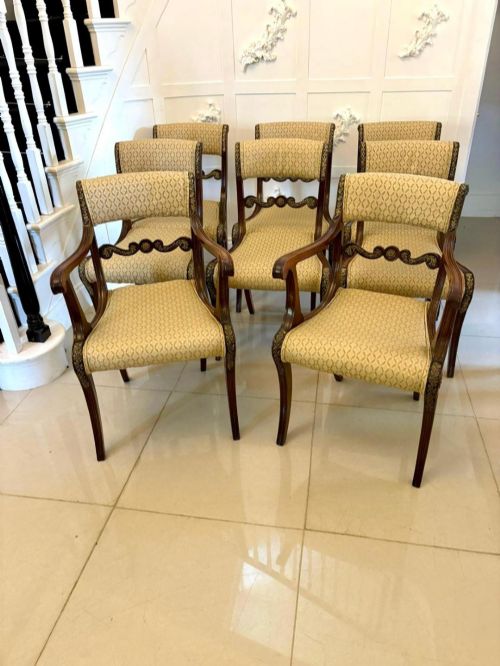
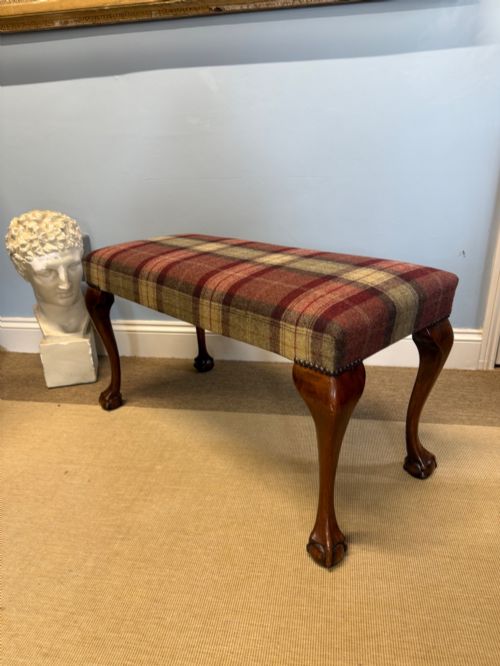
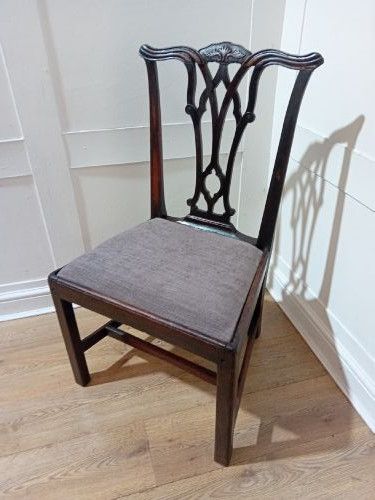
Antique Georgian Seating
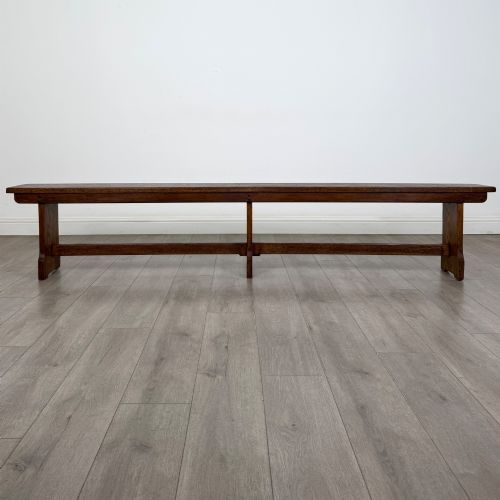
Antique georgian seating brings formal dining chairs, robust country armchairs, and long oak tavern benches into domestic rooms.
Antique Georgian Seating
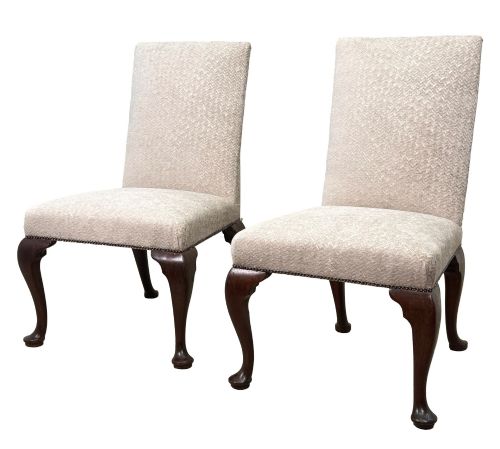
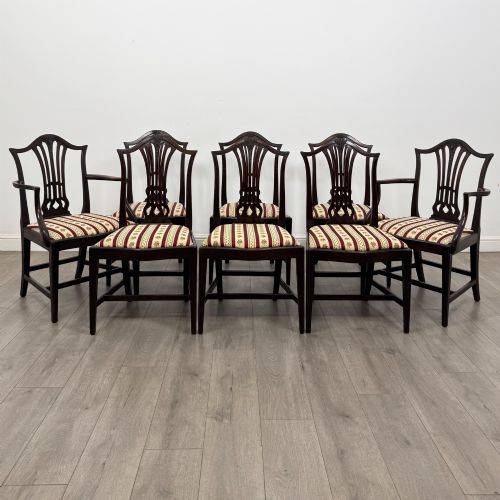
Antique georgian seating encompasses dining chairs, armchairs, benches, hall chairs, stools, and settles originating across the eighteenth and nineteenth centuries. Buyers searching for antique georgian seating encounter formal dining chairs in sets alongside single elbow chairs, library desks chairs, and vernacular country seating.
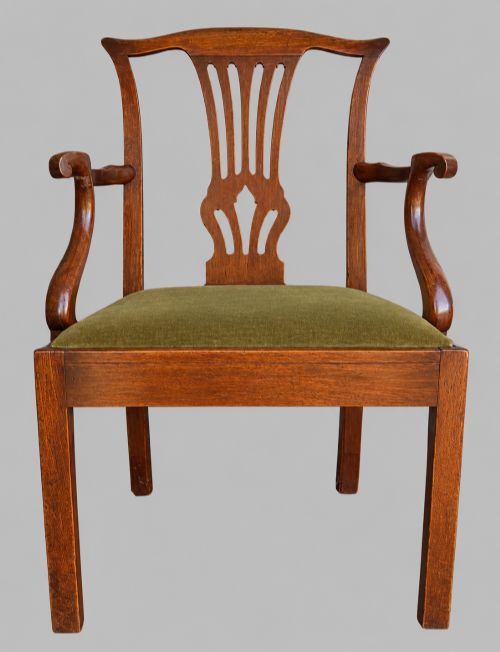
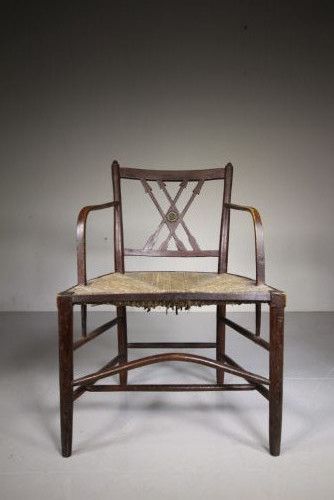
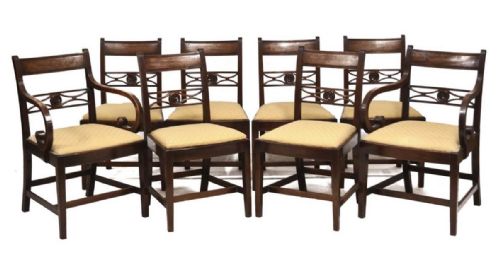
The regional variety spans English country pieces in ash, elm, and oak to formal mahogany chairs influenced by Sheraton, Hepplewhite, and Chippendale designs. Sets appear in various sizes, ranging from pairs of hall chairs up to large dining sets containing twelve chairs with carver armchairs.
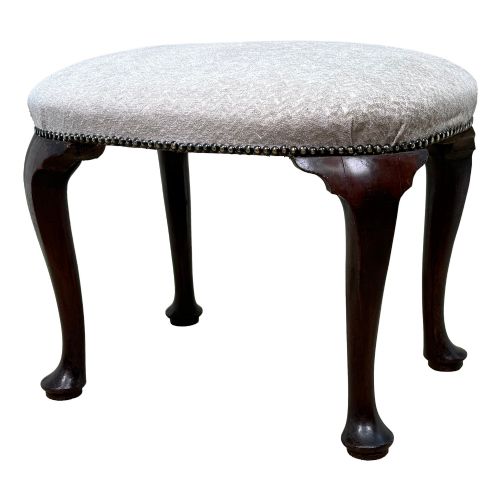
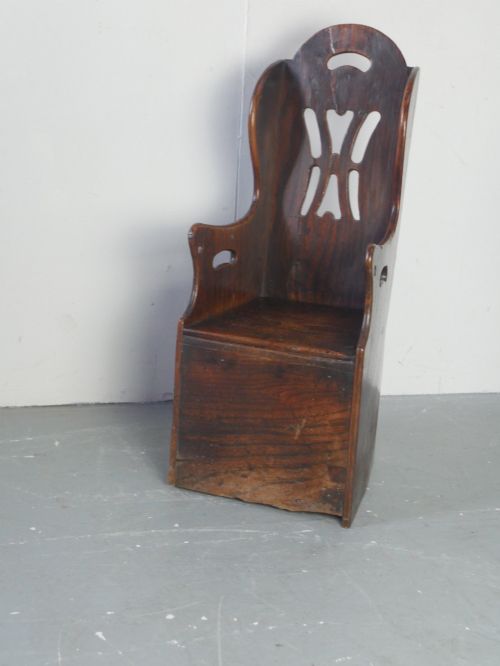
Domestic seating forms also include window seats, footstools, rocking settles, and children's chairs produced during the Georgian, Regency, and William IV periods. Pieces frequently display specific regional traits, such as Welsh oak construction or Scottish George III proportions.
Materials and Construction
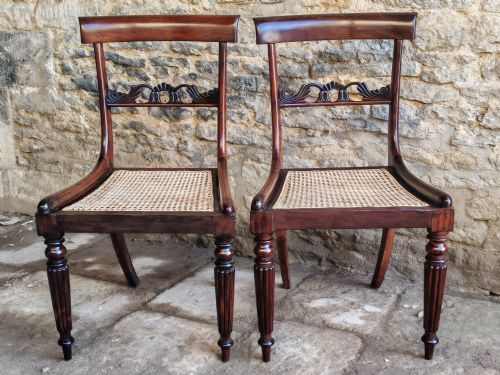
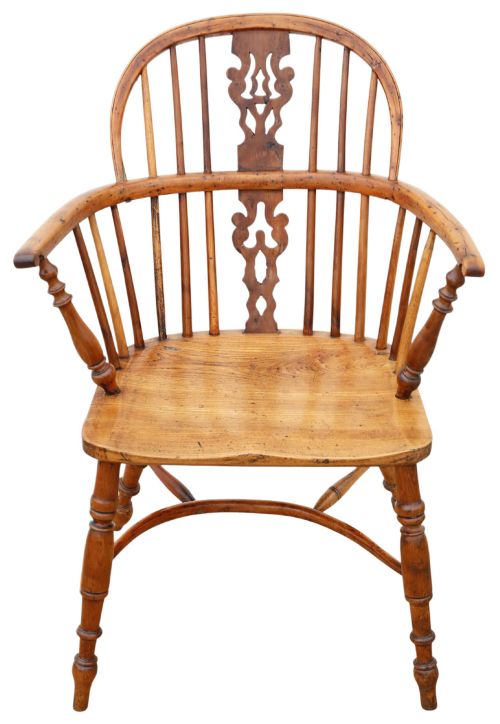
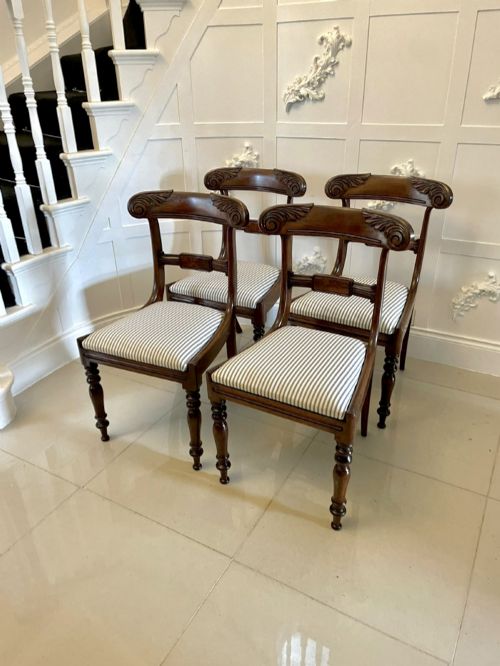
Cabinetmakers utilised solid mahogany for formal dining chairs, library seating, and hall chairs, often incorporating brass inlay, carved shield backs, or bar backs. Country seating relied on native timbers including oak, elm, ash, and yew, shaped into Windsor armchairs and ladderback open armchairs.
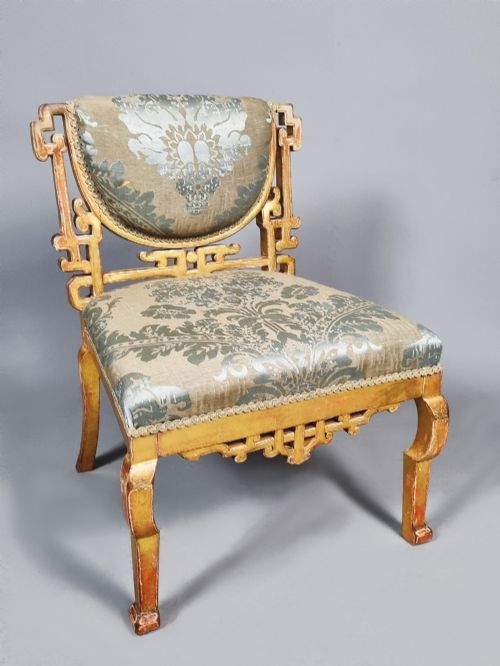
Upholstery methods involved drop-in tapestry seats, leather, velvet, and contemporary silk textiles like Colefax and Fowler fabric. Structural support relied on traditional joinery techniques, such as joint stools with pegged mortise and tenon joints and Windsor construction with turned spindles.
The inventory spans the 18th Century, 19th Century, Georgian, Regency, William IV, and Victorian periods.
Evaluating Seating
Quality depends upon the crispness of carved details on mahogany splats, shield backs, and crest rails, alongside the integrity of the underlying timber. Sets demonstrate superior craftsmanship when all single chairs and carvers share identical proportions, turning, and timber grain without mismatched replacements.
Country pieces achieve distinction through robust construction in dense elm or oak, retaining original paint surfaces or honest patination from prolonged domestic use. Formal seating shows refinement through balanced proportions, subtle brass inlay, and original cane or upholstered drop-in seats.
The Antique Georgian Seating Glossary
- Carver
- An armchair designed to match a set of dining chairs, typically positioned at the head of a dining table.
- Shield Back
- A chair back shaped like a heraldic shield, popularised by designers such as Hepplewhite in the late eighteenth century.
- Settle
- A wooden bench with a high back, solid arms, and often a storage box beneath the seat.
- Windsor Chair
- A wooden armchair featuring a saddle-sculpted seat into which turned legs and spindles are wedged directly.
- Bar Back
- A horizontal crossbar forming the upper section of a dining chair back, common during the William IV period.
Antique Georgian Seating: Frequently Asked Questions
How do I care for antique wooden chairs?
Maintain stable indoor humidity levels to prevent timber from drying out and joints from loosening over time. Apply traditional beeswax sparingly to nourish the polished mahogany, oak, or elm surfaces without building up heavy residues.
Protect upholstered and cane seats from direct sunlight to avoid fading fabrics and brittle straw. Avoid placing chairs near direct heat sources such as radiators, which cause wood to warp and crack.
What is the difference between a carver and an armchair?
A carver specifically refers to an armchair designed to match a set of single dining chairs around a table. These pieces share identical decorative motifs, leg styles, and timber with the accompanying chairs.
General armchairs, such as Windsor or library elbow chairs, were made as standalone seating items rather than part of a matched dining set. They often feature larger proportions and different structural forms suited to lounging or desk work.
Are large sets of dining chairs difficult to find?
Large sets of matching dining chairs spanning ten or twelve pieces occur less frequently because many original suites were split up over generations. Most surviving sets comprise four to six single chairs with optional carvers.
When larger groups do survive intact, they frequently combine a smaller original core with later matching additions or incorporate carvers gathered during subsequent periods. Examine the turning and joinery closely to confirm consistency across an entire set.
How can I tell a country chair from a formal town piece?
Country seating relies on native regional timbers like elm, ash, yew, and oak, whereas formal town dining furniture predominantly utilises imported mahogany. Country chairs often feature vernacular forms like ladderbacks and Windsor construction.
Formal pieces display sophisticated decorative influences from Sheraton, Hepplewhite, or Chippendale pattern books. Town furniture also typically incorporates finer carved details, polished finishes, and upholstered drop-in seats rather than solid wood or rush.