



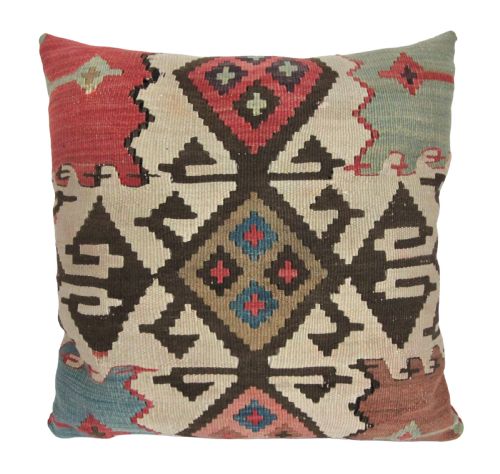

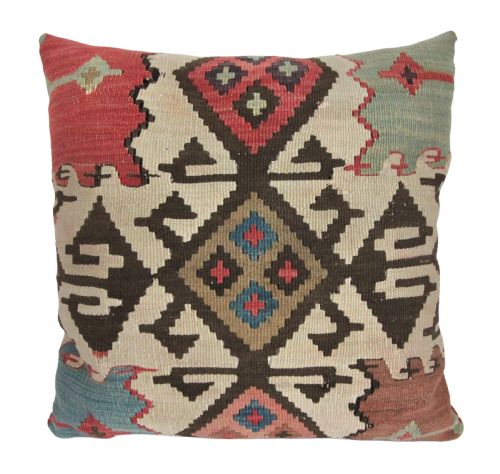


Antique Geometric Rug Pillow
An antique geometric rug pillow brings centuries of tribal heritage into a room through dense wool and striking patterns.
Antique Geometric Rug Pillow
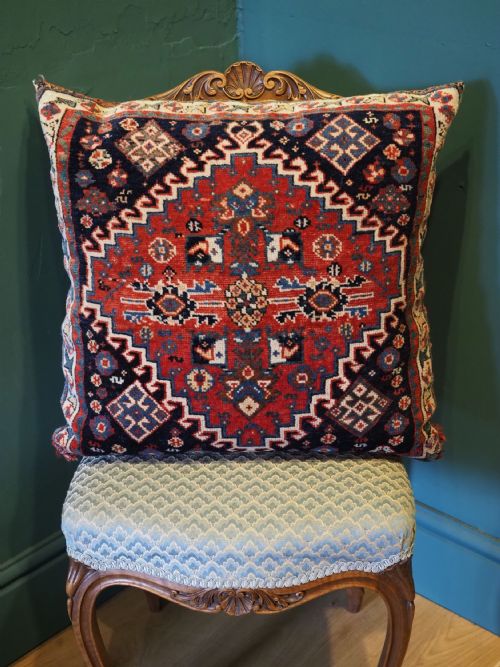
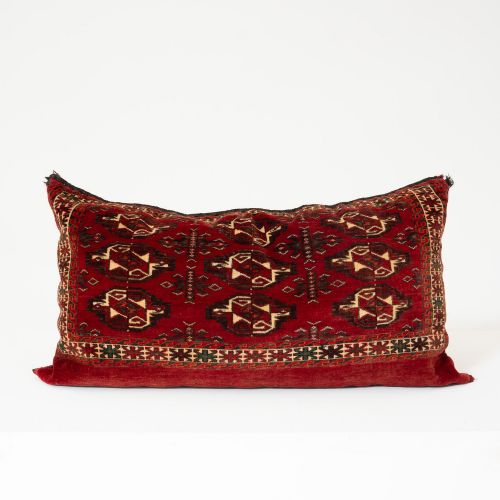
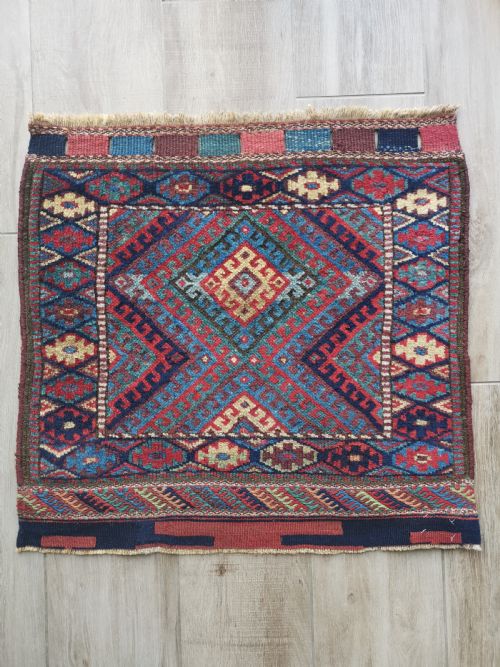
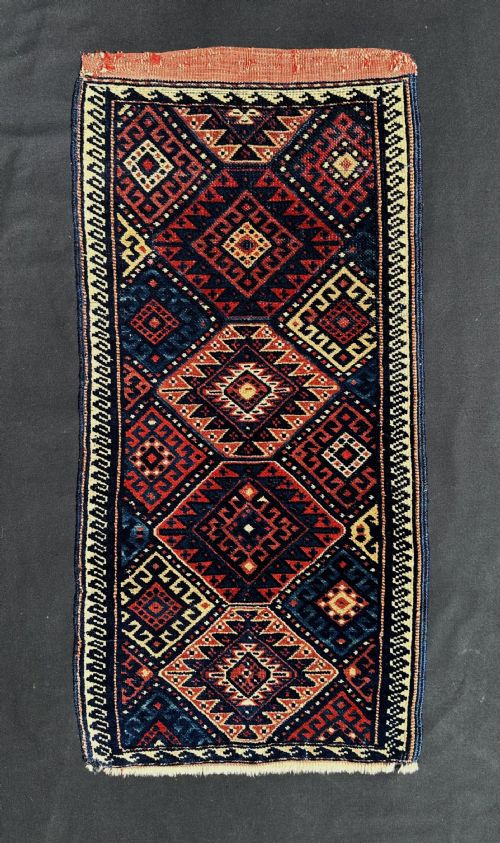
An antique geometric rug pillow is typically fashioned from fragments of nineteenth and early twentieth-century nomadic textiles, repurposed into cushions and throw cushions. These pieces originate primarily from Persian and Anatolian tribal groups, including the Qashqai, Shahsevan, Kurdish, Baluch, and Turkmen peoples.
The most common formats on this page are constructed from transformed saddlebags, bagfaces, and flatwoven kilims. Each cushion retains the original tribal iconography and structural character of the utilitarian storage containers or floor coverings from which it was adapted.
How they were made
Makers utilised hand-spun wool and cotton foundations, binding the thick pile or flatweave structures with sturdy textiles. Natural dyes provided the deep pigments that hold their character across decades of wear.
Nomadic weavers knotted or wove these heavy surfaces by hand in tribal camps and regional workshops before later artisans transformed the textiles into cushions.
Antique Geometric Rug Pillow Retail Price Guide 2026
Typical asking prices for geometric rug pillow among the pieces listed under this phrase on Sellingantiques today, from the lower quarter to the upper quarter. They describe what is for sale here now, not the wider market.
Listings feature pieces originating from the nineteenth and early twentieth centuries, spanning periods from eighteen-fifty to nineteen-twenty.
What varies in quality
The quality of an antique geometric rug pillow rests upon the integrity of the original weave and the vibrancy of the surviving wool. Tightly knotted structures and complex tribal motifs indicate superior craftsmanship.
Condition also plays a part, distinguishing pieces with robust, stable wool from those showing heavy structural loss. The depth of colour achieved through natural dyes elevates certain examples above standard workshop output.
The Antique Geometric Rug Pillow Glossary
- Bagface
- The decorated front panel of a nomadic storage bag. These panels are frequently repurposed into cushions and pillows.
- Kilim
- A flatwoven textile produced without a pile. They provide a sturdy, durable surface for everyday soft furnishings.
- Saddlebag
- A paired storage container hung across the flanks of an animal. Halves of these bags are often separated and converted into small cushions.
- Natural dye
- Colour derived from plant, insect, or mineral sources rather than synthetic compounds. These dyes yield rich, complex tones that age gracefully.
- Balist
- A traditional Persian term for a pillow or small bag. They were originally utilised for resting or sleeping inside nomadic tents.
Antique Geometric Rug Pillow: Frequently Asked Questions
How do I clean an antique rug pillow?
Surface dust should be removed gently using a soft brush or light suction without a beater bar. Professional textile cleaning is recommended for deep maintenance.
Water and harsh detergents can damage natural dyes and weaken hand-spun wool fibres. Spot cleaning requires extreme caution and specialised wool care products.
Are these pillows made from real rugs?
Yes, these items are constructed from genuine antique tribal textiles, saddlebags, and flatwoven kilims. Artisans repurpose authentic historical pieces into usable cushions.
This practice preserves fragments of nomadic weaving traditions that might otherwise be lost. Each pillow retains the original wool, dye, and pattern of the parent textile.
How do I date a tribal pillow?
Dating relies on assessing the materials, dye types, and structural weave characteristics. Natural dyes and hand-spun wool generally point to nineteenth or early twentieth-century production.
Specific tribal motifs and regional weaving structures also provide strong chronological clues. Comparing the piece to documented examples helps narrow down the decade of creation.
Can I use these pillows daily?
These cushions suit decorative placement on armchairs, sofas, or beds where gentle use occurs. The sturdy wool and cotton construction handles normal domestic environments well.
Heavy friction on fragile flatweaves or very old pile sections should be avoided to prevent wear. Rotating the pillows helps ensure even ageing over time.