




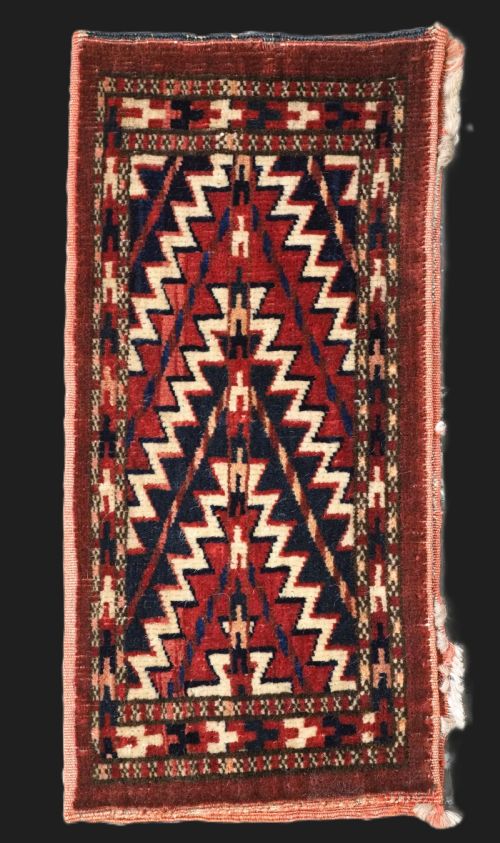
Antique Geometric Bag
An antique geometric bag is a tactile fragment of nomadic life, offering bold patterns and rich textures that anchor a modern room.
Antique Geometric Bag
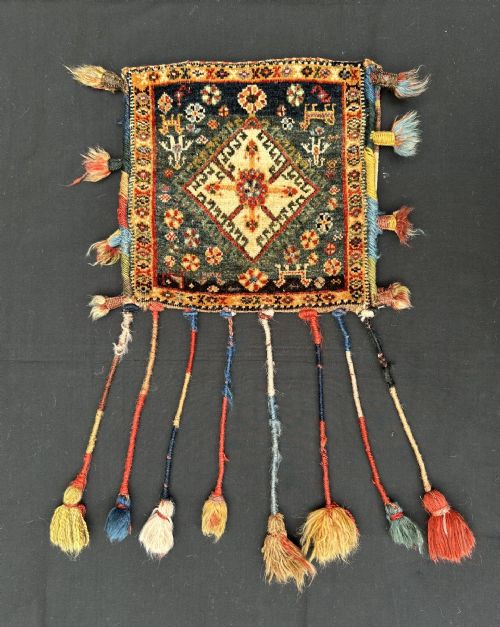
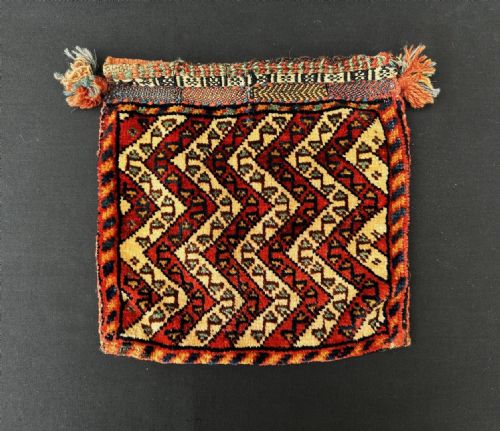
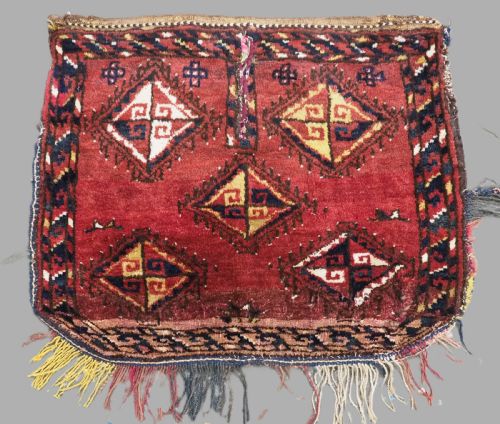
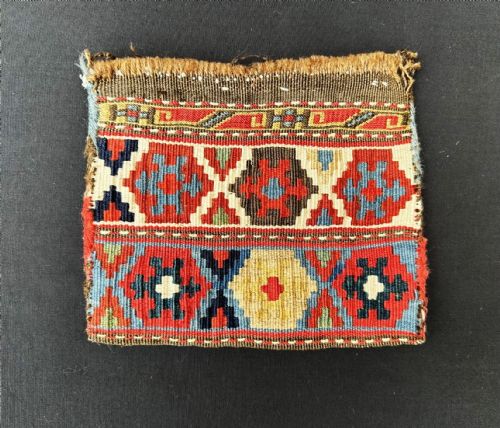
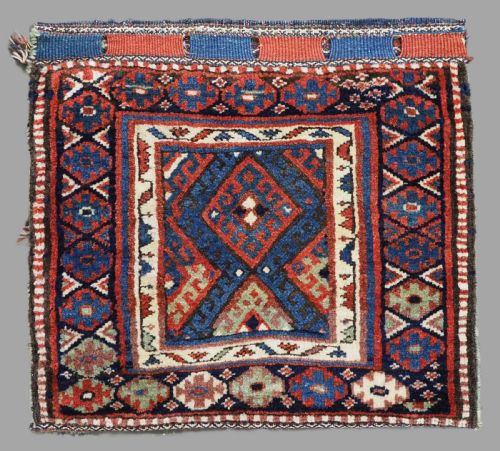
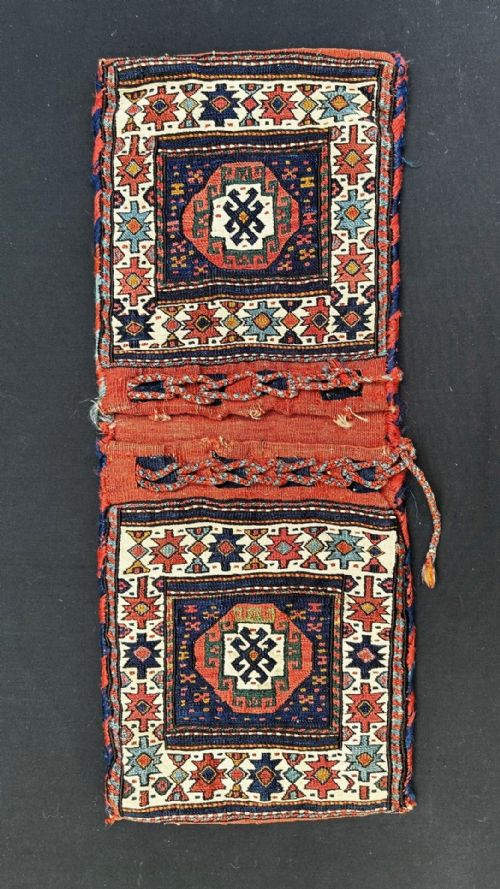
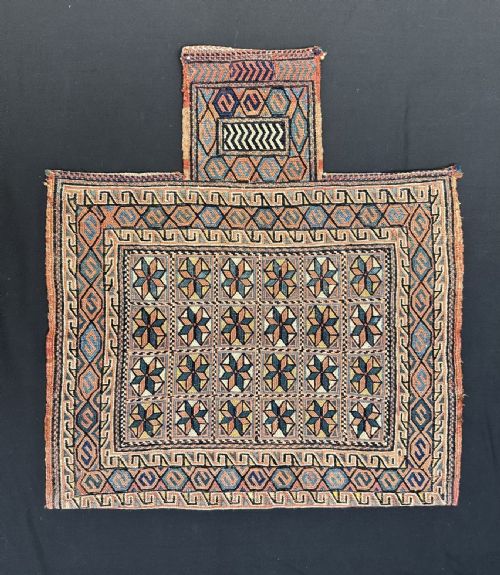
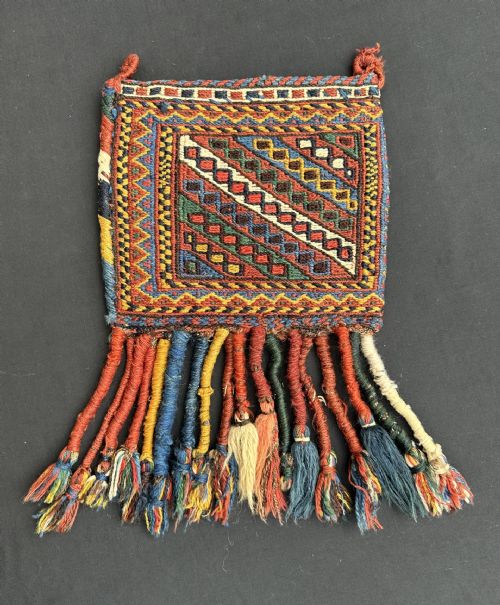
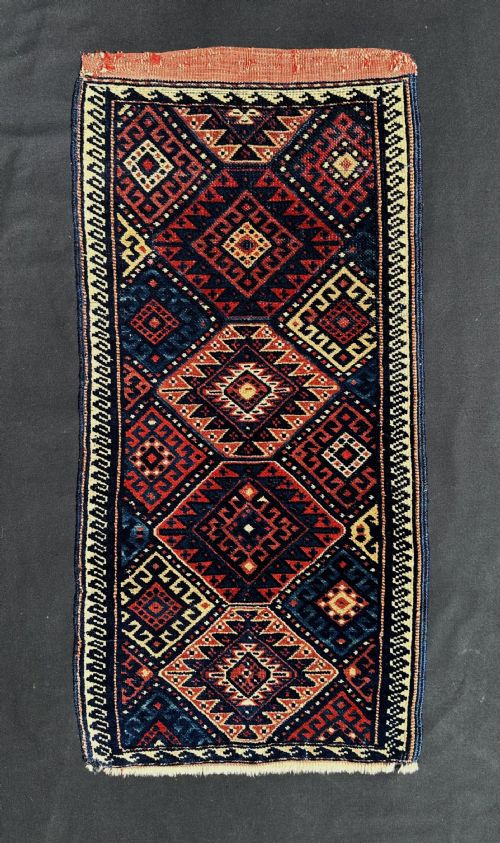
When searching for an antique geometric bag, collectors encounter utilitarian textiles woven by nomadic and tribal groups across Persia, the Caucasus, and Central Asia during the nineteenth and early twentieth centuries. These pieces originated as functional containers such as salt bags, vanity bags, saddlebags, and tent-pole bags used for storage and transport during seasonal migrations.
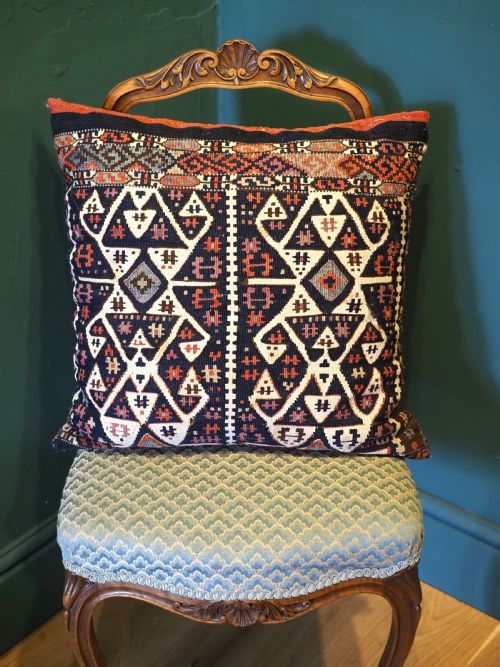
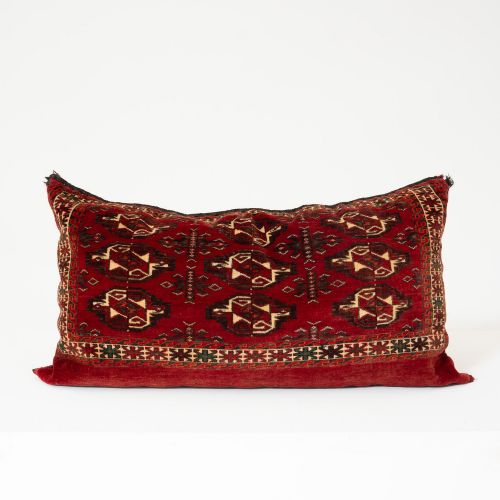
The version most commonly met on this page is the bag face or cushion conversion, where the original front panel or paired halves have been preserved and mounted for domestic display. Tribal weavers from groups including the Shahsavan, Qashqa'i, Turkmen, and Baluch created these items using traditional weaving structures.
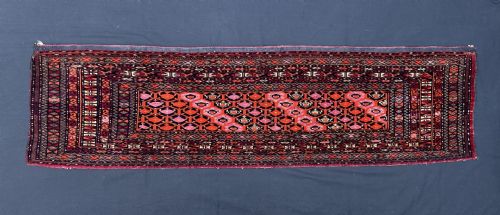
The forms range from small vanity pouches to large storage sacks and torba faces, spanning styles identified as Persian Tribal, Turkmen Tribal, and Caucasian Tribal. These textiles reflect the specific utilitarian heritage and regional aesthetics of their makers.
Materials and Techniques
The construction of these textiles relies primarily on hand-spun wool combined with natural dyes derived from plants and minerals, yielding deep, enduring tones that mellow gracefully over decades. Weavers utilised wool for both the pile and the foundational warps and wefts, creating a dense, durable fabric capable of withstanding daily camp use.
Techniques varied by tribal tradition, encompassing pile knotting, flat-woven plain weave, and intricate soumak work where coloured weft threads are wrapped around warp threads to produce a textured, brocade-like surface. These diverse structural methods allowed nomadic makers to combine structural integrity with precise linear and geometric ornamentation.
Antique Geometric Bag Retail Price Guide 2026
Typical asking prices for geometric bag among the pieces listed under this phrase on Sellingantiques today, from the lower quarter to the upper quarter. They describe what is for sale here now, not the wider market.
Materials recorded across these nomadic textiles include hand-spun wool, natural dyes, and cotton foundations.
Assessing Quality and Merit
The distinction between standard examples and superior pieces rests upon the crispness of the drawing, the saturation and depth of the natural dyes, and the fineness of the weave. Exceptional textiles display a confident command of proportion within their geometric fields, where every motif relates harmoniously to the whole.
Integrity of survival also dictates standing, with preference given to pieces retaining their original plain-weave backs, complete borders, and untouched side finishes. The most compelling examples demonstrate an uncompromised vitality in their wool quality and dye variation, showing the hand of an experienced artisan working within established tribal traditions.
The Antique Geometric Bag Glossary
- Torba
- A small Turkmen storage bag, typically wider than it is tall, used inside a yurt for household items. These often feature prominent gul motifs and curled leaf designs along the border.
- Soumak
- A flat-weave technique involving wrapped weft threads that produce a textured, raised surface on the face of the textile. This method provides greater structural stability than standard plain weave.
- Khorjin
- The Persian term for a double saddlebag used by nomads for transport on pack animals. Surviving examples are frequently separated into individual bag faces or converted into cushions.
- Jollar
- A Turkmen tent bag designed for storage, distinguished by its specific proportions and tribal ornamentation. These pieces served both decorative and utilitarian functions within the nomadic household.
- Balisht
- A pillow or small bag-face produced by tribal weavers for domestic comfort. They showcase the same dense geometric patterning found in larger rugs and storage containers.
- Plain weave
- A simple alternating over-and-under weaving structure utilised for the backs and structural elements of bags. This technique offers a flat, durable surface that contrasts with pile or soumak faces.
Antique Geometric Bag: Frequently Asked Questions
What were antique geometric bags used for?
Nomadic tribes utilised these containers for practical storage and transport during seasonal migrations across Persia, Central Asia, and the Caucasus. They held salt, grain, personal items, and household goods within the tent or on the flanks of pack animals.
Over time, many of these utilitarian objects have been preserved as decorative fragments or converted into cushions for domestic use, maintaining their original structural artistry while adapting to modern interiors.
How do I live with a tribal bag face?
These textiles adapt easily to contemporary spaces as wall hangings, small floor accents, or mounted cushion covers. Their dense wool construction and durable flat-weave or pile surfaces handle light domestic traffic when placed thoughtfully.
Keep them out of direct, intense sunlight to protect the natural dyes from fading over time. Gentle rotation and occasional professional textile cleaning help maintain the wool's lanolin and structural integrity.
How do I identify different tribal styles?
Tribal attribution relies on recognising specific structural characteristics, colour palettes, and repeating geometric motifs unique to each group. Shahsavan pieces often feature crisp soumak work and dramatic compartmentalised designs, while Turkmen work is known for deep madder reds and characteristic gul medallions.
Qashqa'i and Afshar textiles frequently incorporate lively animal figures, stepped medallions, and rich blues alongside earthy browns and ivory grounds. Comparing edge finishes and knotting styles further clarifies regional origins.
What is the difference between a torba and a chuval?
A torba is a smaller Turkmen storage bag, generally wider than it is tall, often hung inside the tent to store small possessions. A chuval is a significantly larger Turkmen storage sack intended for bedding and bulky household goods.
Both share characteristic tribal motifs and colour schemes, but their distinct original dimensions dictate how they were deployed within the nomadic living space.