

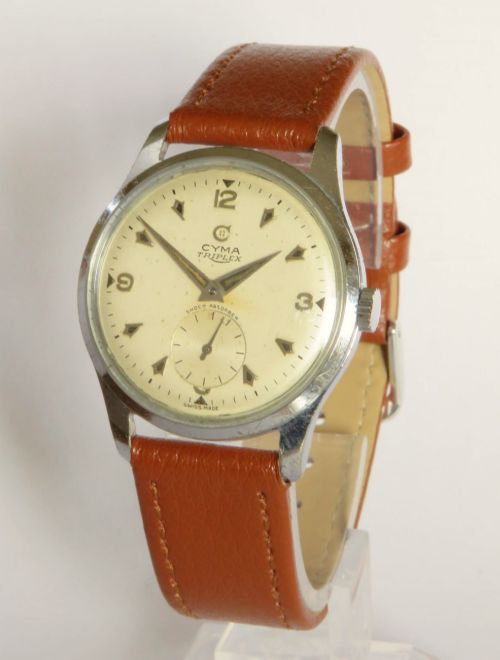
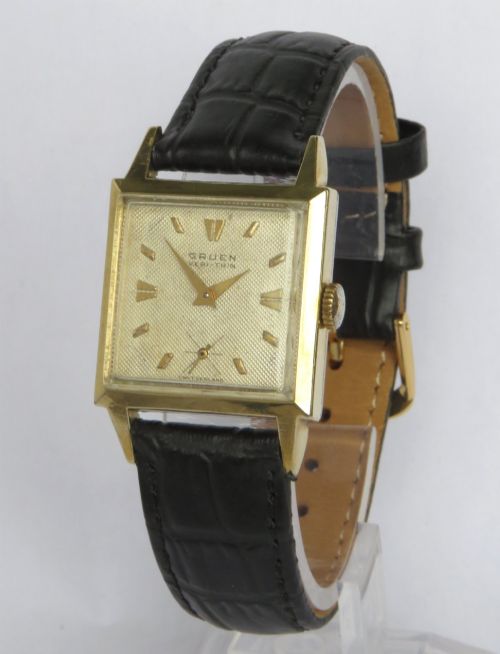
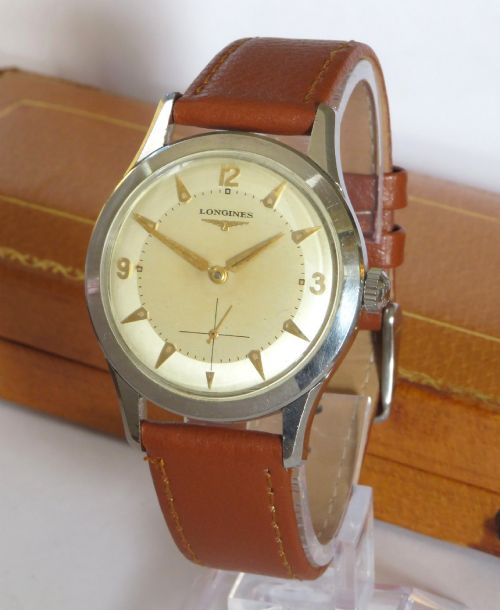
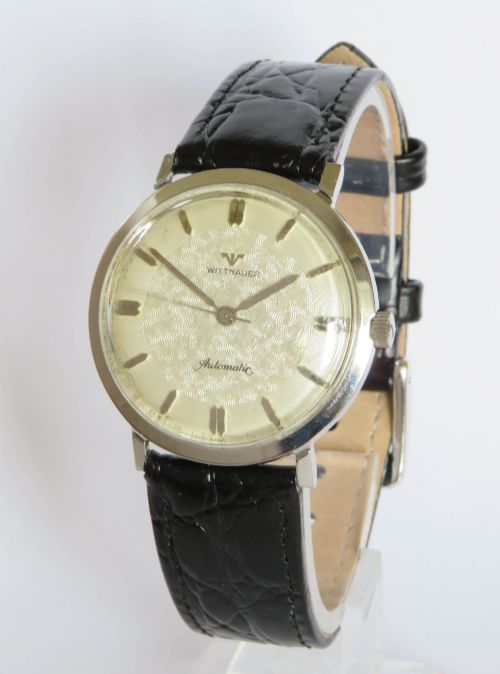
Antique Gents Wrist Watch
An antique gents wrist watch brings together mechanical precision and mid-century design, offering a tangible link to decades past.
Antique Gents Wrist Watch
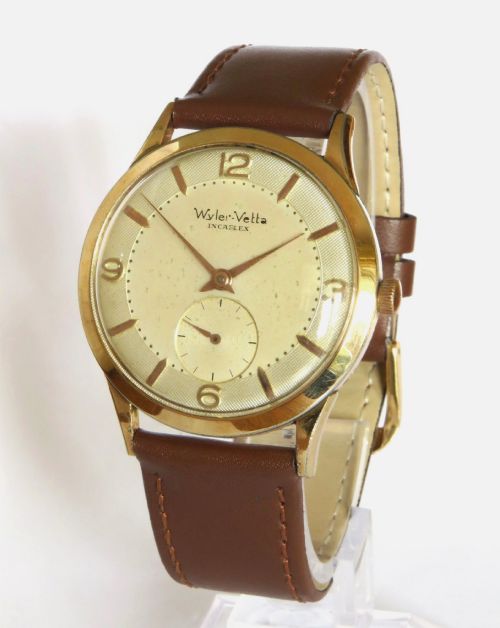
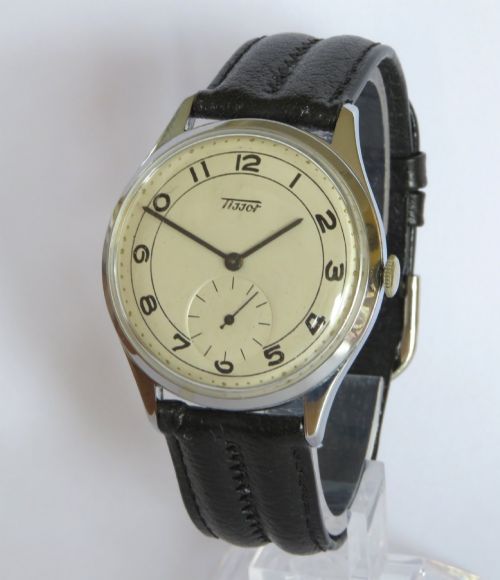
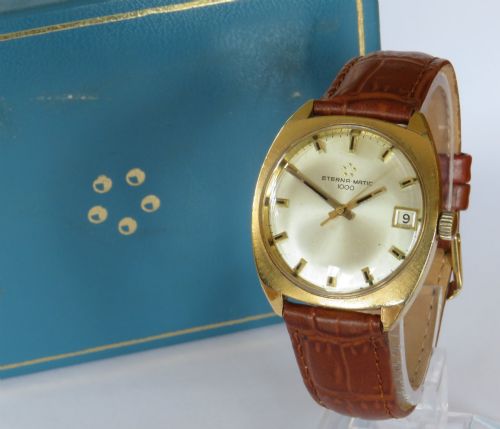
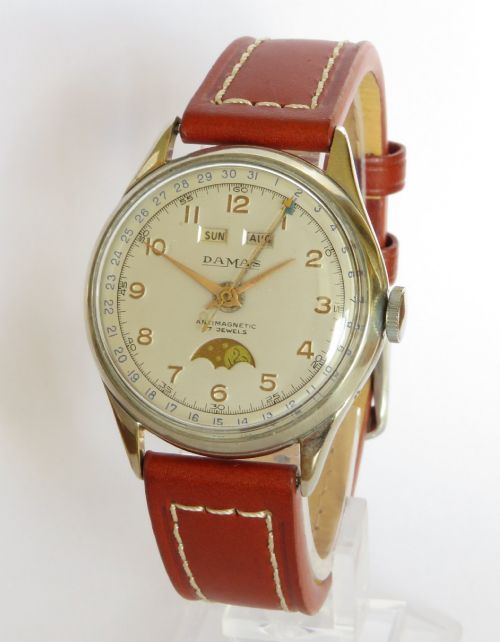
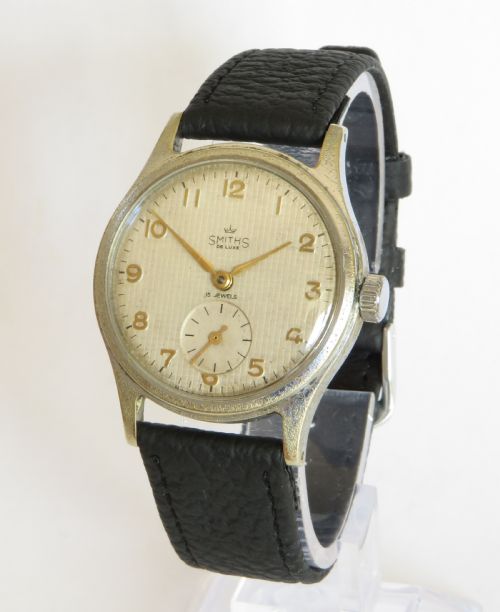
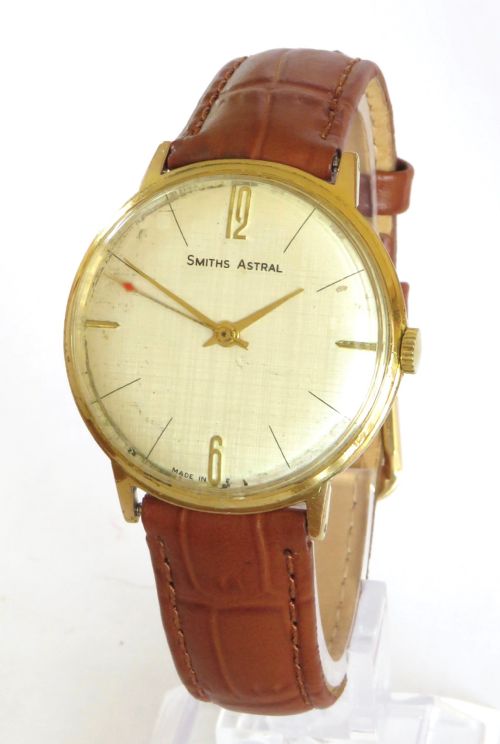
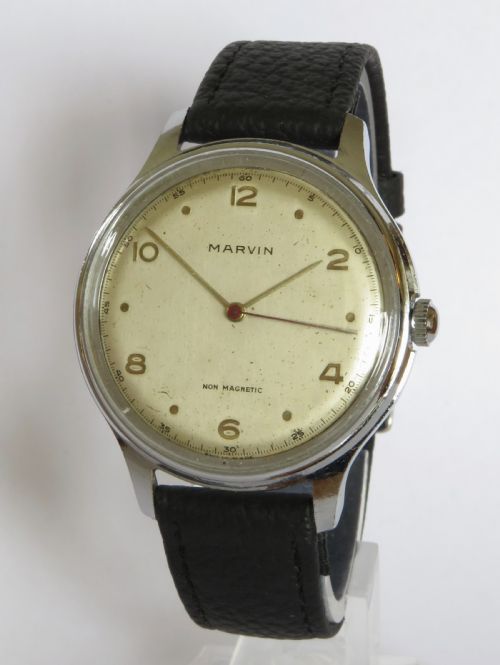
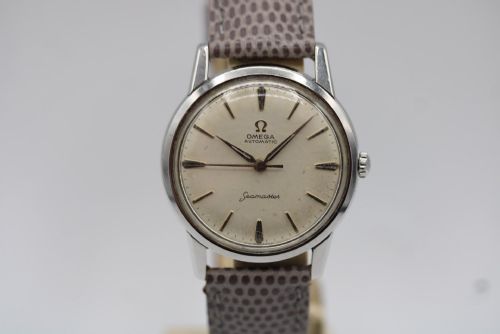
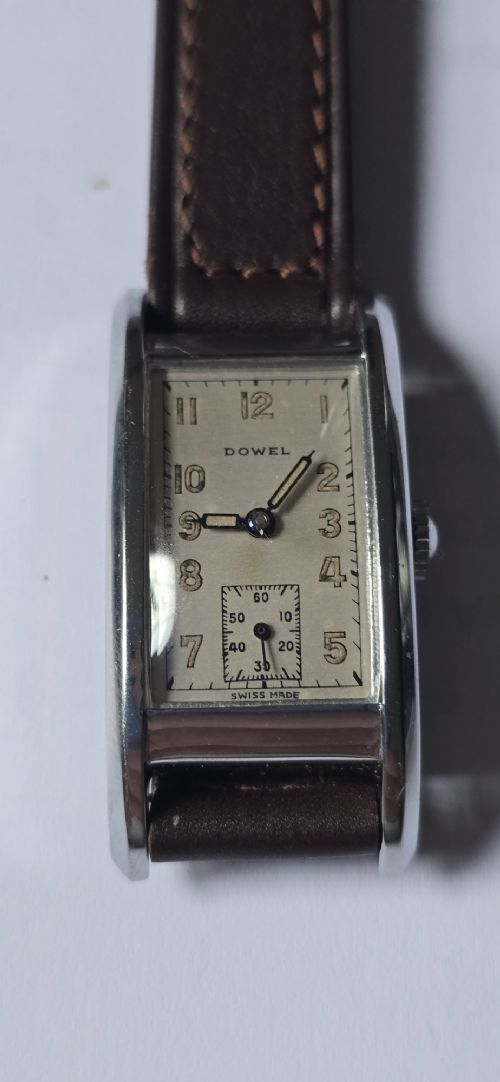
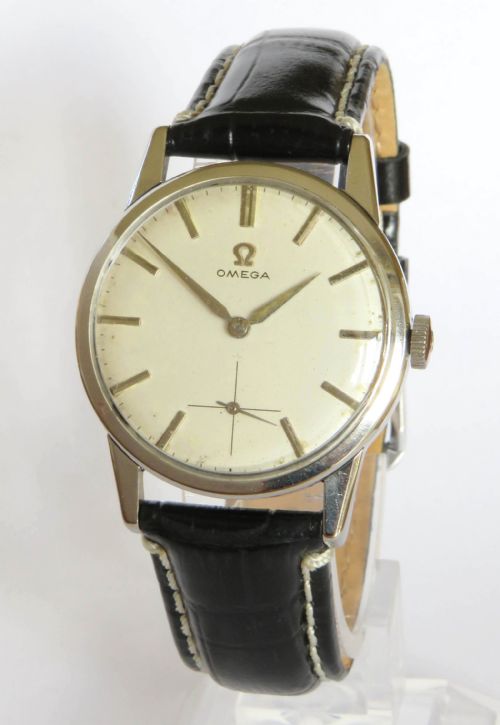
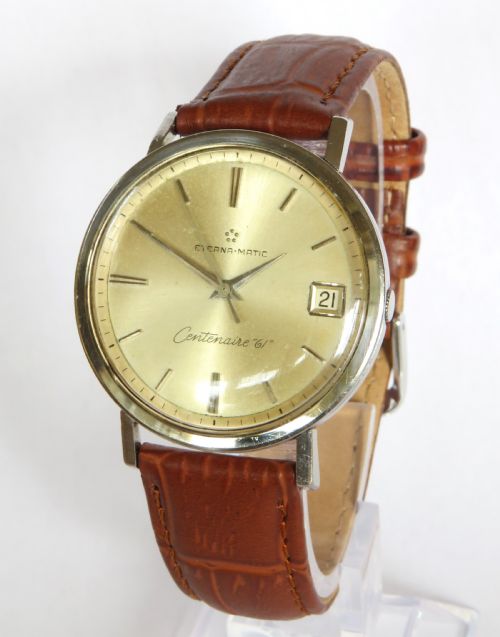
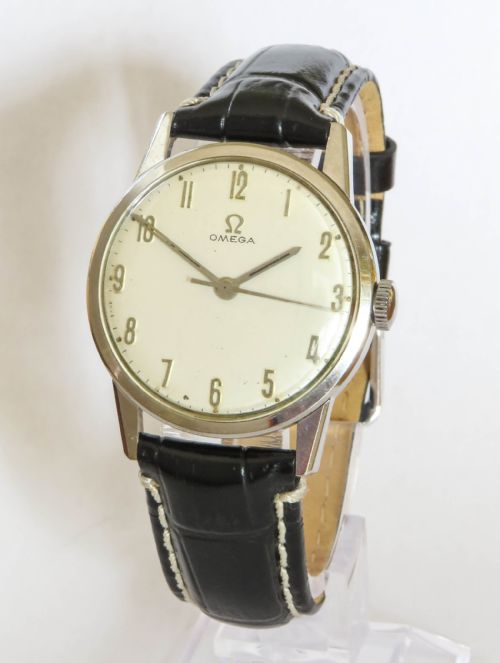
An antique gents wrist watch spans several decades of horological development, from early twentieth-century silver cases to mid-century automatic models. The pieces found here represent decades of mechanical wristwatches designed for daily wear.
Buyers will encounter various styles including Art Deco pieces, military-issued items from the 1940s, and Swiss or British timepieces from the 1950s and 1960s. These range from simple three-hand dials to chronograph complications.
How they were made
Cases were constructed from metals such as stainless steel, chrome, gold plate, and silver, paired with glass or acrylic crystals to protect the dial. Leather straps typically completed the assembly, securing the movement to the wrist.
Movements relied on mechanical gears, springs, and escapements, transitioning from manual wind to automatic self-winding calibres during the mid-century period. Enamel was frequently utilised for dial faces, providing a durable and legible surface.
Antique Gents Wrist Watch Retail Price Guide 2026
Typical asking prices for gents wrist watch among the pieces listed under this phrase on Sellingantiques today, from the lower quarter to the upper quarter. They describe what is for sale here now, not the wider market.
What varies in quality
The sophistication and finish of the movement separate standard production pieces from higher-tier examples, with manufacturers incorporating precision adjustments and superior jewel counts. The pedigree of the maker significantly influences the standard of engineering within the case.
Materials and dial execution also define the hierarchy, involving solid precious metals versus plated housings, along with intricate chronograph mechanisms or specialised military specifications.
Montilier·Cyma·Bulova·Festina·Gruen·Omega·Hahn Landeron·Venus·Enicar·Smiths·Longines·Kered·Roamer·Rotary·Baume·Marvin·Eterna·Girard Perregaux·Sperina·Garrard·Dogma Prima·Zenith·Tissot·West End Watch Co·Certina
The Antique Gents Wrist Watch Glossary
- Automatic
- A self-winding mechanical movement that uses the motion of the wearer's wrist to power the mainspring. This system removes the need for daily manual winding.
- Chronograph
- A watch equipped with a stopwatch function alongside its standard timekeeping display. These models feature dedicated sub-dials and pushers on the case.
- Calibre
- The specific internal movement design and designation created by a watch manufacturer. Collectors use this term to identify the exact mechanical engine inside.
- Crystal
- The transparent cover positioned over the watch dial, historically made from glass or later acrylic. It protects the hands and dial from dust and physical contact.
- Tank watch
- A rectangular timepiece with extended lugs that integrate smoothly into the strap line. This geometric style gained prominence during the Art Deco era.
Antique Gents Wrist Watch: Frequently Asked Questions
How do I wind a manual watch?
Rotate the crown clockwise between your thumb and forefinger until you feel resistance. Stop immediately to avoid damaging the mainspring.
Most vintage mechanical watches require winding once every twenty-four hours to maintain accurate timekeeping throughout the day.
Are these watches waterproof?
Original vintage timepieces lack modern rubber seals and gasket systems. Exposure to moisture can easily rust delicate internal steel components.
Keep these watches away from water, rain, and heavy humidity to preserve the movement and the dial.
What is a military watch?
Military watches were issued to armed forces personnel, featuring high legibility, robust steel cases, and specific government markings on the case back. They were built to endure rigorous field conditions.
These pieces often display luminous dials and straightforward tracking layouts designed for precise operational timing.
How do I date a vintage watch?
Makers often stamped serial numbers onto the inside of the case back or directly onto the movement plates. Cross-referencing these numbers with maker-specific records reveals the production year.
Stylistic cues such as dial typography, hand shapes, and case geometry also provide strong indications of the manufacturing decade.