

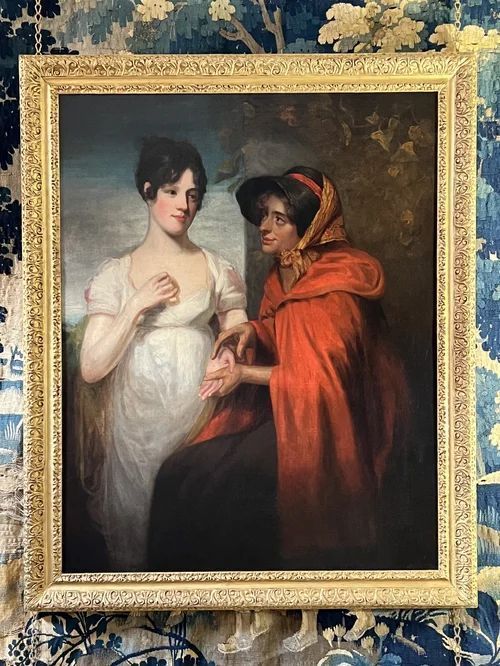
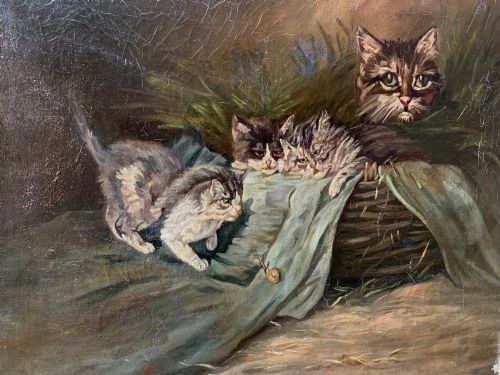
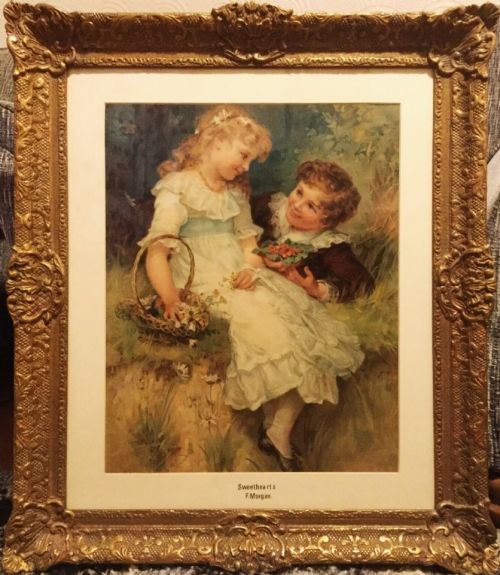
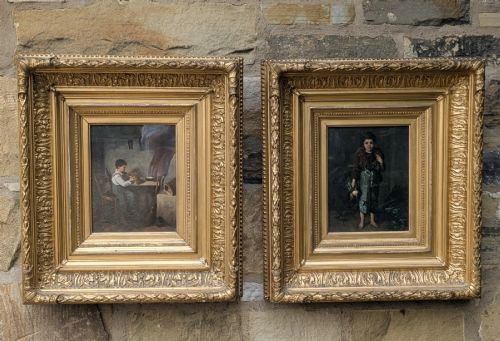

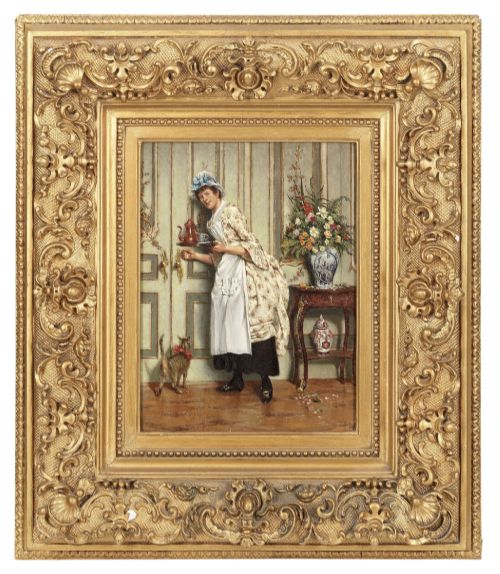
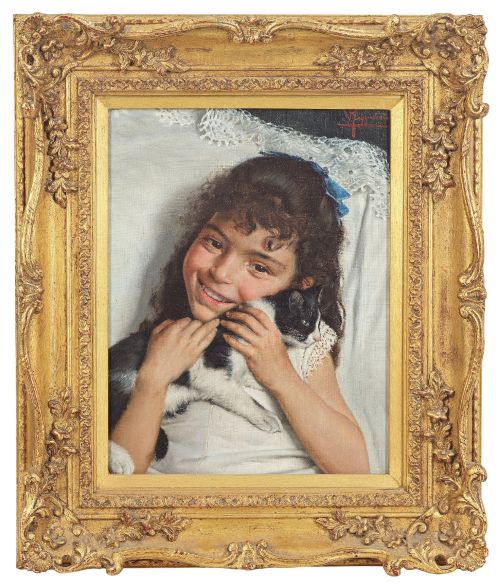
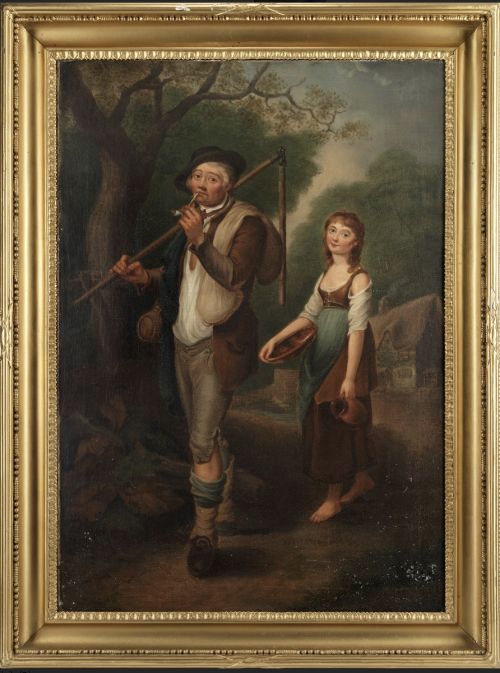
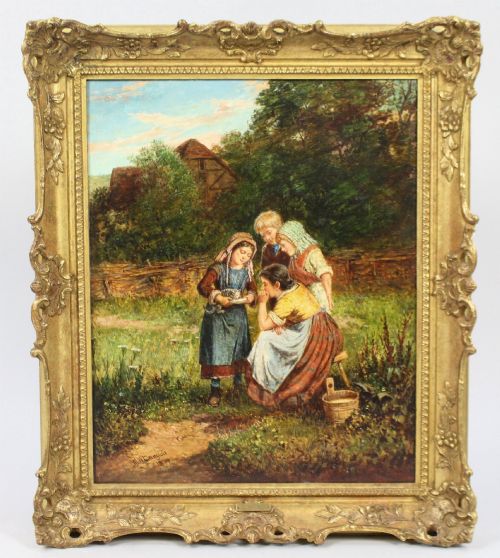
Antique Genre Artwork
Antique genre artwork depicts everyday human moments and domestic scenes through paintings, watercolours and prints.
Antique Genre Artwork
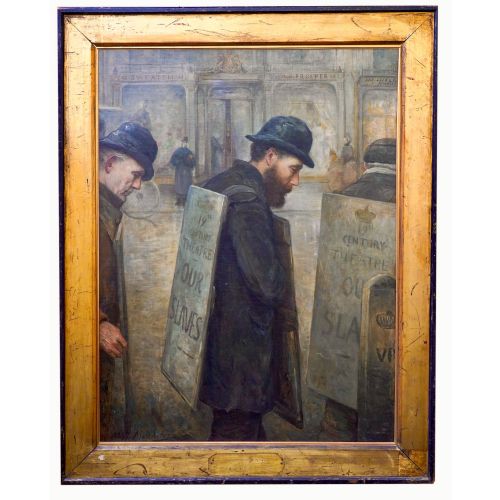
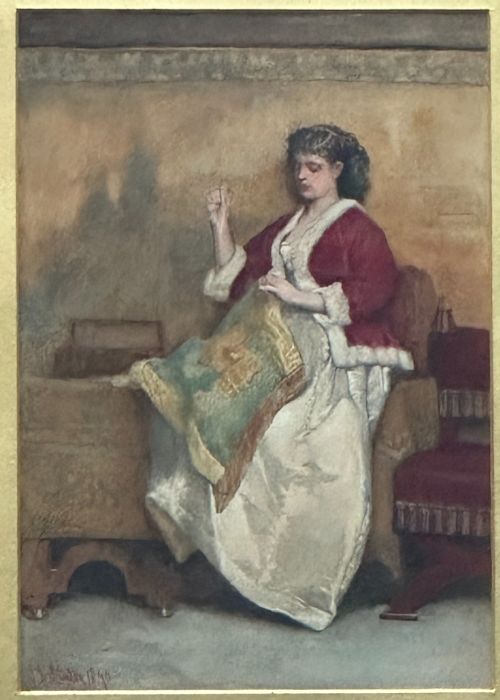
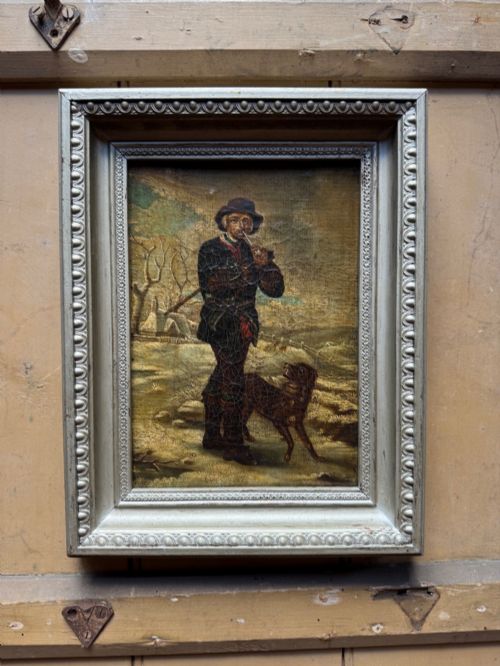
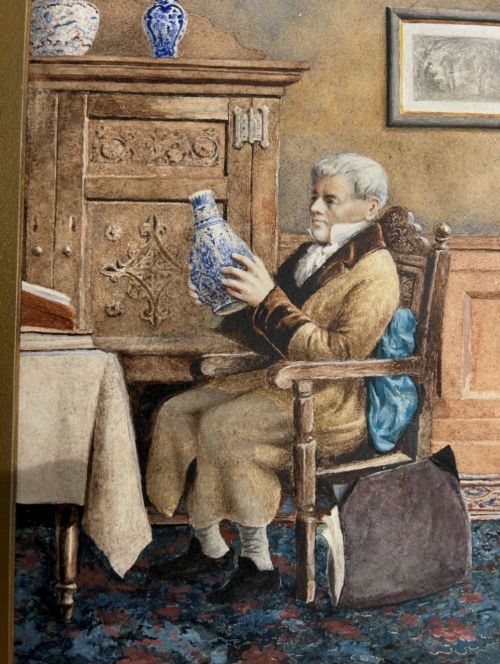
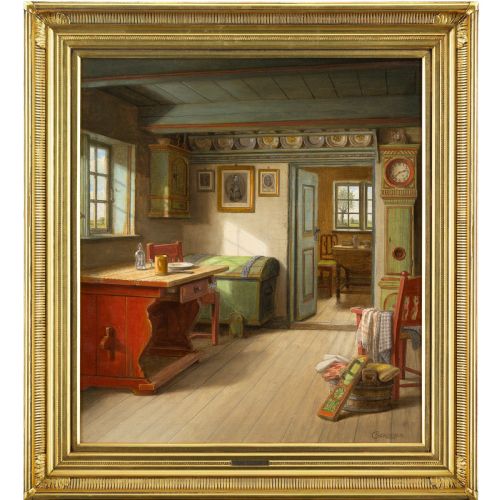
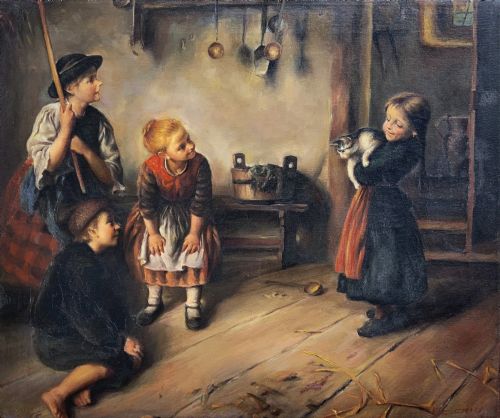
When you search for antique genre artwork, you encounter framed paintings and watercolours depicting daily domestic life, figures in interiors and rural laborers. The pieces range from Victorian social realism and French school compositions to mid-century Dutch scenes.
You frequently meet oil paintings on canvas and panel alongside watercolours on paper. The subjects span from children and animals to tavern interiors, card players and quiet cottage moments.
Materials and techniques
Painters applied oil paint to stretched canvas or wooden panels, often building up rich layers of pigment to capture interior light and textile textures. Watercolours on paper utilised washes and fine brushwork for transparent effects in smaller sketches.
Makers housed these works in frames constructed from wood, gesso and giltwood, sometimes accented with gold leaf to finish the presentation of the canvas.
Distinctions in quality
The standard of execution separates works with confident brushwork and expressive figural anatomy from rigid compositions with flat perspective. Masterful handling of light distinguishes a compelling interior scene from a basic decorative sketch.
The integrity of the original canvas, the preservation of the pigment layers and the appropriateness of the frame all contribute to the standing of an individual piece.
Felix Stone Moscheles·Sir James Dromgole Linton·Valentine T. Garland·John Opie·Frederick Morgans·Stephen Samuel Lewin·Vittorio Reggianini·Thomas Barker of Bath·Mark William Langlois·Alfred Lyndon Grace·W.D. Almond·Howard Helmick·Adelaïde Salles-Wagner·Max Kaltenmoser·George Augustus Holmes·Joseph H. Barnes·Henry Travis·David Teniers·Frederick Walker·Louis Charles Verwee·James Hamilton·Hendrik Valkenberg·Herbert Dicksee·Bernard De Hoog·Carlo Ferranti
The Antique Genre Artwork Glossary
- Genre painting
- Depiction of aspects of everyday life by portraying ordinary people engaged in common activities. This style flourished in European art during the nineteenth century.
- Social realism
- An artistic movement that highlights the everyday conditions of the working classes and the poor. Works in this style often carry implicit commentary on social structures.
- Giltwood
- Wood that has been coated with a thin layer of gold leaf or gold paint. Frames of this material frequently accompany nineteenth-century oil paintings.
- Gesso
- A paint mixture consisting of a binder mixed with chalk, gypsum or pigment. It served as a prepared surface for wood panels and frames before gilding.
Antique Genre Artwork: Frequently Asked Questions
What is genre artwork?
Genre artwork represents scenes from everyday life, featuring ordinary people in domestic, occupational or social settings.
Unlike portraiture or landscape art, the primary subject is the human activity itself rather than a specific individual or geographic location.
How were these paintings displayed?
Owners typically displayed these framed artworks in domestic reception rooms, libraries and parlours during the nineteenth and early twentieth centuries.
They served as decorative focal points that conversation pieces and reflections of the owner's cultural interests.
How do I identify the period?
The period of a piece is indicated by stylistic clues, clothing fashions of the figures, and the materials of the canvas and frame.
Documentation such as signatures, dates, or artist biographies inscribed on the reverse or in historical records helps confirm the date of creation.
How do I care for an oil painting?
Preserve oil paintings by keeping them away from direct sunlight, high humidity and sudden temperature fluctuations.
Dust the surface gently with a soft, dry brush and avoid using liquid cleaners on the paint or the gilt frame.