

Antique Genre Art
Antique genre art captures everyday life through painted scenes of domestic interiors, street markets and rural gatherings.
Antique Genre Art
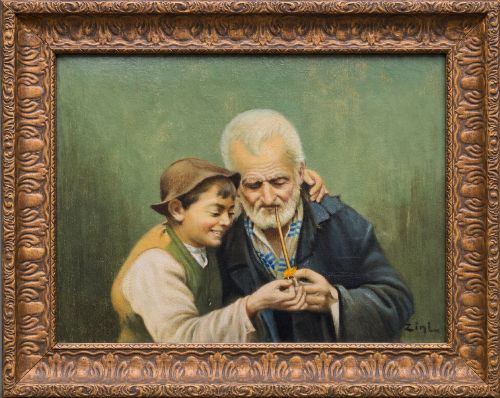
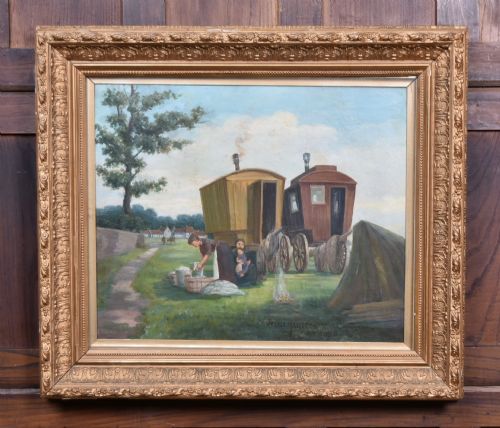
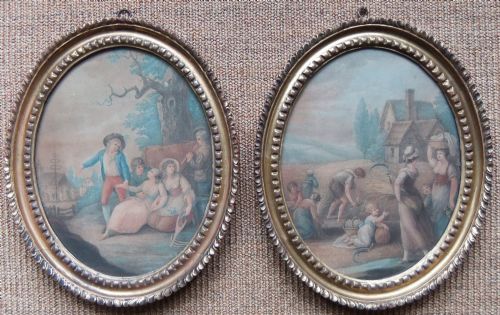
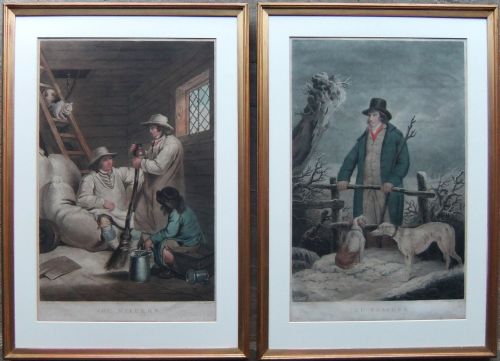
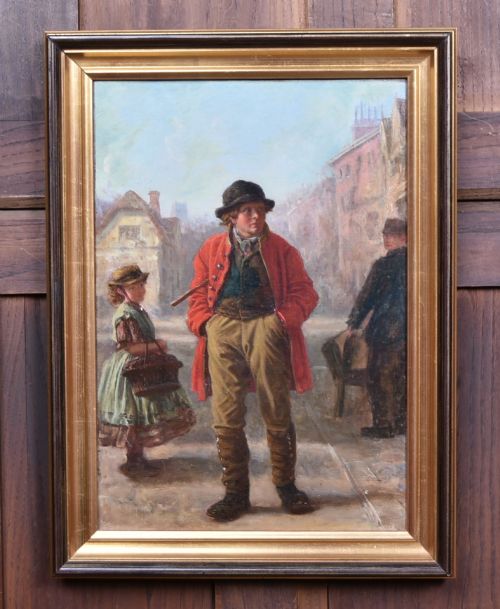
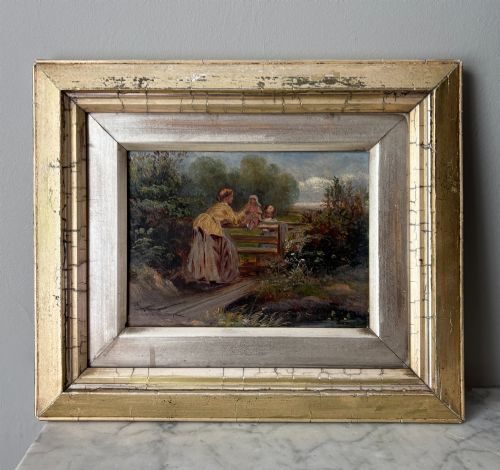
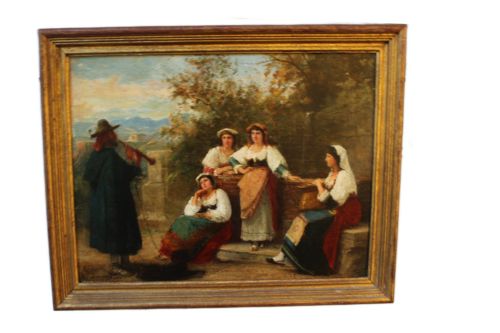
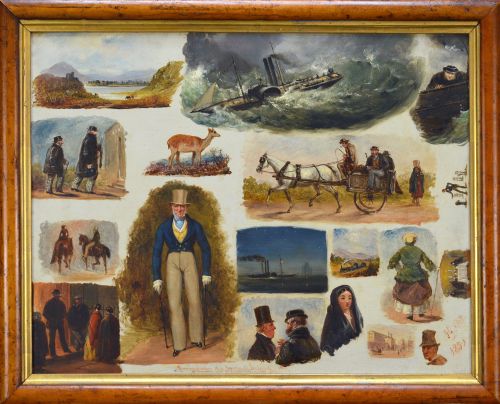
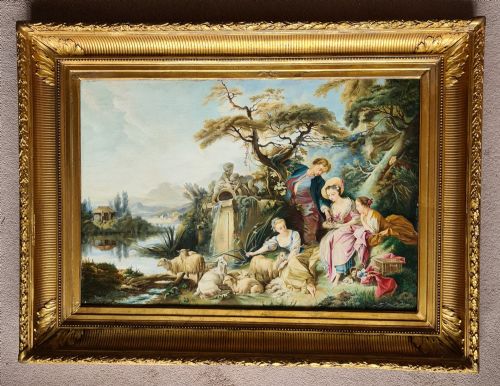
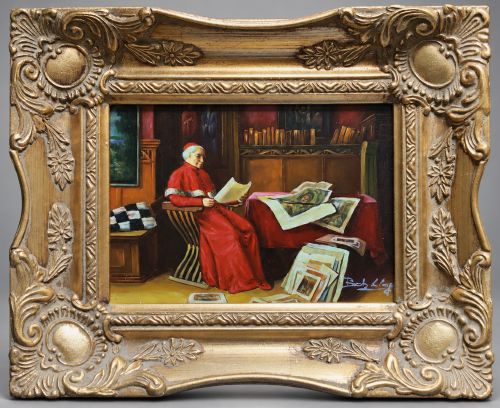
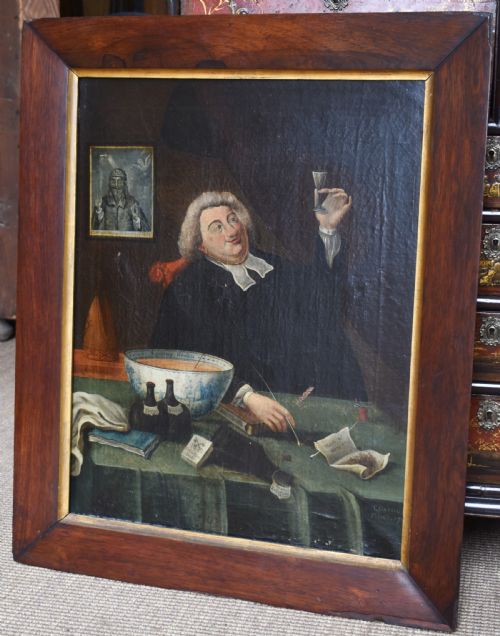
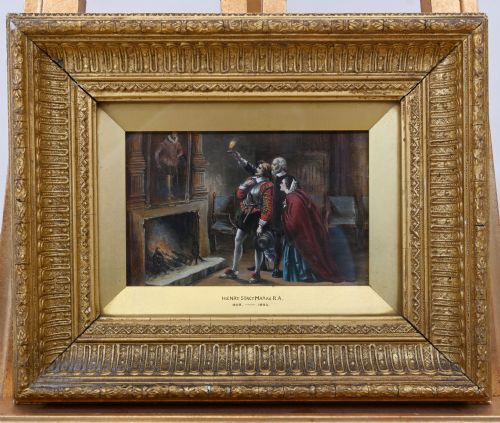
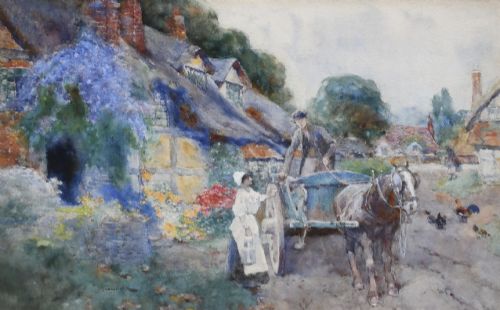
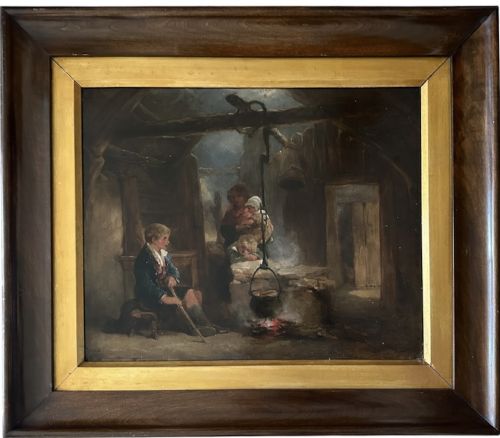
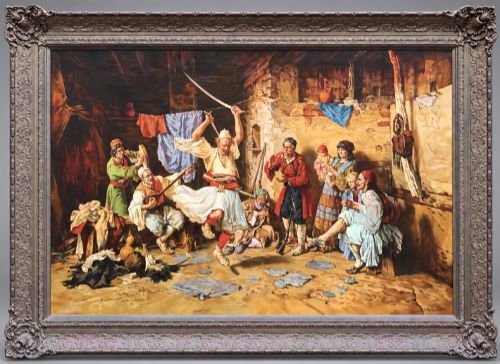
Antique genre art depicts scenes of everyday life, ranging from quiet domestic moments inside country houses to bustling village gatherings and street encounters. These works focus on human narratives, showing figures engaged in common tasks, leisure or conversation rather than formal portraiture or grand historical events.
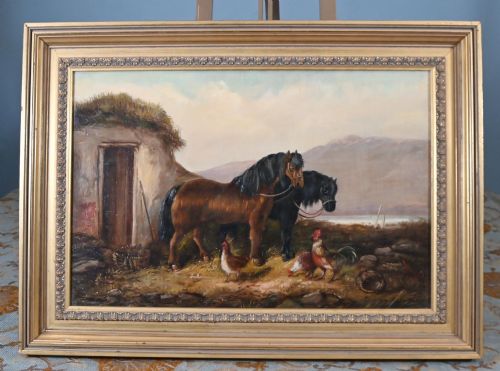
The pieces available on this page lean heavily towards nineteenth-century paintings, with Victorian works and continental European schools forming a substantial portion of the selection. Oil paintings on canvas or panel dominate, alongside occasional watercolours on paper.
Subjects frequently include children at play, card players, blacksmiths and pastoral scenes set against village or interior backdrops. Viewers encounter representations of ordinary people observed with varying degrees of realism and sentimentality.
Materials and Technique
Artists painted primarily with oil paint on canvas or prepared wooden panels, occasionally utilising paper for watercolour works. Canvass surfaces received layers of ground before pigment application, while panels offered a rigid base for detailed brushwork.
Many works retain their original frames constructed from wood and gesso, frequently finished with gold leaf or giltwood. These frames provide structural support and define the visual boundary of the domestic interior or landscape scene.
Antique Genre Art Retail Price Guide 2026
Typical asking prices for genre art among the pieces listed under this phrase on Sellingantiques today, from the lower quarter to the upper quarter. They describe what is for sale here now, not the wider market.
Distinctions in Quality
Quality rests upon the artist's handling of human expression, anatomical proportion and the management of light within the scene. Superior works capture convincing textures in clothing and surroundings, whereas lesser examples rely on formulaic poses and flat application.
The integration of the figures into their environment distinguishes finer pieces, where narrative detail adds depth to the domestic or historical setting. The preservation of the original paint surface and the matching period frame also contribute to the standing of an individual piece.
Alonso Perez·Edward Holmes·Carlo Ferranti·Ernst Stierhof·Robert Alexander Hillingford·Alfred Walter Bayes·George Whitton Johnstone·Sir James Dromgole Linton·Valentine T. Garland·Henry Stacy Marks·JOHN OPIE·Frederick Morgans·Stephen Samuel Lewin·Vittorio Reggianini·Thomas Barker·Mark William Langlois·C. Sørensen·Henry Silkstone Hopwood·Alfred Lyndon Grace·W.D.ALMOND·Howard Helmick·Adelaïde Salles-Wagner·Max Kaltenmoser·George Augustus Holmes·Joseph H Barnes
The Antique Genre Art Glossary
- Genre painting
- The pictorial representation of scenes from everyday life, typically involving ordinary people in domestic or public settings.
- Giltwood
- Wood carved and coated with gold leaf or gold paint, commonly used for nineteenth-century picture frames.
- Gesso
- A plaster mixture applied to wood panels or canvas as a base for painting or gilding.
- Oil on panel
- A painting technique where pigments bound in oil are applied directly to a flat wooden board rather than woven canvas.
Antique Genre Art: Frequently Asked Questions
What defines antique genre art?
These works depict human subjects engaged in everyday activities rather than historical battles or formal portraits.
Subjects range from children playing with pets to card players and blacksmiths at work.
How do I care for these paintings?
Keep oil paintings away from direct sunlight and fluctuating humidity to protect the canvas and wooden panels.
Dust frames gently with a dry cloth and avoid touching the painted surface.
Are these works signed by artists?
Many pieces carry artist signatures or attributions linked to nineteenth-century British and European schools.
Documentary evidence on the reverse or within the frame often aids identification.
What materials were used?
Painters utilised oil on canvas or wooden panels, alongside watercolours on paper.
Frames are typically constructed from wood and gesso with giltwood finishes.