
Antique Gemstone Pendant
An antique gemstone pendant brings together coloured stones and precious metals from the Victorian, Edwardian, and Art Deco periods.
Antique Gemstone Pendant
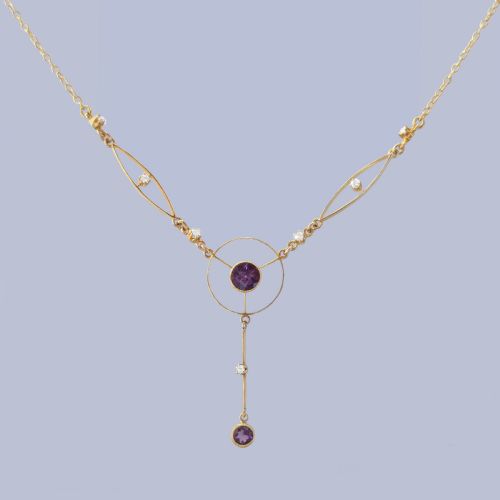
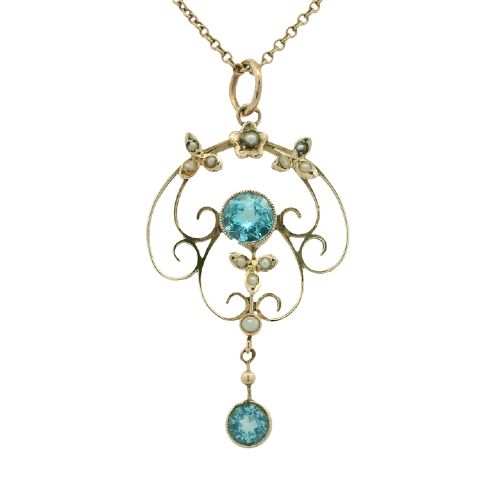
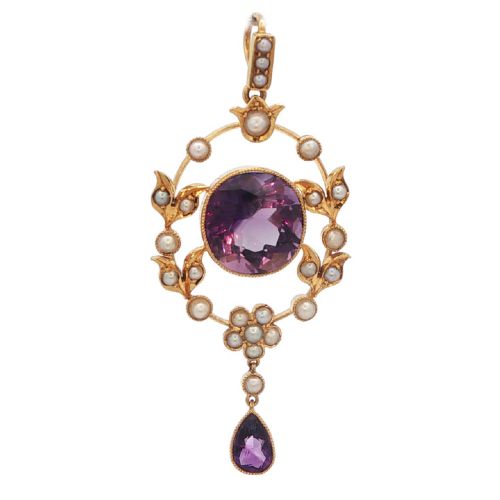
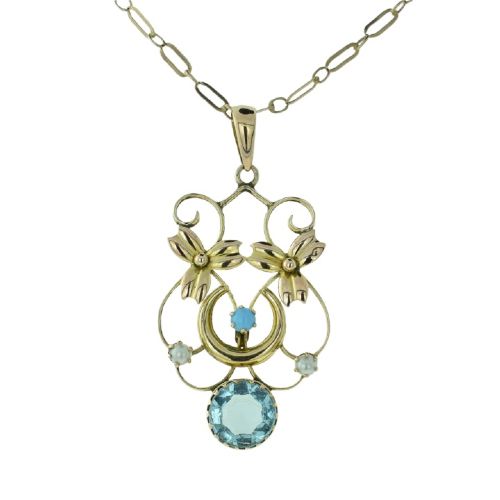
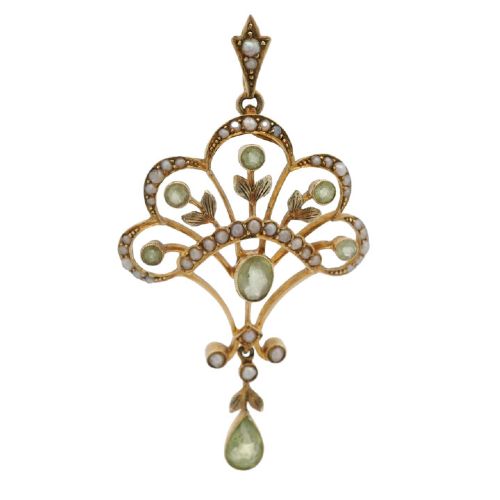
An antique gemstone pendant is a neck ornament featuring set stones framed by gold or silver, originating from periods such as the Victorian and Edwardian eras. These pieces often incorporate drops, chains, or lavalier designs alongside central gems.
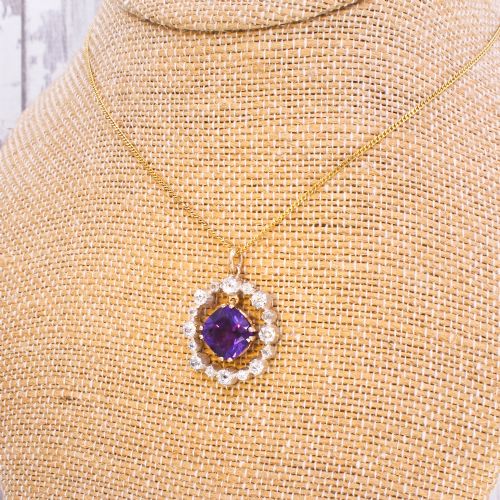
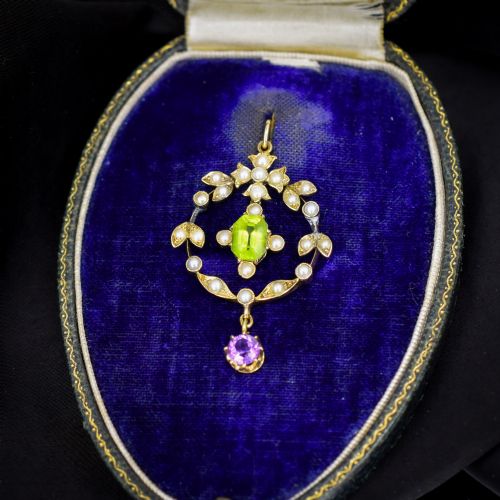
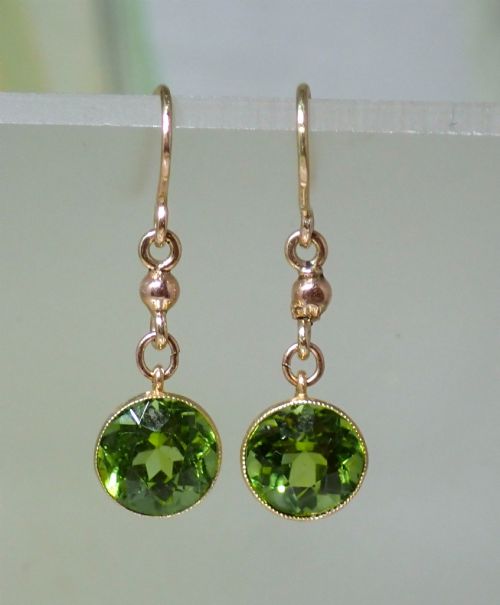
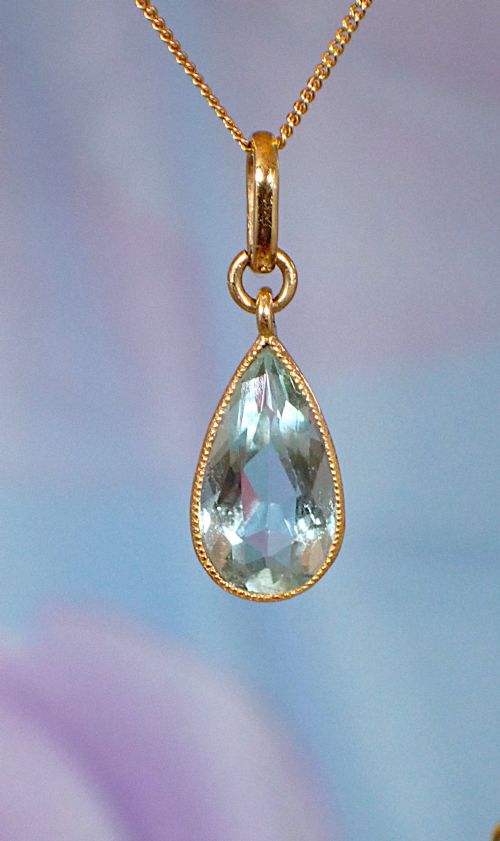
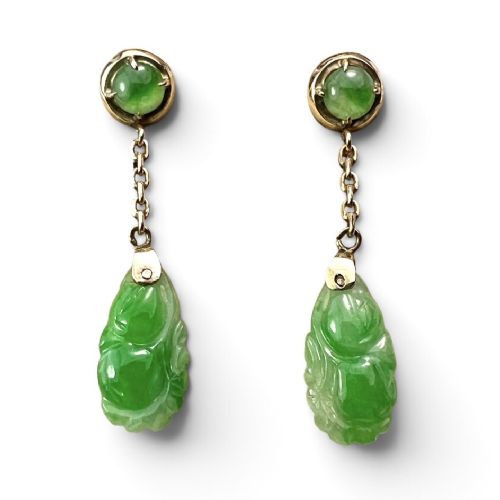
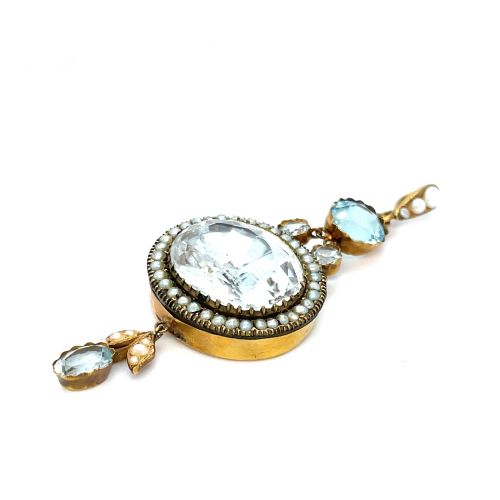
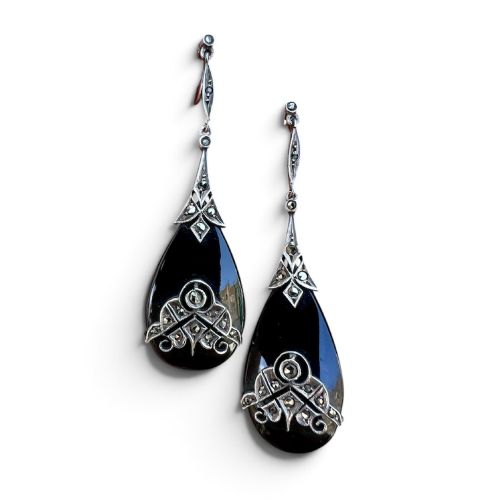
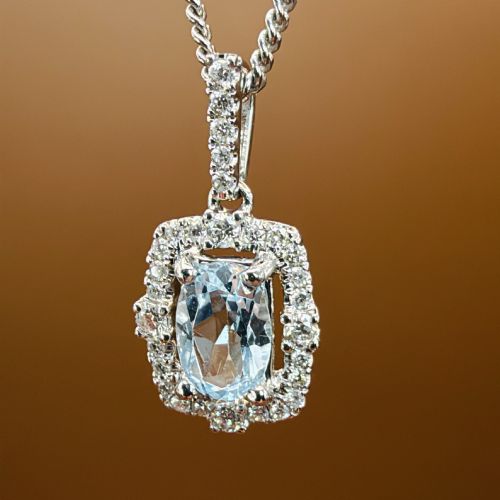
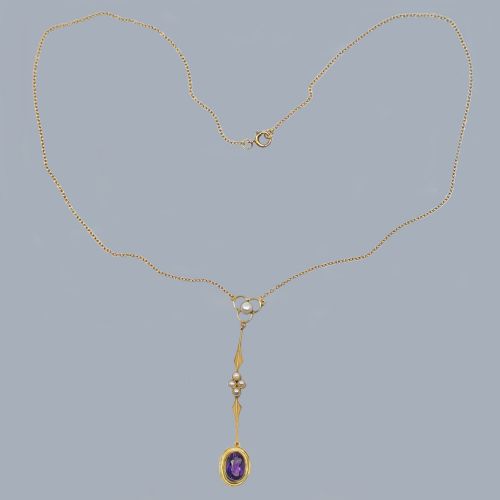
The version most commonly met on this page is the Edwardian or Victorian pendant, frequently pairing amethyst, peridot, or aquamarine with seed pearls in nine carat or fifteen carat gold. Art Deco examples appear too, often utilising geometric forms and alternative gemstones like jade or onyx.
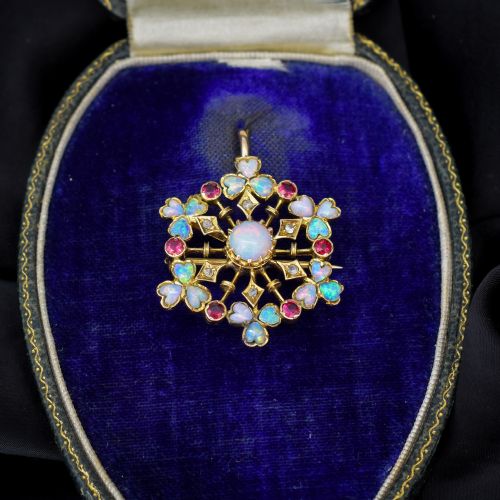
Many items function as both brooches and pendants, reflecting the versatile jewellery designs of the nineteenth and early twentieth centuries. Central stones range from opals and rubies to blue topaz and carnelian, mounted in yellow or rose gold settings.
Materials and construction
Gold forms the primary metal framework, appearing in nine carat, fifteen carat, and occasionally eighteen carat purities, alongside sterling silver and platinum settings. Stones are secured using claw settings, foil backs, or bezel mounts, often accented by delicate seed pearls.
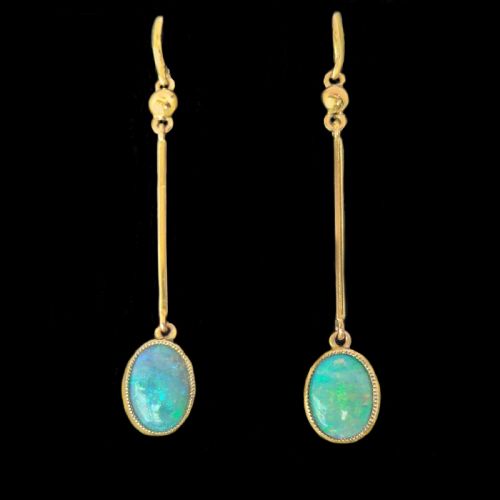
Craftsmanship from these periods relies on hand-working techniques, visible in filigree wirework, carved agates, and articulated drop sections. Gemstones are shaped into oval cuts, cabochons, or teardrops to catch the light within lightweight festoon and lavalier structures.
Antique Gemstone Pendant Retail Price Guide 2026
Typical asking prices for gemstone pendant among the pieces listed under this phrase on Sellingantiques today, from the lower quarter to the upper quarter. They describe what is for sale here now, not the wider market.
Listings feature nine carat and fifteen carat gold constructions alongside silver mountings.
Distinctions in quality
Quality rests upon the selection and saturation of the central gemstones, alongside the intricacy of the metalwork and the integrity of the original settings. Pieces featuring untreated natural stones or well-matched multi-gemstone arrangements command attention.
The finesse of the secondary elements, such as perfectly matched seed pearls and balanced drop proportions, elevates a piece. Hallmarks and original mounting structures further distinguish superior examples from standard production.
Amy Sandheim
The Antique Gemstone Pendant Glossary
- Lavalier
- A pendant featuring a suspended drop stone swinging below a main motif, popular during the Edwardian period. These items hang delicately from fine gold chains.
- Seed pearl
- A very small, naturally or cultured saltwater pearl, often drilled and strung or glued into clusters. They frame amethysts and peridots in Edwardian and Victorian jewellery.
- Foil back
- A technique where a thin sheet of metallic foil is placed behind a gemstone to enhance its colour and reflectivity. This method appears frequently in nineteenth century pieces.
- Festoon
- A necklace style featuring chains or garlands draped across the collarbone, often suspending drops or fringes of gemstones. Edwardian opal and pearl versions exemplify this design.
- Cabochon
- A gemstone shaped and polished with a smooth, rounded surface rather than faceted edges. Opals, carnelian, and garnets are often cut this way in antique pendants.
Antique Gemstone Pendant: Frequently Asked Questions
How do I date an antique gemstone pendant?
Dating relies on the stylistic markers of the setting, the cut of the stones, and any metal hallmarks present. Victorian pieces often feature heavier gold work and foil backs, whereas Edwardian items favour lighter lavalier designs with seed pearls.
Art Deco examples introduce geometric platinum settings and carved jades or onyx. Comparing the claw work and chain styles against known period characteristics confirms the era of manufacture.
Can I wear my pendant every day?
Daily wear is possible with robust gold settings and hard stones like aquamarine or amethyst, but care must be taken with softer materials. Pearls and opals require gentle treatment and should be kept away from harsh chemicals and ultrasonic cleaners.
Checking the security of the jump rings and claw settings regularly prevents loss. Storing the pendant separately avoids scratches from other items in your collection.
Are these gemstones natural or treated?
Many stones from the Victorian and Edwardian periods are natural, untreated gems mined before modern enhancement techniques became widespread. Amethysts, peridots, and aquamarines appear in their authentic coloured states.
Some items may feature historical treatments such as foil backing to brighten pale stones. Specific gemstone reports, when available, confirm the natural origin of high-value stones.