

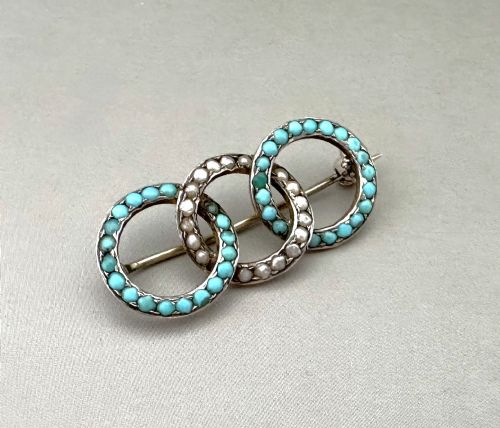


Antique Gemstone Lapel Pin
An antique gemstone lapel pin brings coloured stones and precious metals together in wearable forms from the Georgian era through to the mid twentieth century.
Antique Gemstone Lapel Pin
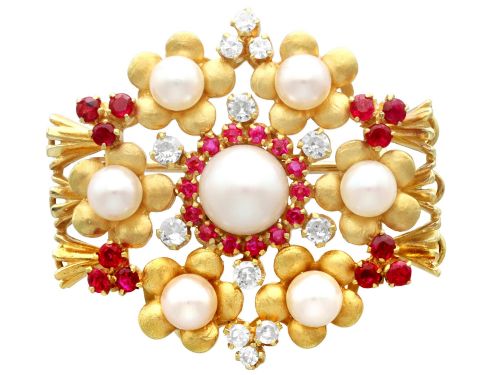
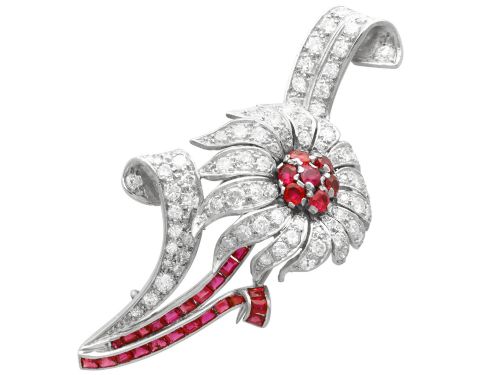
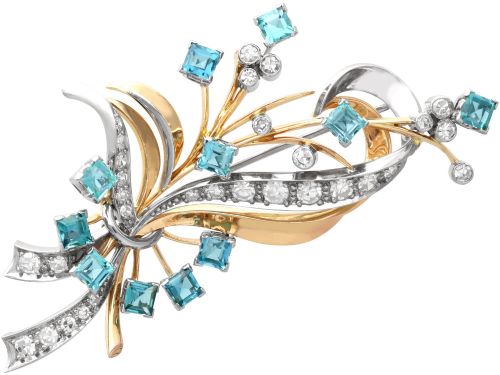
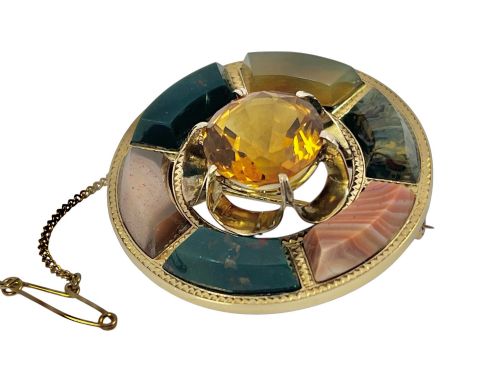
When you search for an antique gemstone lapel pin, you encounter a selection of brooches, stick pins, and bar brooches spanning periods from Georgian beginnings to mid-century designs. The listings on this page span Victorian, Edwardian, and Art Deco styles alongside 19th-century and vintage pieces.
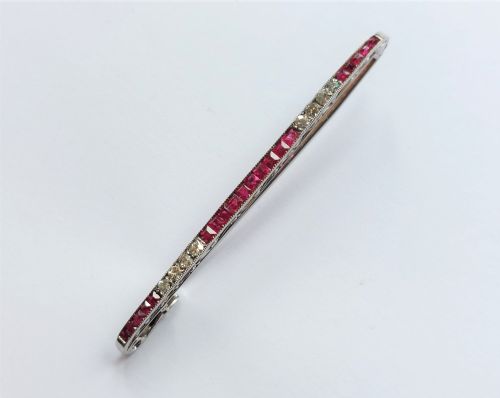
Forms vary from floral motifs and foliate designs to crescent brooches, hearts, and figural subjects like butterflies and owls. You will find stick pins alongside bar brooches and cluster pins set with diamonds, rubies, sapphires, amethysts, and pearls.
Origins stretch across English and continental workshops, utilising yellow gold, rose gold, white gold, silver, and platinum. Each piece serves as a fastening or decorative accent for lapels and garments, rooted in historical jewellery traditions.
Materials and construction methods
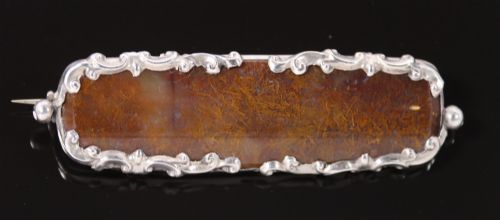
The metals used in these pieces range from 9ct, 15ct, and 18ct gold to silver, silver gilt, and platinum. Stones such as rubies, diamonds, sapphires, peridots, garnets, moonstones, and opals are set into gold and silver mounts.
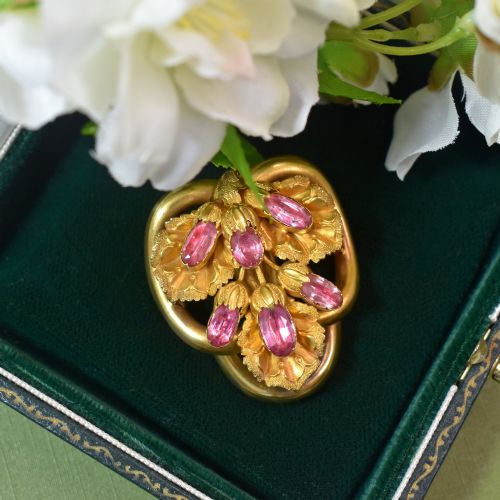
Craftsmen employed techniques including foil-backing behind pink topaz, rose-cut and flat-cut diamond settings, and delicate split pearl work. Bar brooches and cluster arrangements demonstrate period-specific hand-assembly methods.
Among the creatures pinned to lapels through the decades, an antique platinum owl stares out with ruby eyes.
Assessing quality and craftsmanship
Quality in these pieces depends upon the saturation and clarity of the gemstones, from deep rubies and emeralds to vibrant amethysts and clean diamonds. Finer examples display balanced stone proportions and harmonious colour combinations within the cluster or bar layout.
The standard of metalwork dictates distinction, visible in the delicacy of foliate motifs, secure setting of multi-gemstone arrangements, and the preservation of original gold or silver patination. Well-executed construction ensures the pin mechanism functions cleanly alongside the decorative face.
The Antique Gemstone Lapel Pin Glossary
- Bar brooch
- A narrow horizontal pin featuring central gemstone clusters or decorative motifs. This form is common across Victorian and Edwardian listings.
- Stick pin
- A long pin topped with a decorative gemstone head designed to secure neckties or lapel folds. They appear frequently in nineteenth-century groupings.
- Foil-backed
- A manufacturing technique where metallic foil is placed behind a gemstone to enhance its colour and brilliance. This is seen in early Victorian topaz pieces.
- Split pearl
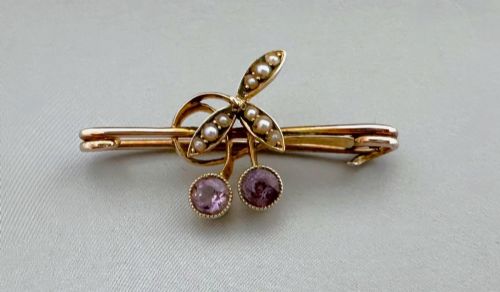
- Half-drilled pearls halved for mounting onto jewellery surfaces. They provide delicate borders around amethysts and other centre stones.
- Rose-cut
- A vintage diamond cut featuring a domed top with triangular facets and a flat base. This cut appears on Georgian and nineteenth-century pins.
Antique Gemstone Lapel Pin: Frequently Asked Questions
How do I wear an antique lapel pin?
These pieces suit coat lapels, heavy scarves, and structured jackets where the pin stem can pass securely through the fabric without distortion. Ensure the safety catch or backing is fastened firmly.
For stick pins, push the pin through the lapel fabric and secure the point with a matching clutch or stopper on the reverse side to prevent loss.
What periods do these pins cover?
The pieces span from Georgian and Victorian eras through Edwardian, Art Deco, and mid-century vintage periods. Each era brings distinct motifs and metal alloys.
Victorian and Edwardian items often feature floral and crescent designs in yellow or rose gold, while Art Deco pieces utilise platinum and white gold geometric settings.
Are these pins made of real gold?
The listings include pieces formed from 9ct, 15ct, and 18ct yellow, rose, and white gold, alongside silver and platinum. Hallmarks and metal tests indicate the specific purity.
Lower gold carats often provide greater durability for daily wear, while higher carats present a richer yellow tone traditional to earlier periods.
How should I store my antique pin?
Keep each pin in a padded jewellery box or dedicated compartment to protect delicate gemstones like pearls and opals from scratching. Avoid stacking multiple pins together.
Keep silver and gold pieces away from high humidity and harsh chemicals to preserve the metal finish and stone settings over time.