


Antique Gemstone Charm
An antique gemstone charm brings together coloured minerals and precious metals across the Victorian, Edwardian, and Art Deco periods.
Antique Gemstone Charm
An antique gemstone charm encompasses small decorative items worn on chains, fobs, or bracelets, featuring minerals set in gold or silver. When searching for an antique gemstone charm, buyers encounter pieces spanning the Victorian, Edwardian, and Art Deco eras.
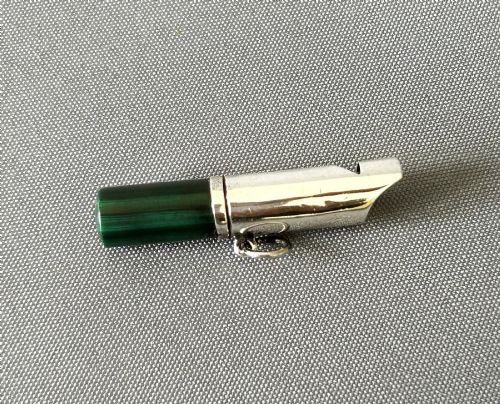
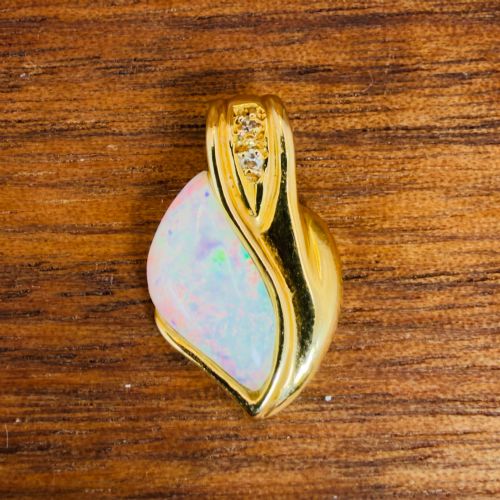
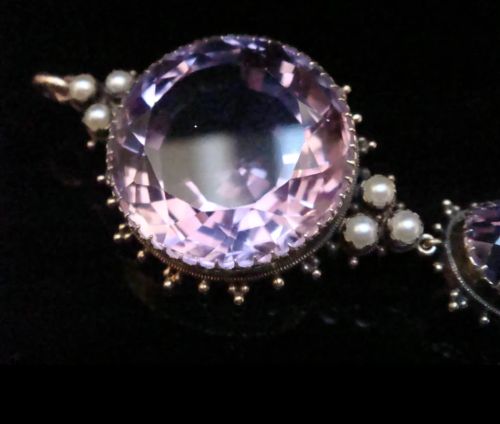
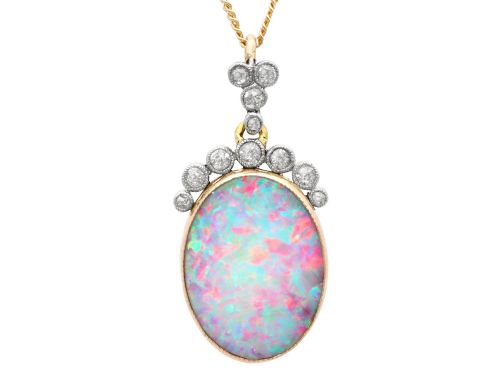
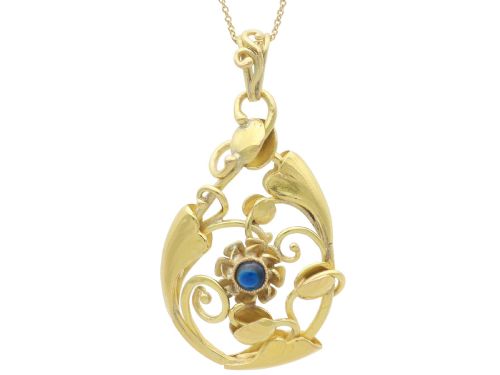
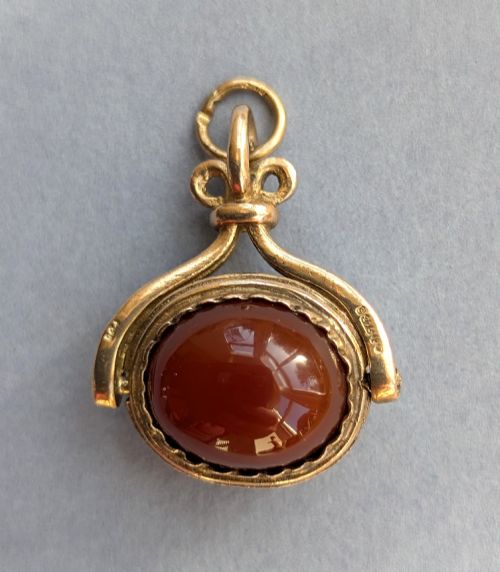
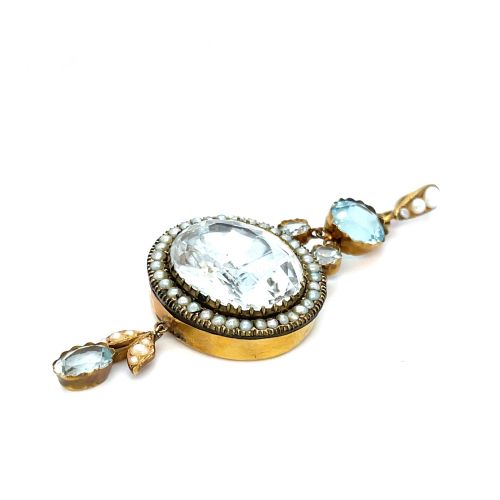
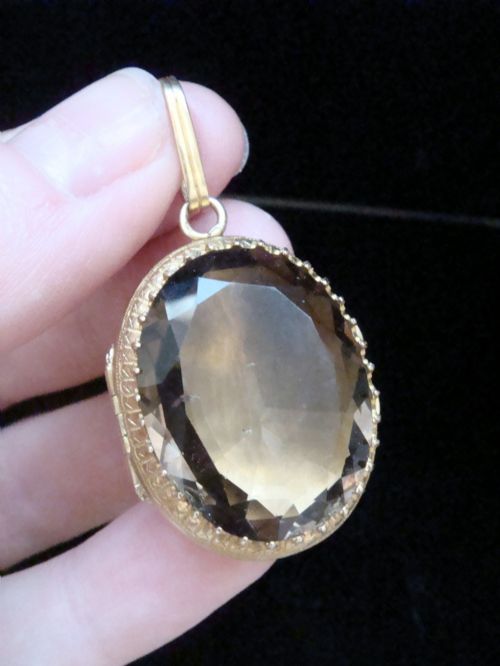
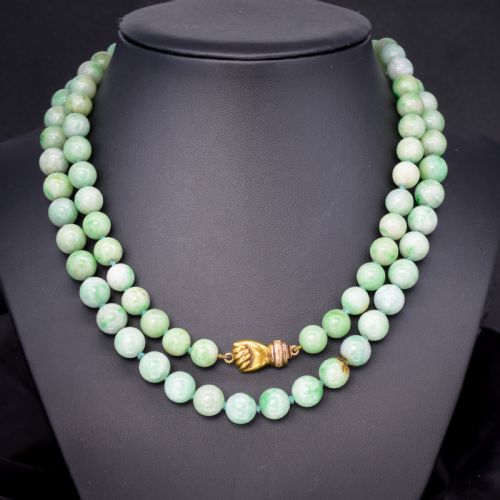
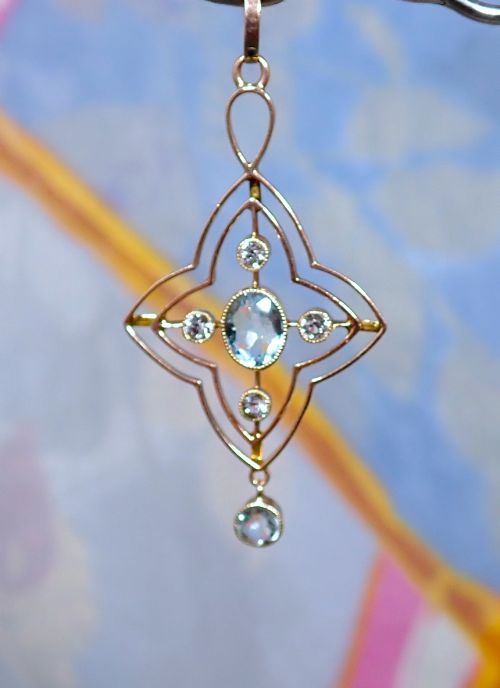
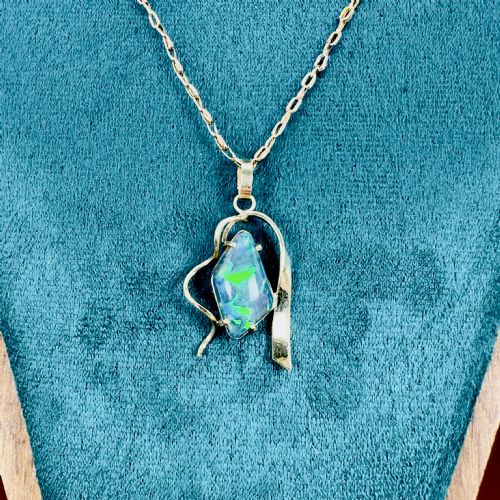
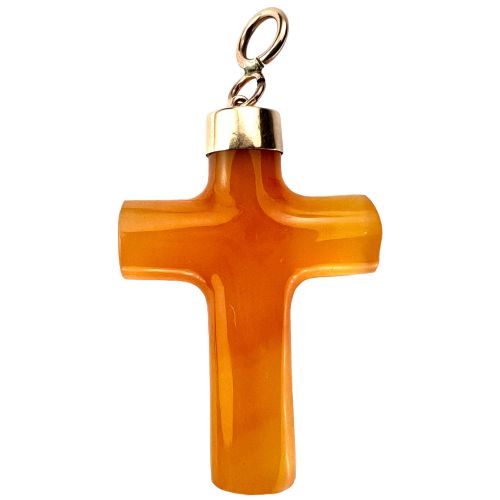
The selections on this page appear primarily as pendants, spinning fobs, and necklaces holding stones such as amethyst, carnelian, jade, and aquamarine.
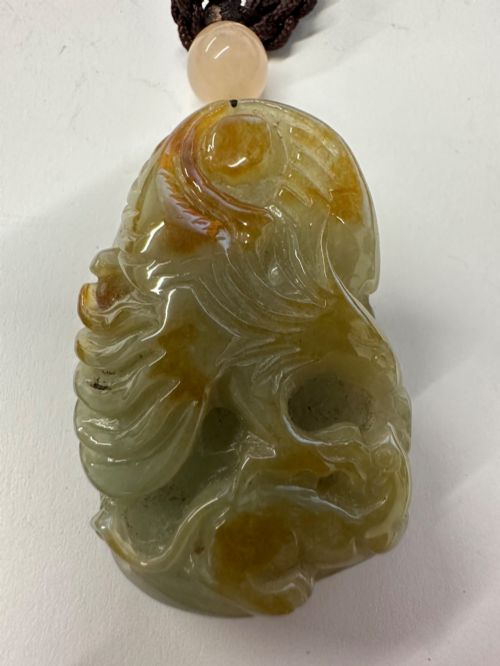
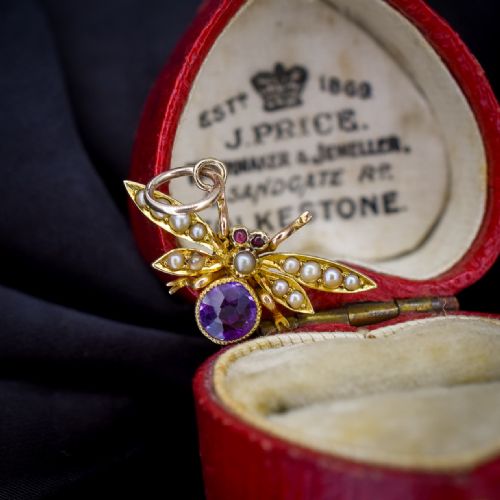
Forms range from swivel fobs and insect motifs to witch's hearts and carved jadeite dragons, reflecting styles from Art Nouveau to classic fine jewellery.
Materials and construction
Maker construction relies heavily on nine-carat, fourteen-carat, and fifteen-carat yellow and rose gold, alongside silver and gilt mounts. Stones are secured using claw settings, bezel enclosures, or foil backings behind gems like aquamarine and rock crystal.
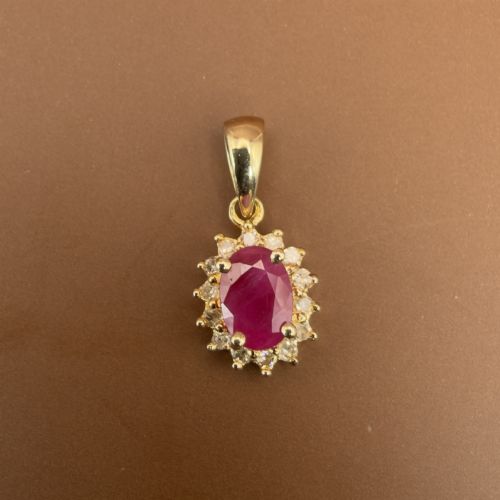
Craftsmen shaped jade, agate, and carnelian through carving and intaglio engraving, occasionally combining seed pearls and diamonds as accent stones around central amethysts and rubies.
Antique Gemstone Charm Retail Price Guide 2026
Typical asking prices for gemstone charm among the pieces listed under this phrase on Sellingantiques today, from the lower quarter to the upper quarter. They describe what is for sale here now, not the wider market.
Listings feature gold and silver alongside amethysts, carnelian, jade, pearls, and diamonds across Victorian, Edwardian, and Art Deco periods.
What separates the grades
Quality rests on the depth of hand-carving in stones like jade and agate, and the crispness of intaglio engraving on swivel fobs. Superior examples display clean gemstone clarity, secure stone settings, and substantial gold weight rather than hollow or thin stampings.
The harmony of design, such as balanced Art Nouveau curves or well-matched seed pearl clusters, distinguishes finer workshop pieces from standard commercial output.
The Antique Gemstone Charm Glossary
- Fob
- A short chain or ornament attached to a pocket watch, frequently adapted to hang from a necklace as a pendant. These often feature rotating or swivel bezels set with stones.
- Intaglio
- A design incised into the surface of a gemstone so that an impression can be made in wax. Carnelian and other hardstones frequently bear these carved figures.
- Doublet
- A composite gemstone made of two separate pieces fused together, sometimes consisting of a genuine gem top and a base of inferior material. They appear in pieces like opal pendants.
- Seed pearl
- A very small, natural, or saltwater pearl utilised in clusters and floral motifs during the Victorian and Edwardian periods.
- Foil back
- A technique where reflective metallic foil is placed behind a gemstone to enhance its brilliance and colour depth.
Antique Gemstone Charm: Frequently Asked Questions
How were spinning fobs used?
Spinning fobs were originally attached to pocket watch chains, allowing the wearer to rotate a central stone set within a metal frame. One side might display a hardstone intaglio while the other showed a plain polished surface.
Today, they are frequently worn as pendants on necklaces.
What materials appear in these charms?
The metals utilised span nine-carat, fourteen-carat, and fifteen-carat gold, alongside silver and gilt mounts. Gemstones include amethysts, garnets, aquamarines, pearls, and carved jade.
Seed pearls and small diamonds commonly serve as decorative borders around larger central gems.
How do I date these pieces?
Dating relies on stylistic markers, metal purity standards, and the specific cut of the gemstones. Victorian items often feature dense goldwork and deep-hued amethysts or garnets.
Edwardian examples favour lighter mounts with seed pearls and aquamarines, while Art Deco pieces show geometric precision.