



Antique Gaudy Welsh
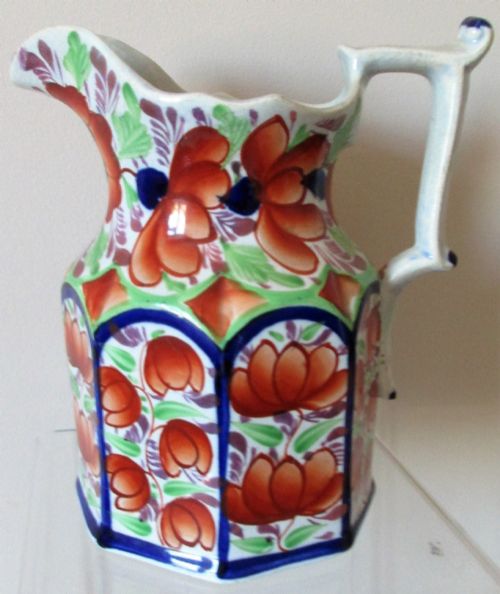
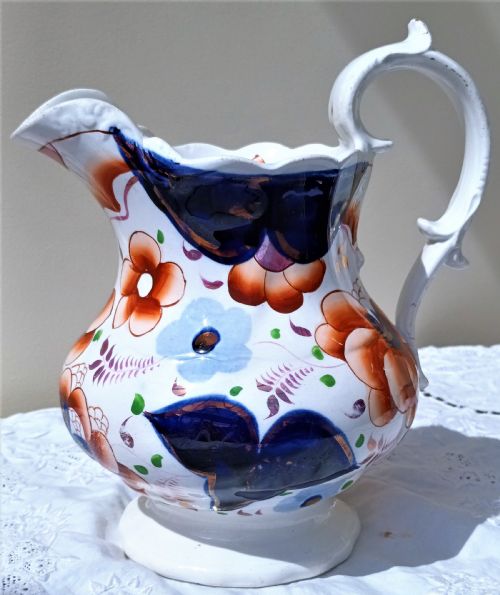
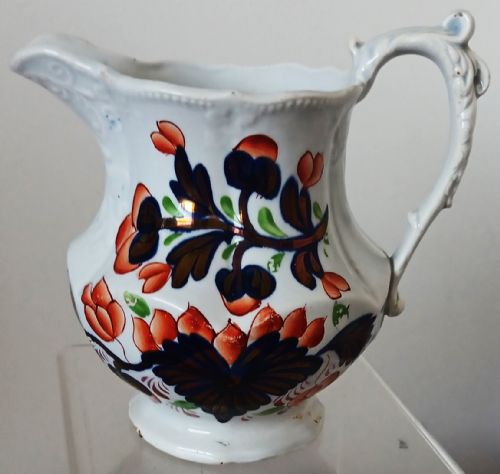
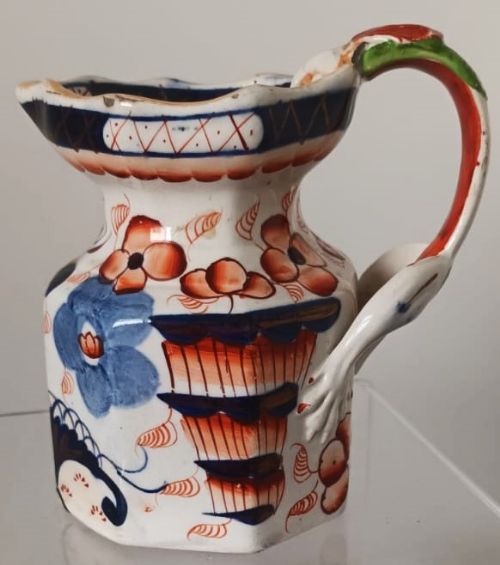
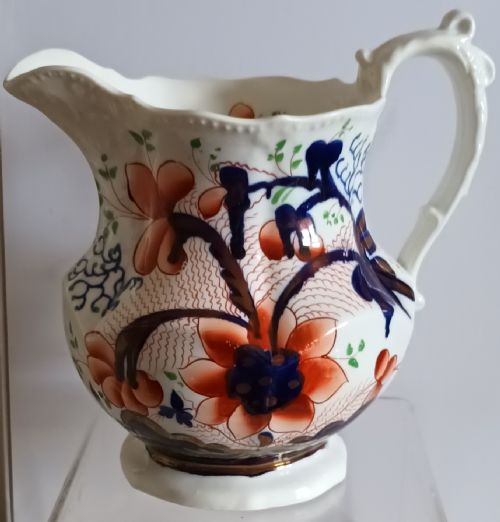
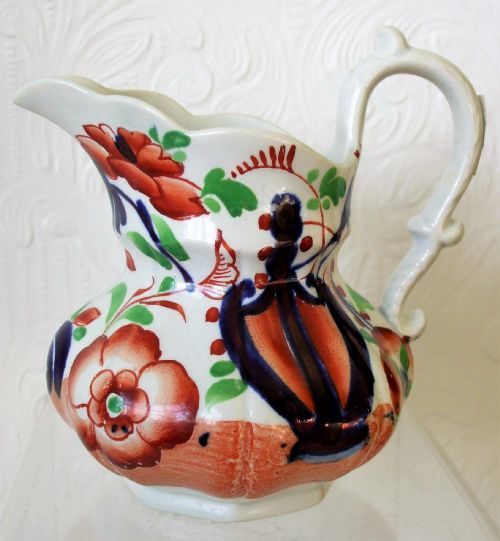
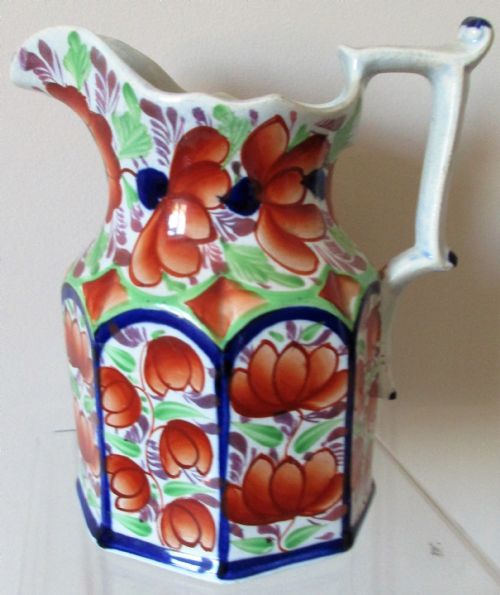
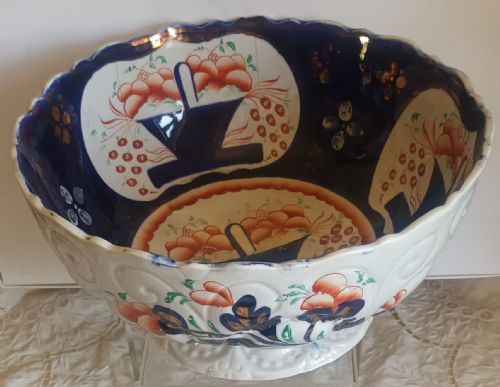
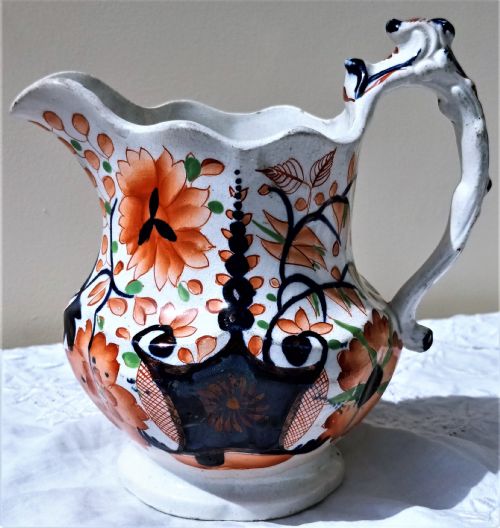
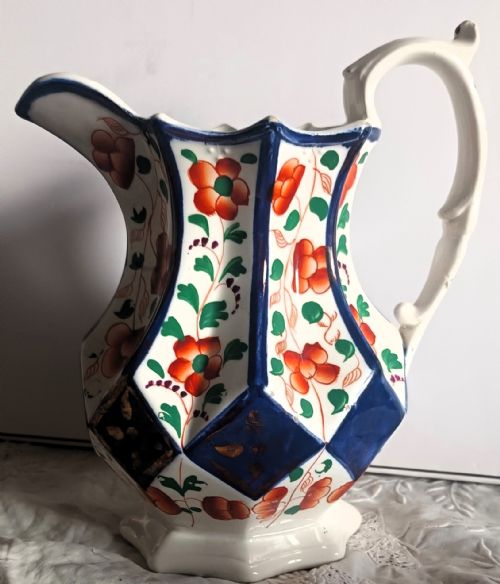
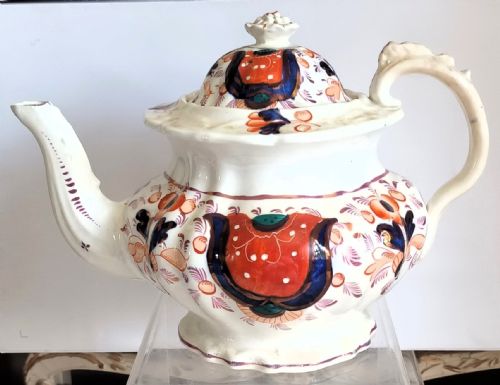
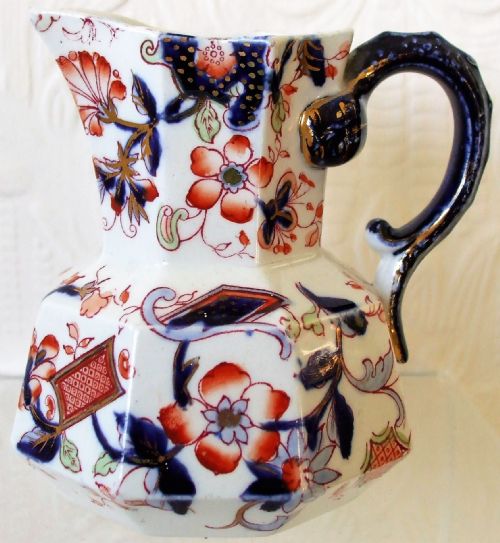
Antique gaudy welsh ceramics are vibrant nineteenth century earthenware pieces decorated with cobalt glaze, enamel, and copper lustre that bring bold domestic utility to any interior.
Antique Gaudy Welsh
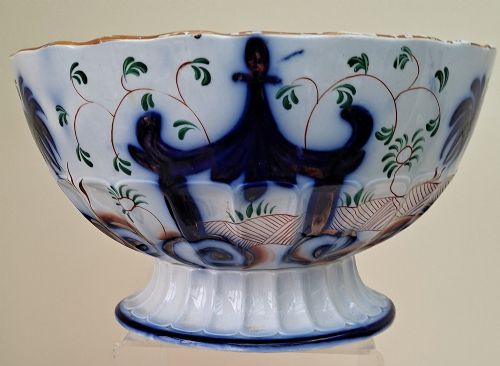
When you search for antique gaudy welsh, you encounter nineteenth century earthenware vessels produced across Georgian and Victorian periods, largely taking the form of jugs, pitchers, and footed bowls. These ceramics served utilitarian purposes in homes yet carried striking visual schemes intended to enliven domestic spaces. Most items you meet on this page date to the Victorian era and reflect distinct regional pattern names associated with Welsh locations and traditional motifs.
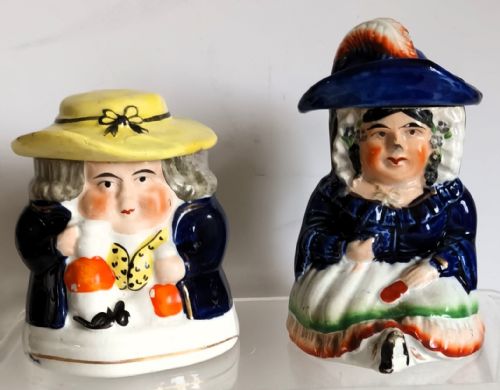
The objects span varied domestic forms, including teapots, tobacco jars, mugs, basins, and decorative bowls alongside standard pouring vessels. Many pieces showcase named patterns such as Pagoda, Bethesda, Harlech, and Gwent, connecting specific visual designs to historical pottery production. The earthenware bodies range from standard pottery to ironstone, providing sturdy weight and functional durability for everyday nineteenth century use.
How they were made
Potters shaped these nineteenth century items from earthenware and ironstone, forming the clay bodies into jugs, bowls, and teapots before applying initial glazing. The fabrication relied on standard ceramic techniques of the Georgian and Victorian periods, yielding robust vessels suited to regular household handling.
Decoration depended upon a combination of cobalt glaze, vibrant enamel colours, and metallic copper lustre accents applied across the surface. These finishing layers created the characteristic metallic sheen and bright palette that define the aesthetic of the style.
Antique Gaudy Welsh Retail Price Guide 2026
Typical asking prices for gaudy welsh among the pieces listed under this phrase on Sellingantiques today, from the lower quarter to the upper quarter. They describe what is for sale here now, not the wider market.
Listings feature nineteenth century earthenware and ironstone forms including jugs, footed bowls, teapots, and tobacco jars decorated with copper lustre.
What varies in quality
Quality in these ceramics rests upon the crispness of the painted enamels and the richness of the copper lustre application. Pieces displaying well defined pattern details like the Pagoda or floral motifs show superior hand painting skill compared to simpler executions.
The weight and refinement of the earthenware or ironstone body also distinguish standard production from finer items. Strong contrast in the cobalt glaze and careful distribution of lustre highlights elevate the visual impact of individual vessels.
Keeling & Co.·Bayley & Ball
The Antique Gaudy Welsh Glossary
- Copper lustre
- A metallic glaze technique that produces a coppery, reflective sheen across ceramic surfaces. This finish is characteristic of nineteenth century Staffordshire and Welsh related pottery wares.
- Cobalt glaze
- A deep blue mineral pigment applied under or over the glaze to create intense dark blue decorative lines and backgrounds. It forms the tonal foundation for many traditional patterns.
- Ironstone
- A heavy, durable type of earthenware patented in the nineteenth century to imitate Chinese porcelain. It provides exceptional strength for utilitarian kitchen and table items.
- Earthenware
- Porous pottery fired at lower temperatures than stoneware or porcelain, requiring a protective glaze to hold liquids. It serves as the primary ceramic body for these nineteenth century pieces.
- Enamel
- Opaque glass-like coloured paints applied over the fired glaze and fixed with a secondary low temperature firing. This method allows for brilliant reds, greens, and blues.
Antique Gaudy Welsh: Frequently Asked Questions
What is antique gaudy welsh pottery?
Antique gaudy welsh pottery comprises nineteenth century earthenware items decorated with striking cobalt blue, enamel colours, and copper lustre. These pieces were made primarily in England for the Welsh market.
They combine robust utilitarian forms with vivid folk art aesthetics, making them distinct collectibles from the Victorian period.
How were these jugs used?
These ceramic jugs and pitchers served practical functions for pouring liquids, carrying water, and general serving in nineteenth century homes. Their bright designs ensured they doubled as decorative display items on dresser shelves.
Today, they function well as flower vases or standalone decorative objects in traditional and eclectic interiors.
How do I identify patterns?
Patterns are identified by specific visual motifs and often carry traditional names associated with Welsh towns or geographical locations. Common examples include architectural pagoda designs, floral arrangements, and geometric borders.
Matching the painted enamel colours and copper lustre placement against known nineteenth century records helps confirm specific pattern identities.
Are these pieces ironstone or pottery?
The inventory includes both standard Victorian pottery earthenware and heavier ironstone bodies. Ironstone provides a denser, more durable structure designed to withstand heavy domestic use.
Both ceramic types received the same signature colourful enamels and reflective copper lustre finishes.
How do I care for antique ceramics?
Care for these nineteenth century items by washing them gently by hand in warm water without harsh detergents. Avoid placing them in modern dishwashers or exposing them to sudden temperature extremes.
Display them away from direct sunlight to preserve the vibrancy of the enamel and copper lustre over time.