


Antique Gas Light
These antique gas light fixtures bring authentic period character to a space, offering solid brass and copper construction paired with distinctive early forms.
Antique Gas Light
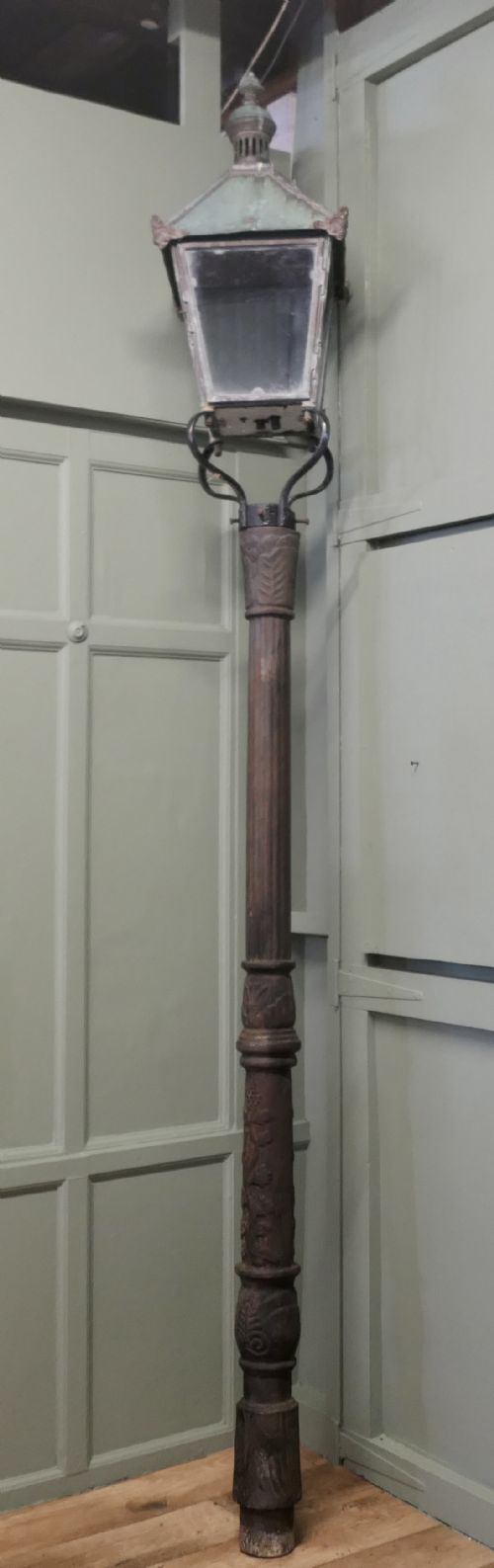
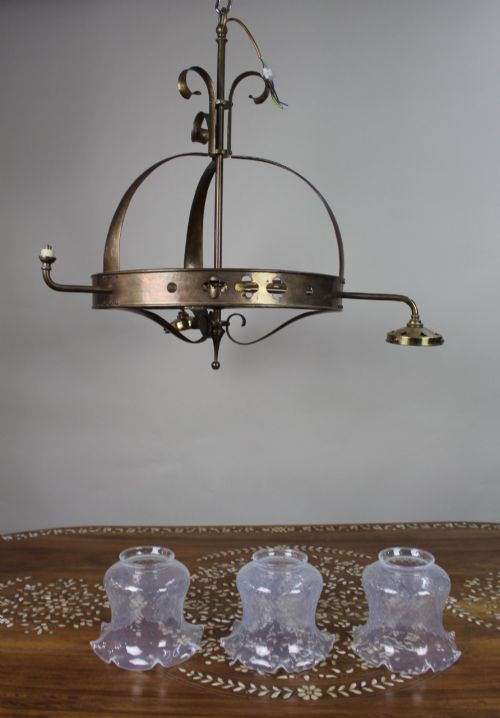
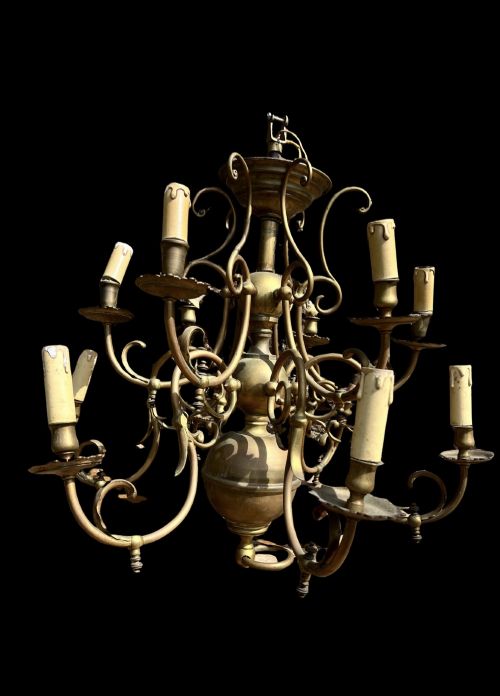
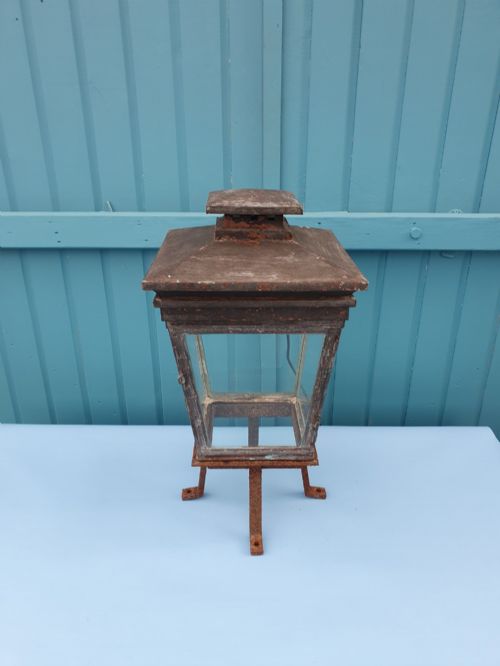
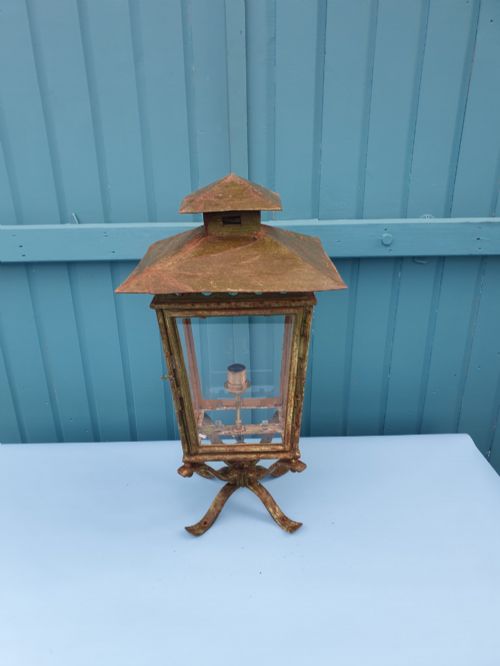
When you search for an antique gas light, you find a selection of historic indoor fittings and robust outdoor lanterns designed for gas illumination. The selection includes ceiling-hung gasoliers, garden lanterns, and substantial street lamps from the nineteenth century.
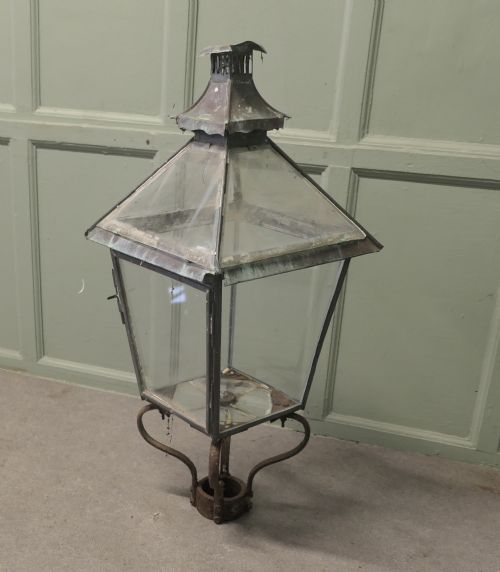
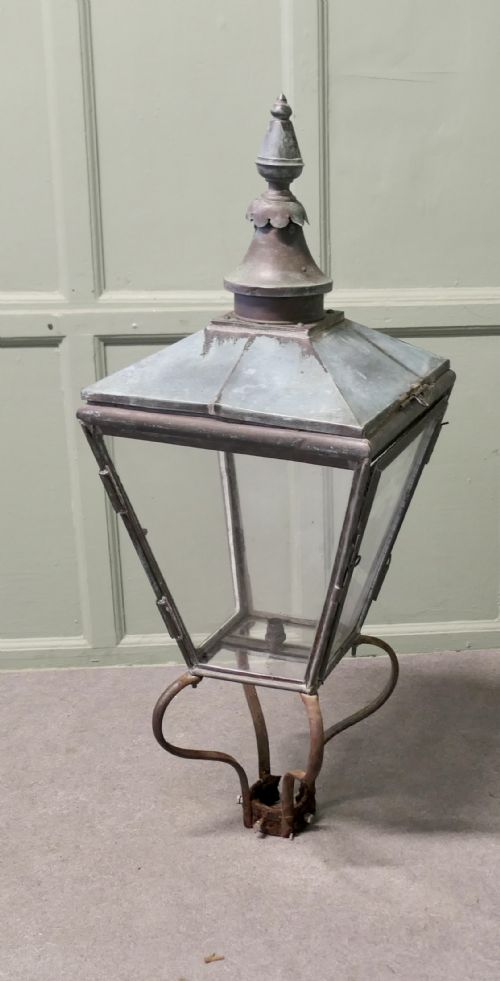
You are most likely to meet copper street lanterns and brass gasoliers on this page, reflecting the domestic and municipal origins of these survivals. Many outdoor examples arrive converted from gas to modern wiring while retaining their original structural metalwork and glass panels.
How they were made
Makers constructed these pieces using durable metals such as copper, cast iron, and brass, often combining sheet copper with heavier cast iron bases or brackets for stability. Outdoor lanterns utilise glazed panels of clear or opalescent glass to protect the flame from weather while diffusing light.
Indoor gasoliers employ cast brass branches and detailed metalwork designed to safely channel gas to multiple burners. Structural joints are typically riveted or soldered, and surfaces frequently show the patination of age or historic painted finishes.
Listings feature nineteenth-century copper street lanterns, brass gasoliers, and cast iron lamp posts utilising glass and opalescent glass shades.
What varies in quality
The distinction between standard utility lighting and finer decorative pieces rests in the weight of the metal and the complexity of the casting. Municipal street lamps prioritize robust iron and copper construction, whereas indoor gasoliers display intricate brass work and decorative glass components.
Completeness and original material integrity determine the standing of an individual piece within its type. Fixtures retaining their original brackets, matching glass shades, and unaltered structural proportions command greater interest from collectors.
A Foster & Pullen Bradford
The Antique Gas Light Glossary
- Gasolier
- A ceiling-mounted chandelier designed specifically for gas lighting rather than candles or electricity. These fixtures often feature multiple branches and hollow stems for gas delivery.
- Opalescent Glass
- A milky, semi-translucent glass that diffuses light softly. It appears frequently in nineteenth-century decorative lighting shades.
- Gothic Revival
- An architectural and decorative style drawing inspiration from medieval forms. Pieces in this style often feature pointed arches and heavy metal detailing.
- Patina
- The surface texture and coloration developed by metals through age and exposure. This oxidation adds depth to antique copper and brass surfaces.
Antique Gas Light: Frequently Asked Questions
What is an antique gas light?
An antique gas light is a historic lighting fixture originally built to burn coal gas for illumination, encompassing both indoor chandeliers and outdoor street lanterns.
Most surviving examples date from the Victorian era and have often been adapted for modern electrical use while preserving their original housings.
How were gas lights used?
These fixtures illuminated streets, gardens, and grand interiors before the widespread adoption of electrical grids.
Indoor gasoliers hung from ceilings in domestic parlours, while copper lanterns stood on iron lamp posts or mounted directly to exterior walls.
Are gas lights safe to use?
Original gas fittings are typically disconnected from gas supplies and rewired with modern electrical components for safe contemporary use.
Professional conversion allows these historic metal bodies and glass shades to function as standard ceiling or wall lights.
How do I identify Victorian gas lights?
Victorian pieces usually feature heavy metals like cast iron, brass, and copper, combined with specific period styles such as Gothic Revival or industrial designs.
Details like gas keys, burner stems, and nineteenth-century glass types help distinguish these fixtures from later reproductions.