



Antique Garnet Cluster
An antique garnet cluster brings deep, fiery red stones together in gold or silver settings, offering undeniable character and rich historic charm.
Antique Garnet Cluster
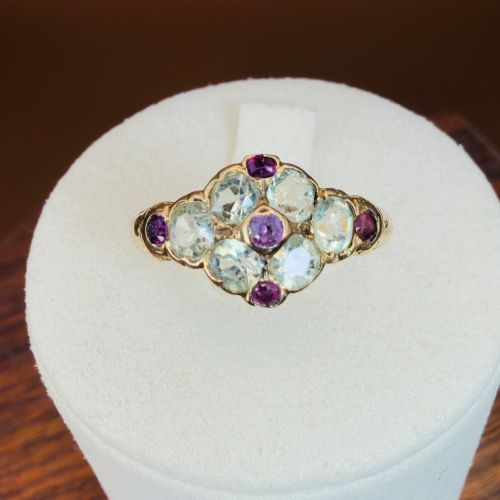
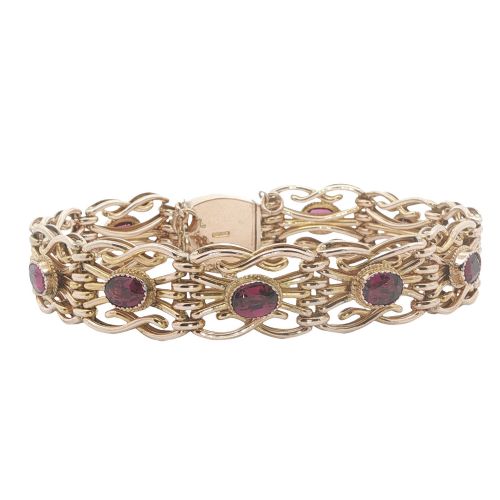
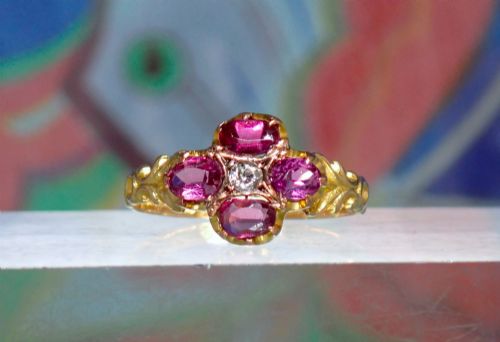
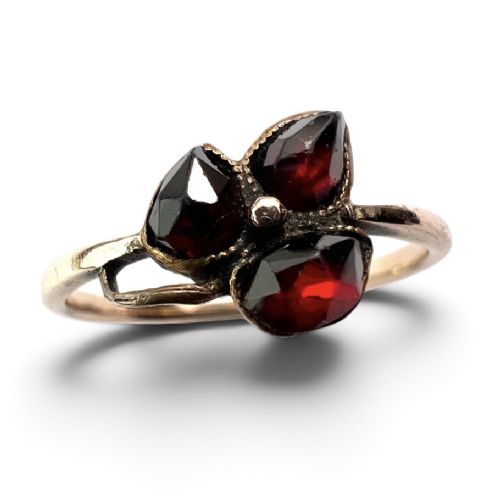
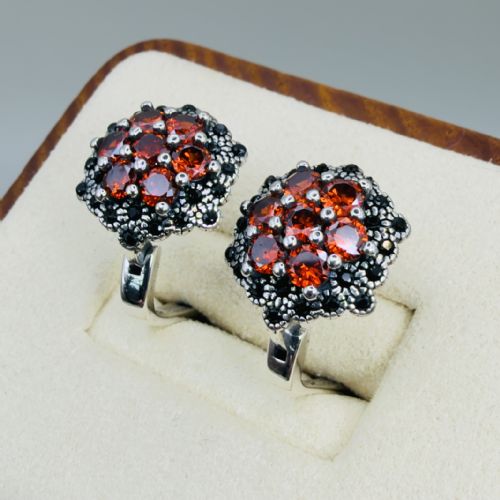
An antique garnet cluster brings together multiple rich red stones in a tight arrangement, creating a striking focal point of deep colour on the hand, wrist, or lapel. These pieces span from the Georgian era through the Victorian period, Edwardian times, and into the mid-century, reflecting changing tastes in jewellery design.
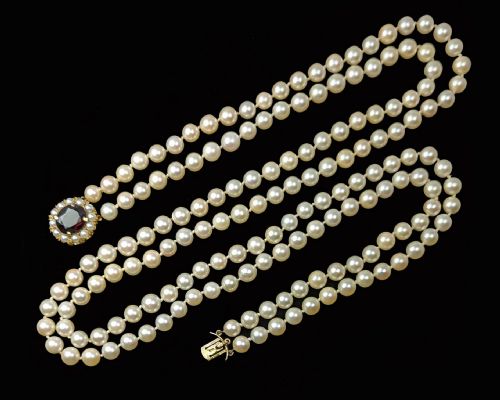
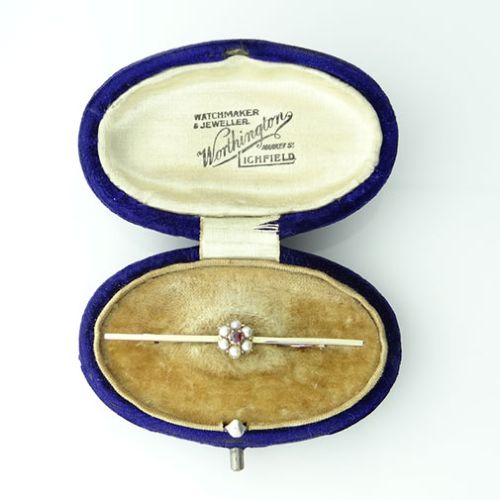
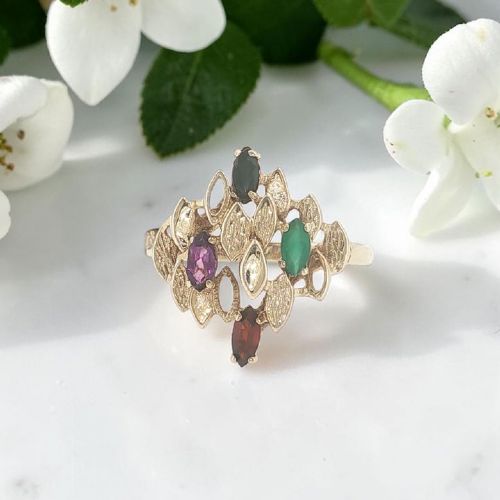
You are most likely to meet rings and brooches featuring almandine garnets or Bohemian stones set in gold or silver-gilt. These items range from simple floral clusters to elaborate multi-gem configurations involving pearls, diamonds, or other coloured stones.
The variety in these pieces extends from delicate lace pins and drop earrings to substantial pendants and cocktail rings. Each era contributes distinct craftsmanship, from flat-cut stones in early pieces to raised cluster arrangements in later Victorian and Edwardian examples.
Materials and construction
Garnets are set primarily in nine-carat, fifteen-carat, and eighteen-carat gold, as well as silver-gilt, providing a sturdy foundation for the stones. Metals such as platinum and rose gold also appear, supporting varied design aesthetics across different decades.
Clusters frequently incorporate seed pearls or diamonds to frame the central red stones, enhancing the contrast and brilliance of the face. Artisans utilised techniques like closed-back foil settings in earlier periods and open-back collet settings later on to maximise light reflection through the deep red material.
Antique Garnet Cluster Retail Price Guide 2026
Typical asking prices for garnet cluster among the pieces listed under this phrase on Sellingantiques today, from the lower quarter to the upper quarter. They describe what is for sale here now, not the wider market.
Materials appearing across the collection include almandine garnets, demantoid garnets, seed pearls, diamonds, and bloodstone.
Quality and execution
The distinction between ordinary and exceptional pieces lies in the depth of colour and uniformity of the garnets, alongside the precision of the stone-cutting. High-calibre examples display matched stones with vibrant internal fire rather than dull, blackened glass-like appearance.
Setting work and metal purity also dictate the grade of a piece, with finely detailed claw or collet work elevating the overall artistry. Heavier gold weights and integrated secondary gems such as well-matched diamonds or undamaged seed pearls signal superior workshop standards.
The Antique Garnet Cluster Glossary
- Almandine Garnet
- A deep red variety of garnet rich in iron and aluminium. It provides the dark, rich crimson tones seen in many Victorian and Edwardian clusters.
- Bohemian Garnet
- Small, rose-cut pyrope garnets sourced from Central Europe and tightly clustered together. They are typically set in silver-gilt without visible metal between the stones.
- Carbuncle
- A cabochon-cut garnet or other red gemstone polished smooth rather than faceted. This style produces a rounded, glowing dome of deep red colour.
- Flat Cut
- A gemstone cutting technique where the base is flat and the top has simple facets. This method is commonly found in Georgian-era jewellery.
- Seed Pearl
- Tiny natural pearls used as delicate accents in cluster jewellery. They provide a soft white contrast to the deep red garnets.
Antique Garnet Cluster: Frequently Asked Questions
How do I clean an antique garnet cluster?
Clean your piece gently using a soft brush and warm soapy water, avoiding harsh chemical dips or ultrasonic cleaners. Many antique settings use foil backs or closed mounts that can be permanently ruined if moisture seeps behind the stones.
Dry the item thoroughly with a soft cloth immediately after washing. Store it separately from other jewellery to prevent the hard stones from scratching neighbouring pieces.
Can I wear an antique garnet ring daily?
You can wear these rings regularly provided you treat them with care and remove them during heavy physical work. Garnets have a moderate hardness, meaning they can abrade over time if subjected to constant friction against harder materials.
Check the claws and settings periodically to ensure the stones remain secure. Older gold alloys can wear thin after a century or more of use.
How do I tell Victorian from Edwardian clusters?
Victorian clusters often feature heavier gold, almandine garnets, and sometimes closed-back foils or intricate floral motifs. The overall aesthetic leans toward rich warmth and substantial weight on the finger or lapel.
Edwardian pieces tend to introduce platinum, lighter yellow gold, and finer lace-like openwork settings. Diamond accents are more frequent and the metalwork appears airier and more refined.