


Antique Garden Dining Table
An antique garden dining table brings character to outdoor entertaining, offering solid construction and timeless charm.
Antique Garden Dining Table
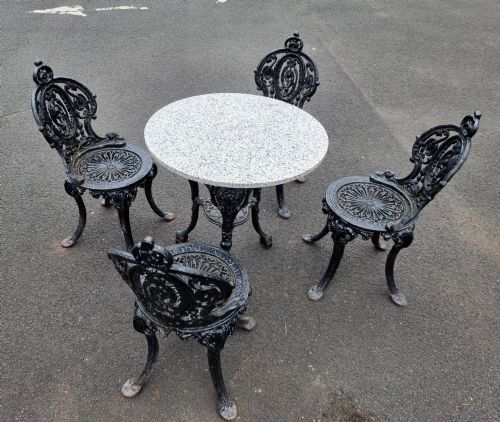
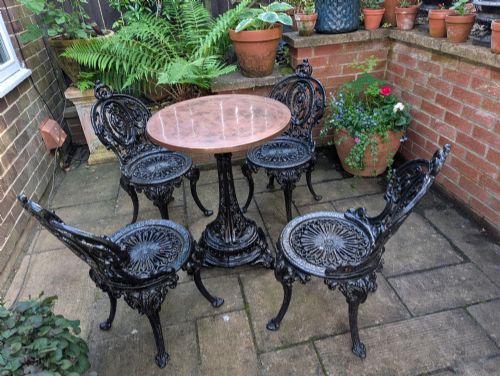
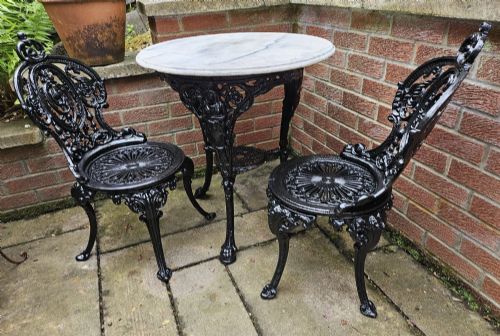
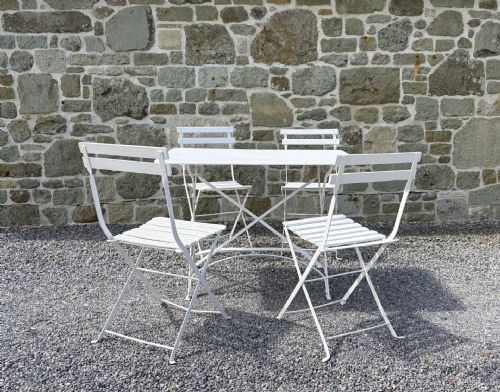
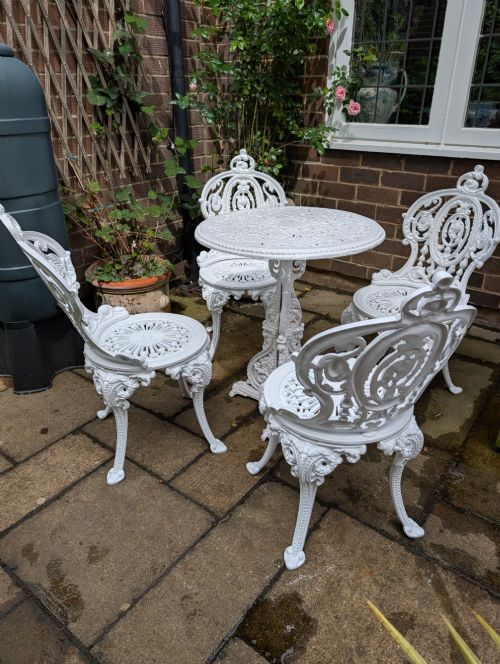
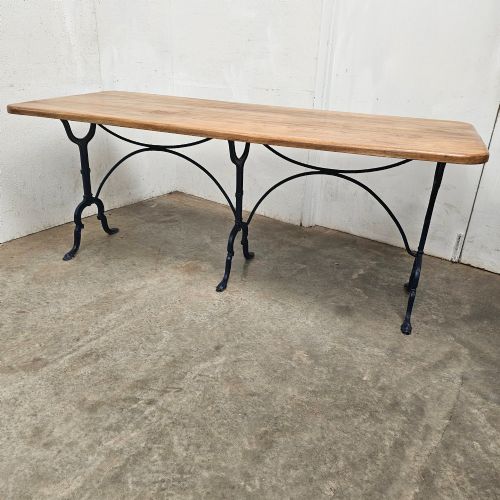
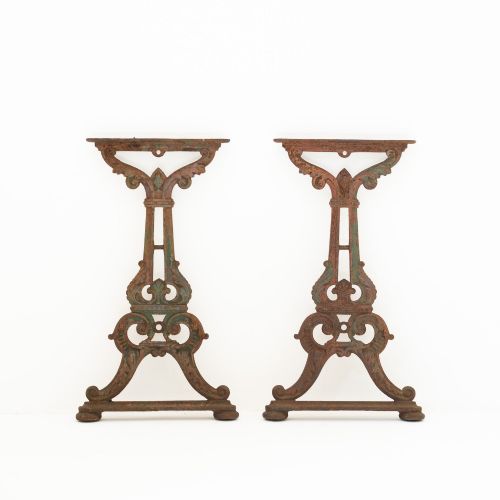
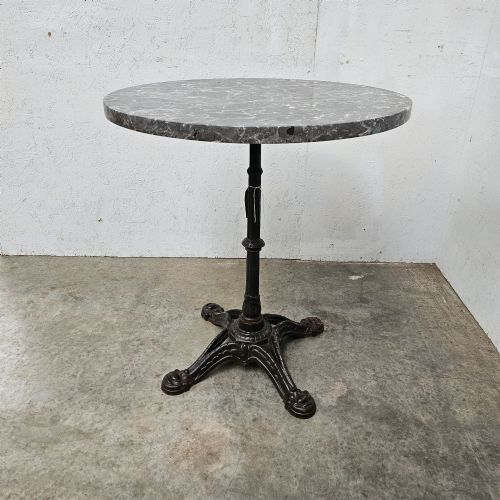
When searching for an antique garden dining table, buyers encounter a variety of forms ranging from robust 19th Century cast iron pieces to French bistro tables. These items serve both practical outdoor dining needs and decorative garden requirements.
The pieces listed span multiple eras including the Victorian period, 1880, 1910, 1920, and 1930. Sets often include matching chairs alongside the central table.
Origin and material combinations define the visual impact of these garden furnishings. French provincial, industrial, and chateau styles appear frequently across the available selections.
Judging quality in garden dining pieces
Quality differences stem from the grade of materials utilised and the complexity of the metalwork or woodwork. Heavier cast iron bases and dense hardwoods indicate superior construction.
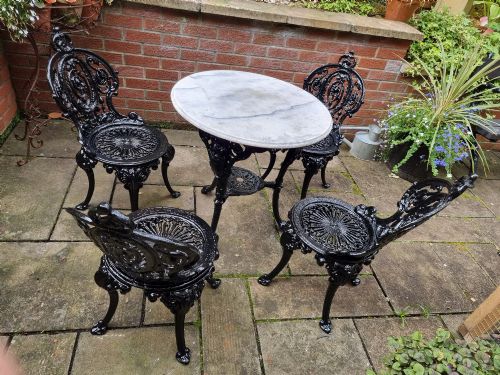
Original combinations of marble tops with iron framing or specialised maker attribution elevate the desirability of a piece. Finer casting detail in the ironwork distinguishes standard items from exceptional examples.
Christopher Dresser's pioneering industrial designs prove that even a garden table can be high art.
Christopher Dresser·Heals
The Antique Garden Dining Table Glossary
- Cast iron
- A strong, hard alloy of iron poured into moulds to create decorative and structural garden furniture bases. It provides substantial weight for stability outdoors.
- Bistro table
- A small café-style table, often featuring an iron base and a wooden or marble top. These are designed for compact dining spaces.
- Refectory table
- A long, narrow dining table traditionally used for communal meals. Painted examples appear in garden and kitchen settings.
- Wirework
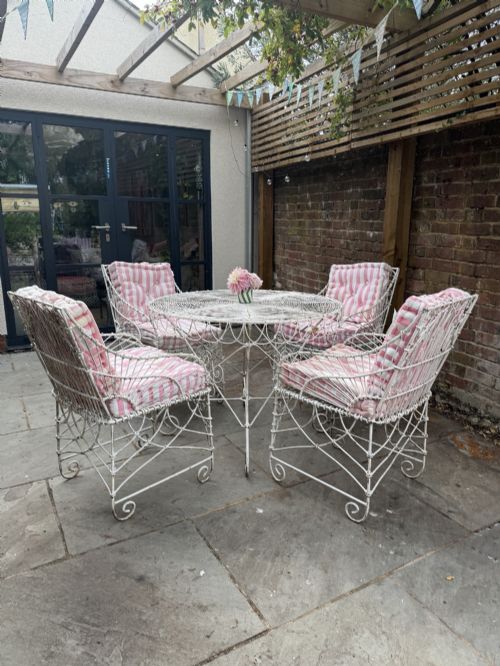
- An intricate Victorian metal technique utilising bent wire to form lightweight yet resilient garden chairs and tables.
Antique Garden Dining Table: Frequently Asked Questions
Can I leave my table outside year-round?
Many iron and stone pieces tolerate outdoor conditions well, though protecting vulnerable wood surfaces during harsh weather helps preserve them.
Covering or storing pieces indoors during winter months prevents unnecessary weathering and extends the lifespan of the materials.
How do I clean marble and iron tables?
Gentle soap and water suffice for cleaning cast iron frames and durable stone tops. Avoid abrasive chemicals that might strip protective finishes.
Regular wiping maintains the surface appearance without damaging antique patinas developed over decades of use.
Are these tables suitable for indoor use?
Numerous buyers utilise these items inside kitchens, conservatories, and dining rooms. Their distinct industrial and French country aesthetics blend seamlessly with interior decor.
Pairing a marble or wood top table with matching chairs creates a striking focal point inside the home.
How do I date a cast iron table?
Dating relies on stylistic clues, manufacturer marks, and casting techniques. Victorian and Edwardian pieces often feature registration numbers or specific maker signatures.
Examining the bolts, assembly methods, and wear patterns provides further confirmation of the period of manufacture.