



Antique Garden Decor
Antique garden decor brings utility and character to outdoor spaces, uniting enduring materials with centuries of practical design.
Antique Garden Decor
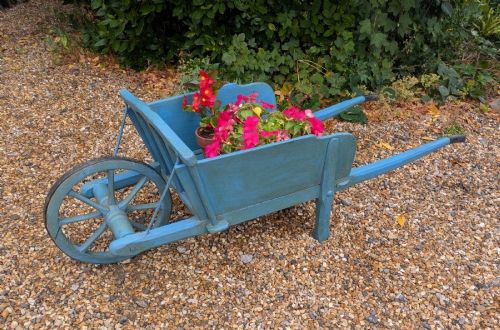
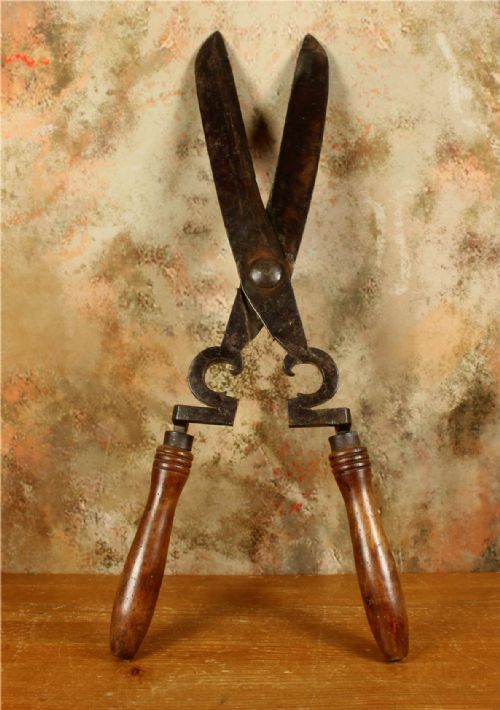
Antique garden decor encompasses utilitarian objects, architectural salvage, and fine art pieces created for or depicting outdoor spaces. Buyers seeking these items will find a diverse assortment ranging from heavy metalwork to framed pastoral artwork.
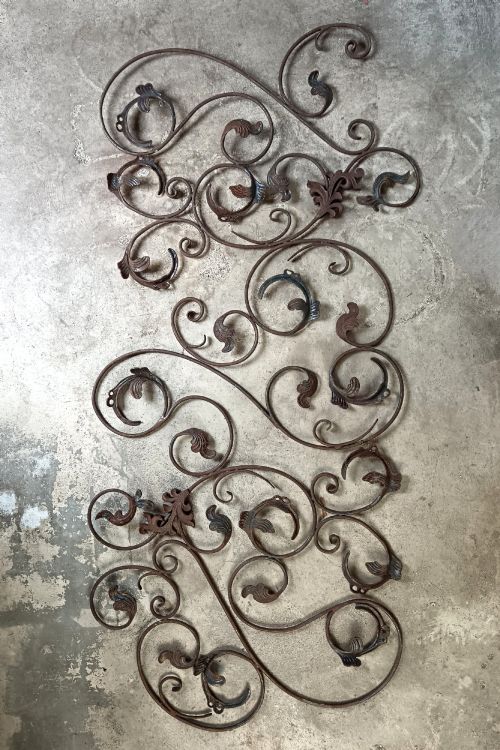
The pieces on this page span several centuries, with particular representation from the Victorian era and the nineteenth century. Common forms include watering cans, boot scrapers, hitching posts, and architectural scroll panels.
Functional items share space with decorative depictions of gardens, including mixed media paintings, porcelain vases, and Japanese Satsuma wares. This mix reflects both the practical needs of historic grounds and the enduring artistic fascination with cultivated nature.
Materials and construction methods
Metalworking dominates the physical artefacts, utilising cast iron, wrought iron, brass, and copper. Foundries shaped these metals into durable forms like hitching posts, boot scrapers, and watering cans designed to withstand the elements.
Fine arts and decorative objects employ canvas, paper, glass, porcelain, and enamel. Painters and craftsmen used oil, mixed media, and delicate embroidery to capture garden scenes and botanical subjects.
Antique Garden Decor Retail Price Guide 2026
Typical asking prices for garden decor among the pieces listed under this phrase on Sellingantiques today, from the lower quarter to the upper quarter. They describe what is for sale here now, not the wider market.
Listings feature items spanning the eighteenth, nineteenth, and twentieth centuries, utilising materials from cast iron and wood to porcelain and silk embroidery.
Distinctions in quality and execution
K & K Hof Atelier Pietzner·Hakusan·Samson·Dollond London
The Antique Garden Decor Glossary
- Architectural salvage
- Building elements and decorative fixtures rescued from older structures for reuse in gardens or interiors. These panels and fittings often display period craftsmanship.
- Hitching post
- A sturdy post anchored outside properties to secure horses by their reins. Cast iron examples often took sculptural forms such as animal heads.
- Boot scraper
- A metal blade fixed near an entrance to clean mud from footwear before entering a house. Victorian versions were frequently cast in robust iron.
- Chrystoleum
- A Victorian method of applying hand-tinted colour to a convex glass plate placed over a printed photograph. This technique created a luminous, three-dimensional image.
- Satsuma ware
- A type of Japanese pottery featuring a pale, ivory-coloured crackle glaze decorated with enamel and gilt. These ceramics frequently depict traditional garden and floral motifs.
Antique Garden Decor: Frequently Asked Questions
What is antique garden decor?
Antique garden decor comprises historical objects, tools, and architectural elements used in historic grounds, alongside artwork depicting natural scenes. These items range from sturdy iron utility pieces to delicate porcelain.
Items typically date from the eighteenth century through to the early twentieth century, reflecting shifting tastes in landscaping and domestic art.
How were cast iron garden items used?
Cast iron items served heavy-duty practical functions around estates and townhouses. Boot scrapers cleaned muddy footwear at doorways, while hitching posts secured horses.
Manufacturers utilised iron for its strength and weather resistance, ensuring these fixtures survived decades of outdoor exposure.
How do I care for metal garden antiques?
Historic metal items require gentle cleaning to preserve their surface patinas and original finishes. Avoid abrasive methods that strip away centuries of weathered oxidation.
Depending on the metal type and whether pieces are kept indoors or outside, application of protective waxes or oils can prevent further corrosion.
Can I use antique watering cans for plants?
Many antique copper and brass watering cans remain structurally sound for gentle domestic use. However, buyers often choose to display them as decorative objects to protect fragile historic seams.
Inspecting the interior and soldered joints helps determine whether a vessel can safely hold water.