


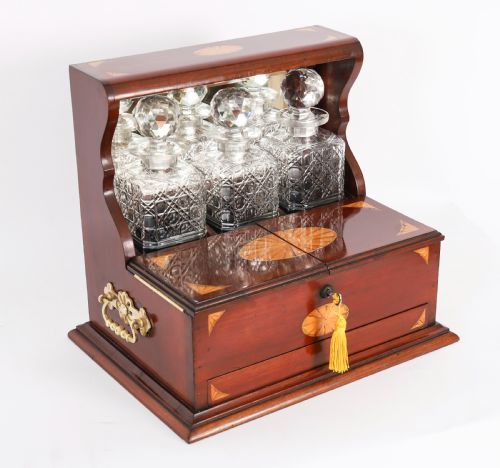


Antique Gaming Chest
These antique gaming chest examples combine social entertainment with fitted storage, offering a sophisticated centrepiece for period interiors.
Antique Gaming Chest
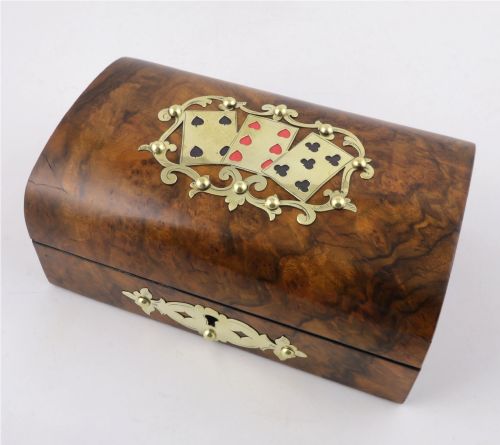
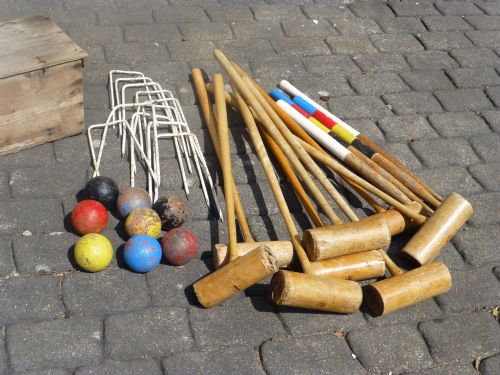
An antique gaming chest brings together the fitted requirements for parlour entertainment and hospitality into a single portable case. You are looking at multi-functional receptacles designed to hold playing cards, dice, mahjong tiles, or lawn games alongside compartmentalised sections for decanters.
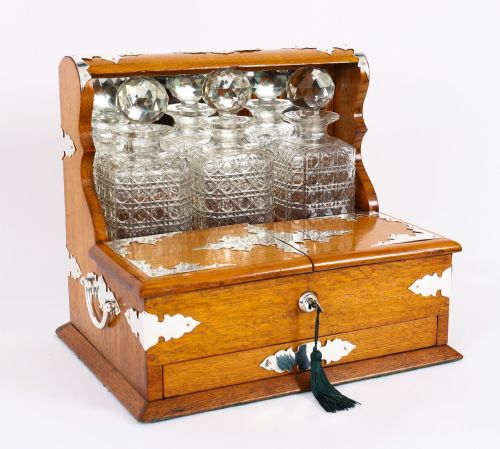
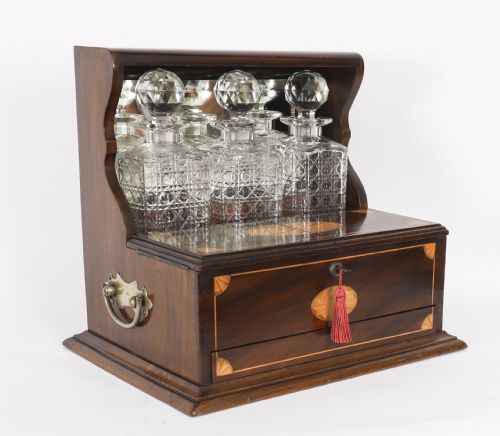
The versions most commonly met on this page span the Victorian and Edwardian eras, constructed to cater to the leisurely pursuits of the period household. These pieces range from substantial oak and mahogany compendiums incorporating drop-front cocktail bars to specialised wooden boxes dedicated to cards or croquet.
Originating predominantly from English workshops alongside occasional Chinese export examples, these containers reflect the domestic pastimes of the nineteenth and early twentieth centuries. Each form serves a dual purpose, uniting social games with the formal serving of spirits.
How they were made
Makers utilised dense timbers such as oak, walnut, mahogany, and satinwood to construct robust carcases capable of enduring frequent handling. These woods were frequently enhanced with intricate decorative veneers or contrasting inlay work to define the exterior surfaces.
Internal layouts required precise joinery to securely house cut crystal decanters, glassware, and small accessories like poker dice. Structural hardware, including brass locks, hinges, and carrying handles, provided both functional utility and visual accentuation.
Antique Gaming Chest Retail Price Guide 2026
Typical asking prices for gaming chest among the pieces listed under this phrase on Sellingantiques today, from the lower quarter to the upper quarter. They describe what is for sale here now, not the wider market.
The material record includes brass hardware, cut crystal decanters, silver plate, and specialised pine storage boxes.
What varies in quality
The standard of construction distinguishes simpler parlour boxes from elaborate compendiums fitted with multi-bottle tantalus frames and silver plated mounts. Superior examples demonstrate refined cabinetwork, superior timber selection, and integrated locking mechanisms that secure both the bottles and the internal game drawers simultaneously.
The completeness and original condition of the internal contents, from cut glass decanters to complete sets of gaming pieces, elevate the standing of a piece. Finer items exhibit careful attention to detail in their brass hardware and the precision of their fitted internal compartments.
The Antique Gaming Chest Glossary
- Tantalus
- A locking frame that secures decanters by the neck to prevent unauthorised access while displaying the contents. This mechanism is frequently paired with games storage in dual-purpose compendiums.
- Compendium
- A comprehensive box or chest housing multiple distinct games and accessories within a single organised enclosure. These containers often incorporate folding boards and dedicated trays.
- Veneer
- A thin layer of decorative timber applied to a secondary wood carcase to create patterned surfaces. Satinwood and mahogany are commonly utilised in this manner.
- Decanter
- A heavy glass vessel designed for holding and serving spirits, typically featuring cut crystal detailing. They sit securely within fitted recesses inside the bar sections.
Antique Gaming Chest: Frequently Asked Questions
What is an antique gaming chest?
An antique gaming chest is a fitted wooden box designed to hold equipment for parlour games such as cards, dice, or mahjong. Many examples combine this function with a tantalus dry bar.
These pieces were produced during the nineteenth and early twentieth centuries for domestic entertainment in country houses and town residences. They provide an organised method for storing social amusements and spirits together.
How were these chests used?
Households utilised these chests during evening gatherings and house parties to provide both entertainment and refreshments for guests. The fitted compartments kept cards, dice, and glassware secure between uses.
Opening the chest revealed integrated storage trays for gaming pieces alongside lockable spaces for decanters. They served as portable social stations within the principal rooms of a period home.
How do I date a gaming chest?
Dating relies upon stylistic markers, timber choices, and construction techniques associated with periods like the Victorian and Edwardian eras. Finer brass hardware and specific veneer types often point to particular decades.
Records from the late nineteenth century show a prevalence of oak and mahogany compendiums with cut crystal. Edwardian examples often feature larger proportions and combined tantalus frames.
How do I care for wooden gaming chests?
Maintenance involves keeping the timber away from direct heat sources and sudden humidity changes to protect the veneer and joinery. Regular gentle dusting preserves the polished surface of the wood and brass hardware.
Internal velvet or leather linings benefit from careful, dry cleaning to avoid moisture damage. Ensuring the brass locks and hinges remain free of dust preserves their mechanical operation.