






Antique Game Chest
An antique game chest brings social pastimes home, offering fitted storage for cards, dice, and compendiums.
Antique Game Chest
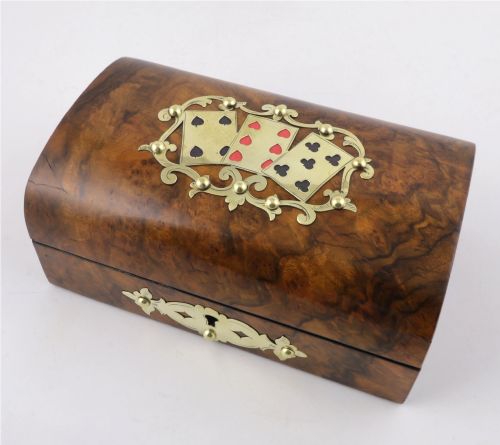
An antique game chest unites social entertainment with fitted storage, appearing across Victorian and Edwardian periods in various timber forms. When you search for an antique game chest, you encounter fitted boxes housing playing cards, dice, parquetry boards, and occasionally integrated drinking vessels.
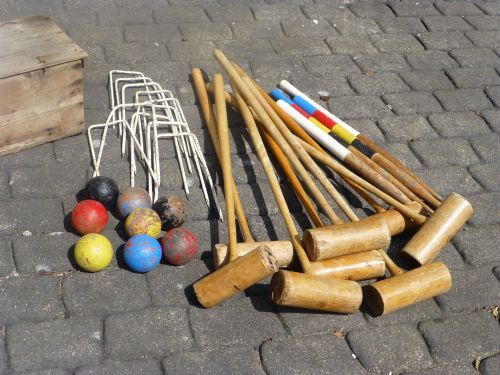
Originating primarily from English workshops, these pieces also include specialised sports equipment such as croquet sets in pine boxes, alongside international imports like Chinese Mahjong sets from the nineteen-twenties.
Materials and construction
Cabinetmakers utilised sturdy hardwoods such as oak, mahogany, walnut, and satinwood to construct the outer carcasses of an antique game chest, often employing figured grains to enhance visual depth. Brass mounts, carrying handles, and locking mechanisms provided both structural reinforcement and decorative contrast.
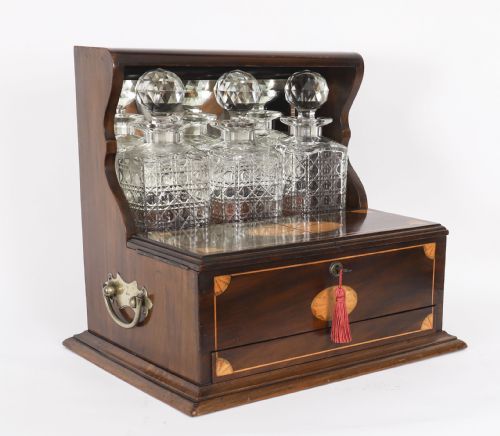
Interior fitments required precise woodworking to house cut crystal decanters, glassware, playing cards, and counters securely during transit or storage. Selected examples incorporated inlaid woodwork and mirror glass panels within the dry bar sections.
Antique Game Chest Retail Price Guide 2026
Typical asking prices for game chest among the pieces listed under this phrase on Sellingantiques today, from the lower quarter to the upper quarter. They describe what is for sale here now, not the wider market.
Functional forms range from multi-bottle tantalus dry bars to dedicated croquet sets and Chinese Mahjong boxes.
Assessing craftsmanship and execution
Superior examples of an antique game chest display exceptional timber selection, such as figured or blonde oak and fine satinwood inlay, paired with substantial cast brass hardware. The integration of multiple functions, uniting a three-bottle tantalus with a comprehensive games compendium, distinguishes more ambitious commissions from simpler organiser boxes.
The sophistication of the internal mechanism and the quality of the glass components elevate the standing of a piece. Cut crystal decanters and complete, original sets of games equipment demonstrate higher initial cost and superior workshop execution.
The Antique Game Chest Glossary
- Tantalus
- A locking drink cabinet that secures decanters within a metal framework while displaying their contents. This device prevents unauthorised access to the spirits while allowing them to be viewed.
- Games Compendium
- A single box containing the equipment for multiple tabletop pastimes, such as chess, draughts, cards, and dice. These multi-game sets became popular in the Victorian period for household entertainment.
- Parquetry
- Geometric mosaic woodwork formed by fitting small veneer tiles together to create decorative patterns on box lids. Cabinetmakers used this technique to ornament the exterior surfaces of game caskets.
- Decanter Box
- A specialised fitted case designed specifically to transport and display glass bottles securely. Interiors are lined and partitioned to prevent the glassware from shifting.
Antique Game Chest: Frequently Asked Questions
What is inside an antique game chest?
These boxes typically contain fitted compartments for playing cards, dice, counters, and sometimes folding game boards. Many variations on this page also incorporate cut crystal decanters and drinking glasses.
More specialised variants house complete lawn sports equipment or specific cultural pastimes like Mahjong sets rather than traditional parlour games.
How do you date an antique game chest?
Dating relies upon timber choices, hardware styles, and the specific combination of contents present in the box. Victorian pieces frequently feature heavy oak or walnut construction with brass mounts, while Edwardian examples often display lighter satinwood or golden oak.
Makers' marks, lock stamps, and stylistic cues associated with periods like the eighteen-eighties or nineteen-hundreds help narrow the timeline further.
Were these chests used for travel?
While sturdy carrying handles suggest portability, the inclusion of heavy crystal decanters and delicate glass makes most of these pieces better suited for country house parlour use.
They functioned primarily as stationary entertaining cabinets kept on sideboards or tables rather than rugged luggage for long journeys.
How do I maintain the wood and brass?
Routine maintenance involves dusting the timber with a dry cloth and occasionally applying a suitable wax to nourish the grain of woods like mahogany and oak. Brass hardware can be left with its natural patina or gently polished if brighter metalwork is preferred.
Keeping the boxes away from direct heat sources and extreme humidity protects the fitted interior partitions from warping.