

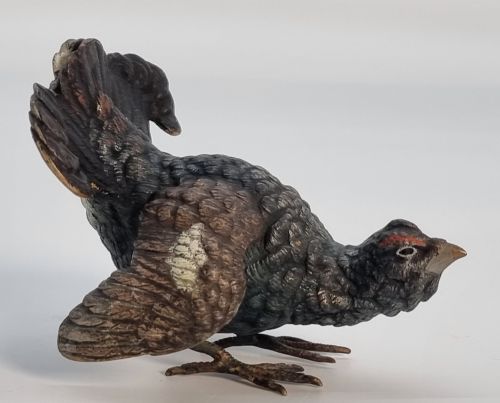

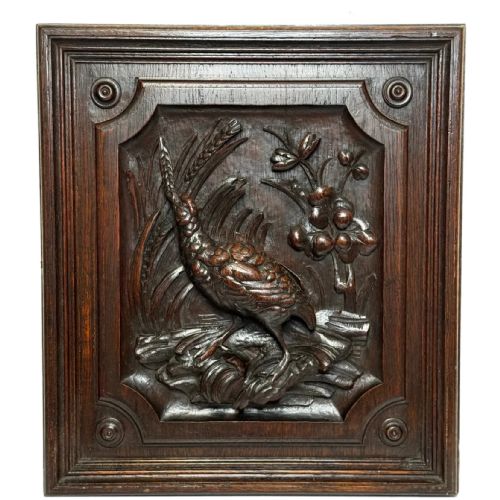


Antique Game Bird Sculpture
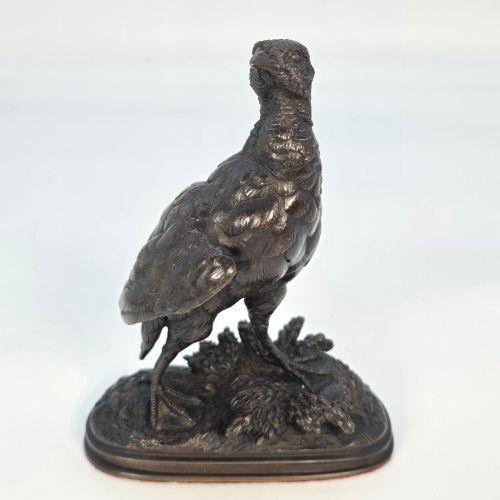
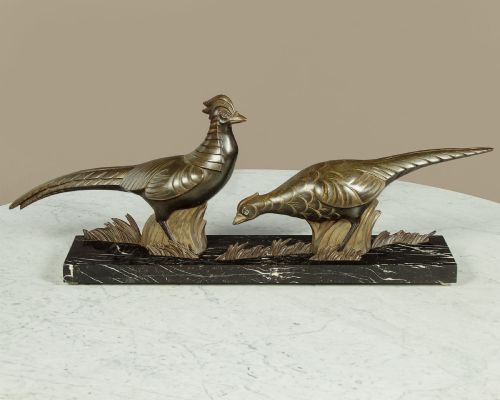
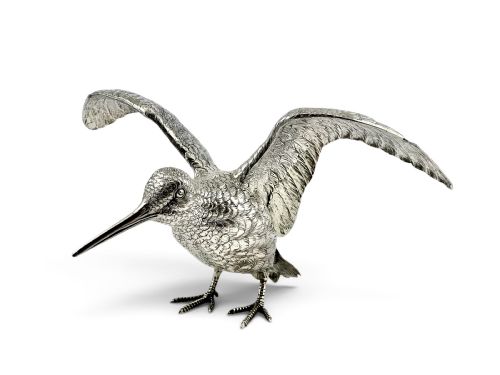
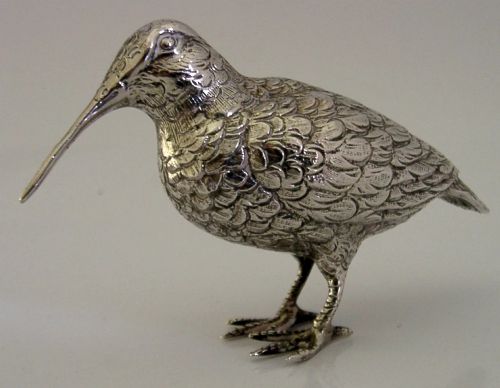
An antique game bird sculpture captures the poise of woodcock, grouse and pheasant in bronze, silver and carved wood.
Antique Game Bird Sculpture
When you search for an antique game bird sculpture, you encounter figures and plaques depicting woodcock, grouse, pheasants and cockerels across various periods. These pieces serve as table ornaments, wall panels and sculptural studies reflecting country pursuits.
You are most likely to meet bronze and silver figures alongside carved wooden plaques from the Victorian era through to the mid-twentieth century. Animalier bronzes and cold-painted Austrian pieces dominate the available forms.
How They Were Made
Foundry casting brought bronze and silver to life, often finished with cold-painted pigments applied to the metal surface. These metallic techniques allowed makers to capture realistic plumage and posture.
Carving defined the wooden works, utilising tiger oak and other timbers for high-relief wall plaques and panels. Artisans worked the grain to render feathers and natural foliage with directness.
Antique Game Bird Sculpture Retail Price Guide 2026
Typical asking prices for game bird sculpture among the pieces listed under this phrase on Sellingantiques today, from the lower quarter to the upper quarter. They describe what is for sale here now, not the wider market.
Materials span sterling silver, 830 silver, bronze, patinated metal and carved tiger oak across Victorian and twentieth-century dates.
What Varies in Quality
The accuracy of anatomical rendering separates standard castings from exceptional ones. Master modellers captured the tense stance of a pheasant or the specific weight of a woodcock's bill.
Surface preservation dictates the standing of painted and patinated metals. Original cold-painted surfaces retain depth and subtlety that inferior touch-ups obscure.
Bergman·Franz Bergman·P J Mêne
The Antique Game Bird Sculpture Glossary
- Animalier
- A nineteenth-century movement dedicated to the realistic depiction of animals. Sculptors in this tradition focused on the anatomical truth of wildlife.
- Cold-painted bronze
- A technique where bronze figures received paint layers without subsequent firing in a kiln. This method allowed for vivid, naturalistic colouring of bird plumage.
- Vienna Bronze
- Small-scale Austrian metalwork produced around the turn of the twentieth century. These figures are noted for meticulous detailing and hand-painted finishes.
- Pugin Design
- A decorative style rooted in Gothic revival principles. It appears in architectural woodwork and heavy relief panels.
Antique Game Bird Sculpture: Frequently Asked Questions
What birds do these sculptures usually show?
The pieces depict game birds commonly associated with shooting and country pursuits. Woodcock, grouse, pheasants and cockerels appear most frequently.
Artists favoured birds with distinct plumage and recognizable silhouettes. This made them ideal subjects for bronze casting and wood carving.
How were these figures displayed originally?
Many smaller bronze and silver birds functioned as table ornaments in studies or dining rooms. Larger wooden plaques were mounted directly onto walls.
They served as trophies of the hunt or decorative tributes to country life. Owners placed them where guests could admire the craftsmanship.
How do I distinguish Vienna bronzes?
Vienna bronzes typically exhibit heavy casting and specific cold-painted coloration. They carry the marks or foundry stamps of Austrian workshops active around nineteen hundred.
The posture of the birds tends to be highly naturalistic. The paint shows subtle shading across the wings and tail feathers.
Can I clean silver bird figures safely?
Silver pieces require gentle dusting with a soft cloth to preserve their patina. Avoid aggressive polishes that remove historic surface character.
Consult a specialist if the silver bears delicate hallmarks or applied decoration. Proper care maintains the integrity of the metal.