


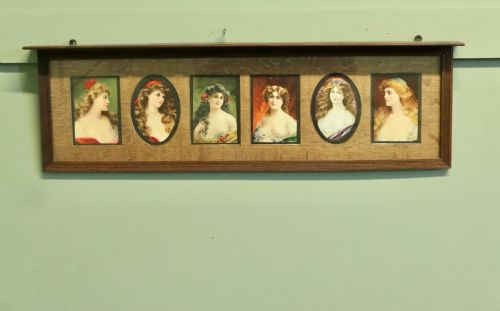


Antique Gallery Print
These antique gallery print selections are curated groupings of historic works on paper, prized for their period character and decorative impact on domestic walls.
Antique Gallery Print
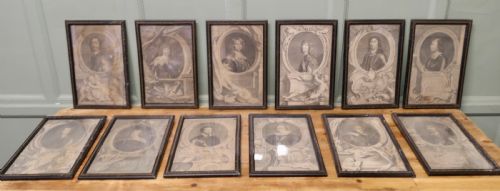
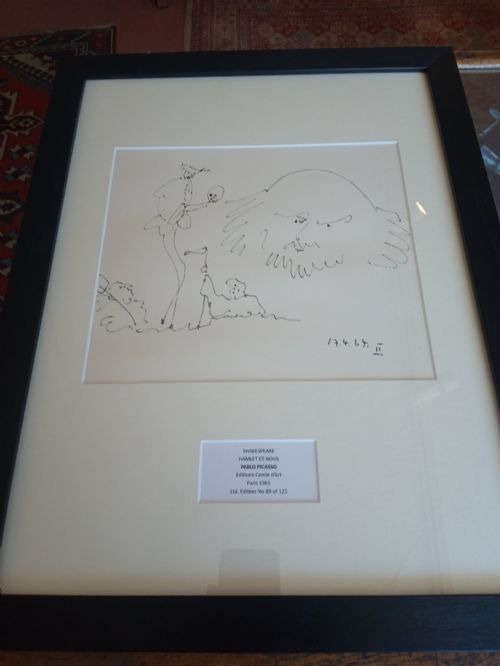
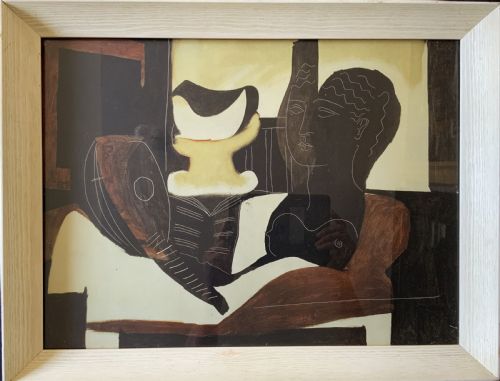
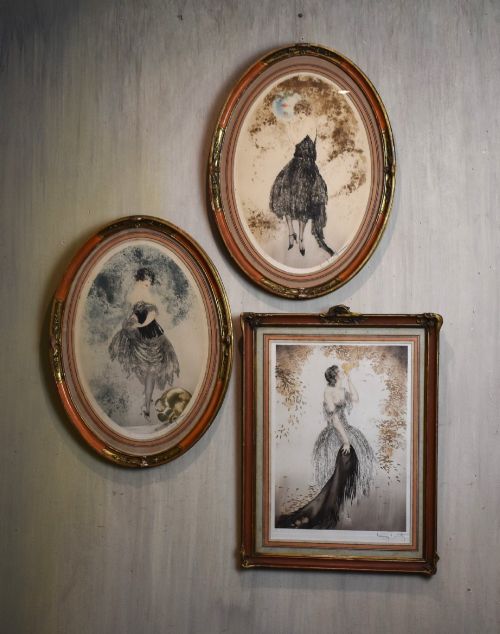
An antique gallery print selection brings together historic framed works on paper, spanning centuries of graphic output from delicate botanical studies to signed mezzotints. Buyers seek these pieces to anchor a room with authenticated period character, often acquiring matched sets that offer a strong decorative presence on the wall.
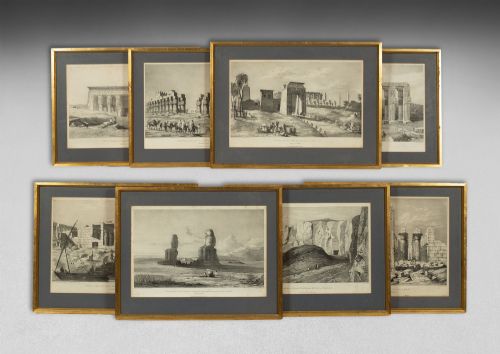
The material available on this page draws heavily from 18th-century and 19th-century traditions, including Regency and Victorian productions. You will encounter framed engravings, watercolour studies, and photographic prints of subjects ranging from ornithology to royal portraits.
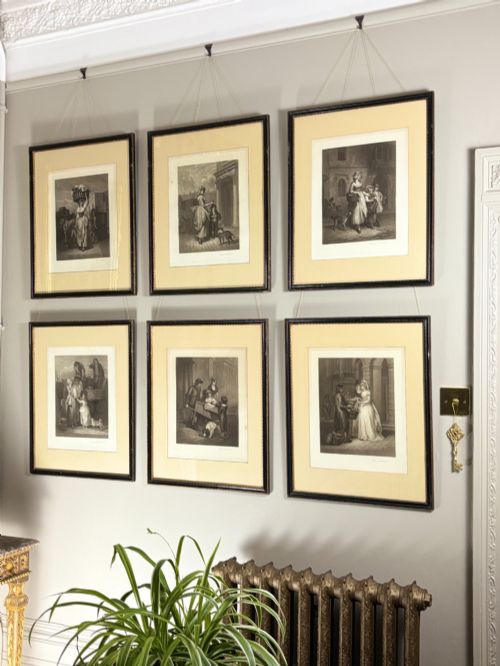
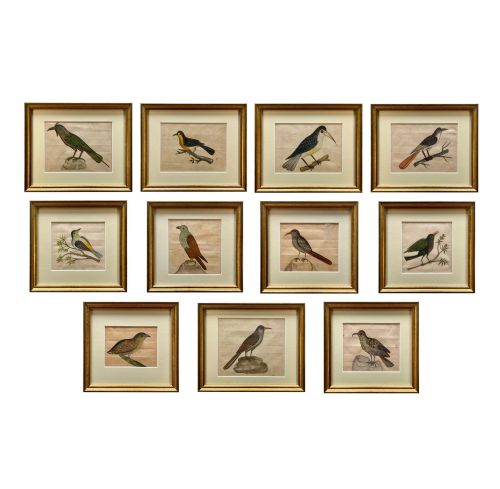
Sets dominate the selection, offering matched runs of botanical illustrations, Cries of London scenes, or sporting subjects. These grouped works reflect how historic print series were originally collected, bound, or displayed together.
Distinctions in quality
The standard of execution in printmaking separates works pulled from early, crisp plates from those taken after heavy wear occurred on the copper or steel matrix. Fine plate impression quality ensures that the finest linework and delicate background details remain sharp and legible.
Original hand-colouring or period watercolour application differentiates superior pieces from later, cruder embellishments. The preservation of the paper support, along with the integrity of the original framing, contributes substantially to the standing of any given print set.
Antique Gallery Print Retail Price Guide 2026
Typical asking prices for gallery print among the pieces listed under this phrase on Sellingantiques today, from the lower quarter to the upper quarter. They describe what is for sale here now, not the wider market.
Listings feature works executed in paper, glass, wood, gilt wood, watercolour, ink, gilt, and gouache.
Jacobus Howbraken·Louis Icart·Thomas G Appleton·Edward Stodart·Simon François Ravenet·Pancrace Bessa·John Curtis·Edward Lear
The Antique Gallery Print Glossary
- Mezzotint
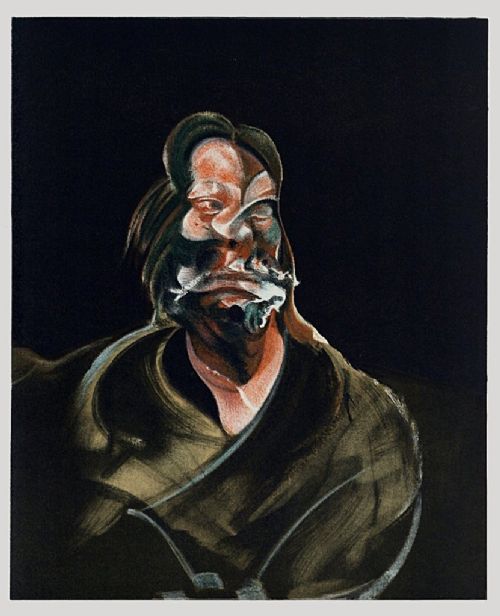
- A printmaking process of the intaglio family where the copper plate is roughened uniformly to produce rich dark tones and subtle gradients. This method allows for smooth transitions between light and shade.
- Engraving
- A technique where an artist cuts lines directly into a metal plate using a sharp tool called a burin. The resulting incisions hold the ink for transfer under pressure to paper.
- Gouache
- An opaque water-based paint composed of pigment, a binding agent, and additional inert material. It provides solid, flat areas of colour on botanical and portrait studies.
- Hand Tinted
- The manual application of watercolour or dye to a monochrome printed image. This technique enhances specific elements such as foliage, garments, or heraldic details.
- Silhouette
- A portrait cut from black paper or painted onto a pale ground, showing the profile outline of a sitter. These conversation pieces gained popularity during the 18th and 19th centuries.
Antique Gallery Print: Frequently Asked Questions
What is an antique gallery print?
An antique gallery print refers to historic framed works on paper, including engravings, mezzotints, and watercolours produced across the eighteenth and nineteenth centuries. These pieces were originally created as book illustrations, portfolio plates, or standalone wall art.
Today, they are collected for their historical documentation and decorative framing potential. Sets often preserve the original grouping intended by publishers or early collectors.
How should I hang framed prints?
Framed works on paper require protection from direct sunlight to prevent the fading of inks, watercolours, and tinted pigments. Stable indoor humidity levels protect both the paper support and the antique wooden or gilt frames.
When hanging matched sets, maintain consistent eye-level positioning and spacing to replicate traditional gallery displays. Secure each piece using appropriate wall anchors matched to the weight of the timber and glass.
How do I date an engraving?
Dating an engraving involves examining the paper stock, plate marks, typography, and stylistic conventions of the period. Maker signatures, publisher imprints, and watermarks embedded within the paper pulp offer primary chronological evidence.
Subject matter and costume details also provide reliable clues for placing a print within a specific decade or century. Comparative analysis with dated archival editions confirms the exact production window.
Why buy prints in sets?
Buying prints in sets preserves the historical integrity of botanical studies, Cries of London series, or sporting sequences that were published together. Complete runs offer a cohesive visual rhythm when displayed across a wall space.
Complete sets also hold greater documentary value for collectors of natural history and topography. They demonstrate how historical print portfolios were curated and bound in period quarters.