
Antique Furniture Unit
These antique furniture units span bookcases, chests of drawers, and whatnots across Georgian, Victorian, and Edwardian periods, offering practical storage and distinct period character.
Antique Furniture Unit
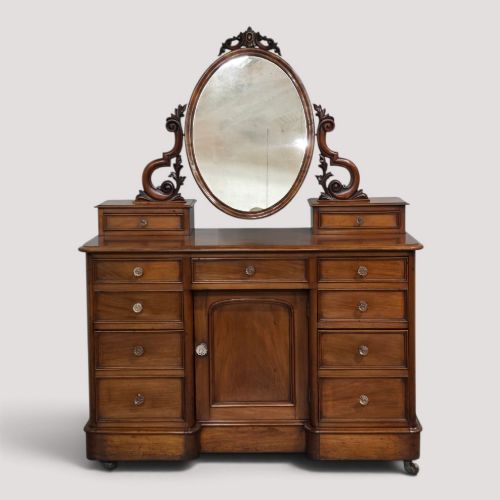
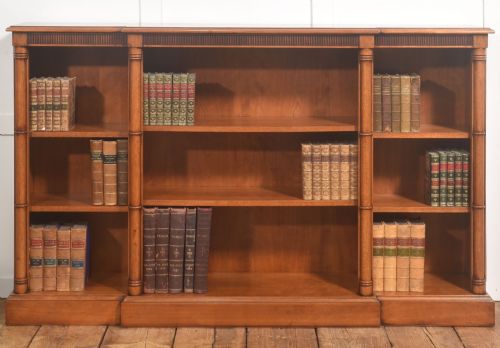
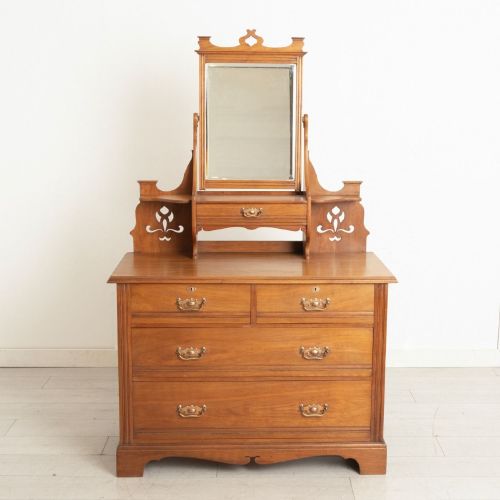
When buyers search for an antique furniture unit, they encounter a diverse selection of practical household forms including chests of drawers, bookcases, dressing tables, and whatnots. These pieces serve functional storage and display purposes within domestic spaces.
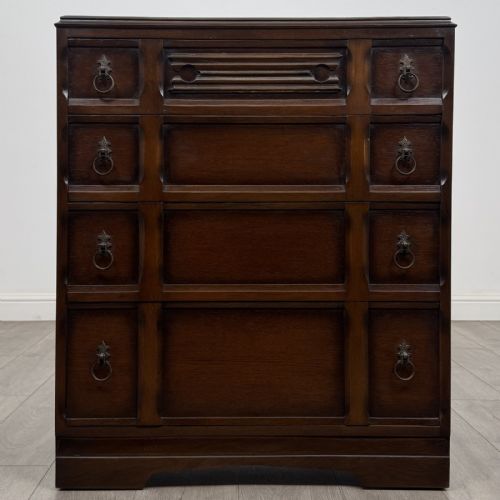
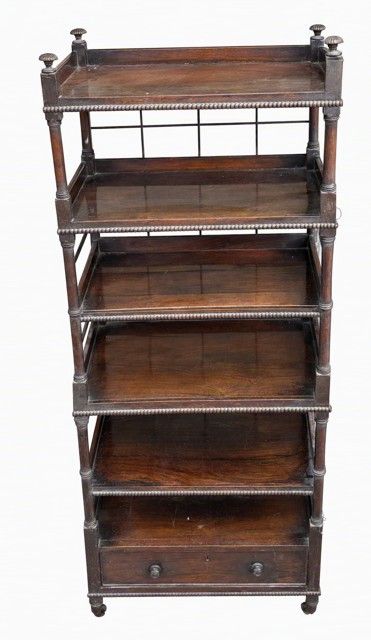
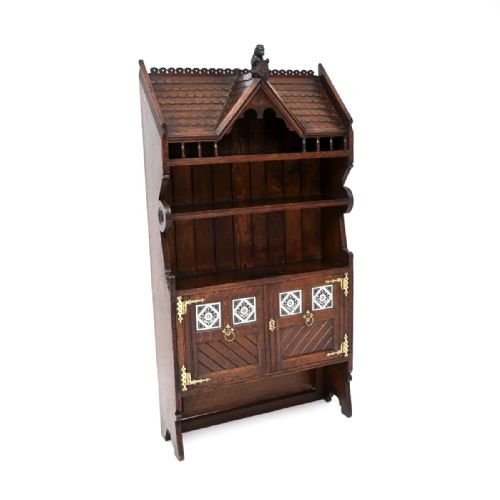
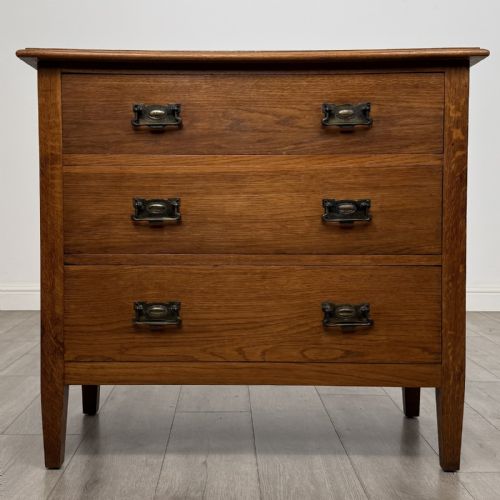
The most common variations on this page include oak and mahogany chests of drawers from the Victorian and Edwardian eras, alongside open bookcases and multi-tiered whatnots in rosewood and walnut. Styles range from plain utilitarian formats to detailed Aesthetic Movement and Arts and Crafts designs.
Origins stretch from the 18th century through the 19th century and into the early 20th century, capturing shifts in domestic utility and cabinet-making trends. Pieces appear in various timbers such as burr walnut, satinwood, and golden oak.
How they were made
Cabinet-makers constructed these units primarily from solid hardwoods like oak and mahogany, often applying veneers of burr walnut or rosewood to prominent surfaces. Timber selection governed both the structural integrity and the decorative grain pattern of the finished item.
Joinery techniques matched the period and the form, utilising dovetailed drawer construction, turned supports, and carved detailing. Brass fittings such as acorn handles, knobs, and galleries completed the functional hardware of the pieces.
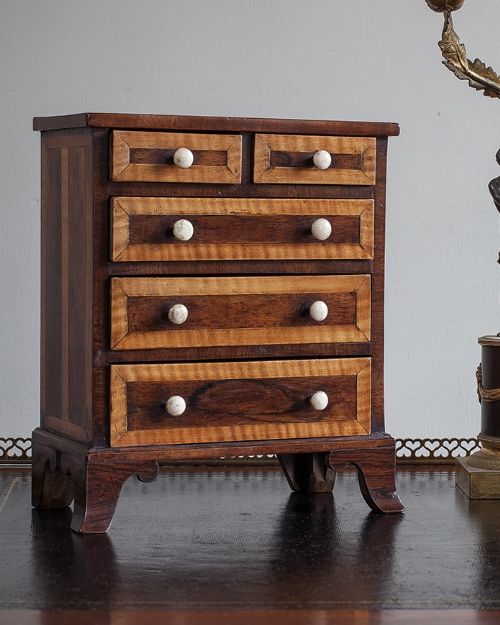
Miniature apprentice chests served as miniature calling cards for aspiring cabinet-makers to prove their dovetailing prowess.
What varies in quality
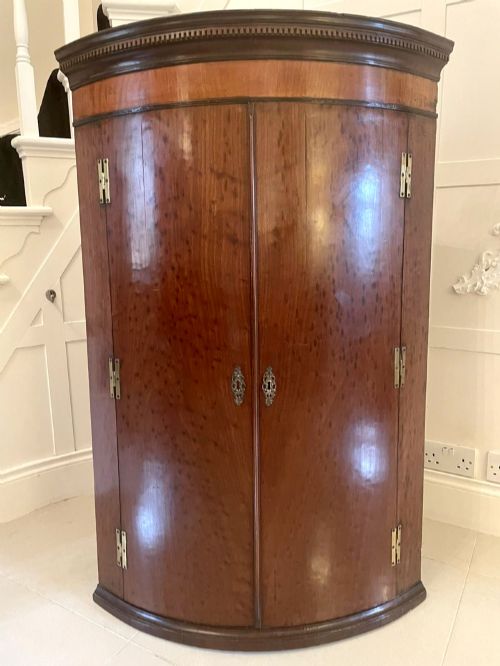
The refinement of timber selection and veneer matching defines the upper tier of these pieces, particularly evident in figured plum pudding mahogany and burr walnut surfaces. Superior items display careful grain continuity across drawer fronts and cabinet doors.
Execution of carved details, inlaid elements, and original hardware distinguishes standard utilitarian items from finer workshop productions. The integrity of the structural joints and the retention of original brass fixtures further separate standard regional pieces from superior examples.
John Moyr Smith·Shapland & Petter·Denby & Spinks
The Antique Furniture Unit Glossary
- Whatnot
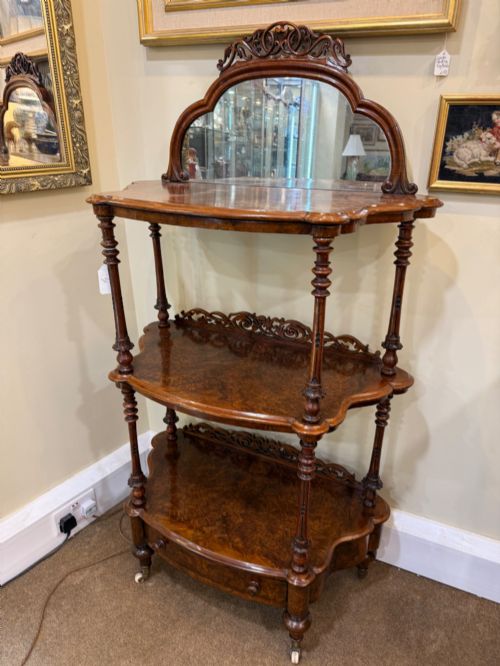
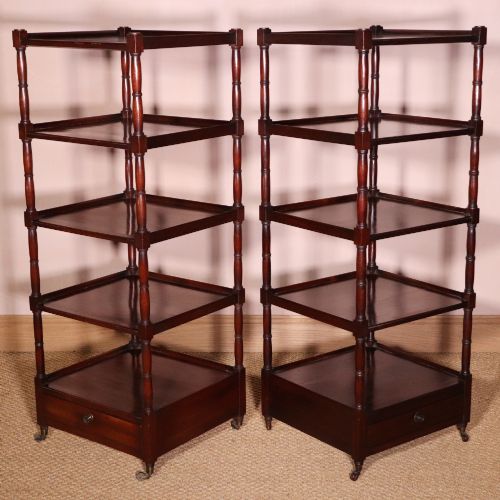
- A set of open shelves standing on pillars, used for displaying ornaments or books. Examples range from simple three-tier models to elaborate multi-tiered rosewood and walnut versions.
- Breakfront
- A piece of furniture where the central section projects forward from the flanking sections. This configuration frequently appears on larger bookcases and cabinets.
- Wellington chest
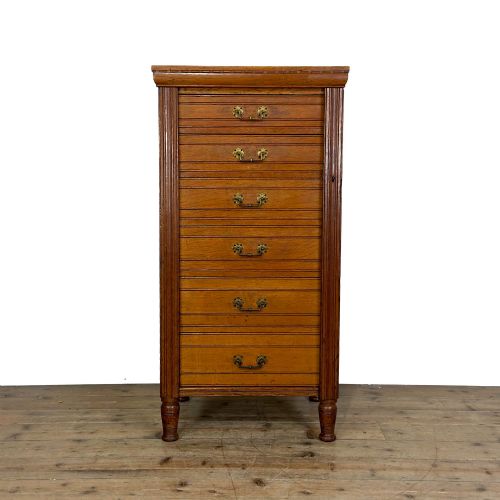
- A tall, narrow chest of drawers secured by a hinged locking side-bar that fastens over the drawer edges. These typically feature multiple shallow drawers.
- Apprentice chest
- A small-scale model of a chest of drawers made by a trainee craftsman to demonstrate skill. They mirror the full-size joinery and proportions of standard chests.
- Plum pudding mahogany
- A distinct variety of mahogany showing dark circular markings resembling the fruit in a Christmas pudding. This prized wood grain appears on high-status 18th-century pieces.
Antique Furniture Unit: Frequently Asked Questions
What is an antique furniture unit?
An antique furniture unit is a general term describing functional historical items designed for storage, shelving, or display within a room. These comprise practical forms such as chests of drawers, bookcases, dressing tables, and corner cabinets.
They originate from periods spanning the 18th century to the early 20th century, utilising timbers like oak, mahogany, walnut, and rosewood. Each type fulfilled specific domestic requirements, from holding linen to displaying decorative ceramics.
How do I identify a Victorian chest of drawers?
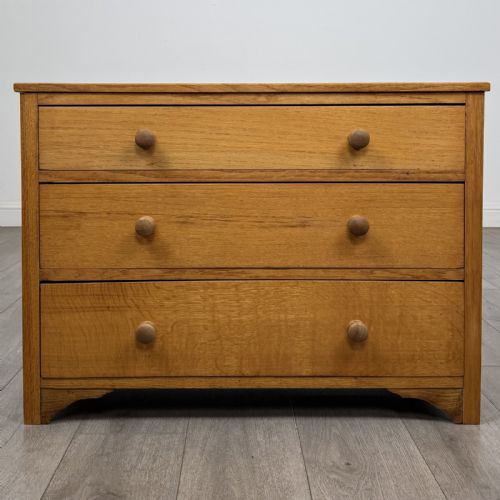
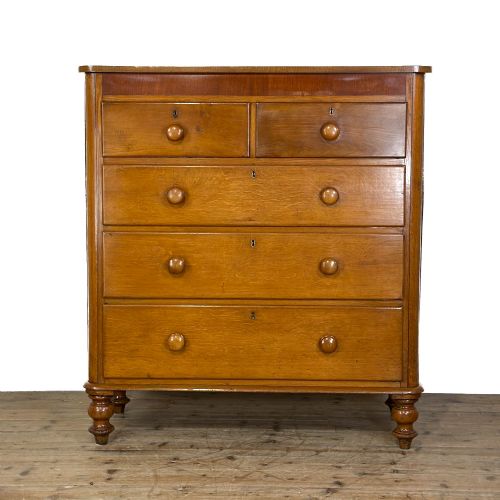
Victorian chests of drawers typically feature robust proportions, often executed in solid mahogany, oak, or walnut with veneer accents. Common configurations include two small drawers over three or four larger graduated drawers.
Clues to their period include turned wooden knob handles, flush or slightly projecting plinths, and occasionally raised galleries on the top surface. Interior drawer construction utilises hand-cut dovetails characteristic of 19th-century workshop methods.
How do I live with an antique bookcase?
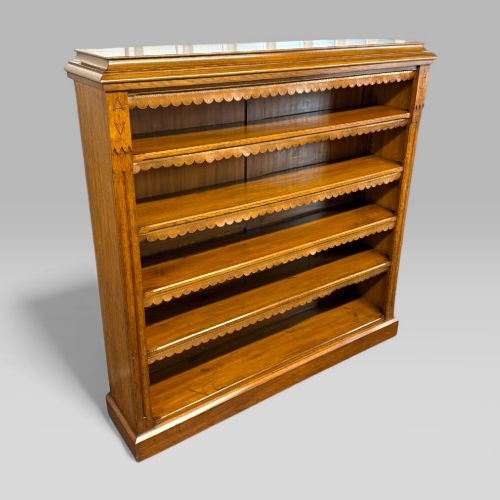
Antique open bookcases provide practical vertical storage for book collections while introducing warm timber tones to a room. Placing them away from direct heat sources and strong sunlight protects the polish and prevents wood splitting.
Ensuring even weight distribution across the fixed or adjustable shelves maintains structural balance. Regular dusting with a dry cloth preserves the finish of oak, mahogany, or walnut surfaces.