


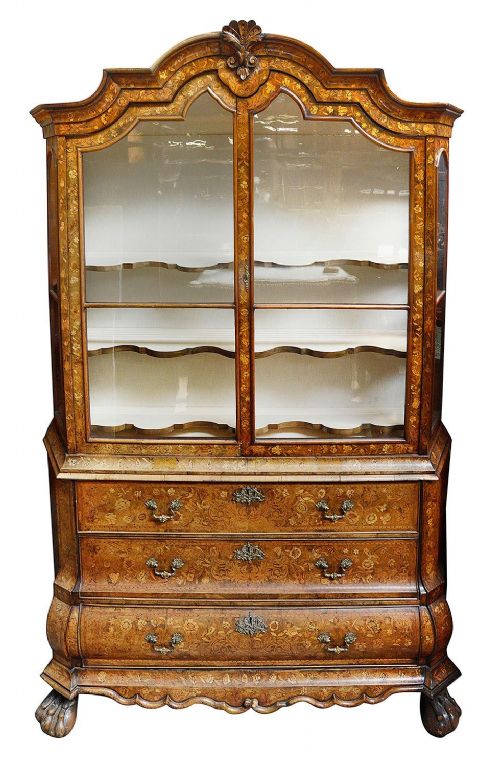


Antique Furniture Crest
These antique furniture crest examples combine heraldic carved panels, painted armorials and pierced top rails across chairs and cabinets.
Antique Furniture Crest
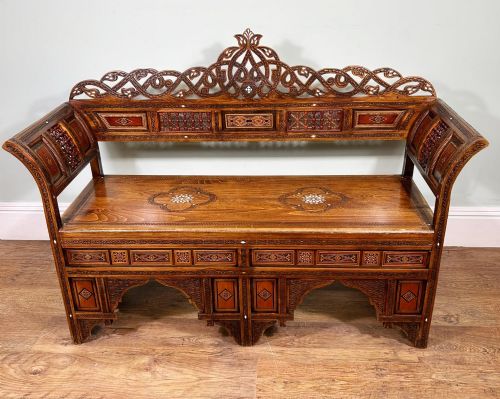
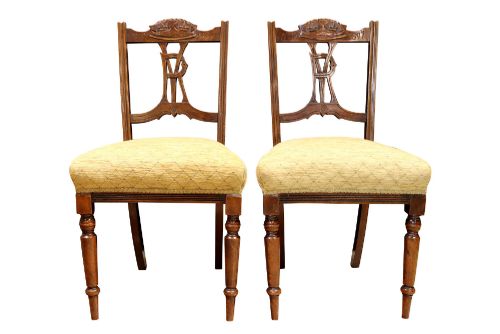
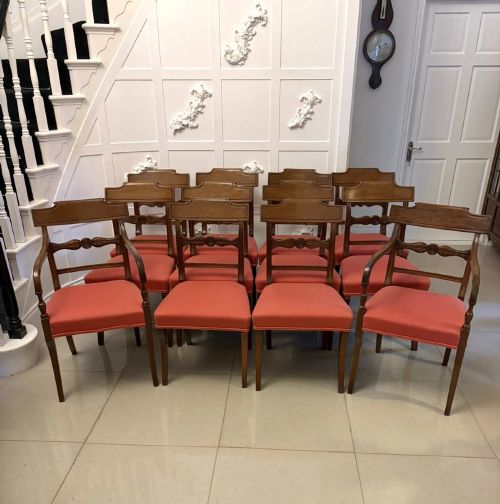
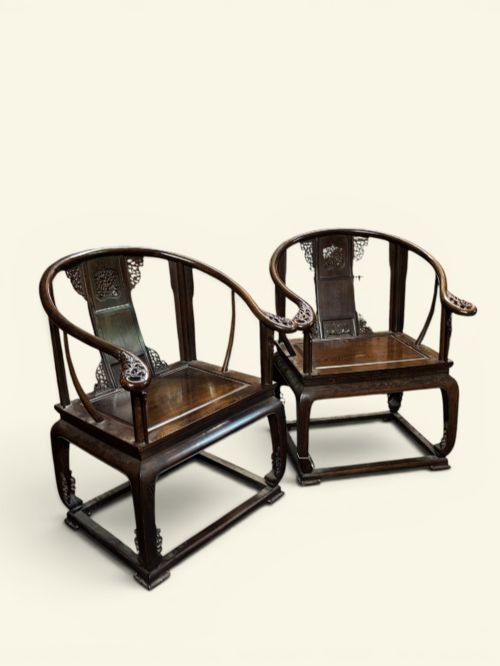
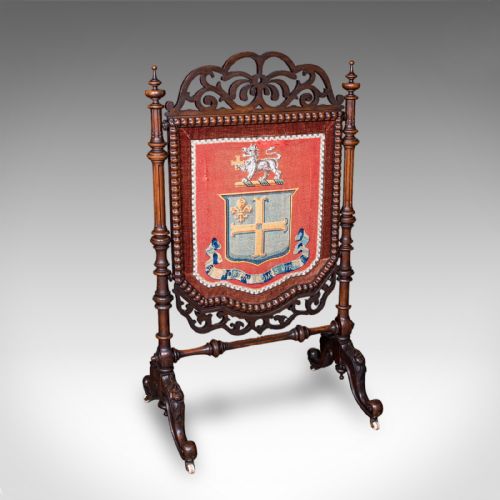
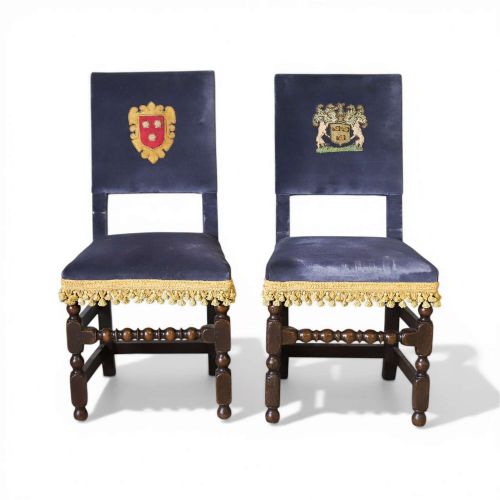
An antique furniture crest typically brings together carved wooden heraldry, painted coats of arms and pierced upper rails upon seating and display items. Pieces range from oak backstools and walnut side chairs to mahogany dining sets and armorial wall screens.
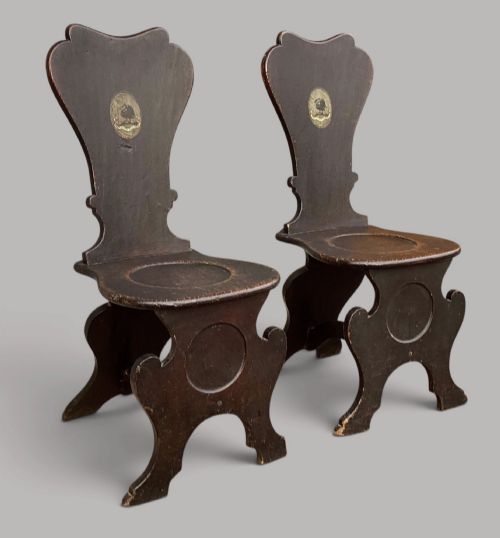
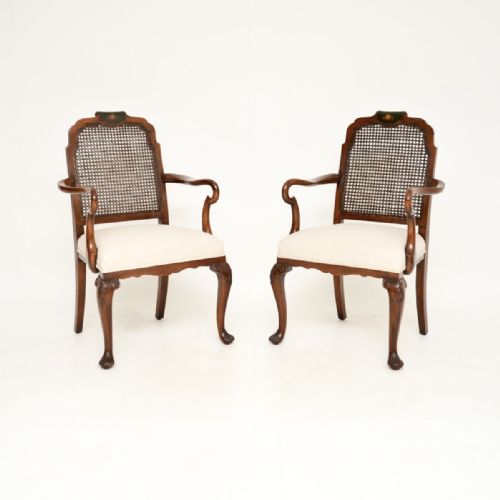
The selection leans heavily toward British and Irish seating from the seventeenth and nineteenth centuries, featuring carved clan chairs, hall chairs with painted backs, and campaign chairs with pierced crest rails. Cabinets and screens occasionally integrate the same heraldic motifs.
Originating from commission work for specific families or grand institutional settings, these items carry distinct symbols of lineage. Buyers find examples crossing multiple periods from seventeenth century oak to Victorian commemorative items.
Materials and construction methods
Timbers span native British hardwoods like oak and walnut alongside imported mahogany, rosewood, camphorwood and exotic hardwoods. Craftspeople shaped these dense materials using traditional hand-carving, joining and turning techniques.
Decorative elements involve detailed needlepoint embroidery, mother-of-pearl inlay, gilding, paintwork and applied bone button decorations. Caning, velvet upholstery and fabric additions complete the structural composition of the seating.
Antique Furniture Crest Retail Price Guide 2026
Typical asking prices for furniture crest among the pieces listed under this phrase on Sellingantiques today, from the lower quarter to the upper quarter. They describe what is for sale here now, not the wider market.
One campaign chair hides bone buttons within its folding frame.
Determining quality and execution
Depth and precision in the carved crest work separate standard joinery from superior examples. Sharply defined heraldic details and balanced proportions indicate skilled hands in the workshop.
The integrity of original painted armorials, needlepoint panels and matching sets dictates the standing of a piece. Retaining period finishes such as simulated rosewood or original lacquering adds significantly to the character of the item.
The Antique Furniture Crest Glossary
- Crest rail
- The top horizontal member of a chair back, frequently carved, pierced or shaped to form the focal point of the seating. This element often carries the armorial or heraldic motifs associated with the search phrase.
- Armorial
- Relating to heraldic arms or a coat of arms. These painted or carved symbols identify the specific family or clan who originally commissioned the furniture.
- Backstool
- An early form of chair without arms, common in the seventeenth century. They feature upright wooden backs and often incorporate simple carved crests.
- Scabello
- A type of Renaissance-style hall chair characterised by a high wooden back and solid trestle supports. The flat back surfaces typically display painted armorials.
- Vitrine
- A glass-fronted cabinet designed for the display of valuables. These pieces use glazed doors and shelves to showcase collections.
Antique Furniture Crest: Frequently Asked Questions
What is an antique furniture crest?
An antique furniture crest refers to the decorative upper section of a chair, cabinet or screen featuring carved heraldry, painted coats of arms or pierced woodwork. These elements often denote family lineage or institutional commissioning.
Such decorative flourishes appear predominantly on seating like hall chairs, armchairs and dining sets across the seventeenth, eighteenth and nineteenth centuries.
How were armorial chairs used?
Armorial chairs served practical seating functions while actively displaying family identity, status and allegiance within great halls and dining rooms. Their prominent crests signalled heritage to visitors.
Over time, many transitioned into collectible display items or commemorative pieces celebrating specific historical events like jubilees.
How do I care for antique wood and fabric?
Maintain wooden frames by keeping them away from direct heat sources and sudden humidity shifts to prevent timber splitting. Regular dusting with a dry cloth preserves the polished surface.
Protect original upholstery, needlepoint panels and velvet elements from prolonged sunlight. Professional conservation is recommended for fragile needlework and delicate painted surfaces.
How can I tell the period of a piece?
Dating relies on examining the timber species, joinery methods and the stylistic cues of the carved crest rail. Seventeenth-century items generally show heavy oak construction and simpler joined panels.
Later nineteenth-century iterations incorporate exotic woods, elaborate Victorian carving styles or specific commemorative dates. Comparing the overall form against documented regional chair designs aids verification.