



Antique Fruitwood Box
These antique fruitwood box examples offer tight grain and warm patination, drawing collectors who appreciate tactile domestic treen.
Antique Fruitwood Box
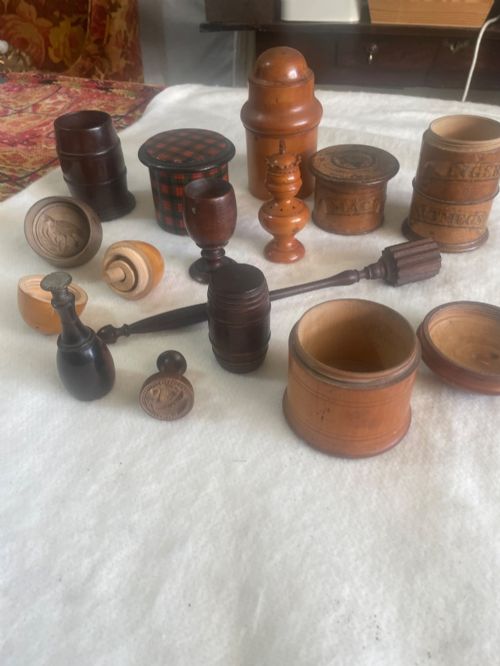
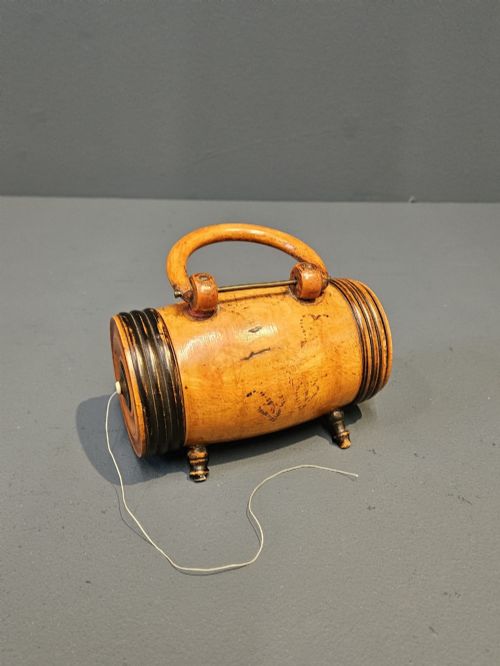
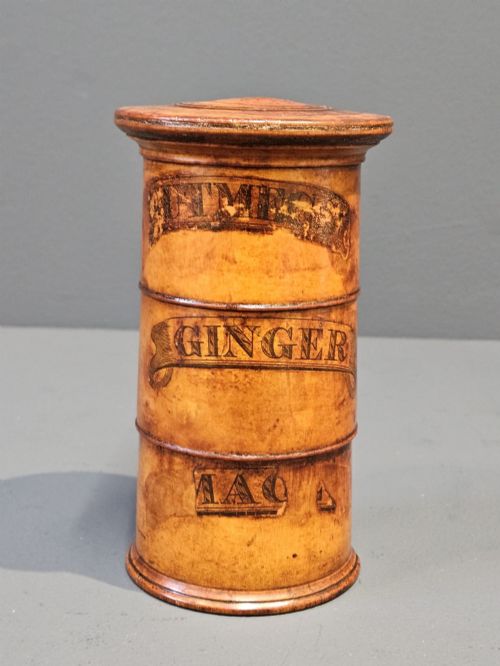
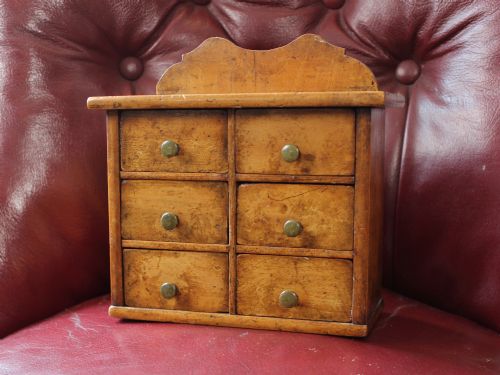
When you search for an antique fruitwood box, you encounter small personal containers alongside domestic utility items spanning several centuries. The selection ranges from pocket snuff boxes and string dispensers to larger desktop caskets and spice drawers.
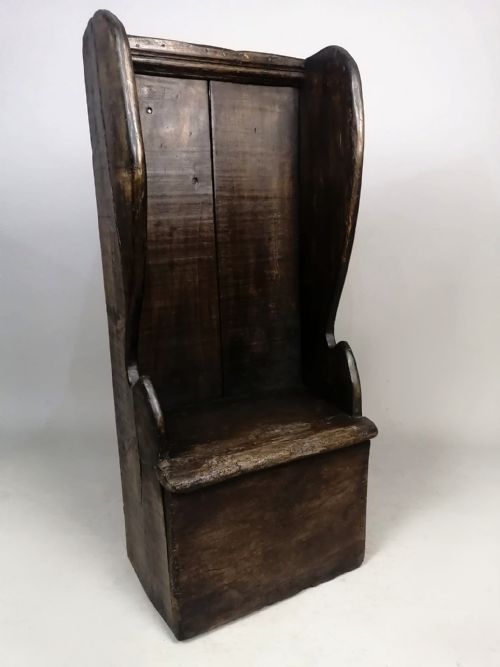
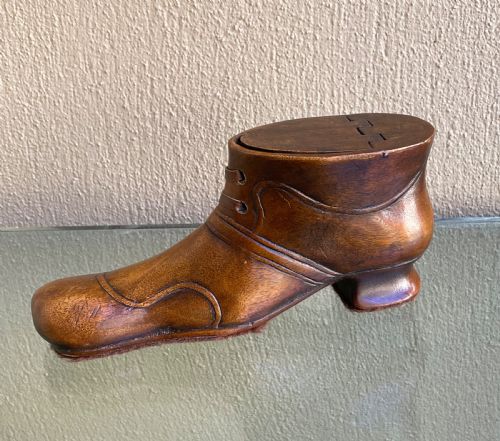
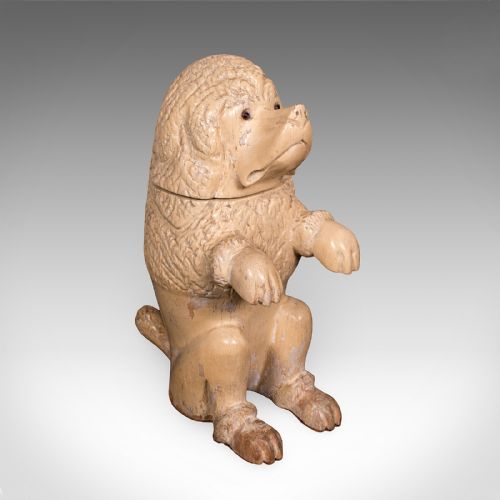
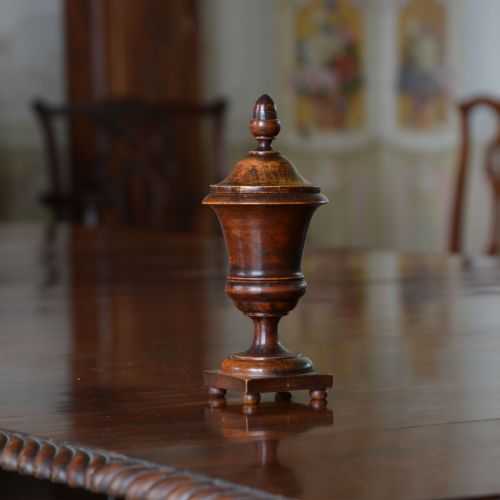
Victorian and 19th-century examples dominate the offerings, often displaying folk art characteristics or precise treen turning. Earlier 17th and 18th-century pieces appear as vernacular kitchen collectables, spice towers, and figural containers.
Makers shaped these utilitarian objects from dense fruit timbers like apple, pear, or cherry, utilising the wood's fine grain for intricate carving. Such containers served domestic functions in kitchens, parlours, and travel kits before becoming cabinet pieces.
Assessing quality and craftsmanship
Quality rests in the crispness of the turning, the tightness of the timber's grain, and the preservation of the original surface finish. Superior examples display restrained decorative restraint, where the natural warmth of the wood takes precedence over excessive embellishment.
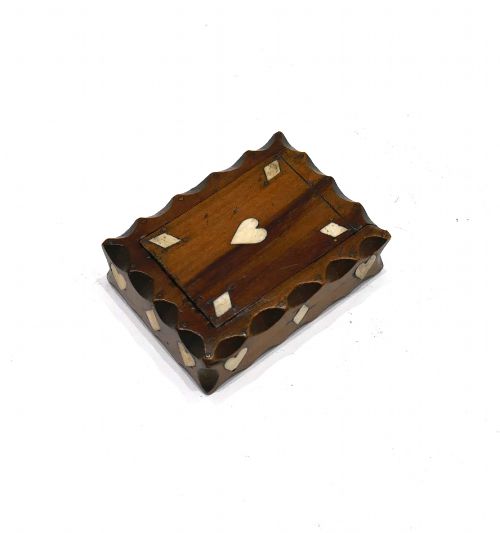
Intricate details such as precise bone inlay, well-fitted sliding lids, and original metal hardware elevate a piece from standard utilityware to exceptional folk art. Wear patterns should feel organic and handled, reflecting authentic domestic service rather than artificial ageing.
Antique Fruitwood Box Retail Price Guide 2026
Typical asking prices for fruitwood box among the pieces listed under this phrase on Sellingantiques today, from the lower quarter to the upper quarter. They describe what is for sale here now, not the wider market.
Listings feature 17th-century vernacular pieces alongside Victorian folk art, utilising brass, bone, iron, and ebony accents.
The Antique Fruitwood Box Glossary
- Treen
- Small handmade wooden domestic objects. These items were shaped for everyday utility in the home.
- Snuff box
- A small pocket container for holding powdered tobacco. They often feature tight-fitting sliding or hinged lids.
- Marquetry
- Inlaid patterns of wood or bone fitted into a solid ground. This technique creates decorative geometric or figurative surface designs.
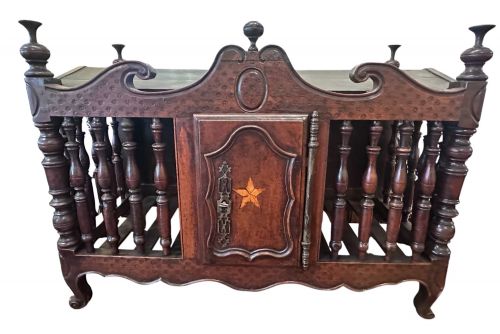
- Panetiere
- A ventilated wooden bread cage. These French storage items protected loaves from pests while allowing air circulation.
- Patina
- The deep surface sheen developed through age and handling. It reflects the history and use of the wooden object.
Antique Fruitwood Box: Frequently Asked Questions
What is an antique fruitwood box used for?
These containers served practical domestic functions, holding personal items like snuff, spices, string, or tobacco. People kept them on desks, in kitchens, or carried them in pockets during daily routines.
Today, collectors use them to display small curiosities or appreciate them as tactile examples of historic treen and folk art.
How do I date an antique fruitwood box?
Dating relies on observing construction methods, joinery, and decorative motifs like bone inlay or marquetry. Comparing the form to dated vernacular furniture and kitchen collectables helps establish a stylistic period.
19th-century examples frequently show precise turning and geometric bone work, while 18th-century pieces lean towards heavier vernacular construction.
What woods are used in these boxes?
Carvers selected dense fruit timbers such as apple, pear, or cherry for their fine, stable grain. These woods take a smooth finish and develop a warm patination through handling.
Secondary materials like brass, iron, and bone often appear as hinges, clasps, or contrasting geometric inlays.
How should I care for fruitwood treen?
Keep wooden pieces away from direct sunlight and dramatic humidity changes to prevent the timber from splitting. A light application of microcrystalline wax helps preserve the surface sheen without building up residue.
Handle the objects gently to maintain the historic patina and protect delicate elements like bone inlay.