

Antique Front Door
An antique front door brings heavy brass hardware, solid timber, and period presence directly to an entryway.
Antique Front Door
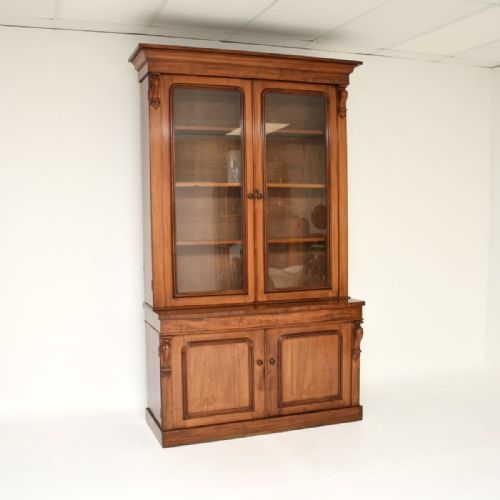
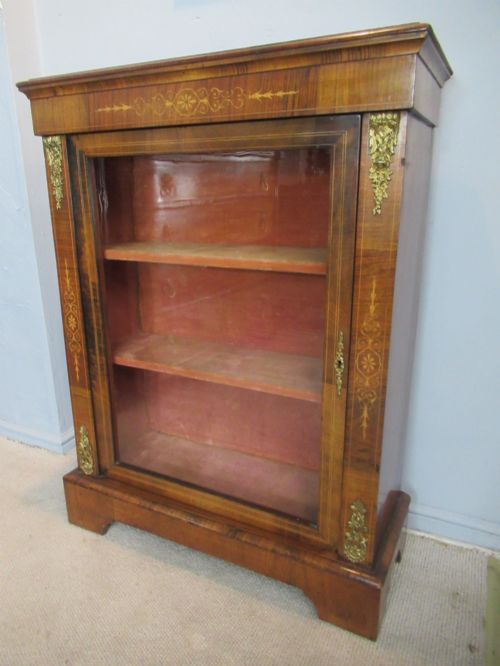
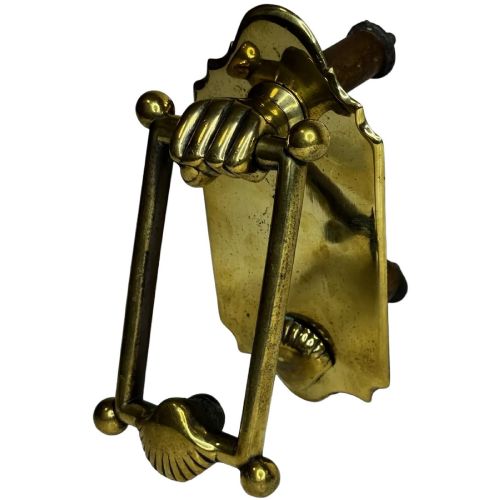
An antique front door search reveals hardware and architectural elements rather than whole thresholds, focusing heavily on heavy brass knockers and fitted timber components from past centuries. The listings skew towards distinct entrance accessories like 19th-century pier furniture and robust door knockers rather than external panels alone.
Buyers encounter solid oak and brass items originating from the 18th and 19th centuries, reflecting the durable materials chosen for primary domestic access points. These hardware pieces establish an authentic period character before visitors cross the threshold.
The selection ranges from elaborate Victorian brass caryatids to substantial 18th-century continental bronze knockers. Each object serves as a functional point of contact that defines the architectural style of a property's main entrance.
Materials and construction
Makers utilised durable metals such as brass and bronze to cast decorative knockers that withstood daily handling and weather exposure. These cast elements often feature intricate figural designs or pierced patterns secured through traditional mounting methods.
Timber construction relies on dense hardwoods like oak and mahogany, shaped to form robust structural panels and housing for architectural ironmongery. Cabinet makers and metalworkers applied heavy finishing techniques to ensure these threshold fittings endured centuries of domestic use.
Antique Front Door Retail Price Guide 2026
Typical asking prices for front door among the pieces listed under this phrase on Sellingantiques today, from the lower quarter to the upper quarter. They describe what is for sale here now, not the wider market.
Assessing craftsmanship
Subtlety of form and the retention of original patination separate ordinary hardware from exceptional items. Pieces that retain their original mountings and historical surface depth command greater attention from collectors of architectural antiques.
The Antique Front Door Glossary
- Caryatid
- A sculpted female figure serving as an architectural support or decorative bracket. In door hardware, it forms the main grip of a knocker.
- Bronze
- An alloy consisting primarily of copper, traditionally used for heavy exterior door fittings. It develops a rich, dark patina over centuries of exposure.
- Brass
- A yellow alloy of copper and zinc frequently cast for decorative knockers and plates. Victorian examples often show high polish or chased surface details.
- Pierced
- Work cut completely through the metal to create an openwork pattern. This technique lightens heavy brass hardware and defines the silhouette.
Antique Front Door: Frequently Asked Questions
How do I clean antique brass door hardware?
Clean brass fittings gently using warm soapy water and a soft cloth to preserve the historical surface layer. Avoid harsh chemical cleaners that strip away the aged patina accumulated over decades.
Dry the metal thoroughly after washing to prevent spotting. Regular dusting keeps the chased details visible without damaging the underlying alloy.
Are these door knockers suitable for exterior use?
Most antique knockers were originally designed for exterior thresholds and remain robust enough for modern doorways. Ensure the fixing points align with your door structure before installation.
Protect the metal from extreme weather if the finish is particularly delicate. Period bronze and brass withstand normal atmospheric conditions well when properly maintained.
How can I date an antique door knocker?
Examine the casting method and the style of the relief work to establish the period. Georgian and Victorian examples often display distinct sculptural motifs associated with their respective decades.
Look at the backplate and mounting screws for signs of age. Hand-filed screws and irregular casting marks typically indicate 18th or 19th-century manufacture.
What is a caryatid knocker?
A caryatid knocker incorporates a sculpted human figure into the vertical grip of the hardware. This classical motif became particularly popular during the Victorian era.
The architectural reference adds formal dignity to an entranceway. These pieces combine sculptural art with functional daily utility.