


Antique French Wall Lighting
Antique french wall lighting brings interior spaces an authentic continental glow through historic illumination forms.
What antique french wall lighting is
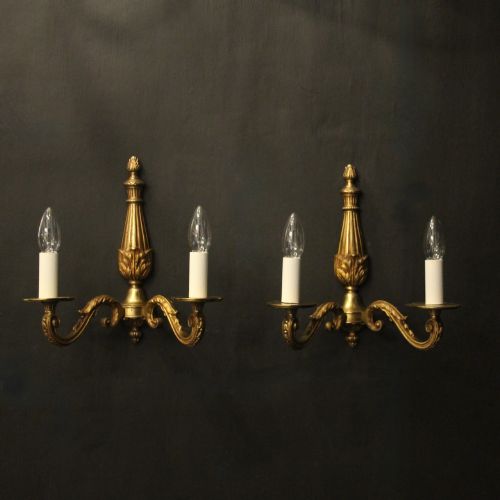
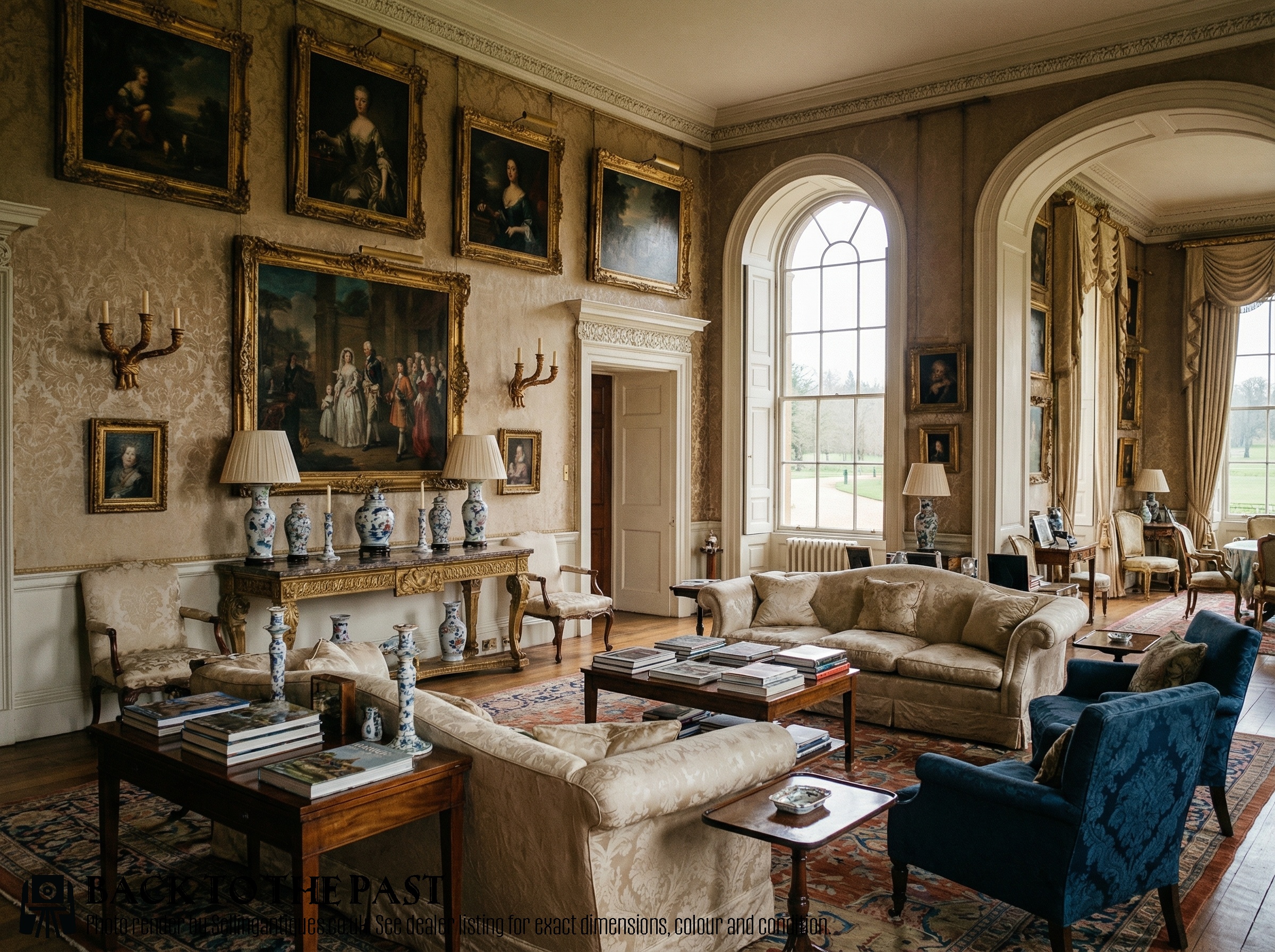
Antique french wall lighting encompasses decorative illumination fixtures designed to mount directly onto domestic walls. These pieces originate from distinct eras including the nineteenth century, nineteen twenty, and nineteen thirty.
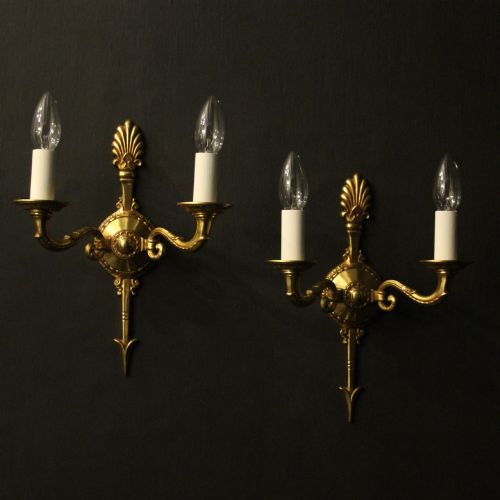
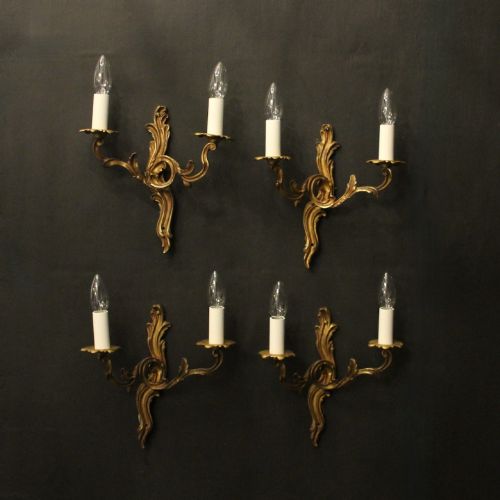
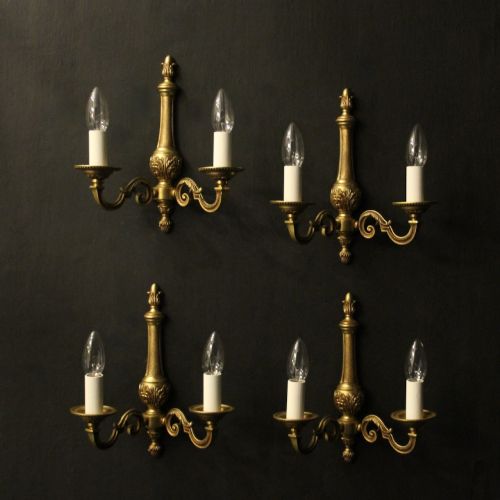
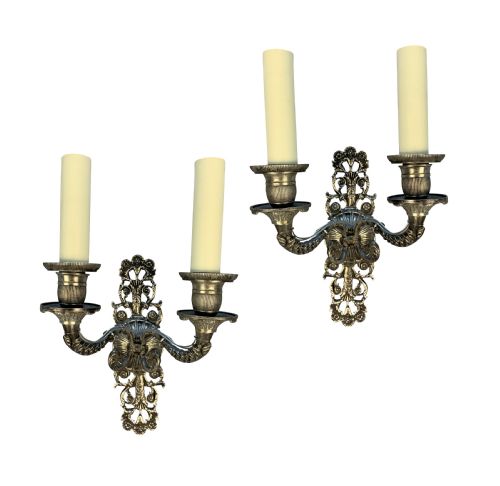
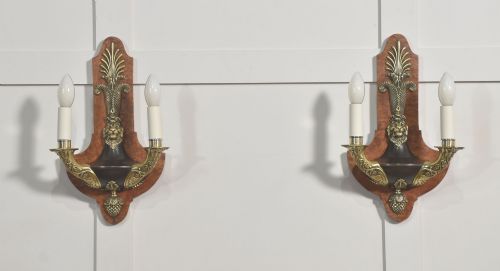
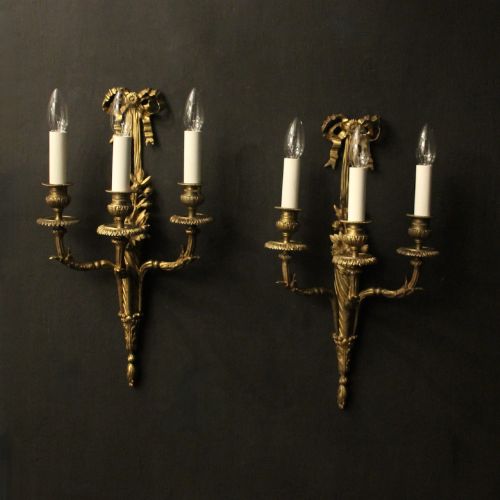
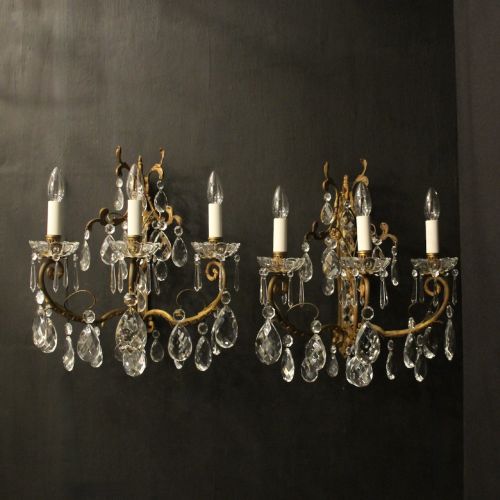
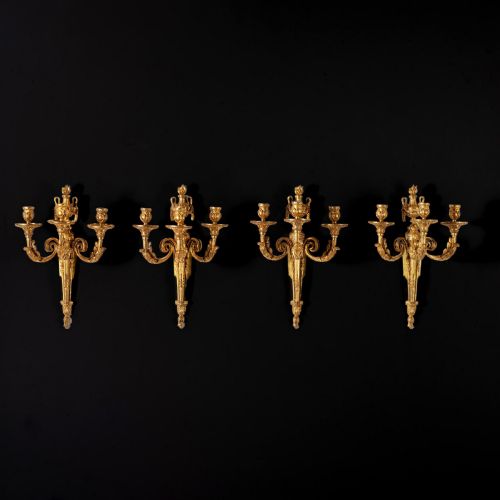
Buyers encountering this selection will frequently find matched pairs or sets of wall lights, sconces, and chandeliers. The aesthetic spans French Neoclassical, French Chateau, French Art Nouveau, French Empire, and French Rococo styles.
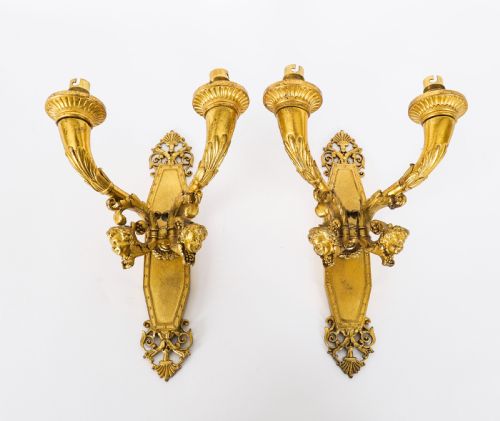
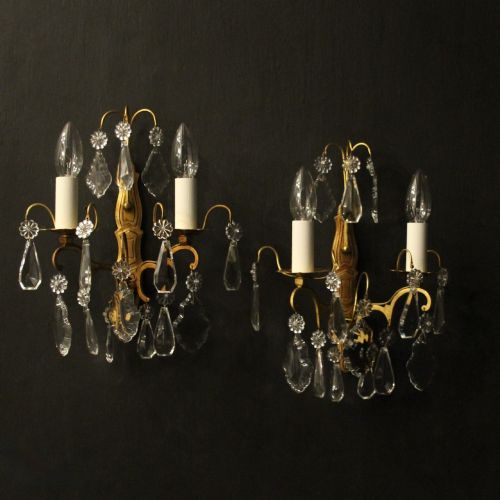
Physical configurations range from single arm lights with specialised glass shades to multi-branched gilt bronze dore sconces featuring cherub motifs and crystal tent assemblies.
How they were made
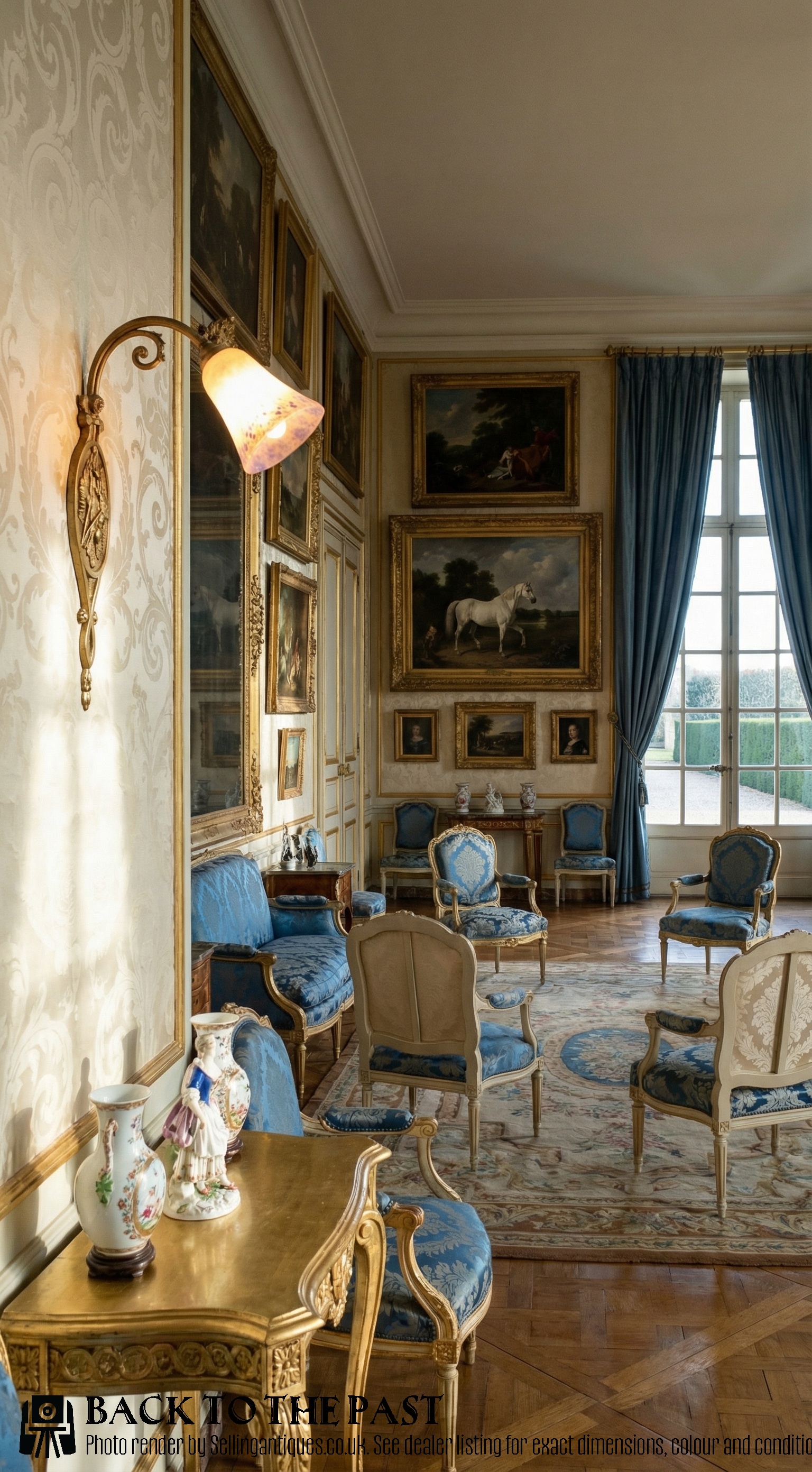
Construction relies heavily upon foundational metals such as brass, gilt brass, gilded brass, general metal, and gilt bronze dore. Artisans shaped these metallic elements into intricate structural arms, backplates, and decorative frames.
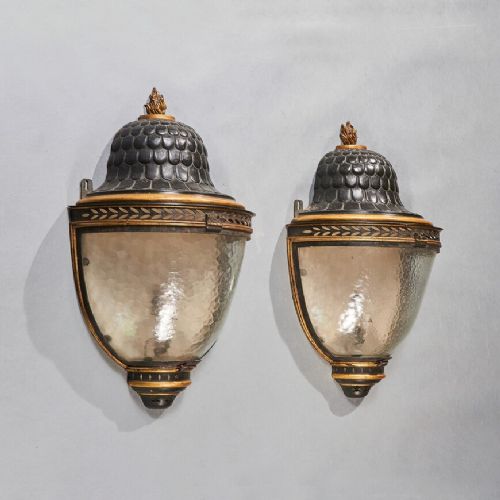
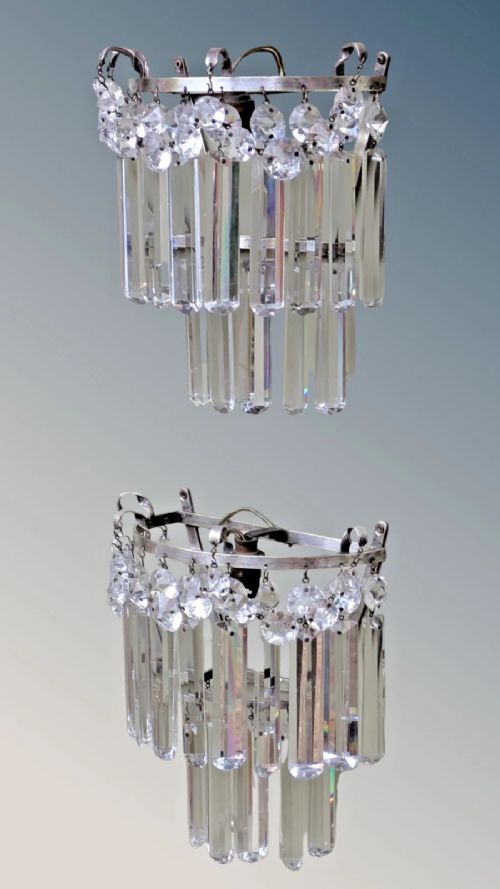
Illumination dispersion relies on transparent components including glass, cut glass, crystal, and cut crystal. Specific creations incorporate signature elements like the original Dugué glass shade paired with durable brass chassis.
Retail Price Guide 2026
Typical UK retail prices for french wall lighting, calculated from the Sellingantiques database of over a million retail prices indexed since 2003. This retail price guide relies exclusively on Sellingantiques data; no external sources or auction records are used, so the figures do not describe the wider market.
Listings feature brass, gilt brass, and crystal materials across nineteenth century and early twentieth century production dates.
What varies in quality
Quality diverges notably in the execution of the metalwork, where finely chased gilt bronze dore displays sharper sculptural detail than standard cast brass. The sophistication of stylistic ornamentation, from restrained neoclassical lines to elaborate rococo curves, defines the upper tier.
The integrity and provenance of the optical components also set examples apart. Original fitted elements, such as authenticated Dugué glass shades or undamaged hand-cut crystal drops, elevate a piece well above those fitted with later replacement glass.
The Antique French Wall Lighting Glossary
- Sconce
- A wall-mounted lighting fixture designed to carry one or more candles or electric lamps. These decorative brackets project outward from vertical surfaces.
- Gilt Bronze Dore
- Bronze that has been treated with a finely ground gold-mercury amalgam and fired to leave a permanent golden surface. This technique produces a rich, lasting metallic lustre.
- Crystal Tent
- An arrangement of small cut crystals strung in a conical tent shape above the arms of a light fixture. This assembly increases light refraction.
- Dugué Glass
- Specialised art glass associated with historical French lighting production. Such signed or attributed shades confer notable authenticity to antique wall fixtures.
- Twin Arm
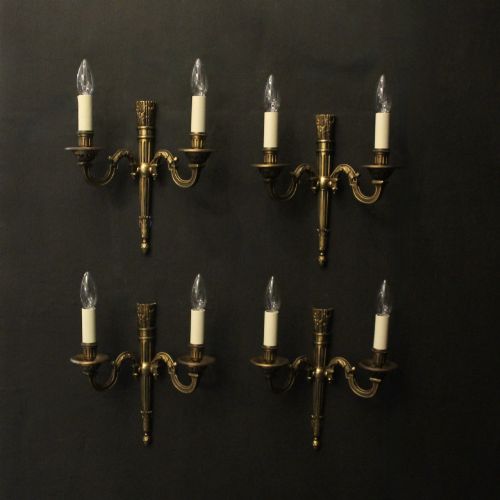
- A lighting bracket featuring two distinct branching arms for illumination sources. These configurations offer balanced symmetry on interior walls.
Frequently Asked Questions
How were french wall lights used historically?
These fixtures served to illuminate interior hallways, formal reception rooms, and grand chambers by reflecting candlelight or gaslight against domestic walls.
Positioned strategically near mirrors or architectural focal points, they maximised ambient brightness throughout historic European homes.
Are these wall lights wired for electricity?
Many surviving wall lights undergo careful rewiring to accommodate modern electrical standards while preserving their antique metallic frames and sockets.
Buyers should examine individual wiring specifications to determine compatibility with contemporary domestic installation requirements.
How do I identify nineteen thirty french lighting?
Nineteenth century pieces often display heavy gilt bronze casting, figural cherub motifs, and ornate rococo or empire styling.
Nineteen thirties examples tend to introduce cleaner geometric transitions alongside traditional brass and specialty glass components.
Can I mix different styles of wall sconces?
Pairing matching sets within the same room maintains visual balance, particularly when dealing with formal neoclassical or chateau aesthetics.
Mixing distinct French provincial periods requires careful attention to metal finishes and scale to ensure harmonious interior decoration.