



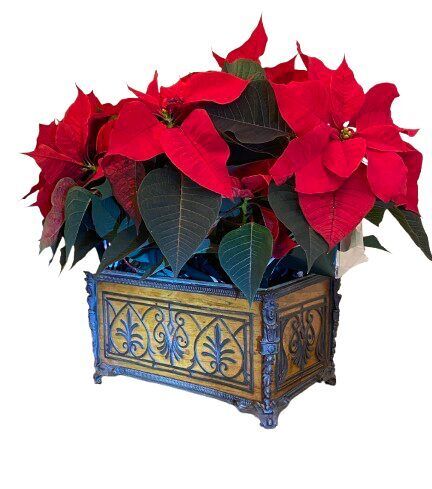


Antique French Trough Jardiniere
An antique french trough jardiniere brings living flora indoors with classical elegance, offering plant holders crafted from timber, metal and gilt.
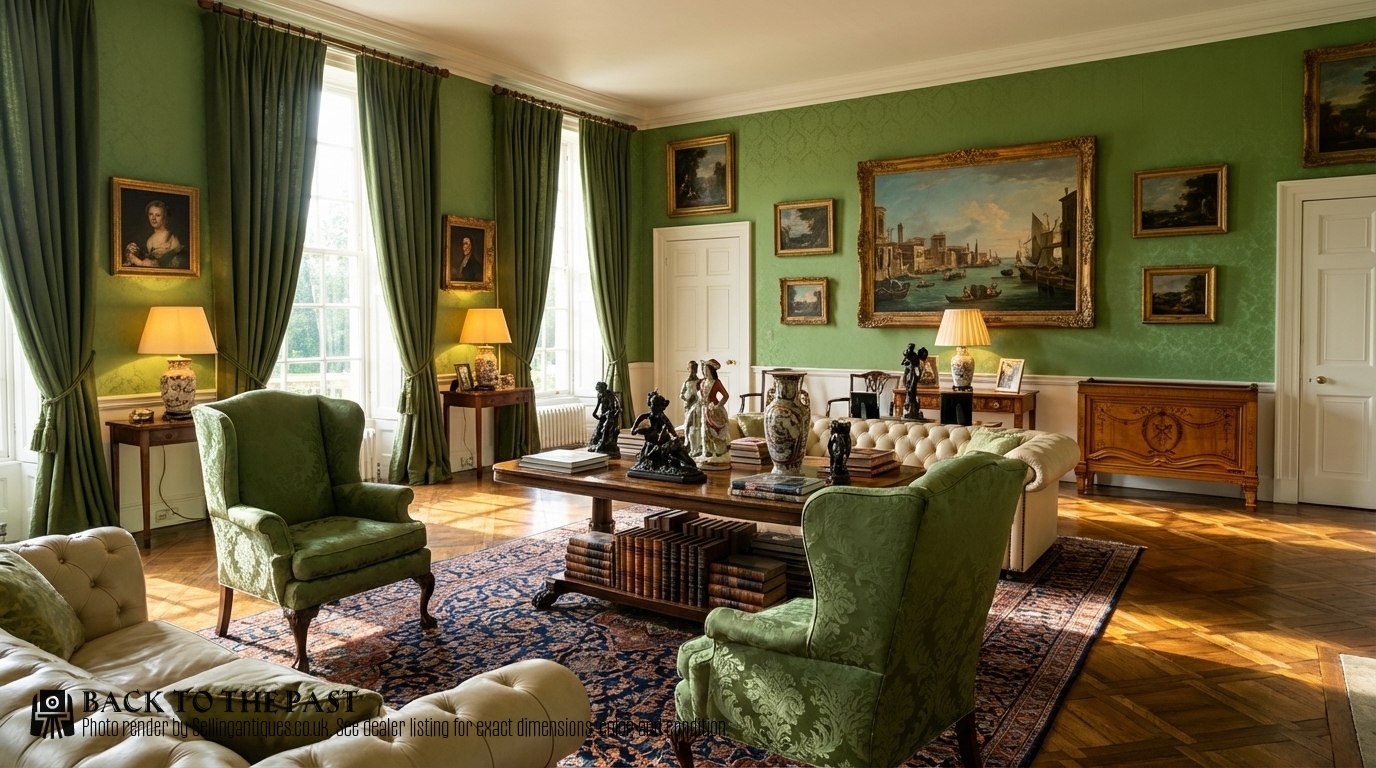
Antique French Trough Jardiniere
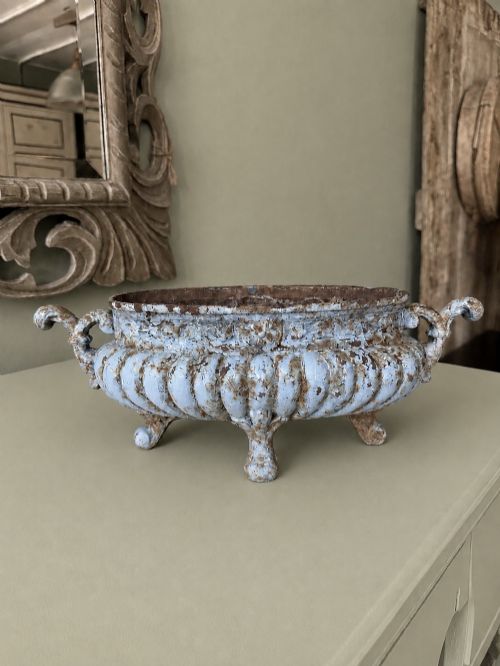
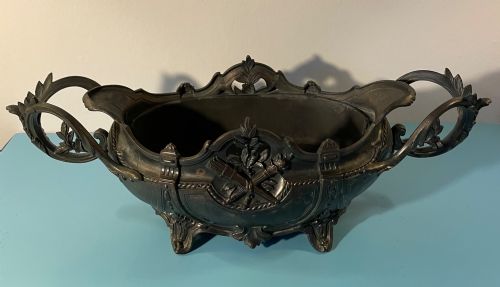
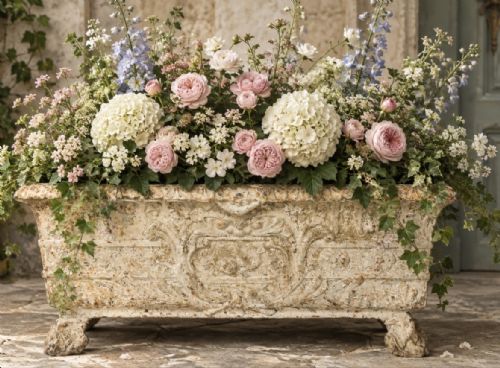
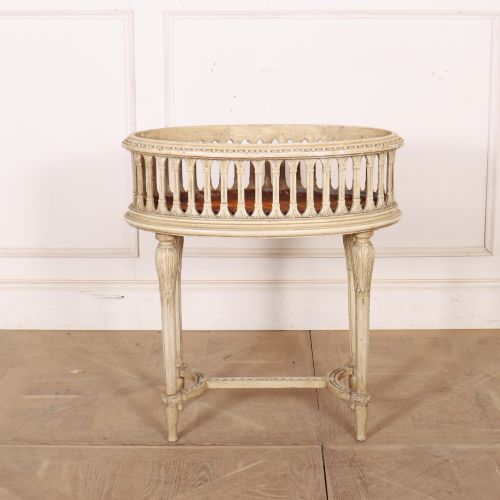
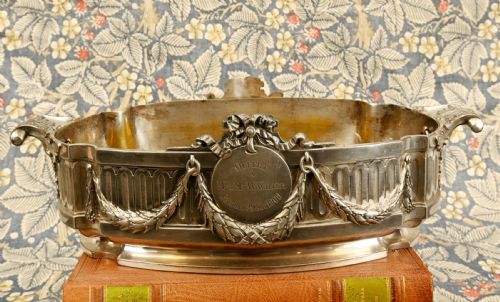
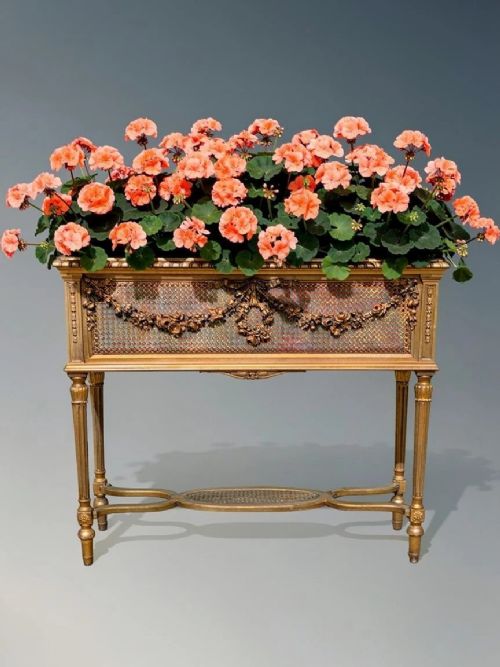
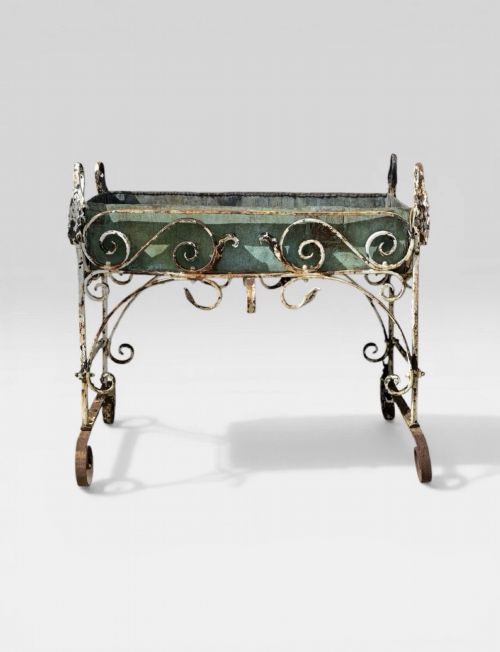
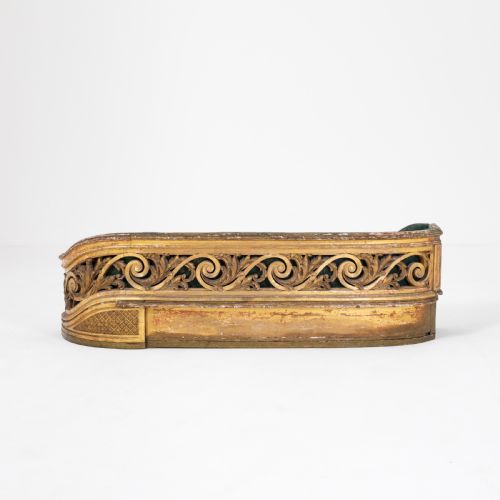
An antique french trough jardiniere serves as an oblong receptacle designed to display indoor plants or floral arrangements. Pieces meeting this description span several centuries, appearing in styles from Louis XVI and Empire Revival to rustic cast iron garden forms.
The selections encountered here range widely in material and proportion, including walnut and mahogany vessels alongside zinc-lined troughs and ornate metal urns. Buyers select these items to anchor room schemes with period character and organic texture.
Makers and manufacturers utilised diverse techniques to produce vessels suitable for both grand salons and provincial country houses. The underlying form remains remarkably consistent: an elongated trough intended to hold soil or potted plants.
Materials and construction methods
Woodworking traditions dominate the wooden examples, incorporating burr walnut, satinwood, mahogany and giltwood enhanced with marquetry or fine carving. Ormolu mounts and bronze details frequently accent the timber bodies.
Several examples double as wine coolers, proving that nineteenth-century hosts valued botany and champagne in equal measure.
Assessing quality and craftsmanship
The refinement of the surface decoration dictates the standing of each piece, distinguishing simple utility items from high-status salon furnishings. Crispness in cast bronze mounts or precision in floral marquetry indicates superior workshop output.
Structural integrity and the retention of original interior liners play a substantial role in overall merit. Pieces retaining their fitted metal linings demonstrate a higher degree of original preservation.
The Antique French Trough Jardiniere Glossary
- Jardiniere
- An ornamental pot or trough designed for holding flowers or plants. The term derives from the French word for gardener.
- Ormolu
- Gilded bronze mounts applied to furniture and decorative objects. This decorative technique reached peak popularity in French neoclassical and revival pieces.
- Marquetry
- Decorative veneer patterns applied to wood surfaces using various timber species. Craftsmen cut contrasting woods to create intricate geometric or floral designs.
- Neo-Classical
- A decorative style drawing inspiration from classical antiquity during the eighteenth and nineteenth centuries. It emphasises symmetry, straight lines and restrained ornamentation.
Antique French Trough Jardiniere: Frequently Asked Questions
How do I protect the wood when planting?
Most antique wooden jardiniere vessels include removable metal or zinc liners designed to hold moisture and soil safely away from the exterior frame.
It remains standard practice to place potted plants inside these protective liners rather than planting directly into the antique container.
How do I tell Louis XVI style from Empire style?
Louis XVI style vessels typically display lighter proportions, neoclassical symmetry, fluted columns and ribbon carved details.
Empire style examples tend to feature heavier mahogany construction with bold ormolu mounts, military motifs and classical architectural elements.
Where were these pieces placed in a period home?
Period interiors positioned these troughs on heavy console tables, beneath large mirrors or directly within glazed conservatories.
They served to soften architectural lines by introducing living foliage and blooming plants into formal living spaces.