



Antique French Sword
These antique french sword pieces encompass military edged weapons, concealed blades in walking sticks, and related art, offering collectors tangible fragments of European history.
Antique French Sword
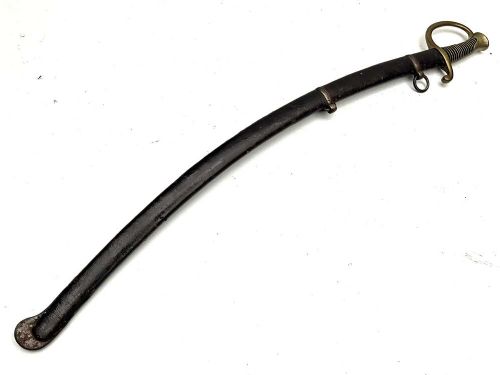
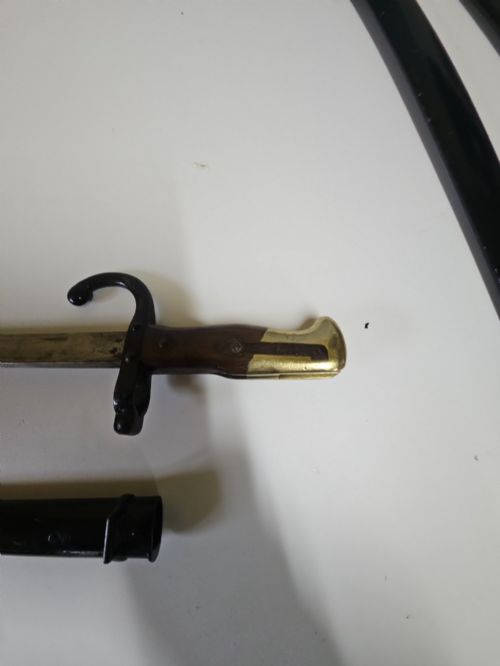
An antique french sword encounter on this page most frequently leads to nineteenth-century military sabres, bayonets, and sophisticated walking sword sticks. These items span periods from the eighteenth century through to the late Victorian era, recording military function and civilian concealment.
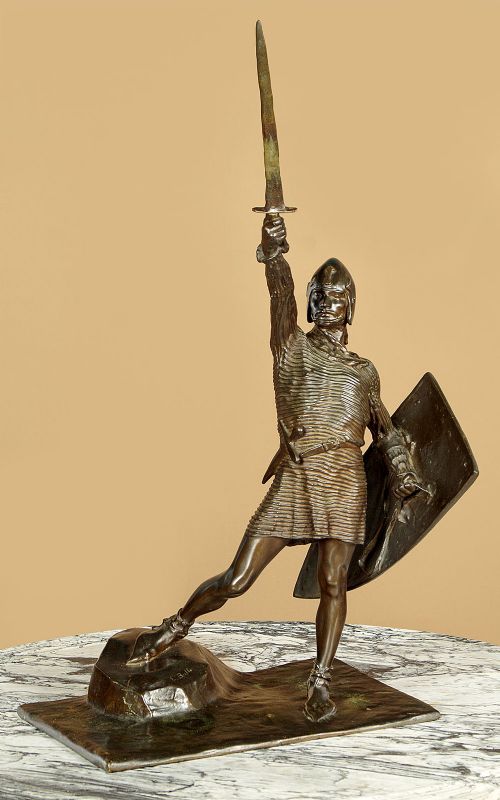
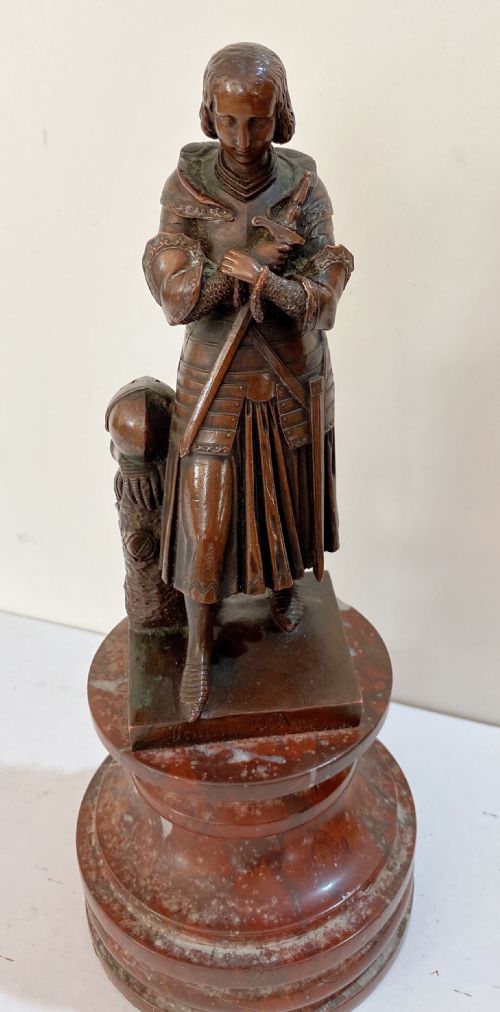
The selection also includes related sculptural works, paintings, and daggers depicting figures connected to swords, such as Jeanne d'Arc and warriors. Buyers examine these distinct categories to find functional edged weapons alongside decorative representations.
Origins trace across French workshops and military arsenals, encompassing cavalry patterns, naval daggers, and silver-hilted smallswords. Each piece reflects the specific martial or social requirements of its original period.
Materials and construction methods
Construction relies heavily on forged steel for blades, paired with brass, bronze, and gilt metal for hilts and mounts. Walking sticks incorporate wood, horn, antler, and snakeskin coverings to conceal internal blades.
Ceramic elements appear through Sevres porcelain panels set into walking sword handles, sometimes augmented by gold plate. Bronze and ormolu feature extensively in sculptural figures and ritual daggers of the nineteenth century.
Antique French Sword Retail Price Guide 2026
Typical asking prices for french sword among the pieces listed under this phrase on Sellingantiques today, from the lower quarter to the upper quarter. They describe what is for sale here now, not the wider market.
Materials recorded across these listings include steel, wood, brass, leather, porcelain, bronze, gold plate, and gilt metal.
Factors determining quality
Quality separates through the integrity of the steel blade, the precision of hilt casting, and the preservation of delicate elements like porcelain panels or snakeskin coverings. Higher grades display crisp foundry work and intact original finishes.
Period conversions and alterations affect standing; original configurations command distinct attention compared to later adaptations such as eighteenth-century smallswords modified into short daggers.
The Antique French Sword Glossary
- Sabre
- A heavy curved military sword designed primarily for cutting, commonly issued to cavalry units during the nineteenth century.
- Bayonet
- A bladed weapon designed to fit onto the muzzle end of a rifle for close combat.
- Smallsword
- A light, one-handed sword designed for thrusting, popular among European elites during the eighteenth century.
- Ormolu
- Gilded bronze used for decorative mounts and ritual daggers.
- Sevres
- Porcelain produced by the French national manufactory, utilised here in the handles of walking sword sticks.
Antique French Sword: Frequently Asked Questions
What periods do these swords date from?
The pieces span from the eighteenth century through the nineteenth century, including Victorian examples and specific pattern years.
Dates are determined by martial styles, material use, and recorded patterns from French military history.
How were walking sword sticks used?
Walking sword sticks combined a functional walking cane with a concealed blade hidden beneath the handle and shaft.
They served as civilian personal defence tools for gentlemen navigating nineteenth-century urban environments.
What materials are typical for hilts?
Hilts and handles utilise brass, bronze, gold plate, horn, antler, and Sevres porcelain panels.
Combat swords favour metal and wood, while civilian walking sticks incorporate decorative organic and ceramic materials.
Are bayonets included with the swords?
French bayonets appear as distinct military items alongside cavalry sabres and naval daggers.
These arms represent standard infantry equipment from the Victorian period.