


Antique French Shop Table
An antique french shop table brings utilitarian workspace history into domestic interiors, offering generous proportions and authentic working character.
Antique French Shop Table
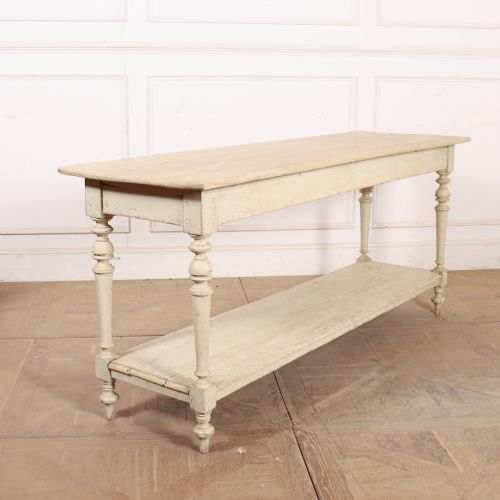
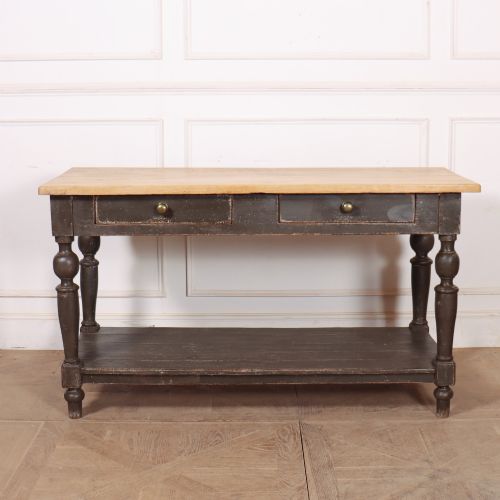
An antique french shop table serves primarily as a commercial workspace or display fixture originating from nineteenth-century retail environments. Buyers encounter heavy timber drapers tables, butchers blocks, and shop counters designed for intensive daily use.
The selection ranges from grand oak drapers tables spanning multiple metres to painted pine shop counters and specialised display pieces. French country and provincial aesthetics dominate these utilitarian forms, reflecting regional commercial traditions.
Surviving examples span the nineteenth century, including pieces dated to eighteen-eighty, eighteen-sixty, and nineteen-ten. These functional fixtures now adapt easily to modern kitchens, hallways, and dining rooms as statement centrepieces.
How they were made
Construction relies heavily on robust hardwoods like oak and sturdy softwoods such as pine, often paired with cast iron and brass hardware for structural endurance. Carpenters utilised thick timber boards capable of withstanding heavy goods, cutting meat, and handling fabric rolls.
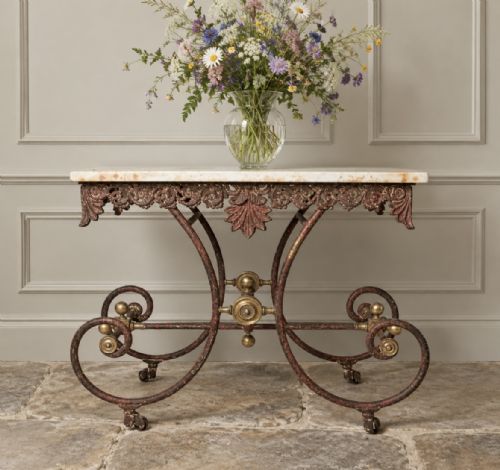
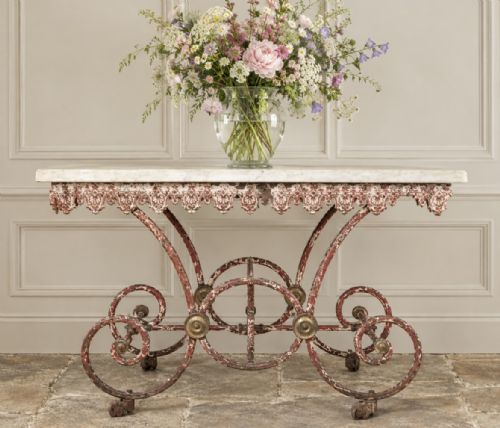
Surfaces frequently feature natural timber, bleached oak finishes, or applied layers of paint that show decades of workplace wear. Marble tops and glass inserts appear on specialised display variants like jewellers platters and vitrines.
Joinery methods prioritize absolute strength over delicate ornamentation, resulting in heavy legs, aprons, and robust underframes designed to support substantial weight without flexing.
Form variations range from drapers tables and shop counters to butchers blocks and jewellers mirrors.
What varies in quality
The grade of timber and the integrity of the original structure distinguish superior examples from standard utility pieces. Dense oak construction and substantial four-metre proportions elevate certain drapers tables above smaller pine counterparts.
The character of the patina, whether from natural bleaching, historic paint layers, or heavy working use, dictates visual appeal. Intact original hardware, such as brass fittings and cast iron bases, adds significant distinction to counters and display tables.
Trussant & Cie
The Antique French Shop Table Glossary
- Drapers table
- A long, narrow commercial table historically utilised in fabric shops for measuring and folding cloth. These pieces feature deep proportions and often include multiple lower shelves.
- Butchers block
- A thick-topped wooden working table designed for meat preparation in butcher shops. They demonstrate extreme solidity and dense timber construction.
- Shop counter
- A substantial retail furnishing positioned between merchant and customer for transacting business. They often incorporate drawers, shelving, and panelled fronts.
- Bleached oak
- A timber treatment that lightens the natural brown tone of oak. This finish creates a softer, paler surface popular in French country interiors.
- Bijouterie table
- A glass-topped display table designed for showcasing small valuable items and jewellery. They combine wooden frames with hinged glass lids and velvet or fabric linings.
Antique French Shop Table: Frequently Asked Questions
What is an antique french shop table used for today?
These tables function brilliantly as kitchen islands, dining surfaces, or console tables in domestic settings. Their long proportions and sturdy construction provide exceptional workspace and storage.
Buyers often place drapers tables in hallways or living areas to display decorative objects. The generous surface area accommodates lamps, books, and collections with ease.
How do I identify a genuine drapers table?
Genuine drapers tables feature long, narrow proportions specifically designed for unfolding and measuring bolts of fabric. They frequently include low slatted shelves beneath the main surface for storing textile rolls.
Construction typically involves heavy oak or pine with visible wear appropriate for commercial use. Look for robust joints and utilitarian framing rather than refined parlor aesthetics.
Are these tables suitable for everyday kitchen use?
Pine and oak shop tables handle daily domestic activities exceptionally well due to their original commercial durability. Butchers blocks and heavy drapers tables provide robust surfaces for food preparation and gathering.
Historic wooden surfaces benefit from appropriate sealants or oils if subjected to moisture and heavy kitchen tasks. The existing patina often masks minor daily marks acquired through use.
What is the difference between bleached oak and standard oak?
Bleached oak undergoes a chemical or mechanical lightening process that removes the dark yellow or red tones from the timber. This creates a pale, matte surface that suits neutral interior decorative schemes.
Standard oak retains its deep, natural golden-brown or dark brown hue depending on age and finishing. Both treatments appear across nineteenth-century French commercial furniture.