

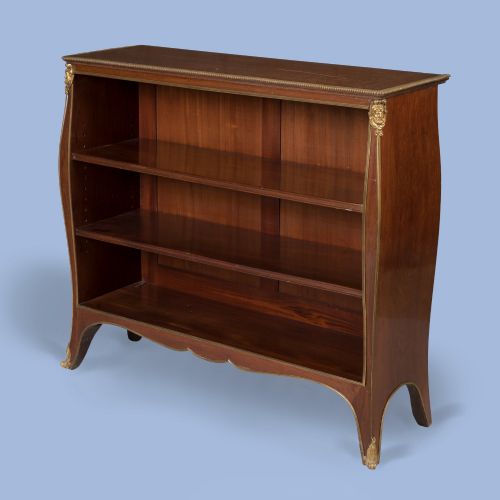
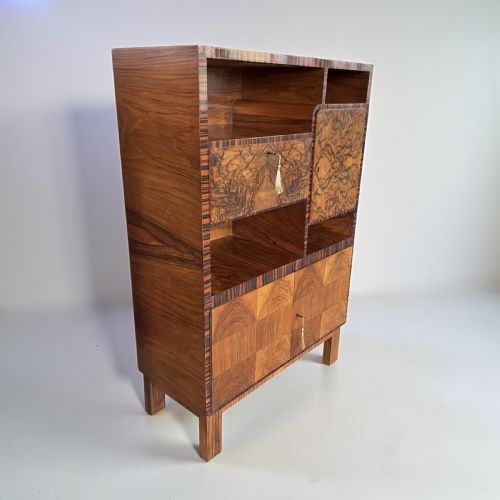
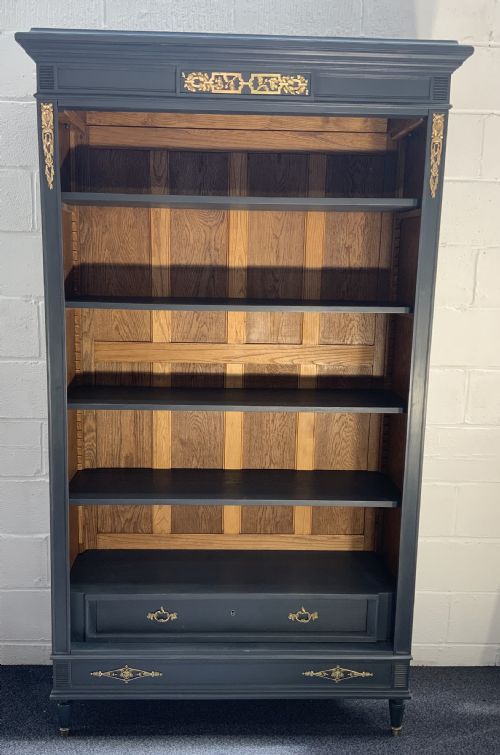
Antique French Shelving Unit
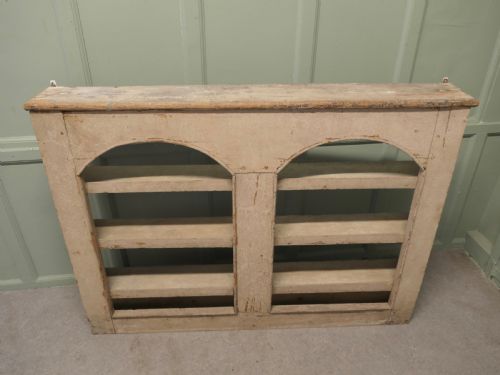
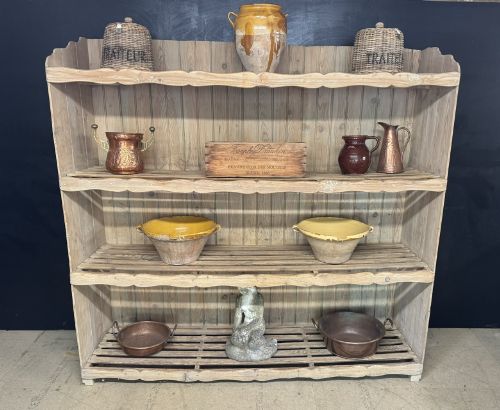
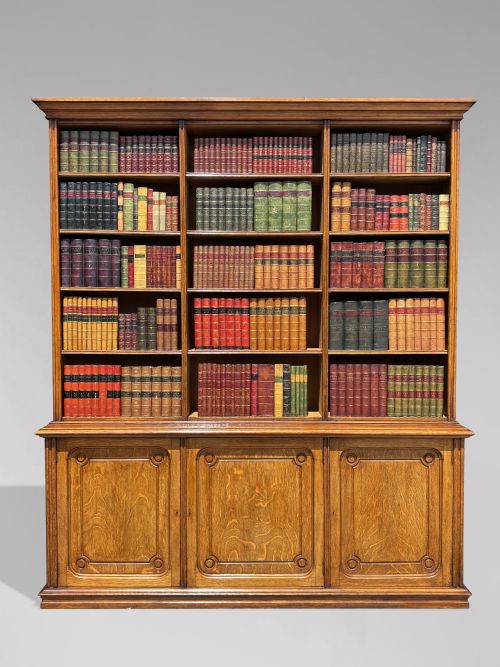
An antique french shelving unit brings character to a room, offering practical storage through open bookcases, bakers racks, and wall shelves.
Antique French Shelving Unit
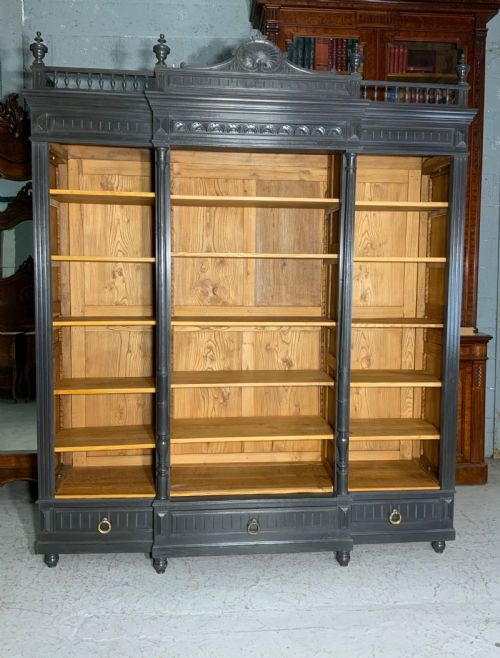
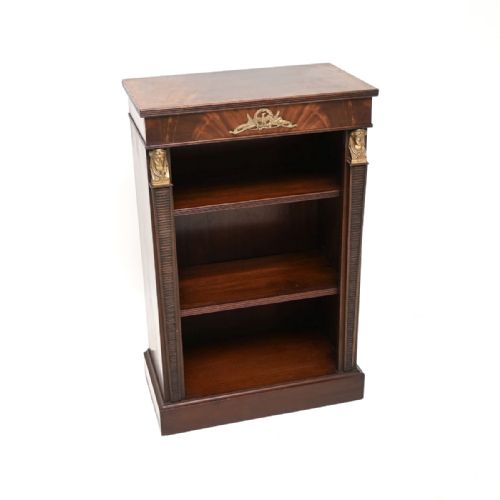
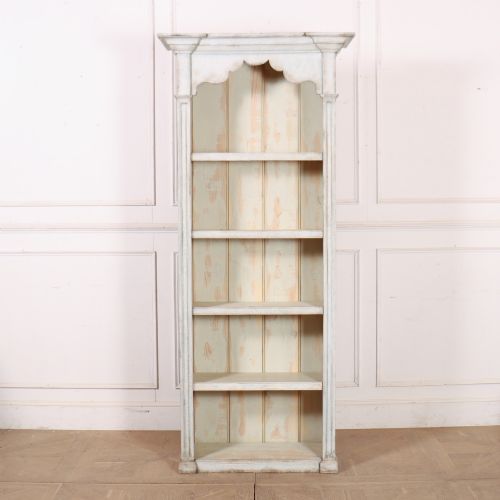
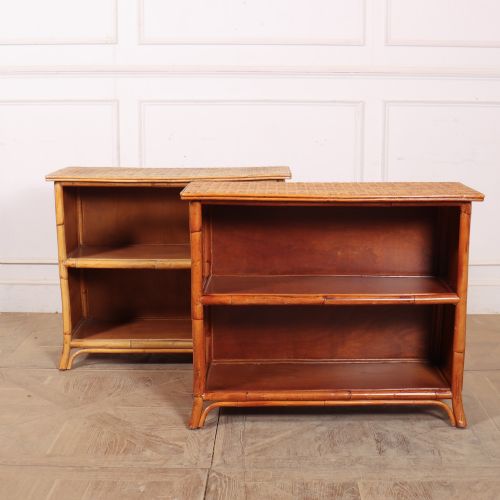
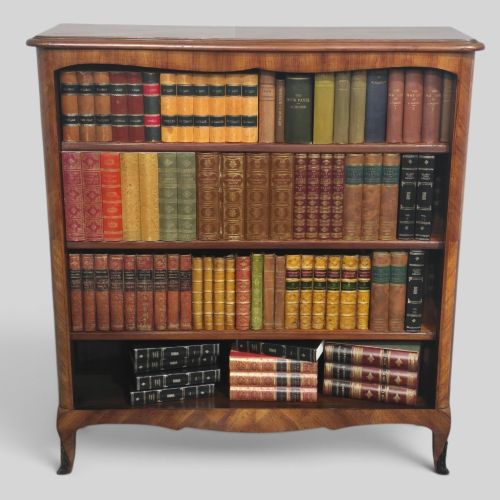
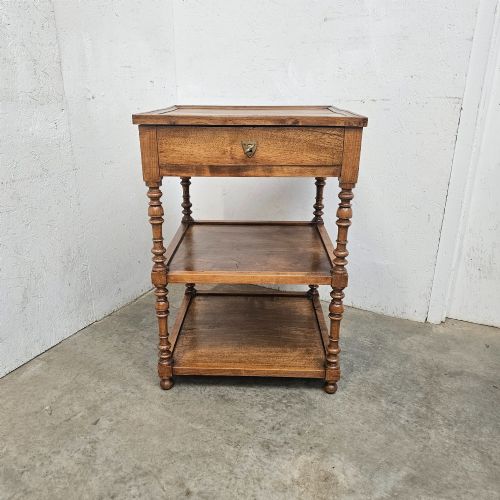
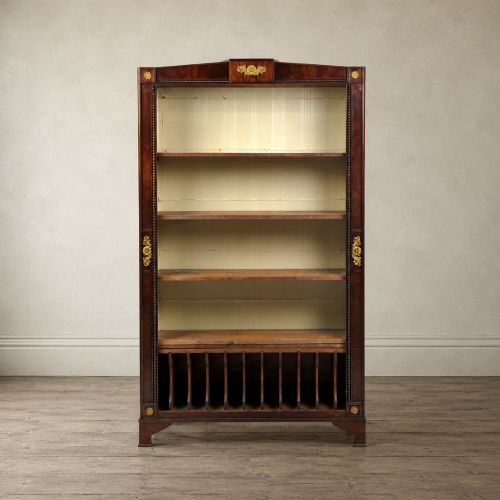
When you search for an antique french shelving unit, you encounter a diverse selection of storage furniture spanning several centuries. The choices range from formal open bookcases and etageres to industrial bakers racks and provincial cupboards.
The most common versions on this page date from the nineteenth century, reflecting various regional and stylistic influences such as French provincial, neoclassical, and Napoleon III designs. These pieces serve multiple functions, acting as display shelves, library bookcases, and wall-mounted storage.
The materials vary significantly, encompassing rich hardwoods like walnut, mahogany, and oak alongside painted finishes, wrought iron, and brass embellishments. Each object type carries its own distinct charm, whether it is a diminutive dwarf bookcase or a large Parisian baker rack.
How they were made
Construction relies heavily on traditional cabinet-making timbers such as walnut, oak, mahogany, and cherry wood, often enhanced by veneers like kingwood and rosewood. Craftsmen utilised solid construction methods for structural integrity, incorporating adjustable shelving systems and turned legs.
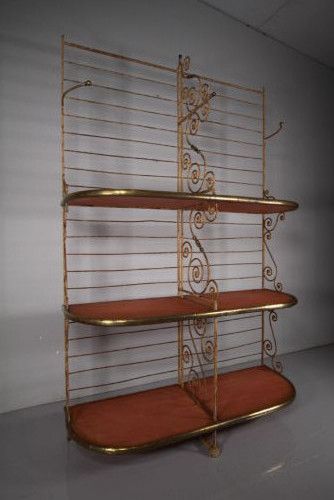
Metal elements play a crucial role in specific forms, particularly wrought iron and brass in bakers racks and patisserie racks. Ormolu mounts, brass embellishments, and patinated marble tops provide decorative contrast to the timber and metal frames.
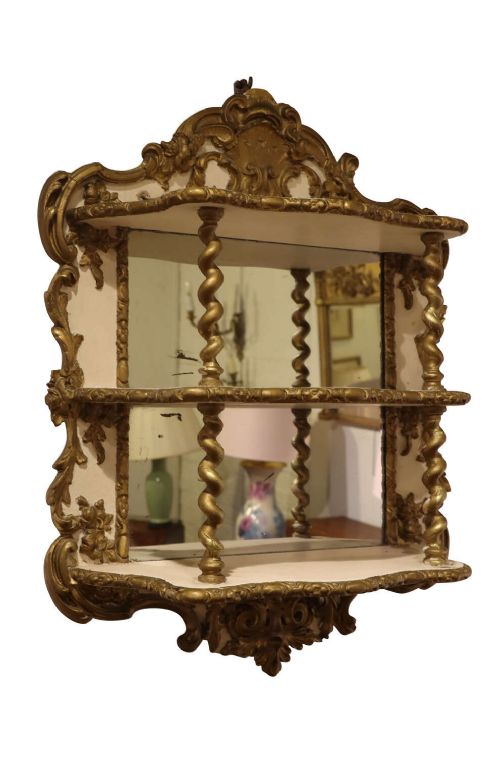
Surface treatments vary from polished wood and carved giltwood to original paint and distressed metal finishes. Gilt wood and gesso ornamentation appear on more decorative display shelves, while provincial pieces showcase simpler painted or bleached oak surfaces.
Periods represented span from the eighteenth century through the early twentieth century.
What varies in quality
The distinction between standard utility furniture and finer examples lies in the selection of materials and the refinement of decoration. Superior pieces feature choice timber veneers, intricate brass mounts, or hand-carved giltwood details rather than plain surfaces.
Proportion and architectural detailing also define the upper tier of pieces. Items displaying classical neoclassical lines, fine turnings, or stamped metalwork demonstrate a higher level of workshop execution and design ambition.
The Antique French Shelving Unit Glossary
- Etagere
- A set of open shelves for displaying small objects or books. These pieces usually feature multiple tiers supported by slender columns or turned legs.
- Bakers Rack
- An industrial metal shelving unit originally utilised for cooling bread and pastries. They are typically constructed from heavy wrought iron and wire mesh.
- Ormolu
- Gilded bronze used for decorative mounts and furniture embellishments. This technique was favoured during the eighteenth and nineteenth centuries.
- Napoleon III
- A nineteenth-century French design style noted for eclectic revivals and luxurious finishes. Pieces from this period frequently incorporate rich kingwood veneers and brass mounts.
- Whatnot
- A multi-shelved piece of standing furniture used for ornaments. They became popular during the Victorian era for displaying collections.
Antique French Shelving Unit: Frequently Asked Questions
What is a bakers rack used for today?
Modern interiors utilise bakers racks as robust storage units in kitchens, dining rooms, and living spaces. Their open metal structure provides sturdy shelving for dishware, plants, and books.
Originally designed for commercial baking use, their industrial character brings a practical yet decorative element to domestic settings.
How do I date a wooden bookcase?
Dating involves examining the timber species, construction methods, and stylistic cues present in the piece. Earlier eighteenth-century examples often feature solid provincial oak, while nineteenth-century versions frequently employ mahogany, walnut, or exotic veneers.
Hardware, joinery techniques, and secondary woods inside drawers or backing boards also provide reliable clues to the era of manufacture.
Are these shelves suitable for heavy books?
Many larger bookcases and library units are structurally designed to hold substantial volumes. Pieces featuring adjustable wooden shelving offer the necessary support for heavy loads.
Wall-mounted shelves and lighter etageres are better suited for lighter display items rather than extensive libraries.
What is the difference between an etagere and a bookcase?
An etagere is typically lighter and designed specifically for display, featuring open sides and multiple decorative tiers. Bookcases are generally more enclosed or structured primarily for housing books.
Both forms belong to the broader category of shelving units but serve distinct aesthetic and functional purposes in a room.