




Antique French Serving Dish
An antique french serving dish brings continental elegance to the table, combining fine ceramic or silver plate with traditional craftsmanship.
Antique French Serving Dish
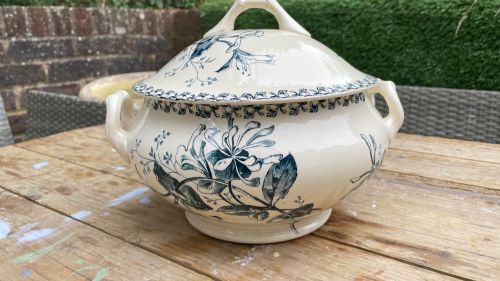
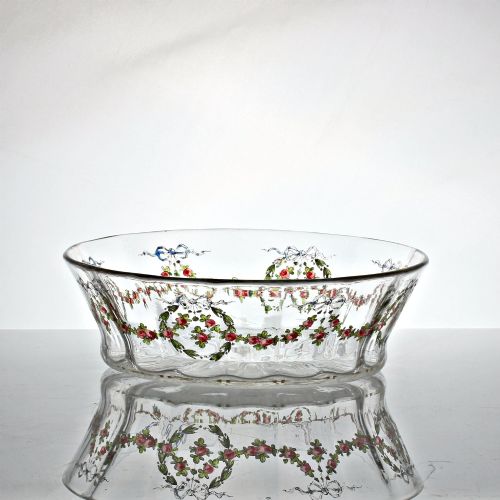
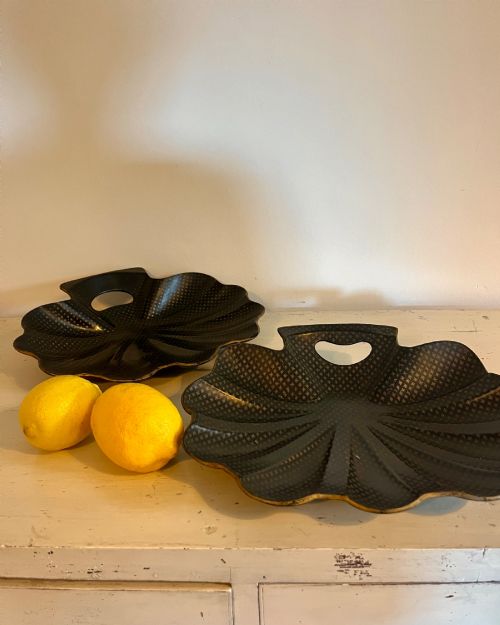
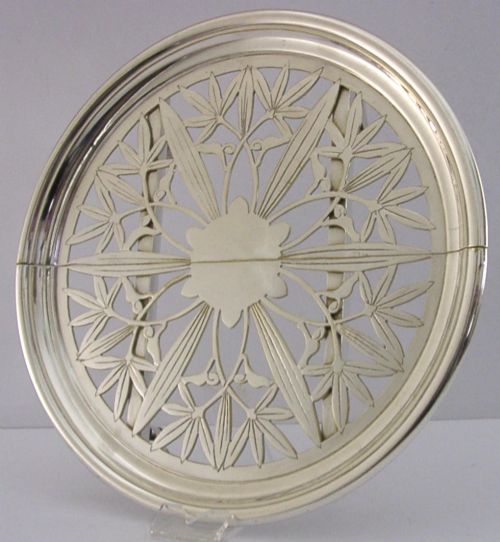
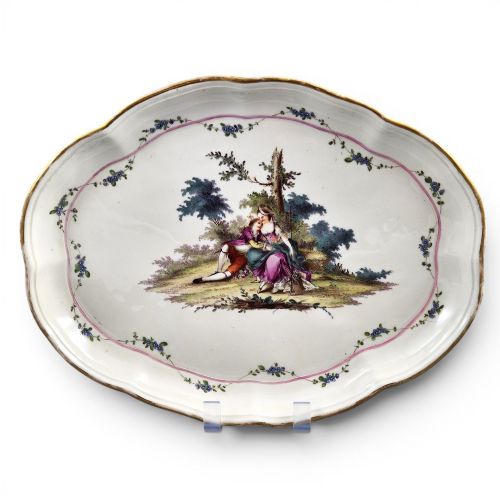
An antique french serving dish encompasses a range of domestic table vessels, from tin glazed earthenware to porcelain platters and silver plated stands. Buyers encounter everything from provincial faience pieces to elaborate porcelain trays decorated in the Rococo revival or Empire styles.
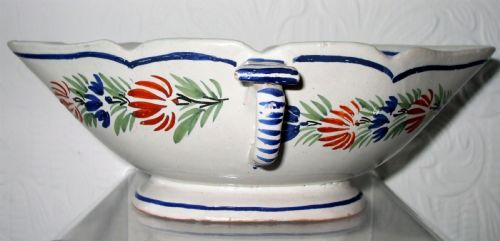
The selection on this page relies heavily on nineteenth century examples alongside pieces from the eighteenth century and the Art Deco period. Common forms include sauceboats, centrepiece bowls, and covered tureens designed for formal dining or display.
Materials and Methods
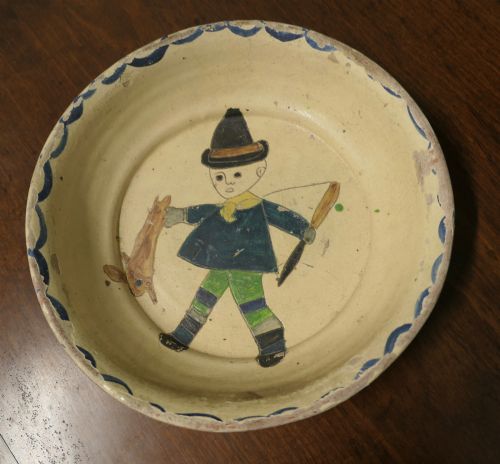
Potters shaped these objects from earthenware, tin glaze, and fine porcelain, often finishing them with hand painted scenes or distinctive regional glazes. Workshops like those in Quimper and Marseille utilised traditional ceramic techniques passed down through generations.
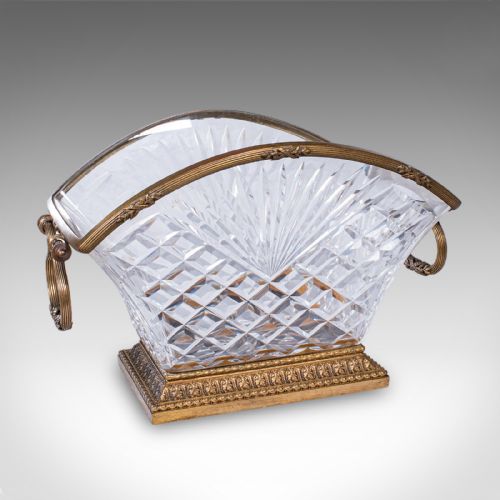
Metal versions utilise silver plate, ormolu, and solid silver, paired with cut glass or lacquer in various nineteenth and twentieth century designs. Christofle, Puiforcat, and Gallia produced plated and solid silver pieces with crisp stamping and clean lines characteristic of French manufacture.
Antique French Serving Dish Retail Price Guide 2026
Typical asking prices for french serving dish among the pieces listed under this phrase on Sellingantiques today, from the lower quarter to the upper quarter. They describe what is for sale here now, not the wider market.
Listings feature porcelain, silver plate, earthenware, and glass across periods from the eighteenth century to the nineteen thirties.
Assessing Quality
Quality rests on the crispness of the moulding, the precision of the hand painting, and the integrity of the glaze or metal surface. Finer ceramic pieces display carefully controlled firing temperatures and delicate brushwork without blurring.
Silver plated and solid silver items reveal distinction through substantial weight, deep hallmarks or maker stamps, and well executed mounts. Better examples retain their original gilding, glass inserts, and structural balance.
Christofle·Rene Lalique·Samson Paris·Puiforcat·Gien Faience
The Antique French Serving Dish Glossary
- Ormolu
- Gilt bronze mounted onto decorative objects and furniture. This technique imparts a rich golden decorative border to glass or porcelain bowls.
- Sauceboat
- A vessel designed specifically for holding and pouring gravies or sauces. These often include attached underplates and dual spouts for convenience.
- Tureen
- A large, deep serving bowl with a lid used for serving soups or stews. They frequently rest on matching ceramic or metal stands.
- Bleu Céleste
- A bright sky blue ceramic ground colour popular in nineteenth century porcelain decoration. It provides a striking backdrop for hand painted pastoral scenes.
Antique French Serving Dish: Frequently Asked Questions
How do I clean an antique silver plated dish?
Clean silver plated items gently using a dedicated silver cloth and warm soapy water. Avoid harsh abrasive cleaners that can wear away the thin silver layer.
Dry the metal thoroughly after washing to prevent water spots and tarnishing over time.
Can I use these antique dishes for food?
Many ceramic and silver pieces remain entirely functional for serving dry foods or room temperature items. However, older glazes or worn silver plate require careful handling during use.
Hand washing is essential for all pieces, as modern dishwashers can crack fragile ceramics and strip fragile metal finishes.
What is the difference between faience and porcelain?
Faience is a porous earthenware body covered in an opaque tin glaze, whereas porcelain is a hard, vitrified ceramic fired at much higher temperatures. Porcelain typically feels smoother and does not absorb liquids if the glaze chips.
Regional faience often displays charming folk art painting, while porcelain tends toward refined classical decoration.
How do I identify an Art Deco serving dish?
Art Deco dishes from the nineteen twenties and thirties feature geometric shapes, streamlined forms, and reduced ornamentation. Makers like Christofle and Gallia embraced these modern, functional aesthetics.
Look for clean lines, stepped handles, and characteristic maker stamps dating to the interwar period.