

Antique French Plaque
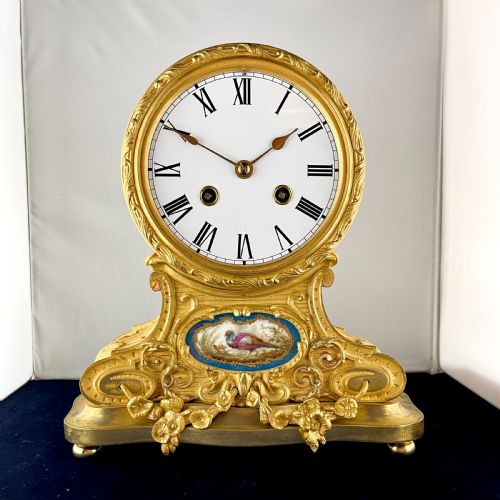
An antique french plaque brings hand-painted porcelain and chased ormolu mounts to fine cabinetry, wall art and writing desks.
Antique French Plaque
The search for an antique french plaque reveals a distinct tradition of decorative panels integrated into nineteenth-century furniture and interior objects. These pieces unite cabinetmaking with ceramic art, showing hand-painted scenes or portraits set directly into wood surfaces.
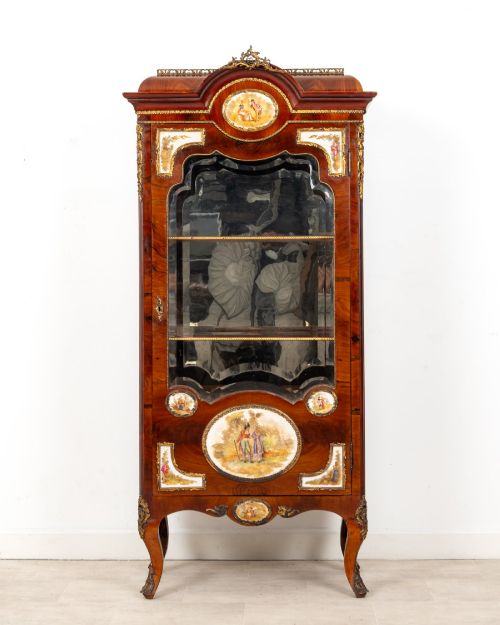
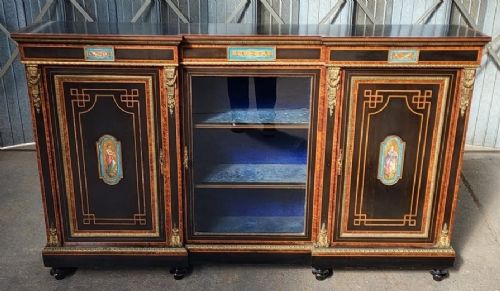
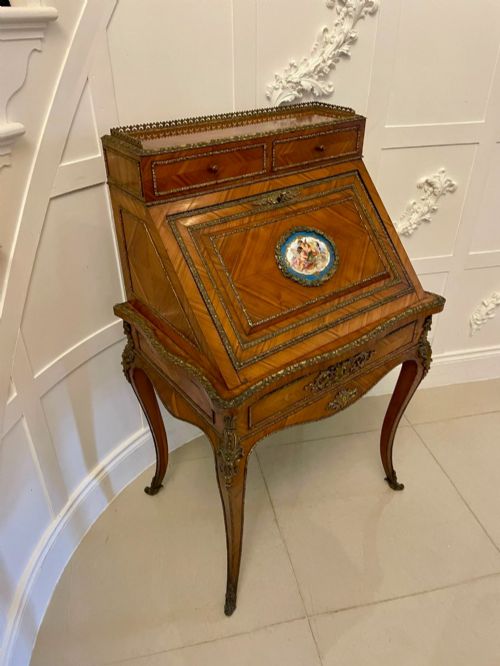
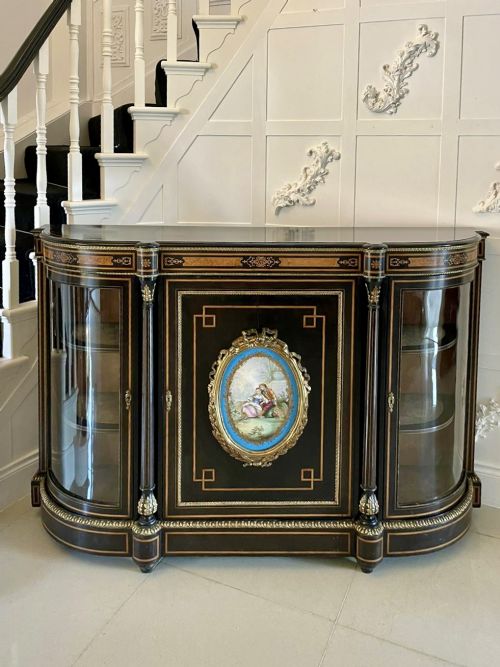
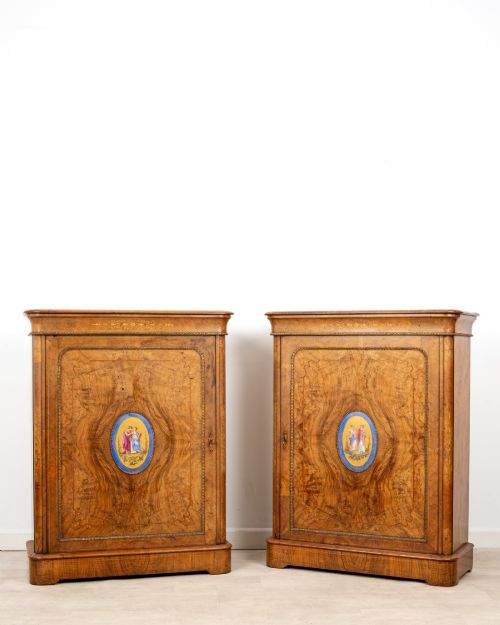
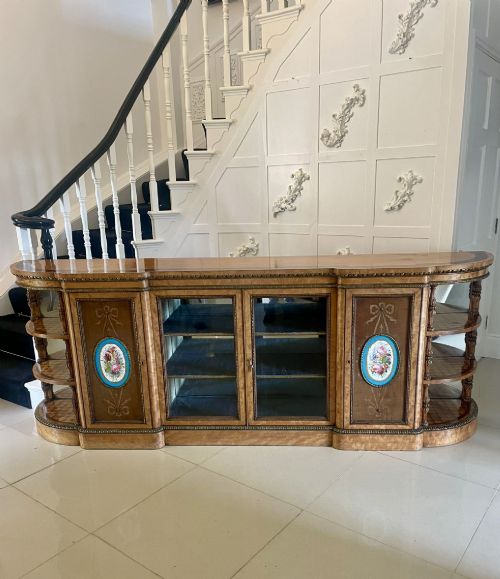
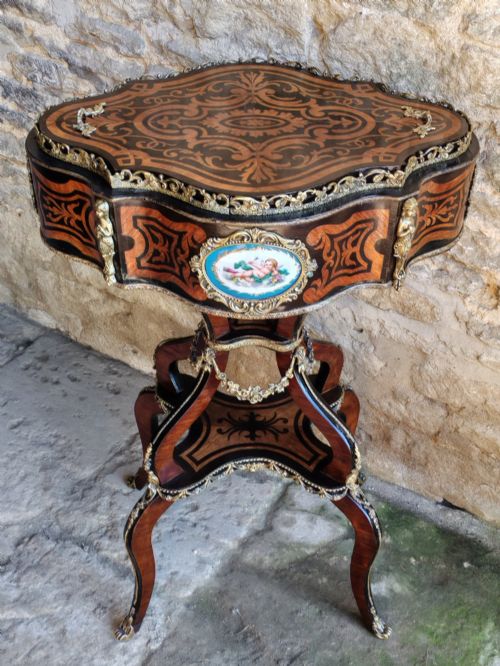
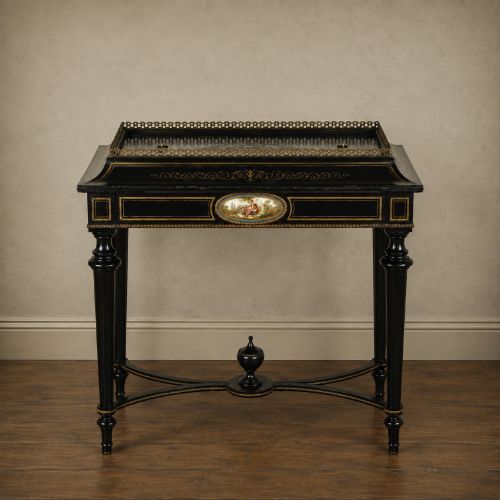
Buyers most frequently encounter porcelain plaques mounted onto desks, cabinets, and jardiniere stands. The selection spans miniature hand-painted inserts on writing furniture to monumental display cabinets framed by ormolu mounts.
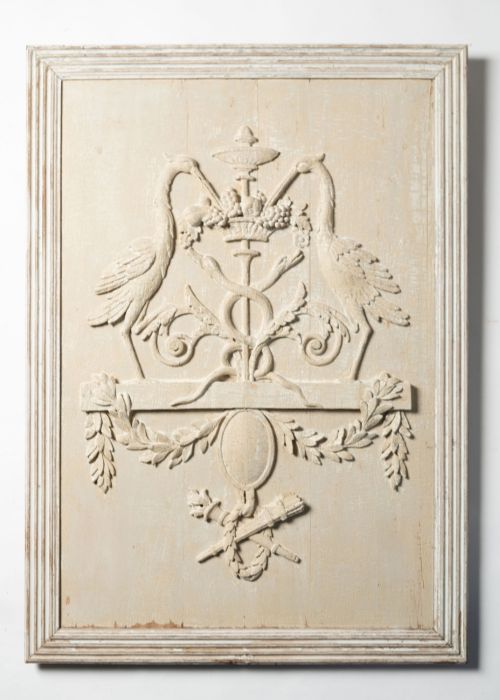
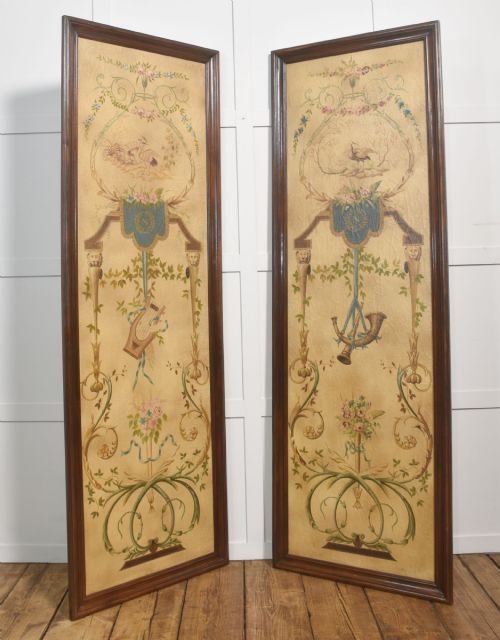
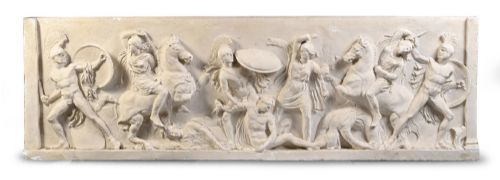
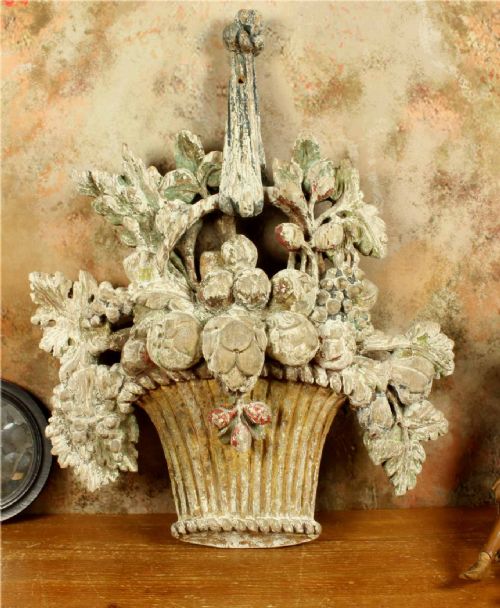
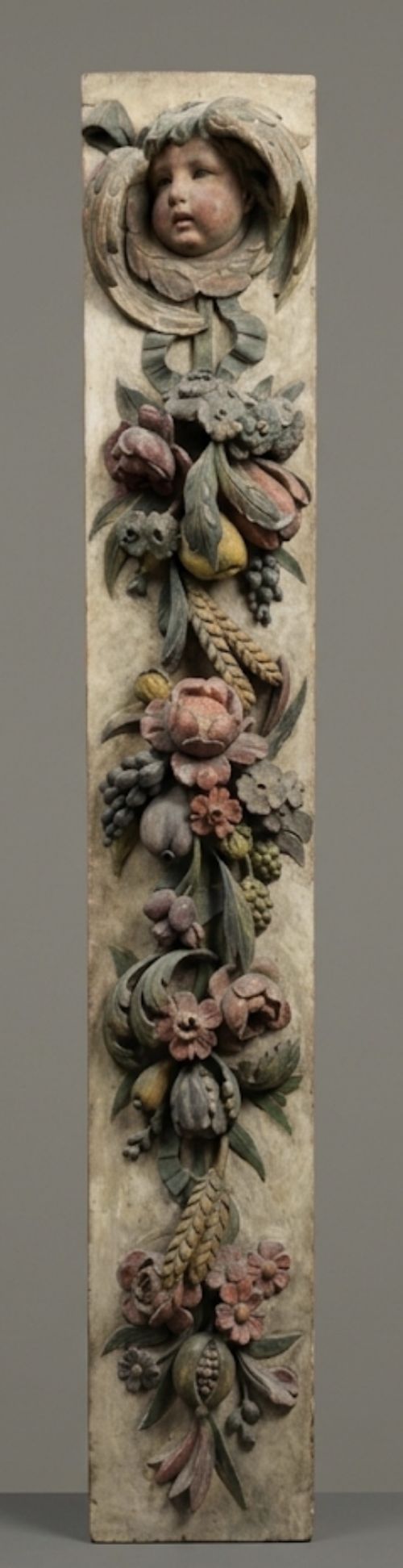
Alongside ceramic work, the category includes carved wooden panels, cast iron balustrades, enamel pieces, and metal wall art. These diverse items reflect nineteenth-century revival styles inspired by earlier French periods.
Materials and construction
Makers built these pieces using luxury hardwoods including kingwood, walnut, amboyna, and ebonised wood, often enhanced by marquetry and intricate wood carving. Ormolu, or gilt bronze, mounts frame the ceramic plaques and edge the furniture.
The plaques themselves utilise porcelain, hand-painted ceramic, Limoges enamel, and occasionally carved wood or copper. Metal elements involve cast iron, bronze, and copper, combining foundry work with traditional cabinet joinery.
Materials recorded across the category include porcelain, ormolu, kingwood, walnut, ebonised wood, glass, brass, and gilt bronze.
Measures of quality
Quality rests on the fineness of the hand-painted detail on the porcelain and the crispness of the chased ormolu mounts. Superior examples show delicate brushwork on the ceramic panels and heavy, well-defined bronze work that fits the surrounding wood precisely.
The choice of timber carcass and the complexity of the marquetry inlay also distinguish finer pieces. Pieces with documented ceramic factory origins or signed artwork stand apart from standard decorative production.
Clement Messier·Mainfroy
The Antique French Plaque Glossary
- Ormolu
- Gilded bronze mounts used extensively to decorate the edges, corners, and panels of nineteenth-century furniture. This technique involves applying a mercury and gold amalgam to bronze.
- Bonheur du Jour
- A light lady's writing desk featuring a small cabinet or superstructure on the top. These desks frequently incorporate porcelain plaques within their drop-fronts or drawers.
- Jardiniere
- An ornamental stand or container designed to hold plants or flowers. Nineteenth-century examples often feature porcelain plaques set into ebonised or kingwood frames.
- Vitrine
- A glass-fronted display cabinet intended for porcelain and small objects of vertu. These pieces often pair glazed doors with lower wooden panels decorated with ormolu and ceramic inserts.
- Marquetry
- The art of applying pieces of veneer to a structure to form decorative patterns. Craftsmen utilised contrasting exotic woods like kingwood, satinwood, and tulipwood.
Antique French Plaque: Frequently Asked Questions
How were antique french plaques used originally?
These plaques served primarily as decorative centerpieces on luxury furniture, writing desks, and display cabinets. They demonstrated the owner's taste and the maker's skill by combining fine ceramics with cabinetmaking.
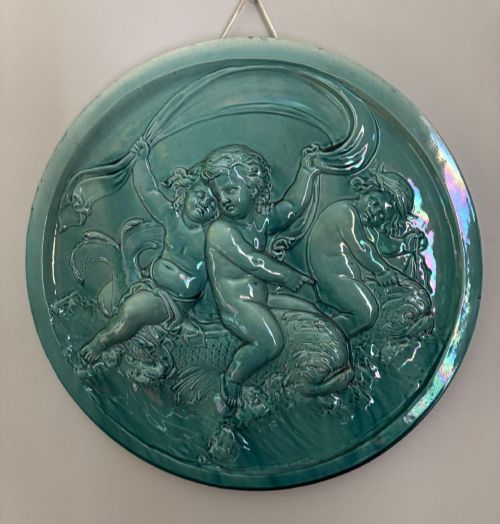
Smaller plaques also functioned as independent wall art, holy water fonts, or decorative inserts for caskets and tea caddies.
What woods appear most often with these plaques?
Cabinetmakers favoured exotic and decorative timbers such as kingwood, walnut, amboyna, and satinwood. Ebonised wood also appears frequently, providing a dark contrast to gilt bronze mounts and painted porcelain.
These timbers were often arranged in marquetry patterns to frame the central ceramic panels.
How do I care for wooden furniture with porcelain plaques?
Keep these pieces away from direct sunlight and steady heat sources to protect the wood polish and prevent the veneer from drying out. Dust the carved surfaces and ormolu mounts gently with a dry, soft cloth.
Clean the porcelain plaques very carefully with a dry microfibre cloth, avoiding harsh liquid cleaners that might damage the painted surface.
Which periods produced these decorative pieces?
The majority of these pieces date from the nineteenth century, encompassing the Victorian era, the Napoleon III period, and various French revival styles. Production drew heavily on earlier Louis XV and Neoclassical design traditions.
Earlier examples from the eighteenth century appear occasionally, alongside late nineteenth-century revival works.