



Antique French Oak Chairs
When searching for antique french oak chairs, collectors encounter robust country seating, formal revival armchairs, and ladder backs built from the eighteenth to the twentieth century.
Antique French Oak Chairs
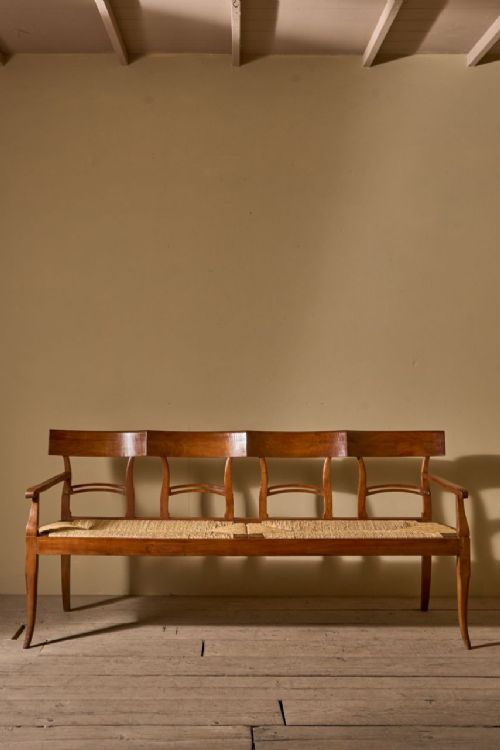
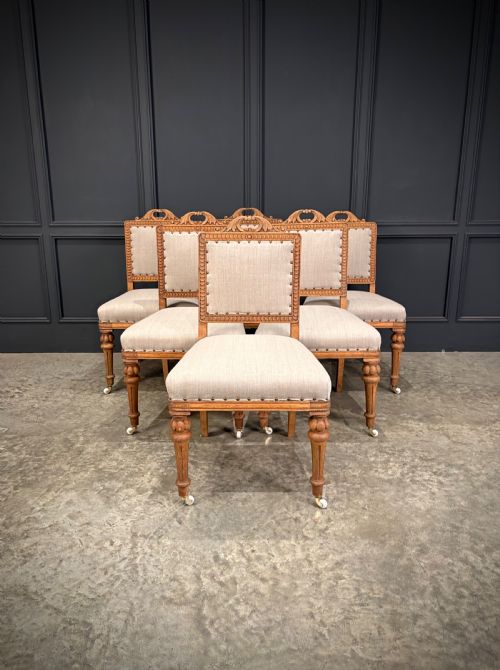
The pieces appearing under antique french oak chairs span practical kitchen seating, grand dining sets, and deep-seated armchairs originating from provincial regions and urban workshops alike. Dining chairs frequently emerge as matching sets of ladder backs fitted with woven rush seats, reflecting rural domestic traditions.
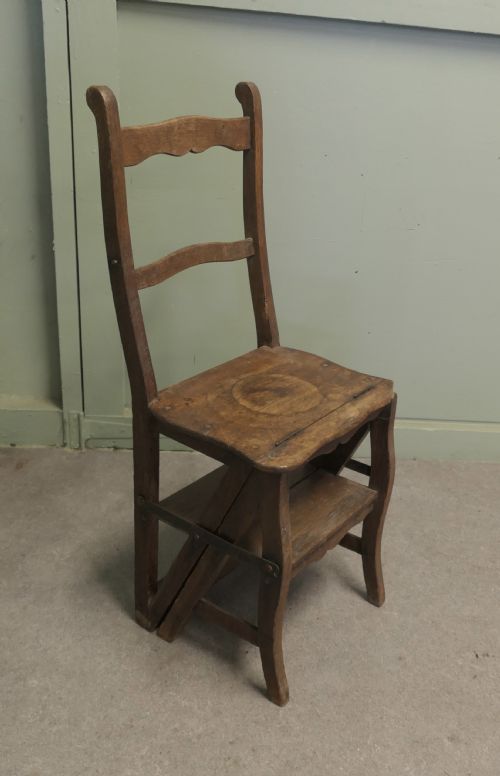
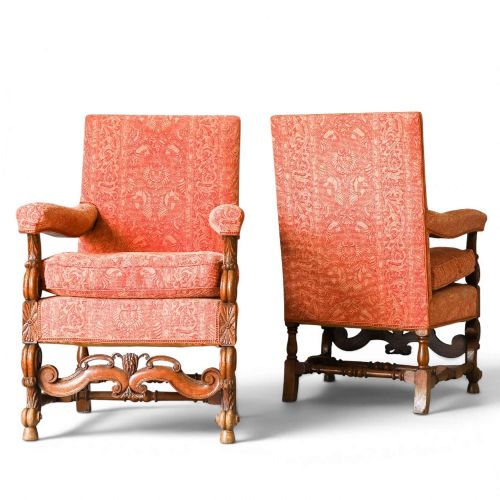
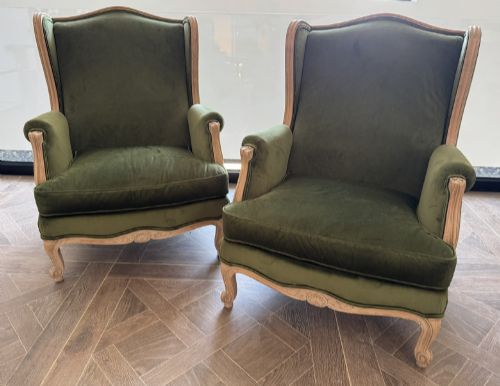
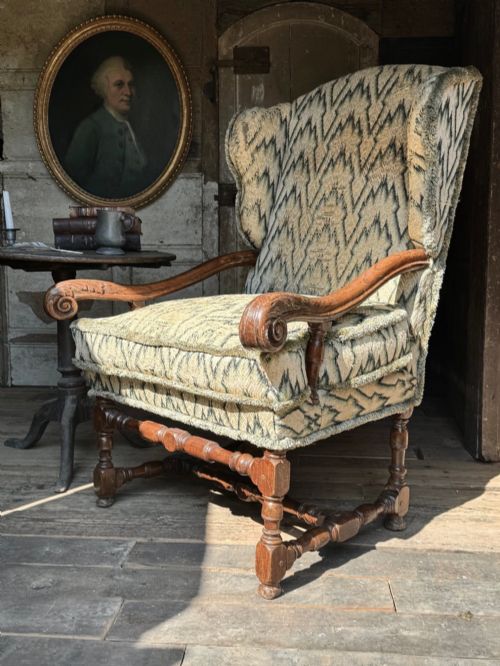
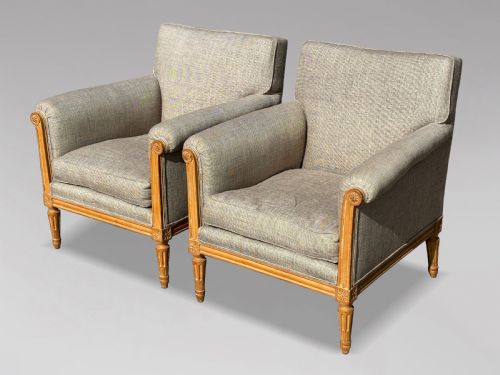
Armchairs take varied forms, including wing backs, tub-shaped bergères with cane panels, and heavily carved revival models referencing Renaissance or Louis XV and Louis XVI styles. Occasional pieces such as benches, hall chairs, and metamorphic step chairs also appear alongside standard seating.
The timeline stretches from early eighteenth-century wing backs through nineteenth-century Gothic and Renaissance revivals up to twentieth-century provincial ladder backs and leather bridge chairs. Oak remains the unifying structural timber across these diverse regional and stylistic expressions.
Materials and construction methods
Makers utilised solid oak for frames, posts, and stretchers, relying on traditional joinery such as mortise and tenon to sustain daily use over centuries. Regional seating often incorporates woven rush for seat pads, twisted tightly around wooden rungs.
Upholstered variants integrate internal webbing, horsehair, or stuffing finished with fabric, velvet, leather, or cane panels woven into open backrests and arm panels. Surface finishes range from natural bleached oak tones to darker waxed patinas developed through decades of domestic handling.
First World War invalid chairs remind us that even sturdy oak occasionally retired from the dining table to serve in military hospitals.
Evaluating craftsmanship and integrity
Quality reveals itself in the structural rigidity of the frame and the tightness of the joinery where legs meet seat rails. Superior examples maintain original timber surfaces without excessive sanding, whereas lesser pieces may exhibit replaced stretchers or compromised joints.
For rush and cane seating, the uniformity and tension of the weave distinguish skilled regional craftsmanship from loose or later re-woven repairs. Carved elements on revival armchairs demonstrate varying depths of hand-chiselling, separating fluid organic ornamentation from shallow, mechanical secondary work.
The Antique French Oak Chairs Glossary
- Rush
- Marsh grass twisted into cords and hand-woven to form durable, flexible seat pads. This traditional method appears frequently on provincial ladder back dining chairs.
- Bergère
- An enclosed upholstered armchair featuring wooden frames, often with cane-work panels along the sides and back. These seats typically include loose squab cushions.
- Ladder back
- A chair back constructed with horizontal curved wooden slats spanning between the vertical rear posts. This design is a staple of French country dining seating.
- Fauteuil
- An open-framed upholstered armchair with exposed wooden armrests and carved details. The style developed through successive French royal periods.
- Wing back
- An armchair featuring protective side panels extending upward from the armrests to block draughts. Early examples in heavy oak provide substantial proportions.
Antique French Oak Chairs: Frequently Asked Questions
How do I identify a true antique ladder back chair?
Examine the construction of the frame underneath the seat to check for hand-cut tenons, pegged joints, and timber shrinkage appropriate to age.
Inspect the rush weaving for natural tonal variations and wear patterns that indicate decades of use rather than modern synthetic replacement cord.
Can I use antique oak dining chairs every day?
Solid oak frames possess immense structural strength, making them well-suited for daily dining use provided joints remain stable and uncompromised.
Take care to protect rush or cane seats from excessive moisture and sharp point loads to prevent the natural fibres from snapping.
What is the difference between provincial and revival styles?
Provincial chairs reflect utilitarian rural traditions, prioritising simple functional forms like ladder backs and rush pads designed for everyday kitchens.
Revival styles look back to court aesthetics from the Renaissance or Louis periods, featuring decorative carved motifs, exposed woodwork, and formal upholstery.
How should I care for antique oak timber?
Maintain the wood by applying a neutral beeswax polish periodically to nourish the dry grain and preserve the historic patina developed over generations.
Keep wooden seating away from direct heat sources and radical humidity shifts to prevent the oak panels from splitting or warping.