

Antique French Lounge
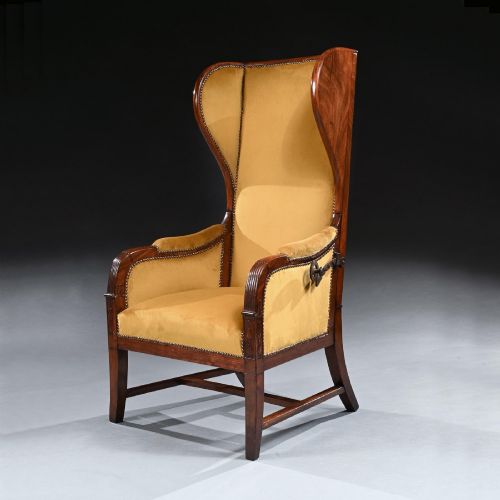
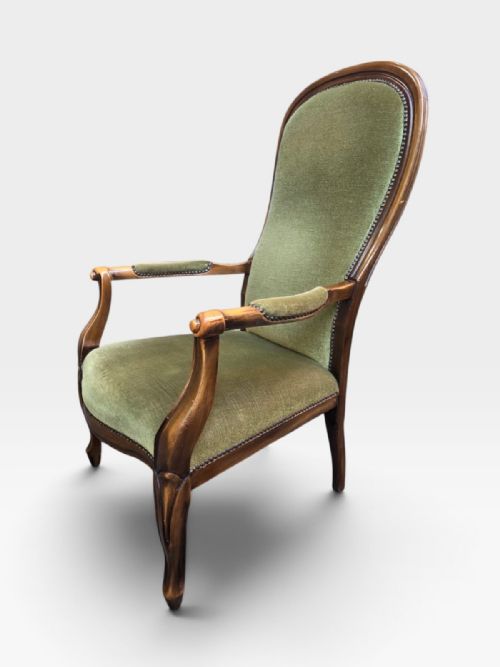
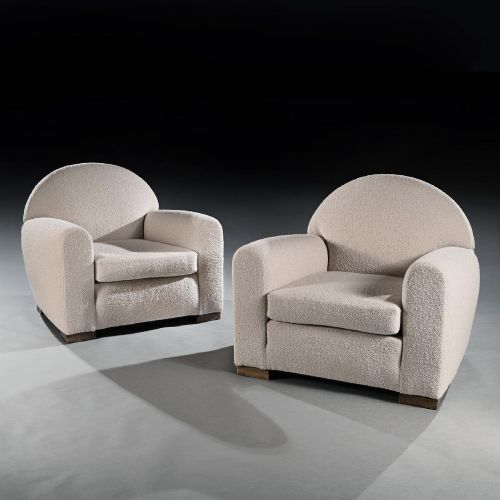
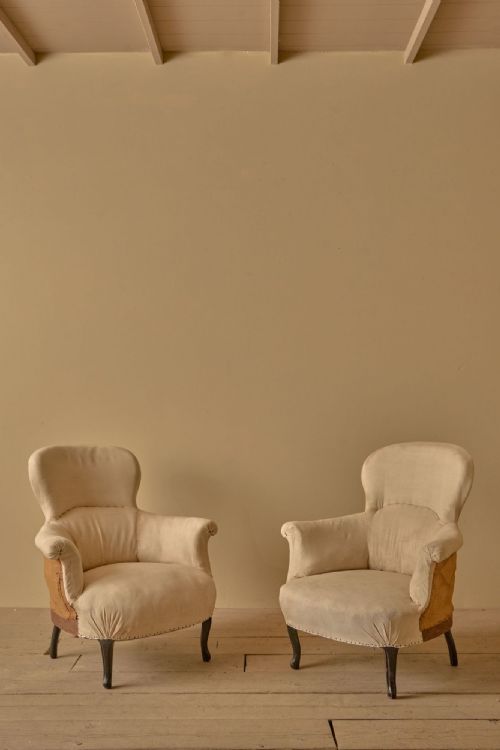
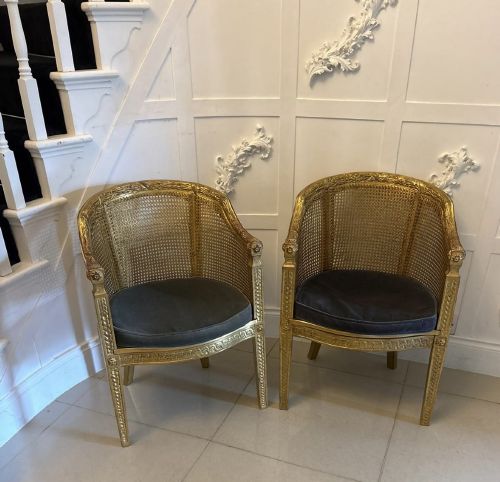
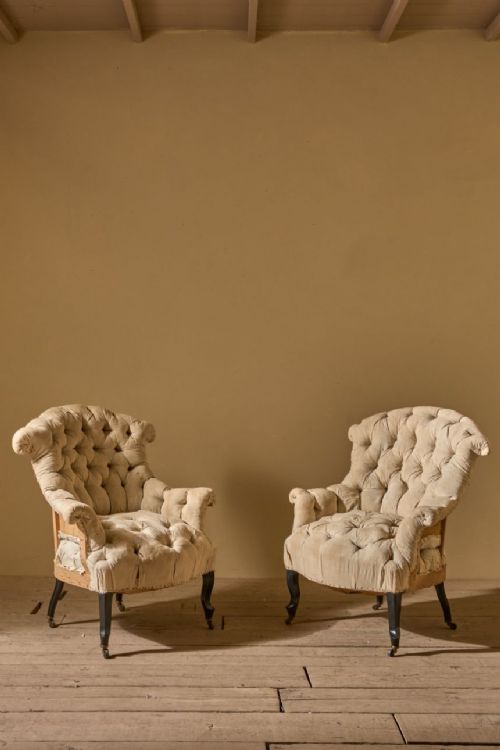
When you want an antique French lounge piece, you are looking at substantial seating designed for relaxation, from giltwood bergères to leather club chairs.
Antique French Lounge
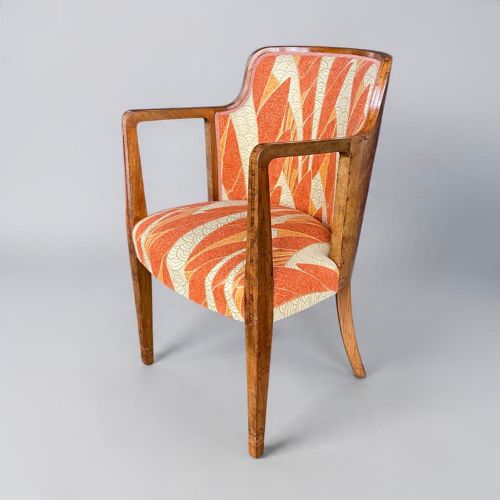
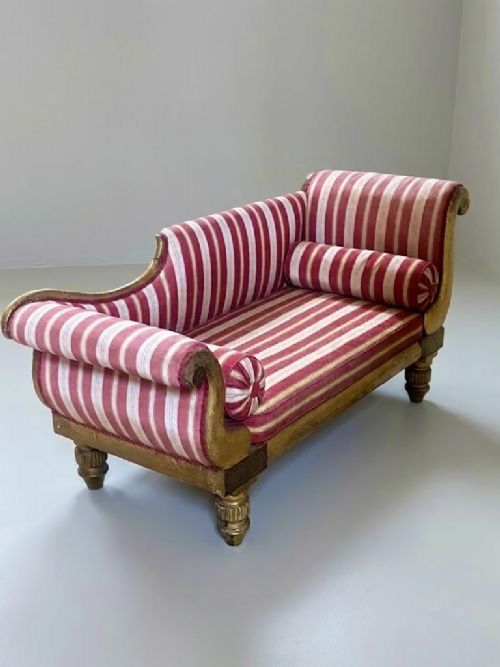
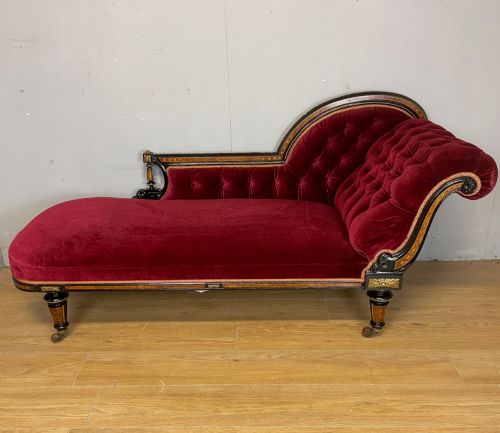
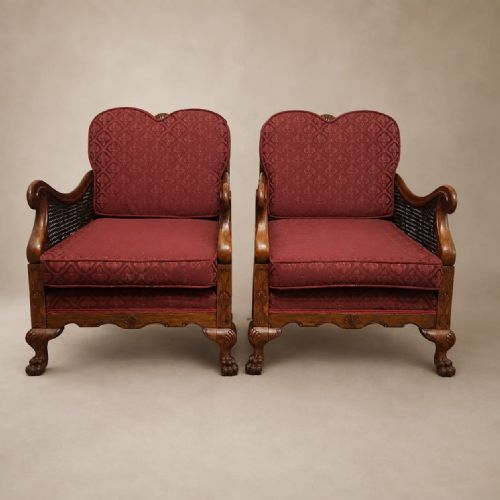
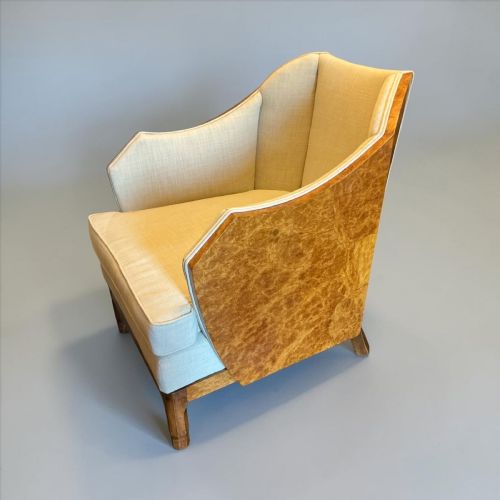
An antique French lounge encompasses various seating and daybeds intended for rest, including armchairs, chaise longues, daybeds and sofas. The selection spans distinct historical periods such as the nineteenth century, Victorian era, and the nineteen-thirties, reflecting diverse regional and formal developments.
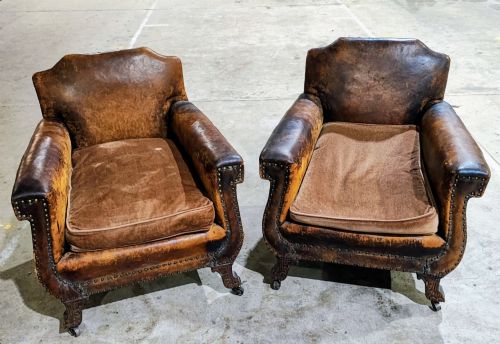
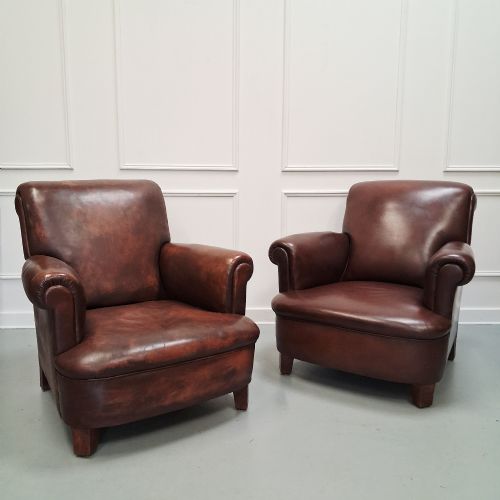
Buyers frequently encounter Napoleon III armchairs, walnut framed seating, and leather club chairs originating from French workshops. Pieces range from formal giltwood gilt-bronze mounted chairs to simpler provincial oak and wrought iron variants.
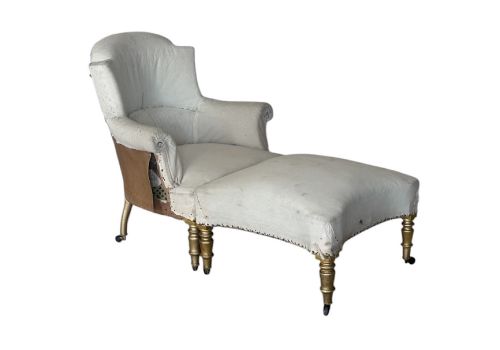
Forms extend from standard armchairs and double-ended daybeds to specialised configurations like the duchesse brisée and spoon back chairs. Each object demonstrates specific regional craftsmanship from periods including the early eighteenth century up to the nineteen-thirties.
How They Were Made
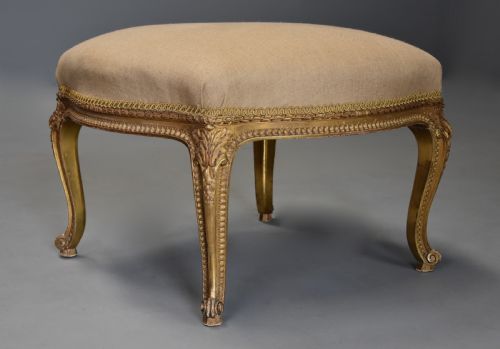
Frames are constructed from native and imported timbers including walnut, beech, oak, and ebonised woods, often paired with cast iron or wrought iron for outdoor and daybed forms. Structural enrichment involves carved giltwood, inlaid walnut panels, and ormolu or gilt bronze mounts.
Antique French Lounge Retail Price Guide 2026
Typical asking prices for french lounge among the pieces listed under this phrase on Sellingantiques today, from the lower quarter to the upper quarter. They describe what is for sale here now, not the wider market.
What Varies in Quality
The refinement of carved detail and the integrity of the timber frame set the baseline for each piece, distinguishing ambitious joinery from standard production. Crisp execution in giltwood ornamentation and ormolu mounts indicates superior workshop output.
The choice and execution of upholstery materials, from original silks to heavy leather and tapestry, govern the tactile and visual success of the seating. Preservation of original paint finishes or period surfaces significantly influences the standing of an individual item.
Jacob-Desmalter
The Antique French Lounge Glossary
- Bergère
- An enclosed upholstered armchair with wooden framing, frequently featuring cane sides and a loose seat cushion. This form gained prominence during the eighteenth century and persisted through later revivals.
- Duchesse brisée
- A chaise longue split into two or three parts, typically comprising an armchair and one or more footstools to form a continuous resting surface. It allows the occupant to recline fully.
- Ormolu
- Gilded bronze applied as decorative mounts to furniture frames and architectural woodwork. The technique involves treating brass or bronze with an amalgam of gold.
- Napoleon III
- A French design style spanning the mid to late nineteenth century, characterised by eclectic revivals of earlier royal periods and comfortable, buttoned upholstery. It draws on Louis XV and Louis XVI inspirations.
- Splatt
- The central vertical slat within the back of a chair, connecting the seat to the top rail. While less common in heavy lounge seating, it governs back support structure in related wooden chairs.
Antique French Lounge: Frequently Asked Questions
What is a duchesse brisee?
A duchesse brisée is a multi-part daybed arrangement combining an armchair with a matching stool or footrest to create a single elongated lounger. This design allows the user to recline with full leg support.
Such pieces often feature carved beech or walnut frames, sometimes retaining original paint or gilt surfaces from the nineteenth or early twentieth centuries.
How do I identify a Napoleon III armchair?
Napoleon III armchairs typically exhibit deep buttoning, sprung upholstery, and comfortable, enveloping shapes like spoon backs or pillow arms. Their wooden frames are often ebonised or gilt.
These pieces date from the mid to late nineteenth century and focus heavily on plush comfort rather than rigid formal posture.
Are leather club chairs French?
French leather club chairs, often appearing in nineteen-thirties designs, are characterised by heavy wood and leather construction with deep, comfortable seating. They prioritize club-style lounging.
They emerged strongly in the early twentieth century, utilising thick hides and sturdy walnut or hardwood internal framing.